LSVT BIG & LOUD Therapy for Parkinson’s Disease & Neurological Conditions in Athens, GA
Neurological conditions such as Parkinson’s disease can affect movement, walking, balance, speech, voice strength, and daily activities over time. At St. Mary’s Health Care System, our LSVT BIG and LSVT LOUD therapy programs provide evidence-based rehabilitation designed to help patients improve mobility, communication, and overall quality of life through personalized, intensive therapy care.
Specialized rehabilitation therapy focused on improving movement, balance, communication, and confidence for patients with Parkinson’s disease and neurological conditions across Northeast Georgia.
Athens Office Greensboro Office

What Are LSVT BIG & LSVT LOUD Therapy Programs?
LSVT BIG and LSVT LOUD are specialized therapy programs developed to help individuals with Parkinson’s disease and other neurological conditions improve movement and communication abilities.
Both programs use intensive, structured therapy focused on retraining movement and voice patterns that may become smaller, softer, slower, or less coordinated over time.
At St. Mary’s Health Care System:
- LSVT BIG focuses on improving large body movements, mobility, balance, posture, and functional movement.
- LSVT LOUD focuses on improving vocal loudness, speech clarity, communication confidence, and voice strength.
These therapies are designed to help patients improve everyday function while reinforcing skills through repetition, practice, and individualized treatment plans.
Learn More About: Physical Therapy Occupational Therapy Speech-Language Pathology Inpatient Rehabilitation Outpatient Rehabilitation
How does LSVT Therapy Support Recovery & Long-Term Health?
Neurological conditions often affect movement and communication gradually, making it difficult for patients to recognize changes in mobility, posture, speech volume, or coordination. These symptoms may interfere with walking, balance, daily activities, social interaction, and independence.
LSVT BIG and LOUD therapy may help:
- Improve walking speed and step size
- Increase balance and coordination
- Improve posture and trunk rotation
- Strengthen movement patterns
- Improve vocal loudness
- Increase speech clarity and intelligibility
- Support confidence during communication
- Improve participation in daily activities
- Support long-term mobility and independence
At St. Mary’s Health Care System, we understand that neurological conditions affect both physical and emotional well-being. Our therapy team provides compassionate support focused on helping patients feel empowered, encouraged, and engaged throughout treatment.
Who Can Benefit From LSVT BIG & LOUD Therapy?
LSVT BIG and LOUD therapy may benefit patients experiencing:
- Parkinson’s disease symptoms
- Reduced walking speed
- Small or shuffling steps
- Balance difficulties
- Reduced arm swing or trunk movement
- Soft speech or low vocal volume
- Difficulty being understood
- Changes in communication confidence
- Functional mobility challenges
- Neurological movement disorders
While commonly associated with Parkinson’s disease, these therapies may also benefit individuals with other neurological conditions that affect movement or speech.
Learn More about Neurological & Stroke Rehabilitation Services
Explore: Speech-Language Pathology Services Physical Therapy Services Occupational Therapy Services
Our Approach to LSVT Therapy
At St. Mary’s Health Care System, LSVT therapy programs are individualized to each patient’s symptoms, abilities, and recovery goals. Our rehabilitation team provides one-on-one treatment sessions focused on helping patients improve movement quality, communication, and daily function in supportive, encouraging environments.
Our approach emphasizes:
- Evidence-based neurological rehabilitation
- One-on-one therapy sessions
- Functional movement training
- Intensive repetition and practice
- Personalized therapy goals
- Home exercise and carryover strategies
- Patient and caregiver education
- Long-term independence and wellness
We focus on helping patients build meaningful skills that support greater confidence and participation in daily life.
Conditions Evaluated and Treated with LSVT BIG & LOUD Therapy
Certain neurological conditions may cause slowed movement, reduced coordination, or communication changes that benefit from specialized rehabilitation support.
Parkinson’s disease commonly affects movement, walking, posture, balance, speech, and voice volume. LSVT BIG and LOUD therapy may help patients maintain function and improve quality of life.
Patients experiencing instability, gait changes, or reduced movement confidence may benefit from intensive movement-focused rehabilitation.
Neurological conditions may cause soft speech, reduced vocal clarity, or communication fatigue. LSVT LOUD helps strengthen voice production and communication effectiveness.
What to Expect During LSVT Therapy
Care begins with a comprehensive evaluation focused on mobility, balance, communication abilities, daily function, and treatment goals.
Therapy plans may include:
- Physical and speech-language evaluations
- Functional mobility assessments
- Voice and communication testing
- Personalized treatment planning
- Intensive one-on-one therapy sessions
- Daily home exercise assignments
- Progress monitoring
- Functional carryover training
Consistency and daily participation are important components of successful LSVT therapy outcomes.
Recovery and Ongoing Care after LSVT BIG & LOUD Therapy
Neurological rehabilitation is often an ongoing process. Many patients benefit from continued exercise, home practice, wellness programs, and periodic therapy follow-up to maintain progress over time.
Long-term support may include:
- Home movement exercises
- Voice maintenance strategies
- Fall prevention support
- Balance training
- Functional mobility activities
- Caregiver education
- Wellness and exercise guidance
Our rehabilitation team remains focused on helping patients maintain independence, communication abilities, and quality of life as long as possible.
A Connected Approach to LSVT BIG & LOUD Therapy and Care
LSVT BIG and LOUD therapy are often part of a comprehensive neurological care plan. St. Mary’s Health Care System provides coordinated support through collaboration between rehabilitation therapists, neurologists, imaging providers, primary care physicians, speech-language pathologists, and other specialists involved in patient care.
This connected approach helps ensure patients receive personalized support for both movement and communication needs throughout their rehabilitation journey.

LSVT BIG & LOUD Therapy and Care at St. Mary’s Health Care System
St. Mary’s Health Care System proudly provides LSVT BIG and LSVT LOUD therapy services for patients throughout Athens, GA, Northeast Georgia, Greensboro, Lavonia, and surrounding communities.
Our rehabilitation team combines advanced neurological therapy techniques with compassionate, individualized care designed to help patients improve movement, strengthen communication, and maintain independence. We are committed to helping patients and families feel supported throughout every stage of neurological rehabilitation.
St. Mary's Outpatient Rehabilitation
Good Samaritan Hospital Outpatient Rehabilitation
Sacred Heart Outpatient Rehabilitation
Frequently Asked Questions about LSVT BIG & LOUD Therapy
LSVT stands for Lee Silverman Voice Treatment, a specialized therapy approach originally developed to help individuals with Parkinson’s disease improve speech and movement.
LSVT BIG focuses on improving movement, mobility, balance, and functional movement patterns, while LSVT LOUD focuses on improving vocal loudness, speech clarity, and communication skills.
LSVT therapy may benefit individuals with Parkinson’s disease and other neurological conditions that affect movement, speech, balance, or communication abilities.
Both LSVT BIG and LSVT LOUD typically involve 16 individual sessions completed over four weeks, with four sessions per week and daily home practice exercises.
Daily home exercises help reinforce movement and communication patterns learned during therapy sessions and support long-term improvement.
Yes. LSVT BIG therapy focuses on improving walking speed, step size, posture, trunk movement, balance, and overall mobility.
Yes. LSVT LOUD is specifically designed to improve vocal loudness, speech clarity, and communication confidence for patients with neurological voice changes.
Yes. LSVT BIG and LSVT LOUD are typically provided through individualized one-on-one therapy sessions.
Some patients benefit from additional physical therapy, occupational therapy, speech therapy, or neurological rehabilitation services, depending on their condition and goals.
Patients should wear comfortable clothing and supportive shoes appropriate for movement and exercise activities.
Many insurance plans cover medically necessary rehabilitation services, including neurological therapy programs. Coverage varies by plan and provider.
Related Locations
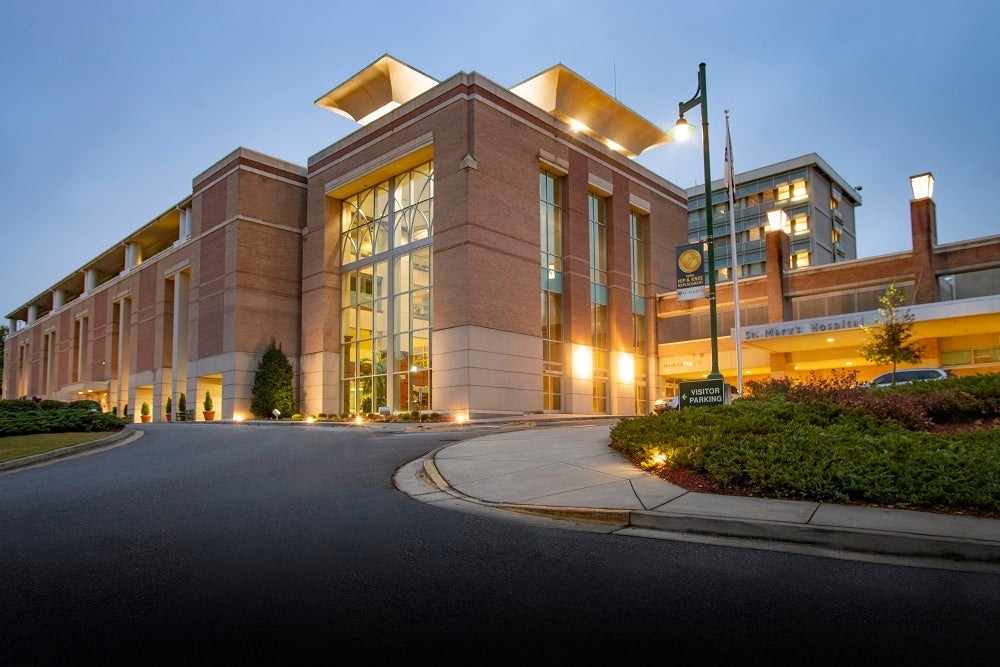
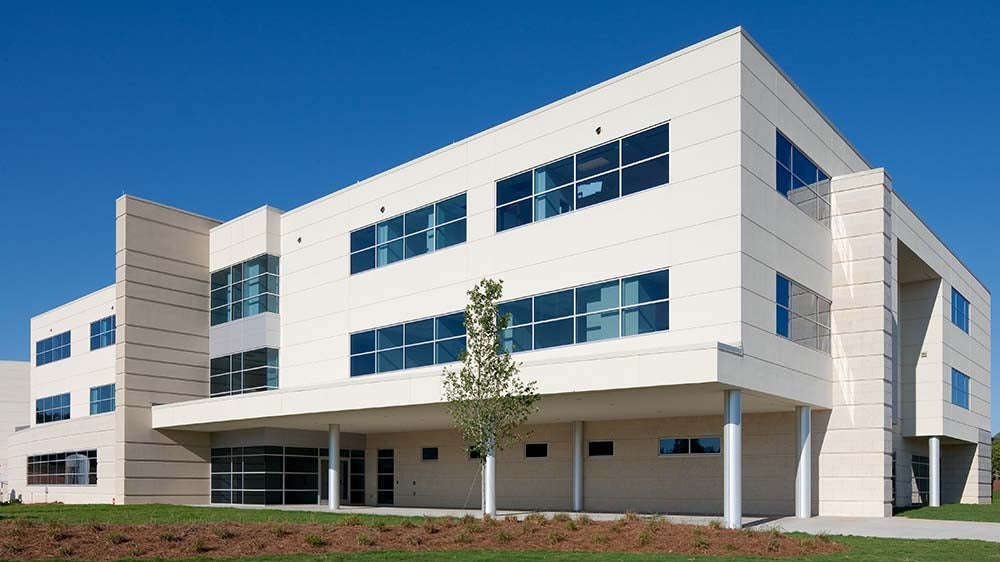
St. Mary's Sacred Heart Wellness Center
367 Clear Creek Parkway
Lavonia, GA 30553

St. Mary's Outpatient Rehab
2470 Daniells Bridge Road Building 300, 2nd Floor
Athens, GA 30606
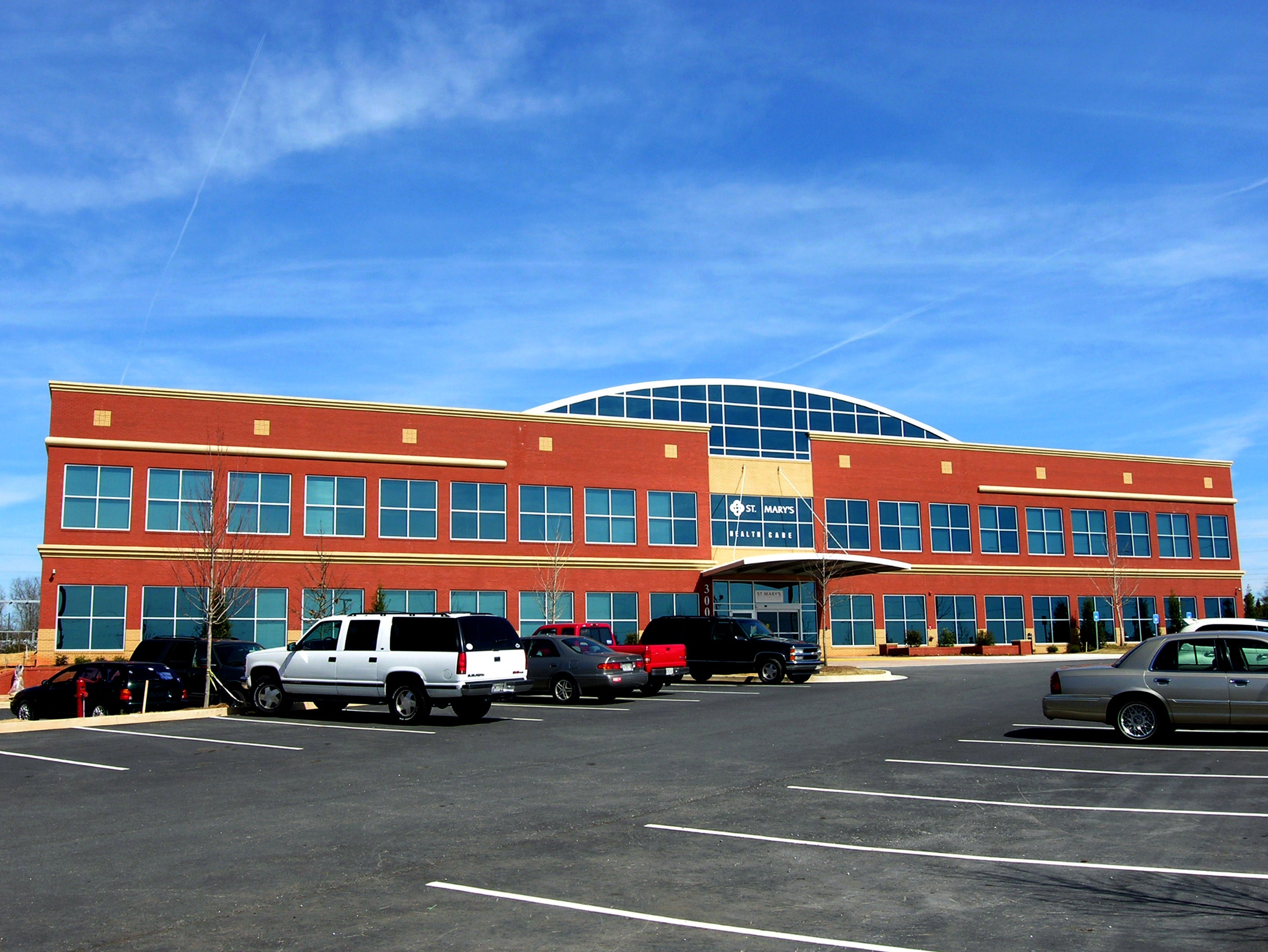
St. Mary's Wellness Center
2470 Daniells Bridge Road Building #300, 2nd floor
Athens, GA 30606
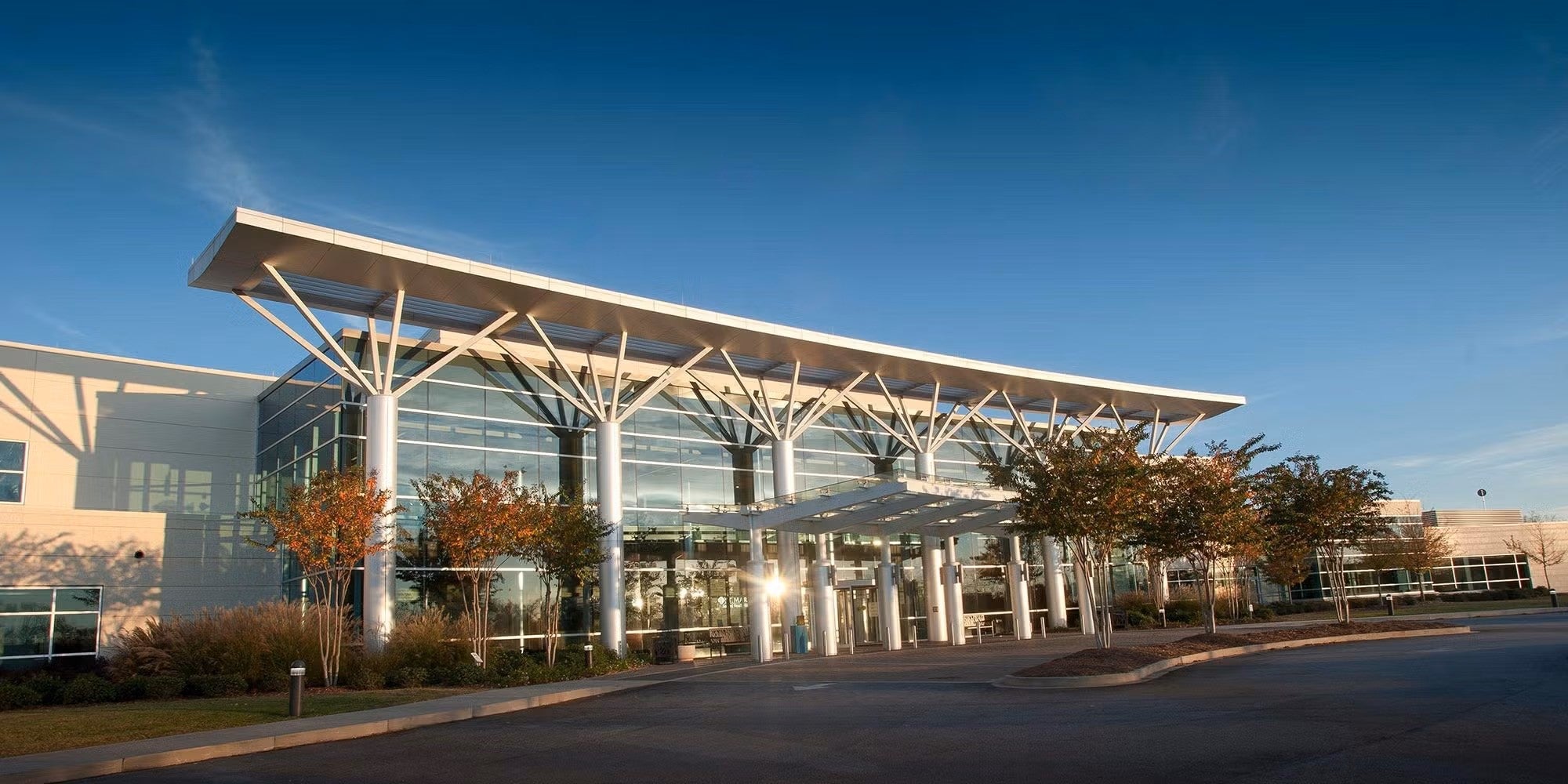
Sacred Heart Outpatient Rehabilitation
367 Clear Creek Parkway
Lavonia, GA 30553
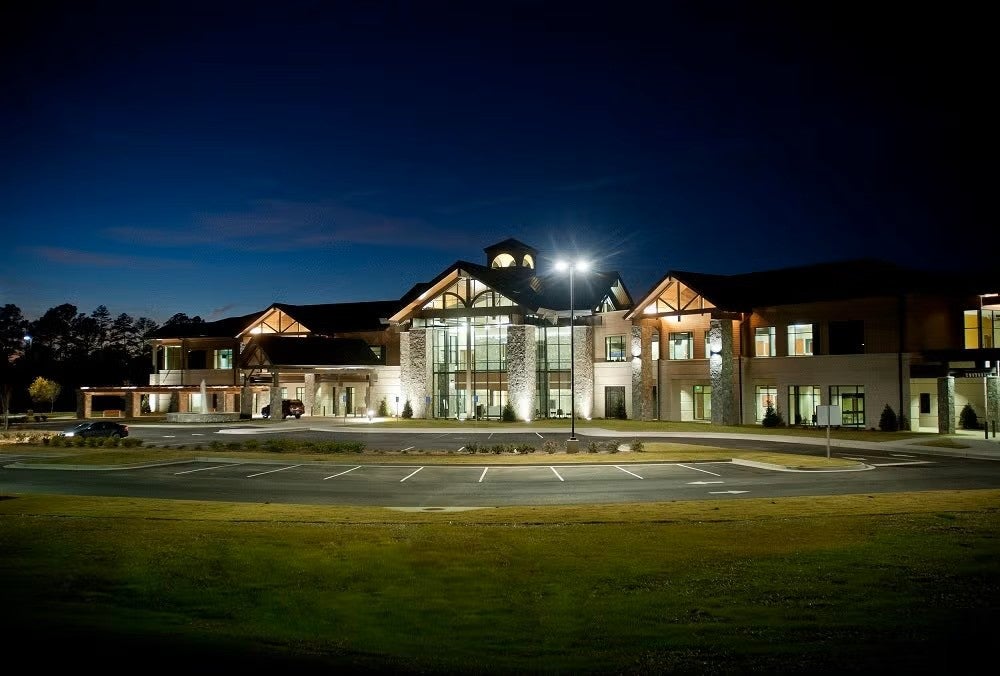
Good Samaritan Hospital Outpatient Rehabilitation
5401 Lake Oconee Parkway
Greensboro, GA 30642