Neurological & Stroke Rehabilitation in Athens, GA
Through a coordinated approach that combines physical therapy, occupational therapy, and speech-language pathology, Your St. Mary's Care Team develops individualized rehabilitation plans focused on each patient's unique goals, abilities, and recovery journey. We proudly serve patients throughout Athens, Lavonia, Greensboro, Northeast Georgia, and surrounding communities with comprehensive neurological rehabilitation services close to home.
Comprehensive neurological rehabilitation and stroke recovery services focused on helping patients rebuild strength, communication, mobility, and independence across Northeast Georgia.
Athens Office Greensboro Office Lavonia Office
What Is Neurological & Stroke Rehabilitation?
Supporting Recovery Every Step of the Way
A neurological diagnosis or stroke can affect nearly every aspect of daily life, but meaningful recovery is often possible with the right support, therapy, and guidance. At St. Mary's Health Care System, we combine advanced rehabilitation techniques with compassionate care to help patients and families navigate recovery with confidence and hope.
Comprehensive Rehabilitation for Stroke & Neurological Conditions
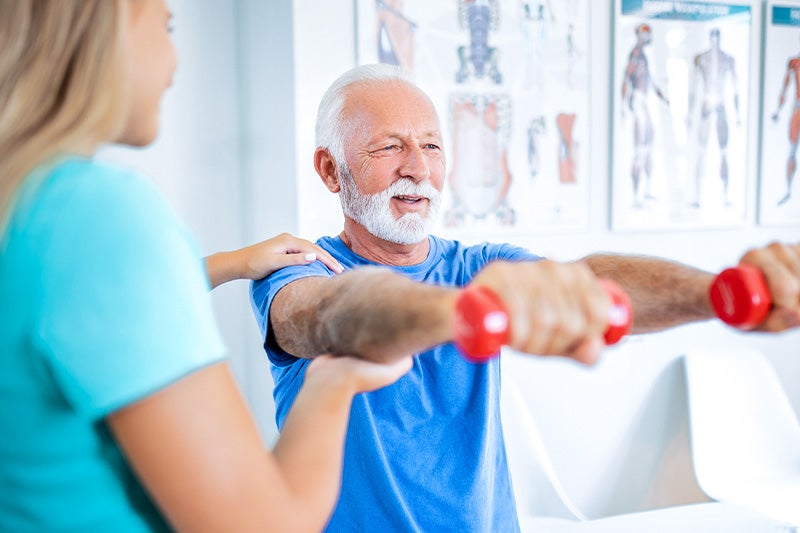
Neurological and stroke rehabilitation is a specialized therapy program designed to help patients recover physical, cognitive, communication, and functional abilities affected by neurological injuries or disorders.
These rehabilitation programs address challenges that may result from:
- Stroke (cerebrovascular accident or CVA)
- Parkinson's disease
- Traumatic brain injury (TBI)
- Multiple sclerosis (MS)
- Brain tumors
- Neuromuscular disorders
- Spinal cord injuries
- Other neurological conditions
Because neurological conditions often affect multiple body systems, rehabilitation frequently involves a coordinated team of specialists working together to address mobility, upper-extremity function, activities of daily living (ADLs), communication, cognition, swallowing, and overall independence.
Explore Stroke Rehabilitation & Care at St. Mary's
Learn More About: Rehabilitation Services, Physical Therapy Services, Occupational Therapy Services, Speech-Language Pathology Services
How does Neurological Rehabilitation Contribute to Long-Term Health & Recovery?
The brain and nervous system control nearly every function in the body. When neurological injury or disease occurs, patients may experience difficulties with movement, coordination, memory, communication, swallowing, sensation, balance, or daily activities.
Early and ongoing rehabilitation can help:
- Promote recovery and neuroplasticity
- Improve mobility and balance
- Restore functional independence
- Improve communication skills
- Enhance swallowing safety
- Reduce fall risk
- Increase confidence and quality of life
- Support long-term wellness and recovery
Every recovery journey is different. Our rehabilitation specialists work closely with patients and families to establish realistic goals and celebrate meaningful progress throughout treatment.
Conditions Evaluated & Treated with Neurological & Stroke Rehabilitation
Stroke Recovery
A stroke occurs when blood flow to part of the brain is interrupted, potentially causing weakness, paralysis, speech difficulties, cognitive changes, balance problems, and swallowing disorders.
Neurological rehabilitation helps stroke survivors improve movement, communication, cognition, and daily function while supporting long-term recovery and independence.
Learn More about Stroke Recovery & Care
Parkinson's Disease
Parkinson's disease affects movement, balance, walking, coordination, and speech. Specialized rehabilitation programs help patients maintain mobility, improve function, and support communication abilities.
Explore LSVT BIG and LOUD Therapy
Traumatic Brain Injury (TBI)
A traumatic brain injury may affect physical abilities, memory, attention, communication, executive functioning, and emotional regulation. Rehabilitation focuses on improving cognitive and functional recovery while supporting independence.
Read More about Cognitive Rehabilitation Therapy
Multiple Sclerosis (MS)
Multiple sclerosis may cause weakness, fatigue, mobility limitations, balance difficulties, and coordination challenges. Therapy focuses on maintaining function, improving mobility, and maximizing independence.
Neuromuscular Disorders
Conditions affecting the nerves and muscles can impact strength, movement, endurance, and daily functioning. Rehabilitation programs are tailored to each patient's specific needs and goals.
Neurological & Stroke Rehabilitation Services Offered
Physical Therapy for Neurological Recovery
Physical therapy focuses on restoring strength, mobility, walking ability, balance, endurance, and movement patterns affected by neurological conditions.
Treatment may include:
- Gait training
- Balance training
- Strengthening exercises
- Functional mobility training
- Fall prevention strategies
Learn More about Balance Therapy
Explore Vestibular & Vertigo Therapy Services
Read More about Fall Recovery & Rehabilitation
Occupational Therapy for Daily Independence
Occupational therapy helps patients improve upper-extremity function, coordination, self-care abilities, and performance of everyday activities.
Treatment may address:
- Dressing and grooming
- Bathing and hygiene
- Meal preparation
- Adaptive equipment training
- Home safety recommendations
- Fine motor coordination
Learn More about Cognitive Therapy Techniques at St. Mary's
Speech-Language Pathology Services
Speech-language pathology focuses on communication, cognition, voice, language, and swallowing function affected by neurological injury or disease.
Treatment may include:
- Speech therapy
- Language therapy
- Cognitive communication therapy
- Voice therapy
- Swallowing therapy
Explore Language Therapy Services
Learn More about Swallowing & Dysphagia Therapy
Explore Articulation Therapy Services
Cognitive Rehabilitation
Cognitive rehabilitation helps patients improve memory, attention, problem-solving, organization, and executive functioning skills that may be affected by neurological conditions.
Read More about Cognitive Rehabilitation Therapy Techniques
Swallowing Rehabilitation
Swallowing difficulties, known as dysphagia, are common after stroke and other neurological conditions. Speech-language pathologists provide evaluation and treatment focused on improving swallowing safety and reducing the risk of aspiration.
What to Expect During Neurological & Stroke Rehabilitation
Comprehensive Evaluation
Your rehabilitation journey begins with a detailed assessment of physical abilities, communication skills, cognition, swallowing function, daily activities, and personal recovery goals.
Individualized Treatment Planning
Your St. Mary's Care Team develops a personalized therapy plan designed around your diagnosis, challenges, strengths, and long-term goals.
Coordinated Therapy Services
Patients may participate in physical therapy, occupational therapy, and speech-language pathology services based on their specific needs.
Home Exercise & Recovery Strategies
Patients and caregivers receive education, exercises, and practical strategies to reinforce progress outside therapy sessions.
Ongoing Progress Monitoring
Therapy plans are regularly adjusted as patients make progress and achieve new recovery milestones.
Recovery & Ongoing Care after Neurological & Stroke Rehabilitation
Recovery from a stroke or neurological condition often continues long after the initial event. Ongoing therapy, home exercises, community support, and regular follow-up care can all play important roles in maximizing recovery and maintaining independence.
At St. Mary's Health Care System, we remain committed to supporting patients and families throughout every stage of rehabilitation, recovery, and long-term wellness.
Compassionate Neurological & Stroke Rehabilitation and Care at St. Mary's Health Care System
St. Mary's Health Care System provides comprehensive neurological rehabilitation services through a coordinated team of physical therapists, occupational therapists, speech-language pathologists, neurologists, rehabilitation specialists, imaging professionals, and stroke care experts.
Patients benefit from access to advanced rehabilitation programs, evidence-based therapies, and seamless coordination with our stroke care services to ensure continuity throughout diagnosis, treatment, recovery, and long-term management.
We proudly serve patients throughout Athens, Lavonia, Greensboro, Northeast Georgia, and surrounding communities with compassionate care focused on helping individuals achieve meaningful recovery and improved quality of life.
A Connected Approach to Neurological Rehabilitation and Care
Neurological rehabilitation at St. Mary's Health Care System is part of an integrated care network that brings together stroke specialists, neurologists, rehabilitation physicians, physical therapists, occupational therapists, speech-language pathologists, imaging professionals, nurses, primary care providers, and specialty care teams throughout Northeast Georgia.
This collaborative approach allows patients to receive seamless support from the earliest stages of diagnosis and treatment through rehabilitation, recovery, and long-term wellness management.
By combining advanced neurological care with compassionate rehabilitation support, St. Mary's Health Care System helps patients and families feel informed, supported, and empowered throughout every stage of the recovery journey.
St. Mary's Outpatient Rehabilitation
Good Samaritan Hospital Outpatient Rehabilitation
Sacred Heart Outpatient Rehabilitation
Frequently Asked Questions about Neurological & Stroke Rehabilitation
Neurological rehabilitation is a specialized therapy program that helps patients recover physical, cognitive, communication, and swallowing abilities affected by neurological conditions or injuries.
Patients recovering from stroke, Parkinson's disease, traumatic brain injury, multiple sclerosis, spinal cord injuries, and other neurological conditions may benefit from neurological rehabilitation.
CVA stands for cerebrovascular accident, which is another medical term for a stroke.
Yes. Stroke rehabilitation can help improve mobility, communication, swallowing, cognition, balance, and daily functioning following a stroke.
Rehabilitation often begins as soon as it is medically safe to do so, as early intervention may support better recovery outcomes.
Treatment may include physical therapy, occupational therapy, speech-language pathology, cognitive rehabilitation, balance therapy, and swallowing therapy.
Dysphagia is difficulty swallowing. It can occur after a stroke or neurological injury and may affect eating, drinking, and airway safety.
Yes. Specialized rehabilitation programs, including LSVT BIG & LOUD therapy, may help improve movement, balance, walking, and communication.
Yes. Family and caregiver education is often an important part of neurological rehabilitation and helps support recovery outside therapy sessions.
Yes. Depending on a patient's condition and recovery needs, neurological rehabilitation may be provided through inpatient rehabilitation, outpatient rehabilitation, or both.
Recovery timelines vary based on the condition, severity, individual goals, and overall health. Your rehabilitation team will work with you to develop a treatment plan tailored to your needs.
Related Locations
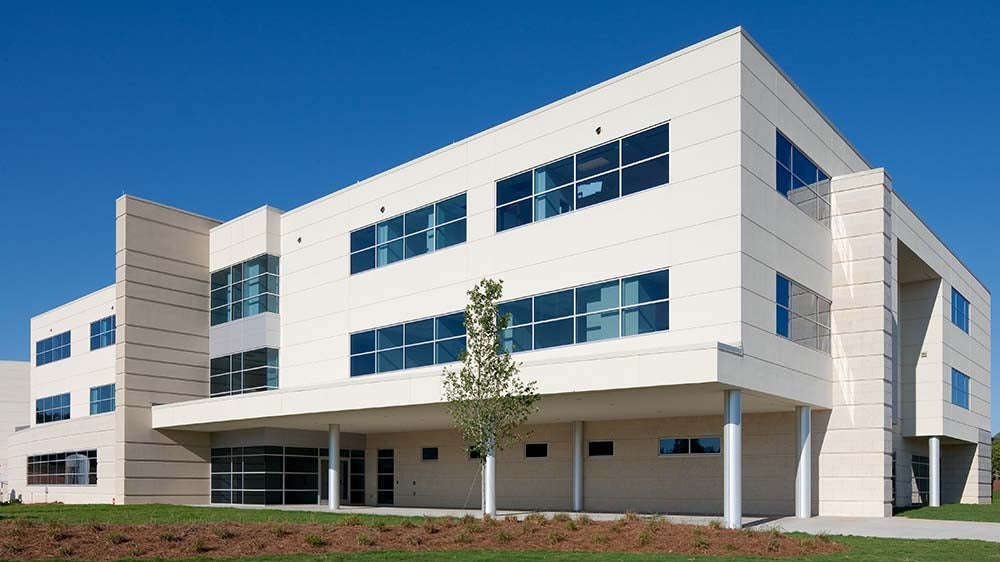
St. Mary's Sacred Heart Wellness Center
367 Clear Creek Parkway
Lavonia, GA 30553

St. Mary's Outpatient Rehab
2470 Daniells Bridge Road Building 300, 2nd Floor
Athens, GA 30606
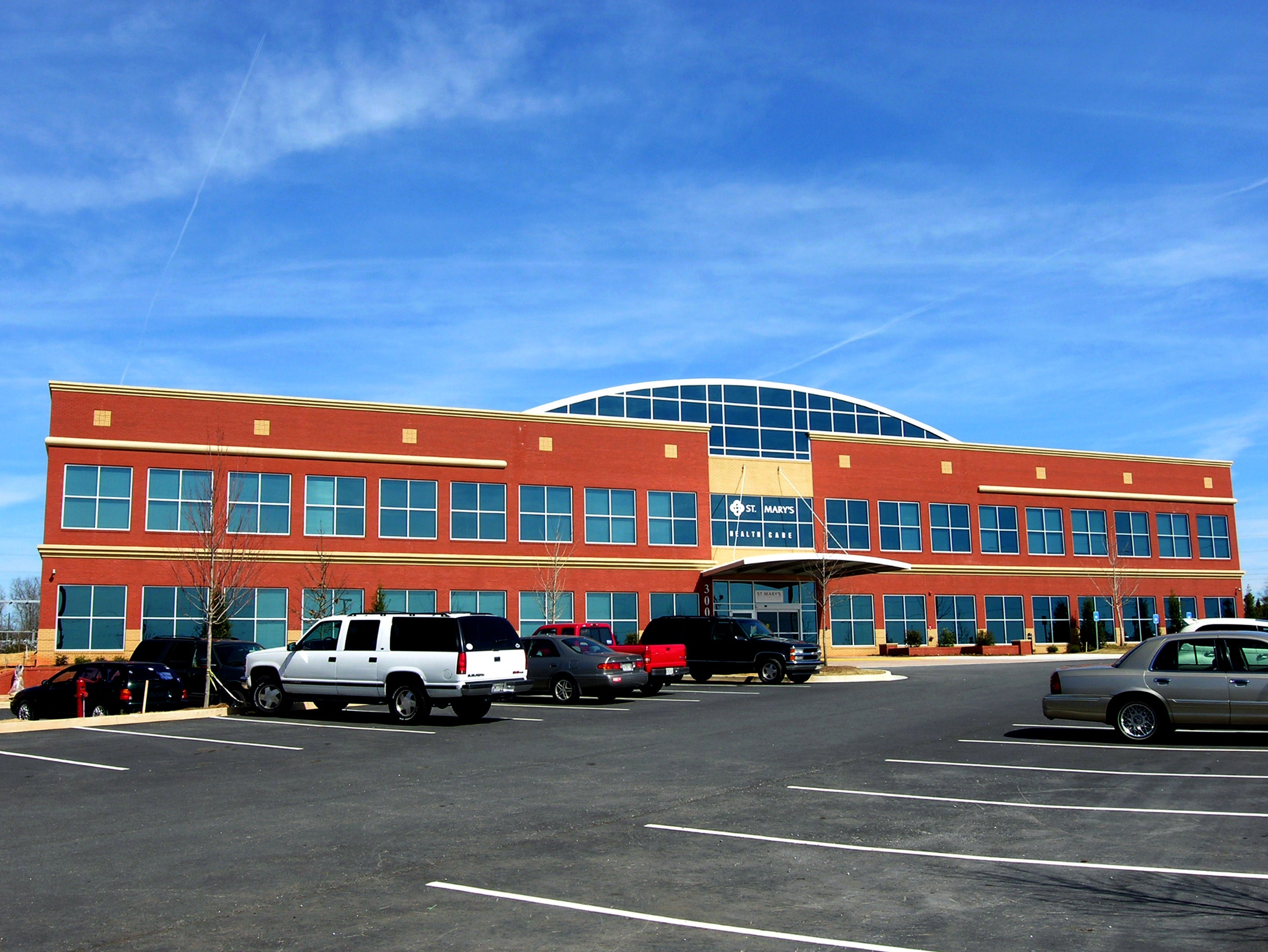
St. Mary's Wellness Center
2470 Daniells Bridge Road Building #300, 2nd floor
Athens, GA 30606
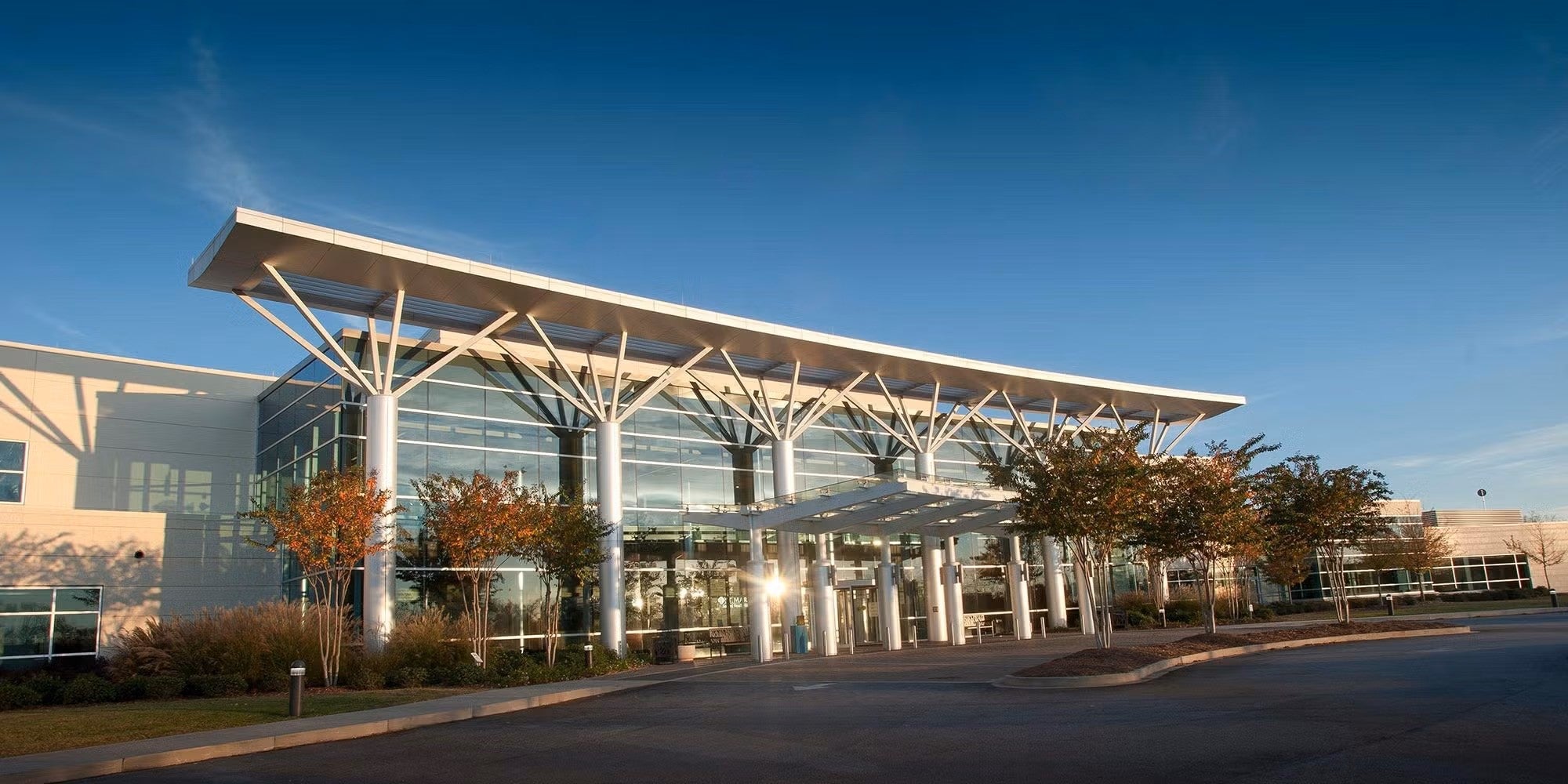
Sacred Heart Outpatient Rehabilitation
367 Clear Creek Parkway
Lavonia, GA 30553
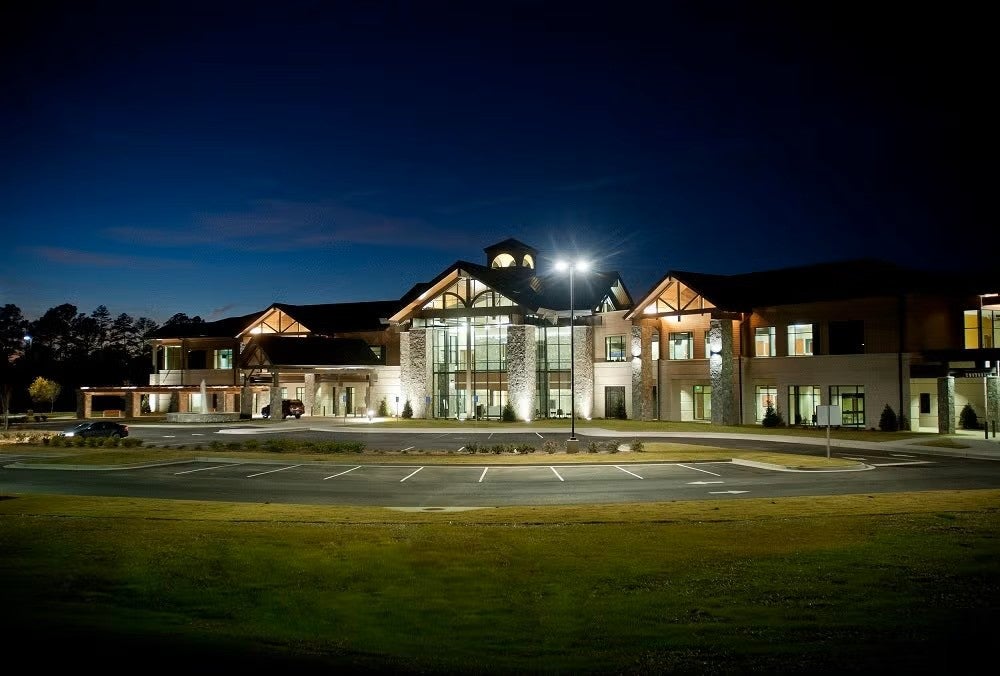
Good Samaritan Hospital Outpatient Rehabilitation
5401 Lake Oconee Parkway
Greensboro, GA 30642
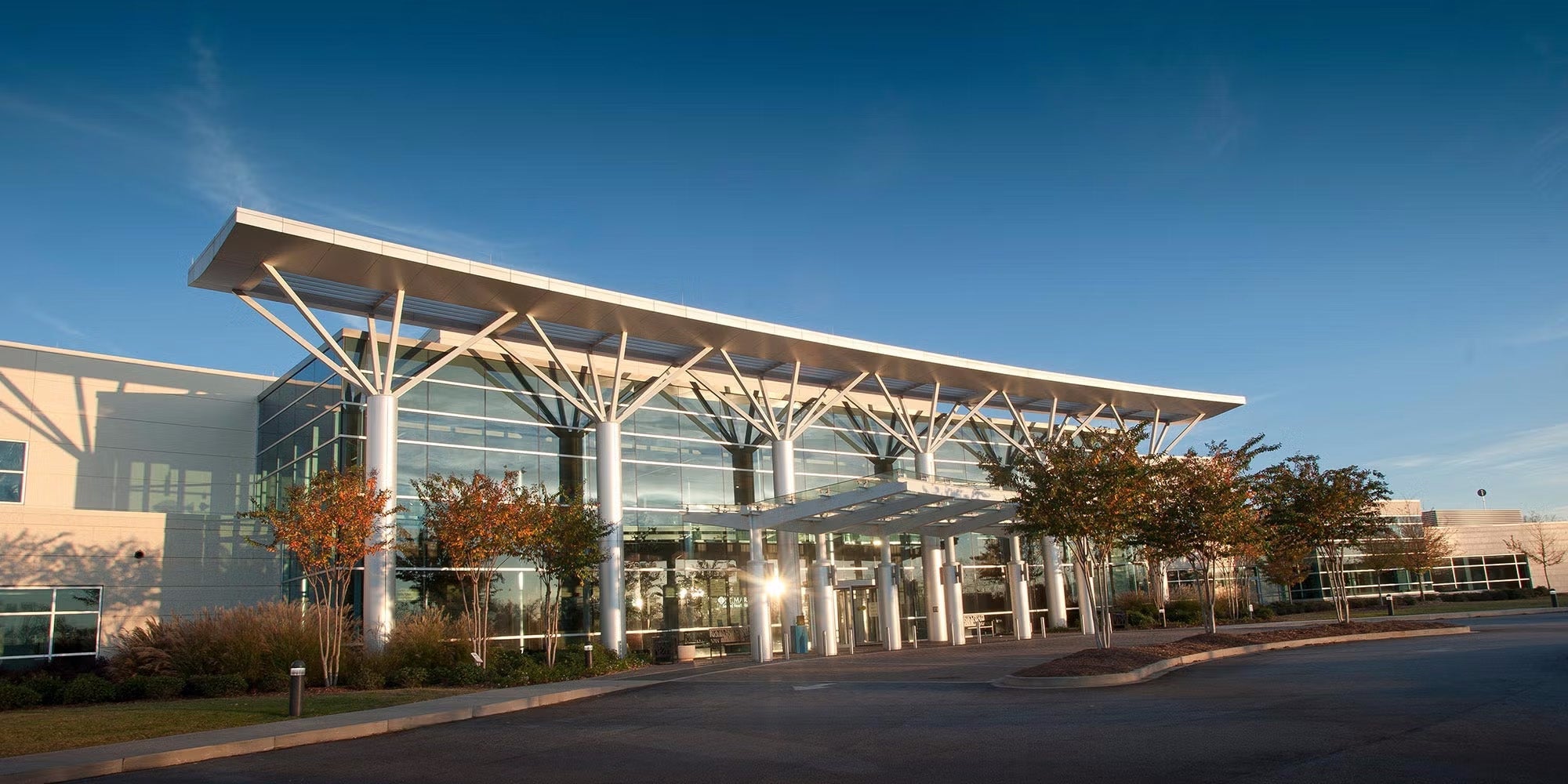
St. Mary's Sacred Heart Hospital
367 Clear Creek Pkwy
Lavonia, GA 30553