Speech Therapy Cognitive Techniques in Athens, GA for Memory & Communication Skills
At St. Mary's Health Care System, our speech-language pathology team provides cognitive-communication therapy designed to help children and adults strengthen memory, attention, organization, reasoning, and communication skills. We proudly serve patients throughout Athens, Lavonia, Greensboro, Northeast Georgia, and surrounding communities with compassionate rehabilitation services focused on improving daily function and quality of life.
Personalized speech-language therapy focused on improving memory, attention, communication, and cognitive function across Northeast Georgia.
Athens Office Greensboro Office Lavonia Office

Supporting Communication, Thinking & Everyday Independence
Cognitive challenges can affect much more than memory alone. Difficulties with attention, organization, communication, and problem-solving may impact school, work, relationships, and daily activities.
At St. Mary's Health Care System, our goal is to help patients develop practical strategies that improve independence, confidence, and participation in everyday life through personalized, evidence-based therapy.
Learn More About: Occupational Therapy, Speech-Language Pathology, Outpatient Rehabilitation, Rehabilitative Services
What Are Speech Therapy Cognitive Techniques?
Specialized Therapy for Cognitive-Communication Skills
Speech therapy cognitive techniques are specialized interventions designed to improve the cognitive skills that support communication, learning, memory, and daily functioning.
Cognitive-communication therapy focuses on areas such as:
- Attention and concentration
- Memory skills
- Problem-solving
- Reasoning and judgment
- Organization
- Executive functioning
- Communication strategies
- Information processing
- Functional daily tasks
Treatment is individualized to address each patient's unique challenges, strengths, and goals.
Why Cognitive-Communication Therapy Matters
Cognitive skills influence nearly every aspect of daily life. Difficulties with memory, attention, and communication can create challenges in personal relationships, work responsibilities, school performance, healthcare management, and independent living.
Speech therapy may help patients:
- Improve memory and recall
- Strengthen communication skills
- Enhance problem-solving abilities
- Improve organization and planning
- Increase independence
- Build confidence
- Support academic or workplace success
- Improve overall quality of life
Early intervention and personalized treatment can often help patients maximize recovery and functional outcomes.
Conditions Evaluated & Treated
Stroke & Cognitive-Communication Changes
Stroke can affect memory, attention, language, processing speed, and communication abilities.
Speech-language therapy helps patients strengthen cognitive skills while improving communication and daily functioning.
Learn More About Neurological & Stroke Rehabilitation
Traumatic Brain Injury (TBI)
Traumatic brain injuries may affect memory, concentration, reasoning, organization, and communication.
Therapy focuses on helping patients rebuild skills and develop strategies that support greater independence.
Explore Cognitive Rehabilitation Therapy
Mild Cognitive Impairment
Some individuals experience changes in memory, attention, and executive functioning that affect daily activities.
Speech therapy can provide practical techniques designed to improve cognitive performance and compensate for areas of difficulty.
Parkinson's Disease & Neurological Disorders
Neurological conditions may affect both communication and cognitive abilities.
Therapy helps patients develop strategies that support functional communication and daily independence.
Learn More About LSVT BIG & LOUD Therapy
Developmental Cognitive & Communication Challenges
Children with developmental delays may experience difficulties with attention, memory, problem-solving, and communication development.
Speech-language therapy helps strengthen foundational skills that support learning and communication success.
Explore Developmental Milestone Delay Therapy Services
Cognitive-Communication Disorders
Some patients experience difficulty processing information, following conversations, organizing thoughts, or communicating effectively.
Treatment focuses on strengthening communication and cognitive skills that support everyday life.
Read More about Language Therapy Services
Speech Therapy Cognitive Techniques & Services
Memory Strategy Training
Patients learn practical techniques designed to improve recall and support everyday memory function.
Strategies may include:
- Memory notebooks
- Calendars and planners
- Visual reminders
- Organization systems
- Technology-based reminders
Attention & Concentration Training
Therapy activities help strengthen sustained attention, selective attention, and task focus.
Improving attention often supports better communication, learning, and daily functioning.
Executive Function Training
Executive functions are the mental skills used for planning, organizing, prioritizing, and completing tasks.
Treatment may focus on:
- Goal setting
- Task management
- Time management
- Decision-making
- Problem-solving
Information Processing Techniques
Patients learn strategies designed to improve understanding, retention, and application of information in real-world situations.
Communication Strategy Development
Therapists help patients develop techniques that improve conversational participation, word retrieval, information organization, and functional communication.
Read More about Language Therapy Services
Functional Daily Living Tasks
Therapy often incorporates real-life activities that strengthen cognitive skills used in home, work, school, and community settings.
What to Expect During Therapy
Comprehensive Cognitive-Communication Evaluation
Your therapy journey begins with a detailed assessment of cognitive abilities, communication skills, functional challenges, and personal goals.
Personalized Treatment Plan
Your St. Mary's Care Team develops an individualized therapy program tailored to your specific needs and daily activities.
One-on-One Therapy Sessions
Patients participate in personalized speech-language therapy focused on improving cognitive function and communication effectiveness.
Home Strategies & Practice Activities
Patients receive practical tools and exercises that support continued progress outside therapy sessions.
Ongoing Progress Monitoring
Therapists regularly evaluate progress and adjust treatment plans to support long-term success.
Recovery & Long-Term Success with Cognitive Therapy Techniques
Cognitive improvement often occurs gradually through consistent practice and individualized support. Many patients experience meaningful gains in memory, attention, communication, organization, and independence through cognitive-communication therapy.
Our speech-language pathology team works closely with patients and families to develop strategies that support long-term success and improved quality of life.
Compassionate Cognitive Therapy Techniques and Care at St. Mary's Health Care System
St. Mary's Health Care System provides comprehensive cognitive-communication therapy services through experienced speech-language pathologists dedicated to helping patients strengthen communication and cognitive function.
Patients benefit from individualized treatment plans, evidence-based therapy techniques, coordinated rehabilitation services, and compassionate support throughout their recovery journey.
We proudly serve patients throughout Athens, Lavonia, Greensboro, Northeast Georgia, and surrounding communities with advanced speech-language pathology services close to home.

A Connected Approach to Cognitive Rehabilitation
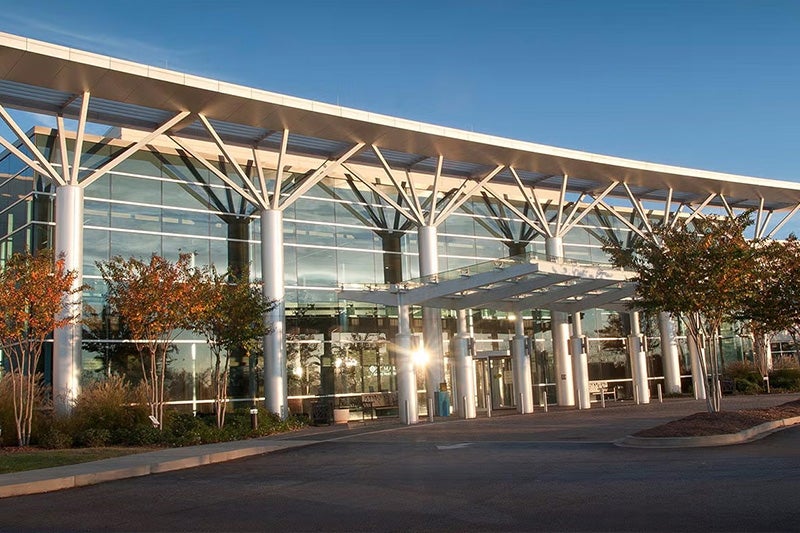
Speech therapy cognitive services at St. Mary's Health Care System are part of a coordinated rehabilitation network that brings together speech-language pathologists, occupational therapists, neurologists, rehabilitation specialists, primary care providers, caregivers, and specialty care teams throughout Northeast Georgia.
This collaborative approach helps ensure cognitive, communication, and functional goals are integrated into each patient's overall care plan.
By combining advanced rehabilitation techniques with compassionate, community-centered care, St. Mary's Health Care System helps patients feel supported, empowered, and confident throughout every stage of recovery.
St. Mary's Outpatient Rehabilitation
Good Samaritan Hospital Outpatient Rehabilitation
Sacred Heart Outpatient Rehabilitation
Frequently Asked Questions about Cognitive Therapy Techniques and Speech Therapy
Speech therapy cognitive techniques are specialized interventions designed to improve memory, attention, communication, problem-solving, and other cognitive skills that support daily functioning.
Children and adults experiencing cognitive challenges related to stroke, brain injury, neurological conditions, developmental delays, or communication disorders may benefit from therapy.
Yes. Speech-language pathologists use evidence-based memory strategies and cognitive exercises designed to improve recall and functional memory skills.
Cognitive-communication therapy focuses on the thinking skills that support communication, including memory, attention, problem-solving, organization, and information processing.
Yes. Cognitive-communication therapy is often an important part of stroke rehabilitation and may help improve both communication and cognitive functioning.
Executive functions are mental skills used for planning, organizing, decision-making, problem-solving, and managing daily tasks.
Yes. Children experiencing developmental delays or cognitive-communication challenges may benefit from speech-language therapy services.
Treatment length varies based on the individual's diagnosis, goals, progress, and overall rehabilitation needs.
Yes. Most patients receive personalized activities and strategies designed to reinforce progress between therapy sessions.
SLP stands for Speech-Language Pathologist, a healthcare professional who evaluates and treats speech, language, cognitive communication, and swallowing disorders.
Many insurance plans cover medically necessary speech-language pathology services. Coverage varies depending on the patient's insurance plan and treatment needs.
Related Locations
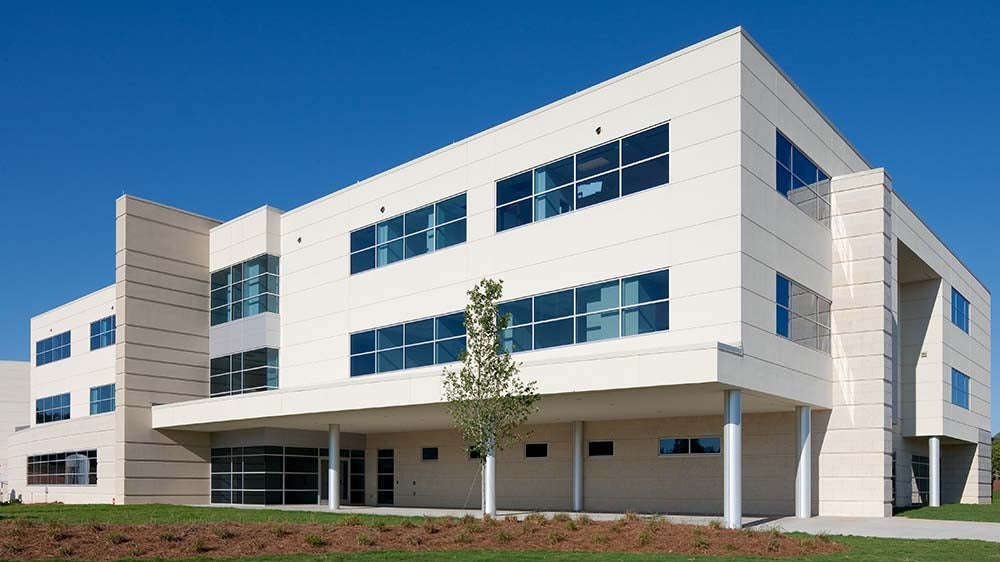
St. Mary's Sacred Heart Wellness Center
367 Clear Creek Parkway
Lavonia, GA 30553

St. Mary's Outpatient Rehab
2470 Daniells Bridge Road Building 300, 2nd Floor
Athens, GA 30606
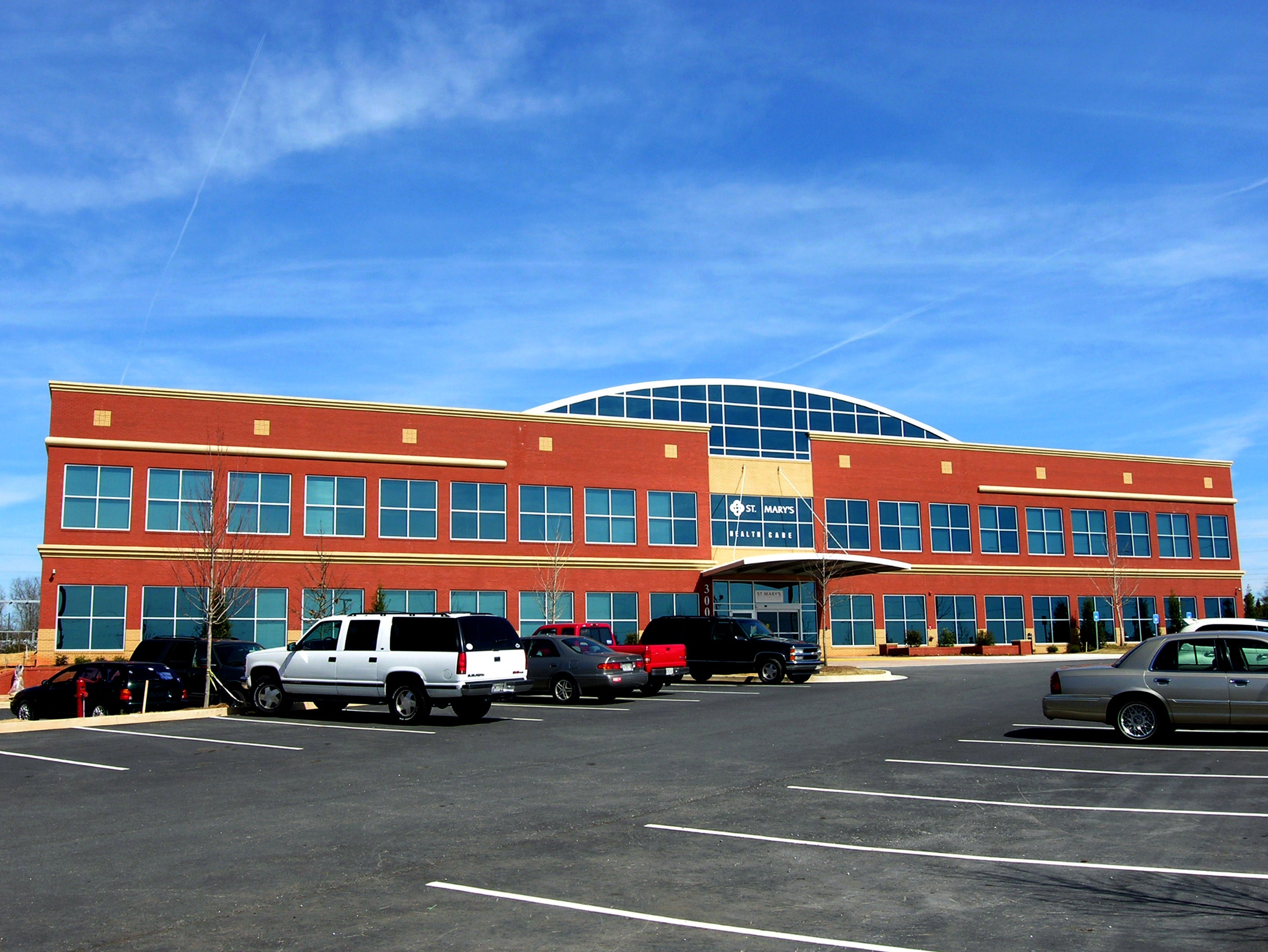
St. Mary's Wellness Center
2470 Daniells Bridge Road Building #300, 2nd floor
Athens, GA 30606
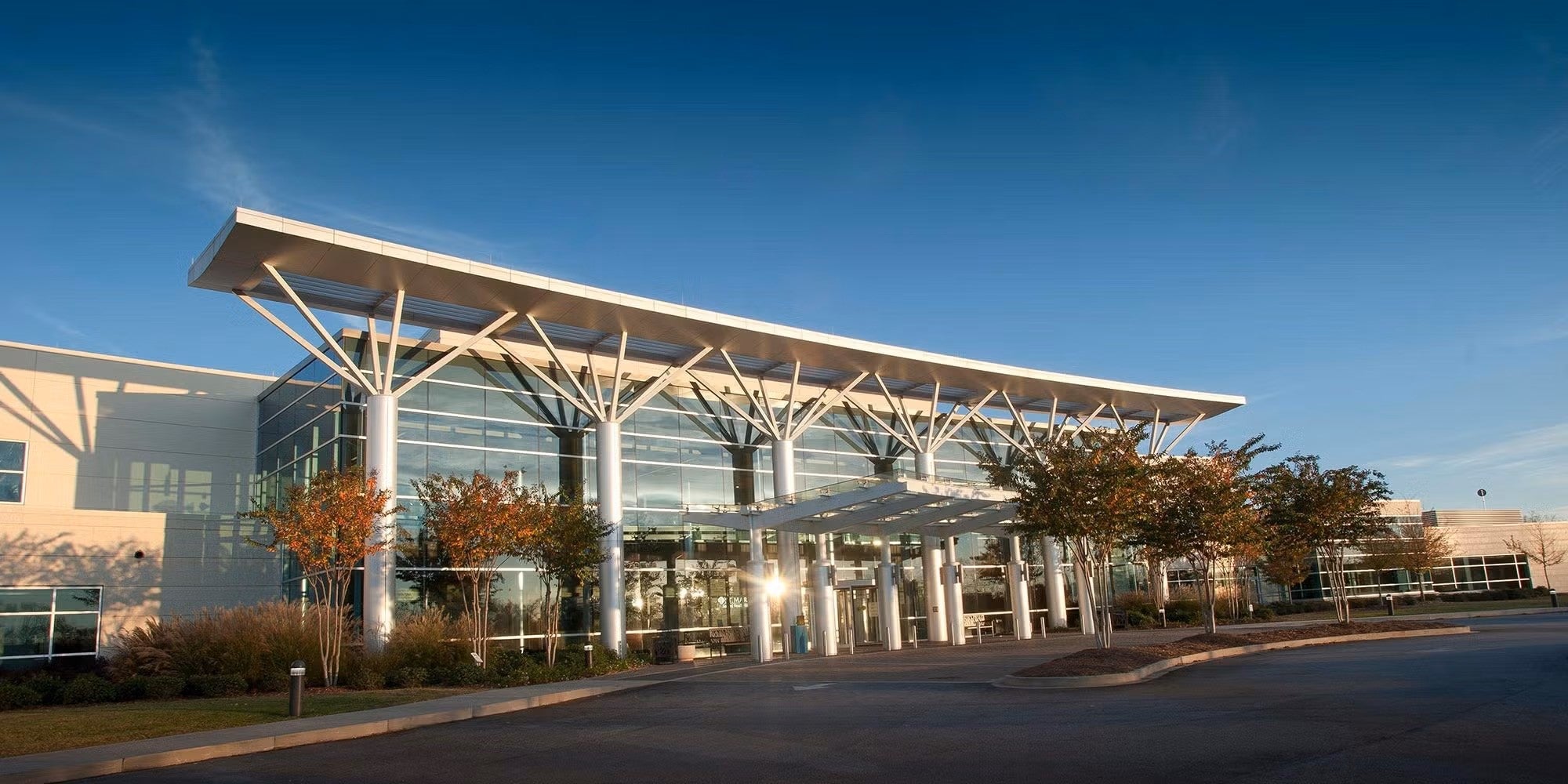
Sacred Heart Outpatient Rehabilitation
367 Clear Creek Parkway
Lavonia, GA 30553
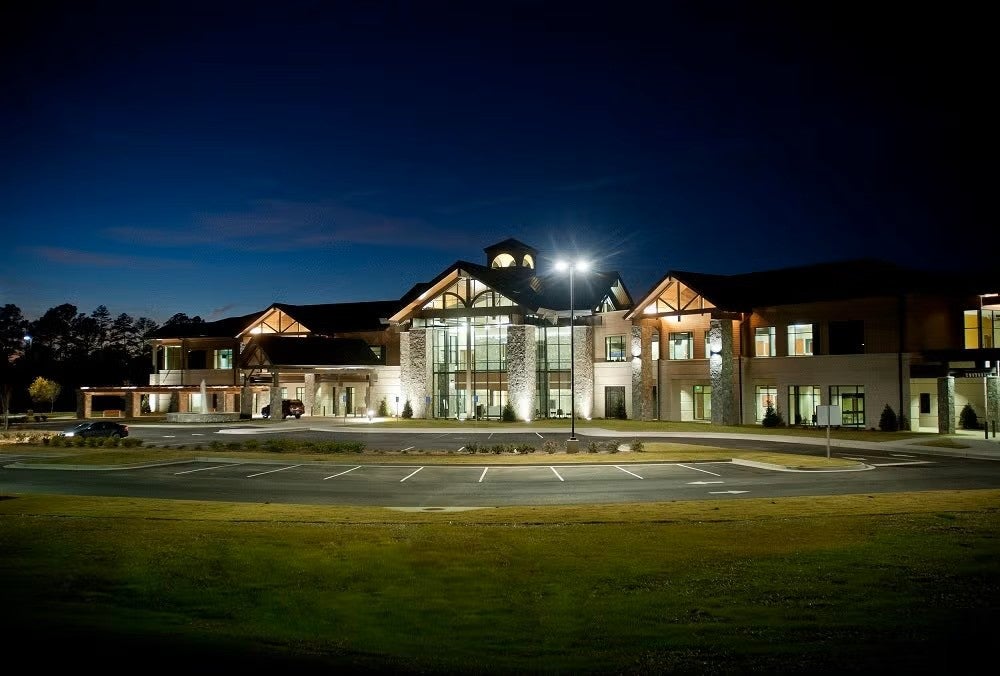
Good Samaritan Hospital Outpatient Rehabilitation
5401 Lake Oconee Parkway
Greensboro, GA 30642
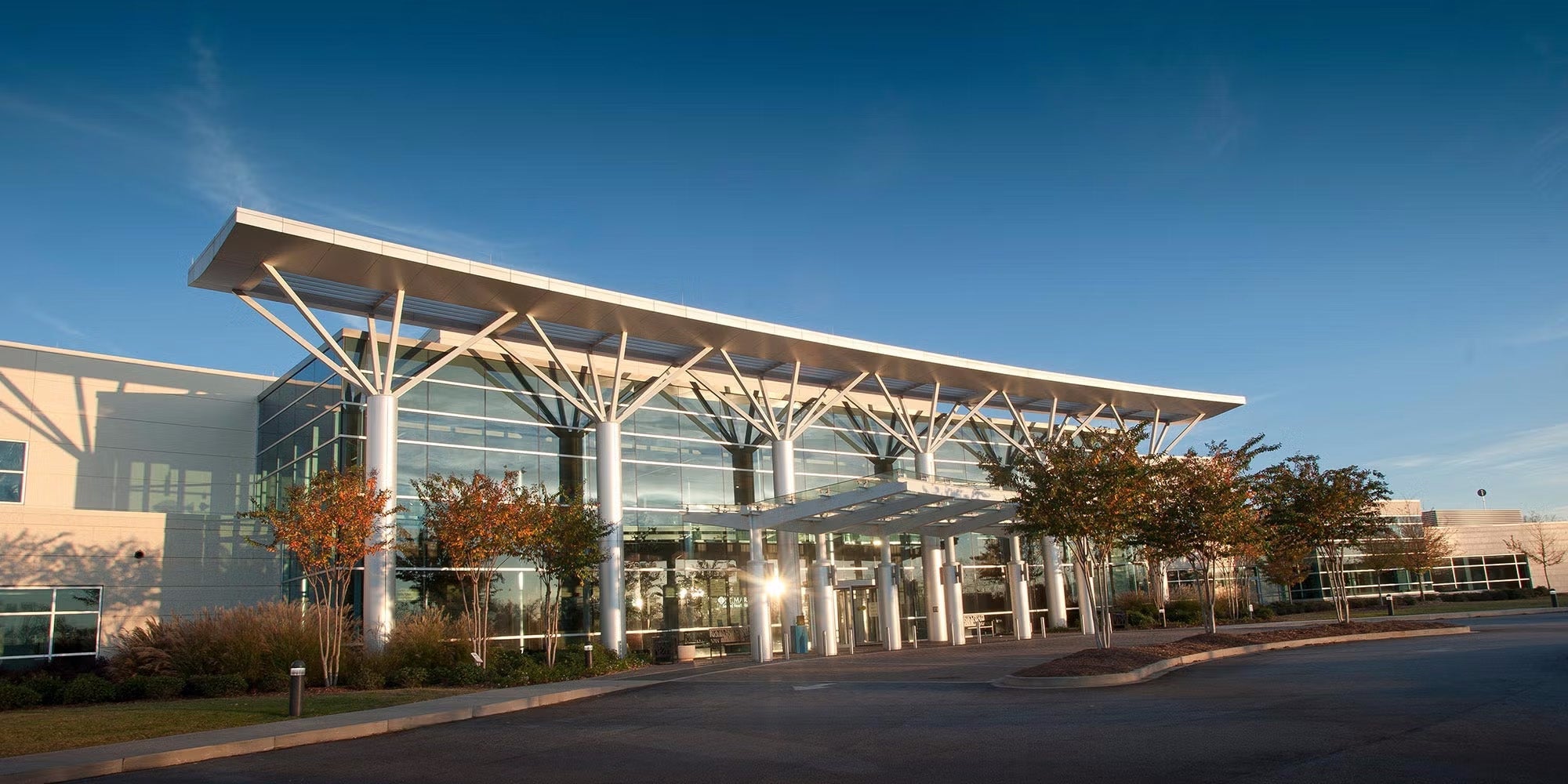
St. Mary's Sacred Heart Hospital
367 Clear Creek Pkwy
Lavonia, GA 30553