Occupational Therapy in Athens & Northeast Georgia for Daily Living Skills & Independence

Through individualized therapy plans, adaptive strategies, cognitive support, mobility training, and compassionate one-on-one care, Your St. Mary’s Care Team helps patients build the skills needed to improve safety, confidence, and quality of life. We proudly serve patients throughout Athens, Lavonia, Greensboro, Northeast Georgia, and surrounding communities with occupational therapy care tailored to each patient’s goals and recovery journey.

Compassionate occupational therapy focused on helping patients improve independence, safety, mobility, and confidence in everyday life across Northeast Georgia.


Athens Office Greensboro Office Lavonia Office

Occupational therapist assisting a patient with fine motor skill exercises.

What Is Occupational Therapy?

Occupational therapy (OT) helps patients improve the physical, cognitive, sensory, and functional skills needed for daily living activities, work tasks, mobility, communication, and overall independence. Occupational therapists focus on helping patients safely perform meaningful daily activities while improving comfort, coordination, mobility, and confidence.

Occupational therapy may help patients recovering from:

  • Stroke or neurological conditions
  • Orthopedic injuries or surgery
  • Arthritis and joint conditions
  • Traumatic brain injuries (TBI)
  • Developmental delays
  • Cognitive impairments
  • Balance and mobility challenges
  • Lymphedema
  • Functional decline after illness or hospitalization

At St. Mary’s Health Care System, occupational therapy supports both adult and pediatric patients through evidence-based rehabilitation techniques combined with compassionate, patient-centered care.

Personalized Occupational Therapy Focused on Everyday Function

At St. Mary’s Health Care System, occupational therapy is designed around the activities that matter most to each patient. Our therapists take time to understand individual routines, challenges, goals, home environments, and functional needs to create highly personalized care plans that support long-term independence.

Whether patients are recovering from surgery, managing neurological conditions, adapting to physical limitations, rebuilding cognitive skills, or helping a child reach developmental milestones, our rehabilitation specialists provide supportive care that encourages progress every step of the way.

Benefits of Occupational Therapy

Occupational therapy may help patients:

  • Improve independence
  • Restore functional movement
  • Improve coordination and strength
  • Increase safety during daily activities
  • Improve memory and cognitive function
  • Reduce fall risk
  • Improve confidence and quality of life
  • Adapt to physical limitations
  • Return to meaningful activities and routines

Our therapists focus on helping patients achieve practical, meaningful goals that improve day-to-day life and long-term wellness.

What to Expect Before, During, and After Occupational Therapy

Comprehensive Evaluation

Care begins with a detailed assessment focused on functional abilities, mobility, cognitive skills, self-care tasks, safety concerns, and recovery goals.

Personalized Therapy Planning

Your occupational therapist develops a customized treatment plan based on the patient’s daily routines, home environment, medical condition, and functional priorities.

One-on-One Therapy Sessions

Patients receive individualized therapy focused on strengthening functional skills, improving mobility, increasing independence, and building confidence during everyday activities.

Home & Lifestyle Strategies

Therapists provide exercises, adaptive strategies, and home recommendations designed to support progress outside therapy sessions.

Ongoing Progress Monitoring

Your St. Mary’s Care Team regularly reassesses patient progress while adjusting treatment plans to support continued improvement and long-term success.

Conditions Evaluated & Treated Through Occupational Therapy

Stroke & Neurological Rehabilitation

Stroke, traumatic brain injury, Parkinson’s disease, and neurological disorders may affect coordination, balance, memory, mobility, strength, and daily function. Occupational therapy helps patients improve independence while rebuilding functional skills needed for daily activities.

Therapy may include cognitive rehabilitation, adaptive techniques, upper extremity strengthening, fine motor coordination, and functional task training.

Orthopedic Injuries & Post-Surgical Recovery

Patients recovering after fractures, joint replacements, orthopedic surgery, or musculoskeletal injuries may experience pain, weakness, reduced mobility, or difficulty performing daily tasks.

Occupational therapy helps patients safely return to self-care routines, household activities, work responsibilities, and functional movement after surgery or injury.

Activities of Daily Living (ADLs)

Occupational therapy helps patients improve independence with activities of daily living (ADLs), including:

  • Dressing
  • Grooming
  • Bathing
  • Meal preparation
  • Household tasks
  • Mobility and transfers
  • Personal care routines

Therapists may recommend adaptive equipment, home modifications, or energy conservation strategies designed to improve safety and independence.

Cognitive & Memory Challenges

Cognitive impairments related to neurological conditions, injury, illness, aging, or mental health concerns may affect memory, organization, problem-solving, attention, and executive functioning.

Occupational therapists help patients develop routines, compensatory strategies, organizational systems, and practical tools to support daily independence.

Lymphedema & Swelling Management

Lymphedema can affect movement, comfort, skin health, and functional activities. Occupational therapy may include swelling management, compression education, therapeutic exercise, and mobility support.

Pediatric Developmental Delays

Children experiencing delays in motor skills, sensory processing, coordination, cognitive development, or self-care abilities may benefit from pediatric occupational therapy services focused on developmental progress and functional independence.

Occupational Therapy Services & Interventions

Dressing & Grooming Training

Occupational therapists help patients improve independence with dressing, grooming, and personal care activities through guided practice, strengthening exercises, adaptive equipment recommendations, and compensatory strategies.

Cooking & Meal Preparation Support

Therapy may include step-by-step meal preparation training, kitchen safety education, ergonomic strategies, and adaptive tools designed to improve independence and confidence in cooking tasks.

Bathing & Hygiene Safety

Occupational therapists help patients improve bathroom safety and hygiene routines through:

  • Shower and transfer training
  • Grab bar recommendations
  • Shower chair education
  • Fall prevention strategies
  • Adaptive bathing techniques

Household Management & Energy Conservation

Patients experiencing fatigue, weakness, pain, or mobility limitations may benefit from strategies that simplify tasks, conserve energy, and improve safety during household activities.

Mobility & Transfer Training

Therapy may focus on improving safe movement during:

  • Bed transfers
  • Chair transfers
  • Car transfers
  • Wheelchair mobility
  • Functional mobility throughout the home
  • Wheelchair Seating & Positioning

Occupational therapists help evaluate wheelchair positioning, seating systems, posture support, and mobility needs to improve comfort, function, and safety.

Cognitive & Memory Support Strategies

Therapists may introduce:

  • Reminder systems
  • Daily routines
  • Organizational tools
  • Visual schedules
  • Technology supports
  • Memory compensation strategies
  • Adaptive Equipment & Home Modifications

Occupational therapists help identify adaptive equipment and home modifications that improve accessibility, independence, and safety for daily living activities.


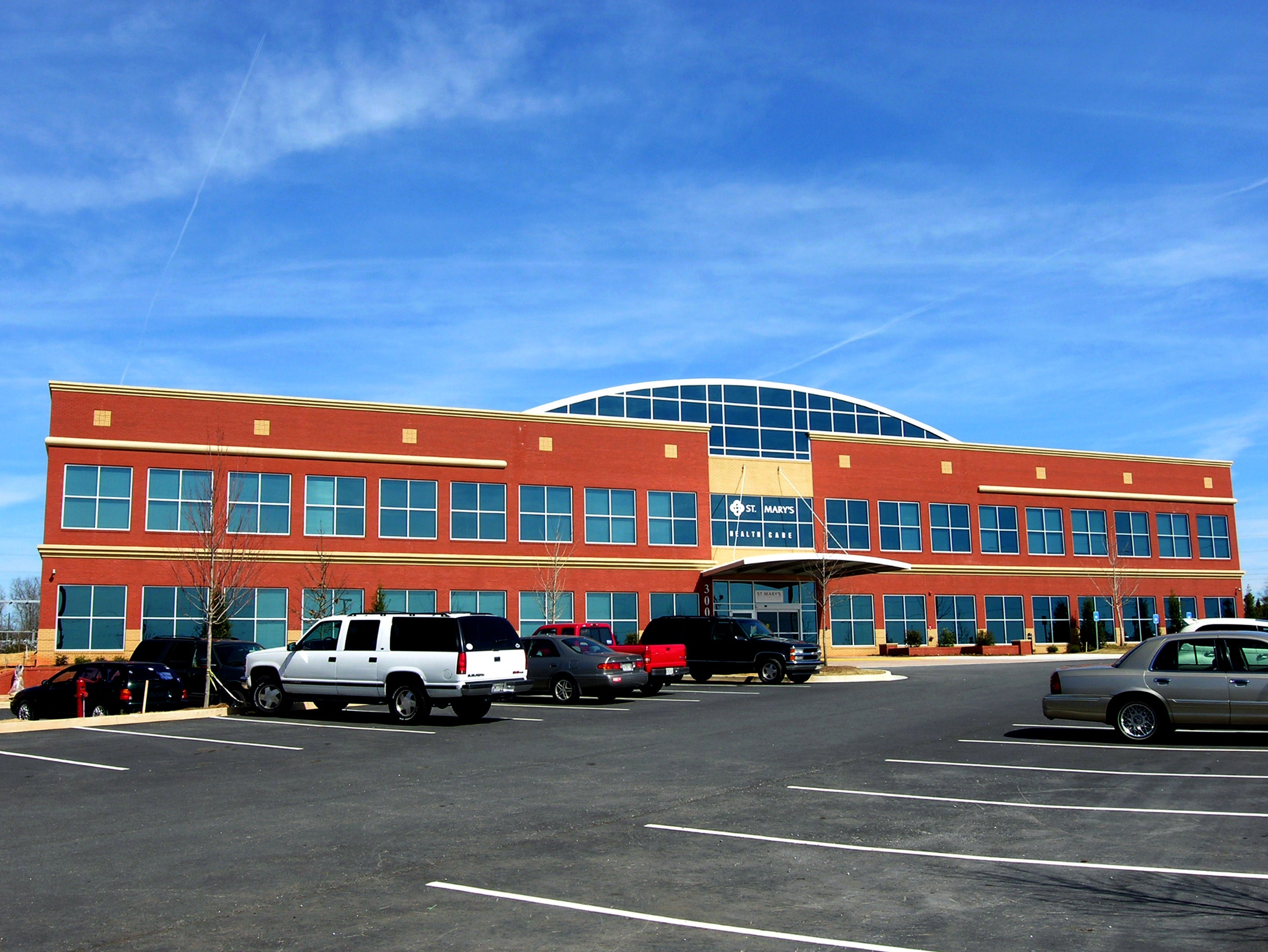
Exterior photo of Sacred Heart Hospital in Lavonia.

Compassionate Occupational Therapy, Treatment, and Care at St. Mary’s Health Care System

St. Mary’s Health Care System proudly provides occupational therapy services for patients throughout Athens, Lavonia, Greensboro, Northeast Georgia, and surrounding communities.

Our occupational therapists combine advanced rehabilitation techniques with attentive, personalized support focused on helping patients improve independence, restore confidence, and safely participate in everyday life. We are committed to delivering compassionate rehabilitation care close to home with a focus on dignity, encouragement, and long-term wellness.

Visit St. Mary's Outpatient Rehab

Visit Good Samaritan Hospital Outpatient Rehabilitation

Sacred Heart Outpatient Rehabilitation 

A Connected Approach to Occupational Therapy Care

Occupational therapy at St. Mary’s Health Care System is part of a coordinated rehabilitation network that brings together occupational therapists, physical therapists, speech-language pathologists, neurologists, orthopedic specialists, surgeons, imaging providers, primary care physicians, and rehabilitation professionals across Northeast Georgia.

This collaborative approach allows patients to receive seamless support throughout recovery, rehabilitation, mobility improvement, cognitive rehabilitation, and long-term wellness management.

By combining evidence-based rehabilitation techniques with compassionate, community-centered care, St. Mary’s Health Care System helps patients feel supported, encouraged, and empowered throughout every stage of therapy.

Frequently Asked Questions about Occupational Therapy

Occupational therapy helps patients improve the physical, cognitive, and functional skills needed for daily living activities, work tasks, mobility, and independence.

OT stands for occupational therapy.

Occupational therapy may help patients recovering from stroke, orthopedic injuries, surgery, neurological conditions, developmental delays, cognitive impairments, arthritis, lymphedema, and mobility limitations.

Activities of daily living (ADLs) include everyday tasks such as dressing, bathing, grooming, cooking, eating, and moving safely throughout the home.

Yes. Occupational therapy may help patients safely regain independence, mobility, and functional abilities after surgery or hospitalization.

Yes. Occupational therapists may help patients improve organization, routines, memory strategies, and cognitive functioning during daily activities.

Yes. Pediatric occupational therapy helps children improve developmental skills, sensory processing, coordination, self-care abilities, and functional independence.

Adaptive equipment includes tools or devices that help patients perform daily tasks more safely and independently.

Yes. St. Mary’s Health Care System provides individualized one-on-one occupational therapy sessions tailored to each patient’s needs and goals.

Many insurance plans cover medically necessary occupational therapy services. Coverage varies depending on the patient’s plan and treatment needs.

Therapy timelines vary based on the patient’s condition, goals, progress, and rehabilitation needs.