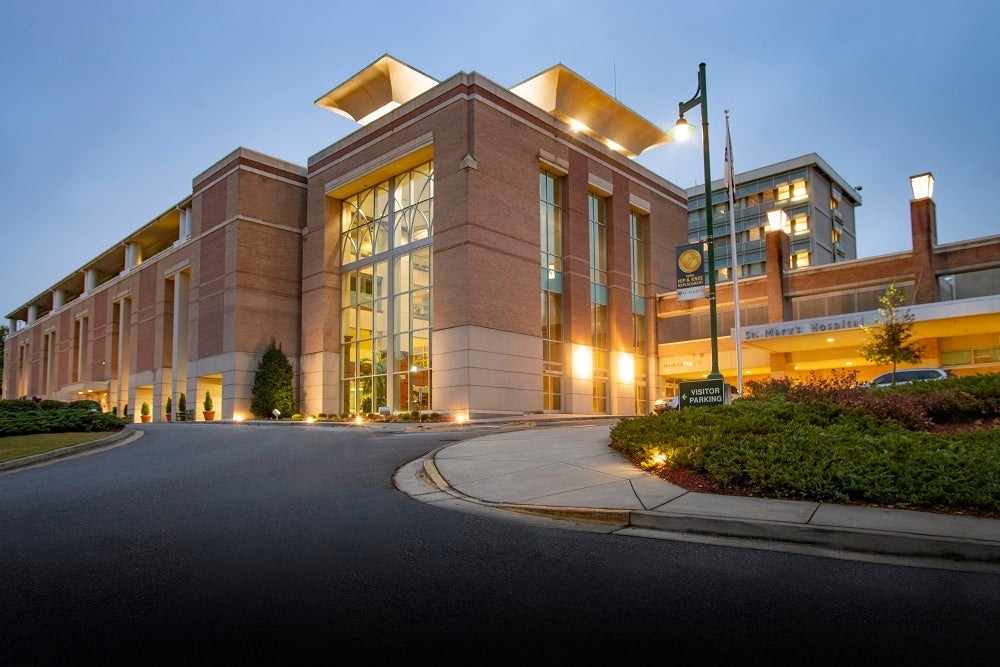
Rehabilitation for General Deconditioning & Weakness Recovery in Athens, GA
After illness, surgery, hospitalization, or extended inactivity, many patients experience weakness, fatigue, balance problems, and difficulty returning to normal daily activities. Even simple tasks such as walking, climbing stairs, bathing, or preparing meals may suddenly feel exhausting or overwhelming. At St. Mary’s Health Care System, our rehabilitation program for general deconditioning is designed to help patients safely rebuild physical strength, endurance, and independence through compassionate, individualized therapy care.
Personalized physical and occupational therapy support to help patients rebuild strength, endurance, mobility, and confidence across Northeast Georgia.
Athens Office Greensboro Office Lavonia Office
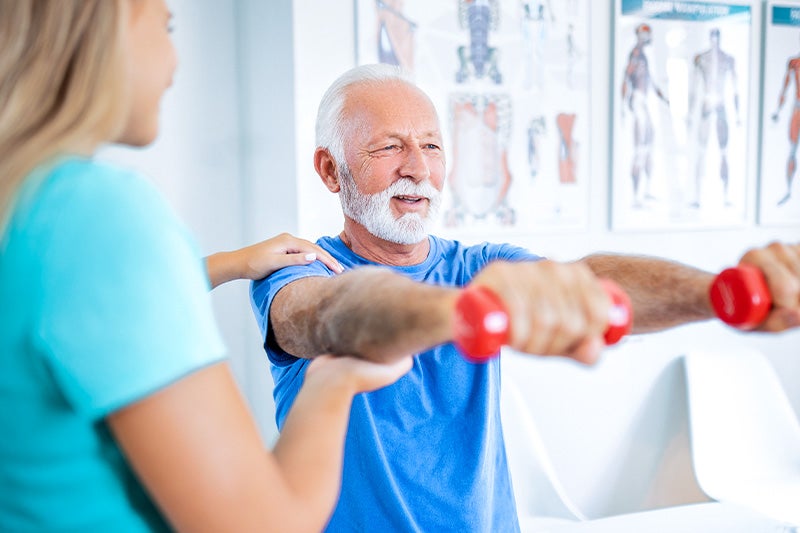
What Is General Deconditioning Rehabilitation?
General deconditioning refers to a decline in physical strength, endurance, balance, mobility, and overall functional ability that often occurs after illness, surgery, injury, hospitalization, or prolonged inactivity. Deconditioning can affect people of all ages and may develop gradually or suddenly, depending on the underlying medical condition.
Patients experiencing deconditioning may notice:
- Muscle weakness
- Fatigue
- Shortness of breath with activity
- Difficulty walking
- Reduced balance
- Decreased endurance
- Trouble performing daily tasks
- Reduced independence
At St. Mary’s Health Care System, rehabilitation for deconditioning focuses on helping patients safely rebuild physical capacity while improving mobility, confidence, and quality of life.
Learn More About: Physical Therapy Occupational Therapy Speech-Language Pathology Inpatient Rehabilitation Outpatient Rehabilitation
Why Rehabilitation for Deconditioning Matters
Without rehabilitation support, weakness and reduced endurance can increase the risk of falls, injury, hospital readmission, and long-term mobility limitations. Patients may also avoid activity because of fear, fatigue, or frustration, which can lead to further decline over time.
Rehabilitation can help:
- Improve strength and endurance
- Increase mobility and flexibility
- Improve balance and coordination
- Support safer movement
- Reduce fall risk
- Improve independence with daily activities
- Increase confidence and energy levels
- Support recovery after illness or surgery
At St. Mary’s Health Care System, we understand that recovery after illness or hospitalization can feel physically and emotionally challenging. Our therapy team provides compassionate encouragement focused on helping patients progress safely at their own pace.
Who Can Benefit From Rehabilitation for General Deconditioning?
Rehabilitation may benefit individuals recovering from:
- Hospitalization
- Surgery
- Serious illness or infection
- Extended bed rest
- Injury
- Neurological conditions
- Respiratory illness
- Chronic disease flare-ups
- Cancer treatment
- Falls or mobility decline
Patients experiencing:
- Weakness
- Fatigue
- Reduced endurance
- Difficulty walking
- Trouble completing daily activities
- Balance problems
- Loss of independence
May also benefit from therapy support.
Explore Fall Recovery & Rehabilitation
Our Approach to Rehabilitation for Deconditioning Rehabilitation
At St. Mary’s Health Care System, rehabilitation plans are individualized to each patient’s medical history, physical abilities, and recovery goals. Our physical therapists and occupational therapists work together to create structured therapy programs that support safe progression while helping patients regain strength and function.
Our approach emphasizes:
- Individually paced therapy plans
- One-on-one rehabilitation sessions
- Functional movement training
- Safe mobility progression
- Daily activity improvement
- Endurance and energy conservation strategies
- Compassionate encouragement and support
- Long-term wellness and independence
We focus on helping patients rebuild confidence while working toward meaningful improvements in daily life.
General Deconditioning Rehabilitation Techniques & Therapies
Strength Training
Therapy programs include targeted exercises designed to gradually improve muscle strength, stability, posture, and functional movement. Exercises are adjusted based on each patient’s condition and tolerance.
Endurance Rehabilitation
Patients recovering from illness or inactivity often experience fatigue with basic activity. Therapy focuses on gradually improving endurance and activity tolerance while supporting safe progression over time.
Balance & Mobility Training
Deconditioning may affect coordination, balance, and walking safety. Rehabilitation may include:
- Gait training
- Balance exercises
- Transfer training
- Walking support
- Stair navigation
- Fall prevention strategies
Explore Balance Therapy Services
Learn More about Vestibular & Vertigo Therapy
Activities of Daily Living (ADL) Training
Occupational therapy helps patients improve independence with important daily activities such as:
- Dressing
- Bathing
- Meal preparation
- Household tasks
- Personal care routines
- Community mobility
Therapists may recommend adaptive techniques or equipment that improve safety and reduce fatigue.
Functional Movement Training
Therapy focuses on helping patients safely perform real-world movements needed for daily life, including standing, walking, lifting, reaching, and transitioning between positions.
Energy Conservation Strategies
Patients recovering from illness or weakness may benefit from learning techniques that reduce fatigue and improve activity management throughout the day.
Conditions Evaluated and Treated with General Deconditioning Rehabilitation
Weakness After Hospitalization
Extended hospital stays can lead to significant muscle weakness and reduced mobility. Rehabilitation helps patients safely regain strength and independence after discharge.
Post-Surgical Weakness
Patients recovering from surgery often experience fatigue, limited mobility, and reduced endurance. Therapy supports safe recovery and gradual return to daily activities.
Learn More about Orthopedic Rehabilitation
Chronic Illness Recovery
Conditions such as heart disease, respiratory illness, neurological disorders, or chronic medical conditions may contribute to weakness and physical decline over time.
Neurological Conditions
Stroke, Parkinson’s disease, neuropathy, and other neurological conditions may affect strength, coordination, endurance, and balance.
Learn More about LSVT BIG & LOUD Therapy
Respiratory-Related Deconditioning
Patients recovering from respiratory illness may experience fatigue, shortness of breath, and reduced activity tolerance that benefit from structured rehabilitation support.
What to Expect During General Deconditioning Rehabilitation
Care begins with a comprehensive evaluation focused on strength, balance, endurance, mobility, safety concerns, and daily activity limitations.
Treatment plans may include:
- Physical and functional assessments
- Strength and endurance testing
- Balance and mobility evaluation
- Personalized rehabilitation planning
- Guided exercise and activity progression
- Home exercise recommendations
- Energy conservation education
- Ongoing progress monitoring
Therapy sessions progress gradually based on each patient’s comfort level, medical needs, and rehabilitation goals.
Recovery and Ongoing Care after General Deconditioning Rehabilitation
Recovery from deconditioning is often gradual and may continue beyond the initial phase of therapy. Ongoing exercise, movement, and wellness strategies can help patients maintain strength, endurance, and independence long-term.
Long-term rehabilitation support may include:
- Home exercise programs
- Strength progression
- Mobility maintenance
- Fall prevention education
- Endurance-building activities
- Adaptive equipment recommendations
- Wellness and activity guidance
Our rehabilitation team remains committed to helping patients regain confidence, improve function, and return to meaningful daily activities safely.
A Connected Approach to General Deconditioning Rehabilitation
Recovery from deconditioning often requires coordinated support across multiple specialties. St. Mary’s Health Care System provides integrated care through collaboration between rehabilitation therapists, physicians, surgical specialists, neurological providers, respiratory teams, imaging services, and primary care professionals.
This connected approach helps ensure patients receive comprehensive support for both physical recovery and long-term wellness.

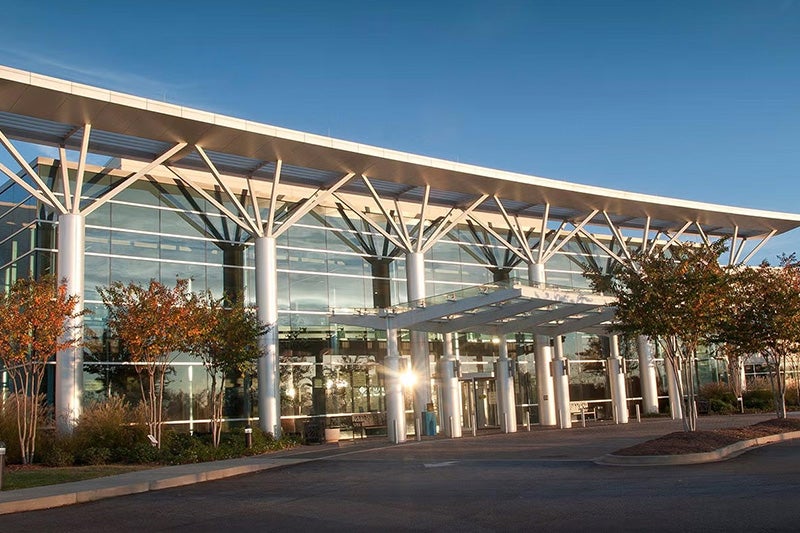
General Deconditioning Rehabilitation, Treatment, and Care at St. Mary’s Health Care System
St. Mary’s Health Care System proudly provides rehabilitation services for patients throughout Athens, GA, Northeast Georgia, Greensboro, Lavonia, and surrounding communities.
Our therapy team combines advanced rehabilitation techniques with compassionate, personalized care designed to help patients rebuild strength, restore mobility, and improve independence after illness, surgery, or physical decline. We are committed to supporting patients throughout every stage of recovery with high-level care and higher-level caring.
St. Mary's Outpatient Rehabilitation
Good Samaritan Hospital Outpatient Rehabilitation
Sacred Heart Outpatient Rehabilitation
Frequently Asked Questions about General Deconditioning Rehabilitation
General deconditioning is a decline in physical strength, endurance, mobility, and overall function that can occur after illness, surgery, hospitalization, or prolonged inactivity.
Rehabilitation for deconditioning often includes physical therapy and occupational therapy focused on strength, endurance, mobility, balance, and daily activity improvement.
Yes. Rehabilitation therapy can help patients rebuild strength, improve endurance, regain mobility, and safely return to daily activities after hospitalization.
Illness, surgery, bed rest, and inactivity can cause muscle loss, reduced endurance, and decreased mobility, which may lead to weakness and fatigue during recovery.
Endurance rehabilitation focuses on gradually improving activity tolerance, energy levels, and physical stamina during recovery.
Yes. Rehabilitation can improve strength, balance, coordination, and walking safety while helping patients reduce the risk of future falls.
Activities of daily living (ADLs) are routine tasks such as dressing, bathing, eating, cooking, and household activities. Occupational therapy helps patients improve independence with these tasks.
Recovery timelines vary depending on overall health, medical conditions, strength levels, and personal goals. Some patients improve within weeks, while others benefit from ongoing therapy support.
Patients should wear comfortable clothing that allows easy movement along with supportive footwear appropriate for exercise and mobility activities.
Yes. Rehabilitation may help improve endurance, strength, energy conservation, and overall activity tolerance over time.
Many insurance plans cover medically necessary rehabilitation services. Coverage varies by plan, and our care team can help patients better understand therapy and insurance options.
Related Locations
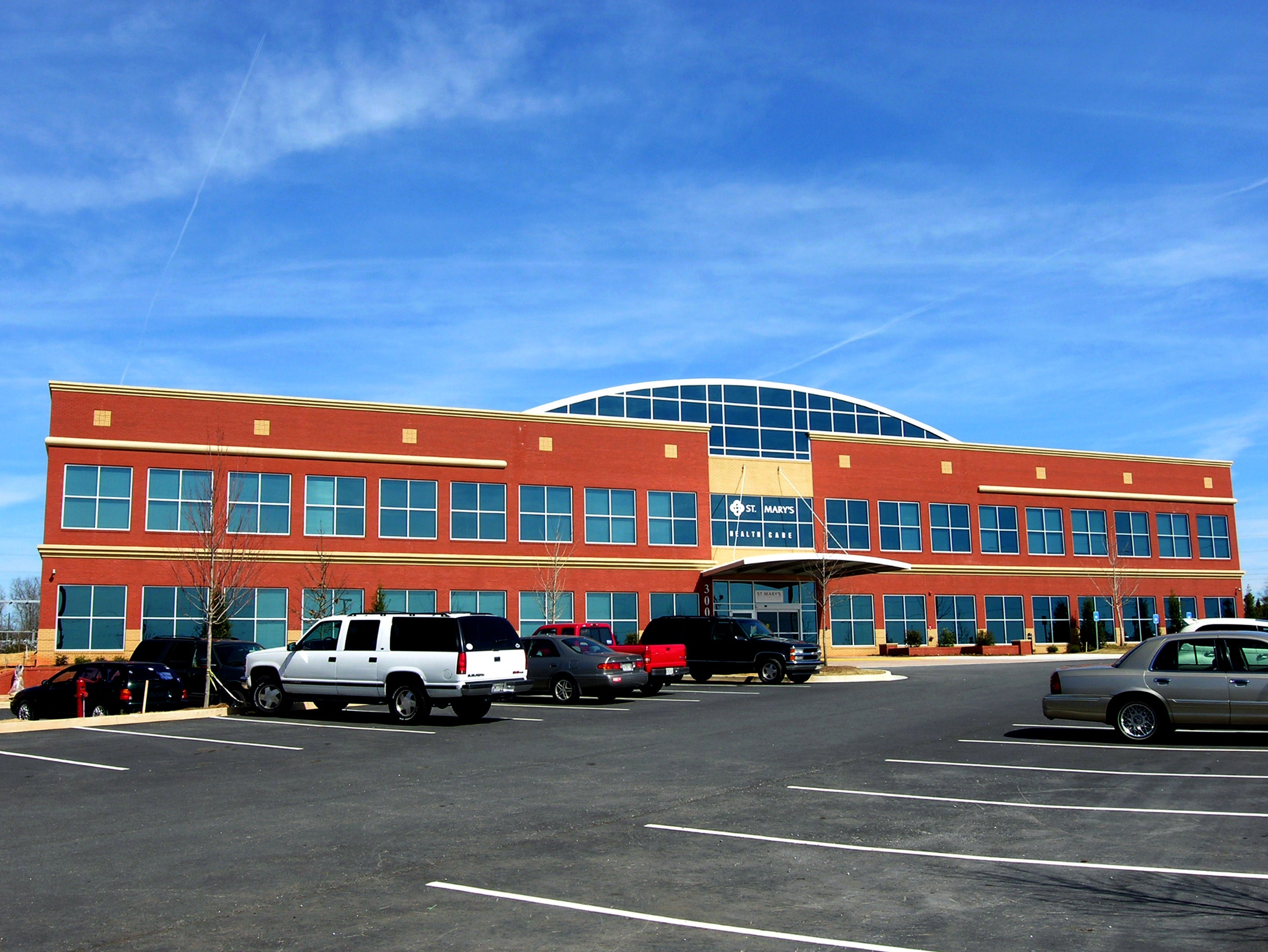
St. Mary's Wellness Center
2470 Daniells Bridge Road Building #300, 2nd floor
Athens, GA 30606
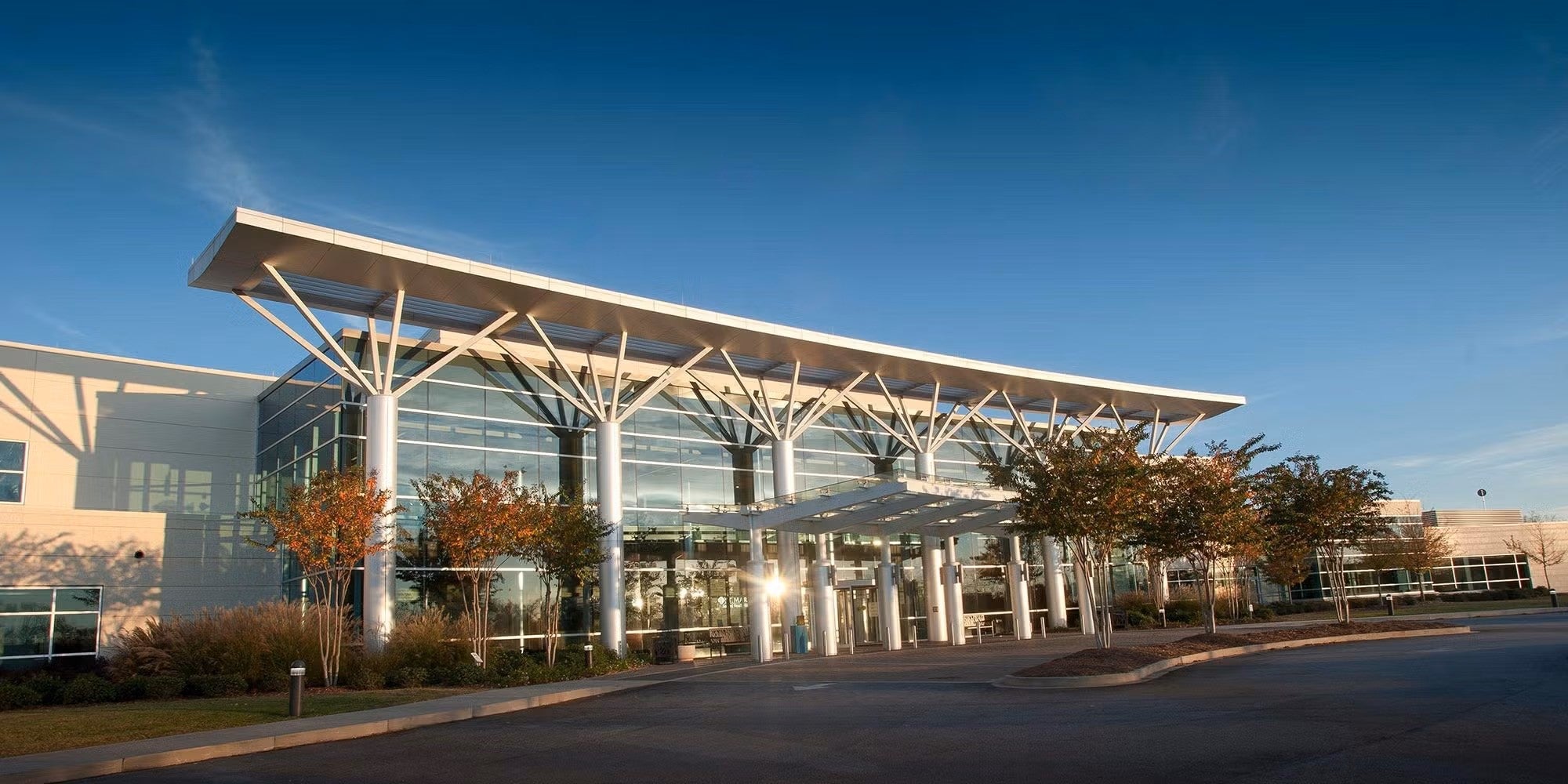
Sacred Heart Outpatient Rehabilitation
367 Clear Creek Parkway
Lavonia, GA 30553
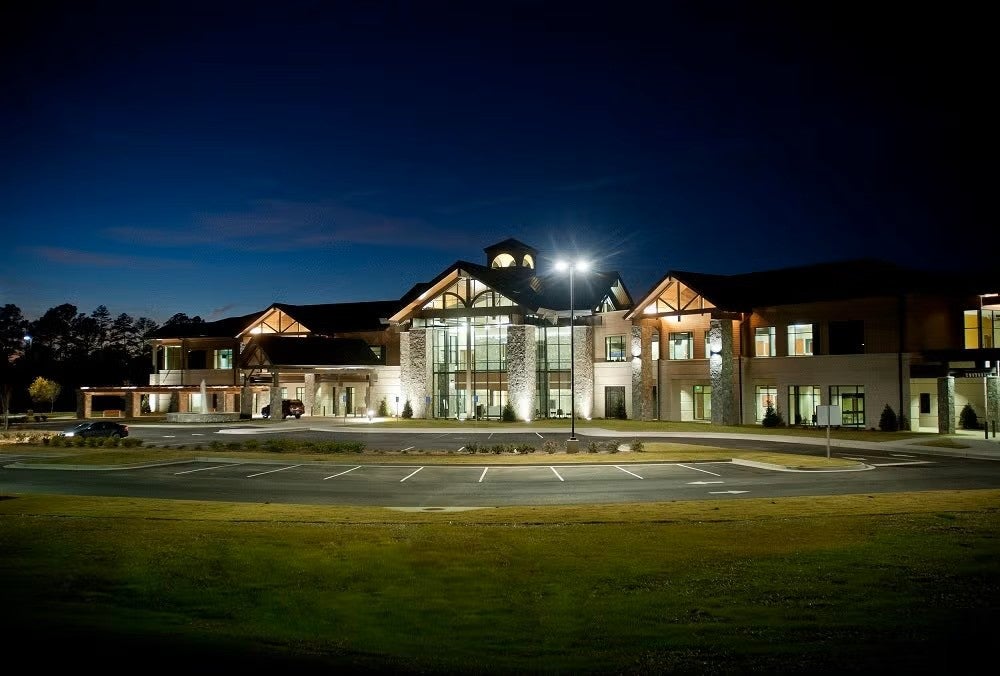
Good Samaritan Hospital Outpatient Rehabilitation
5401 Lake Oconee Parkway
Greensboro, GA 30642
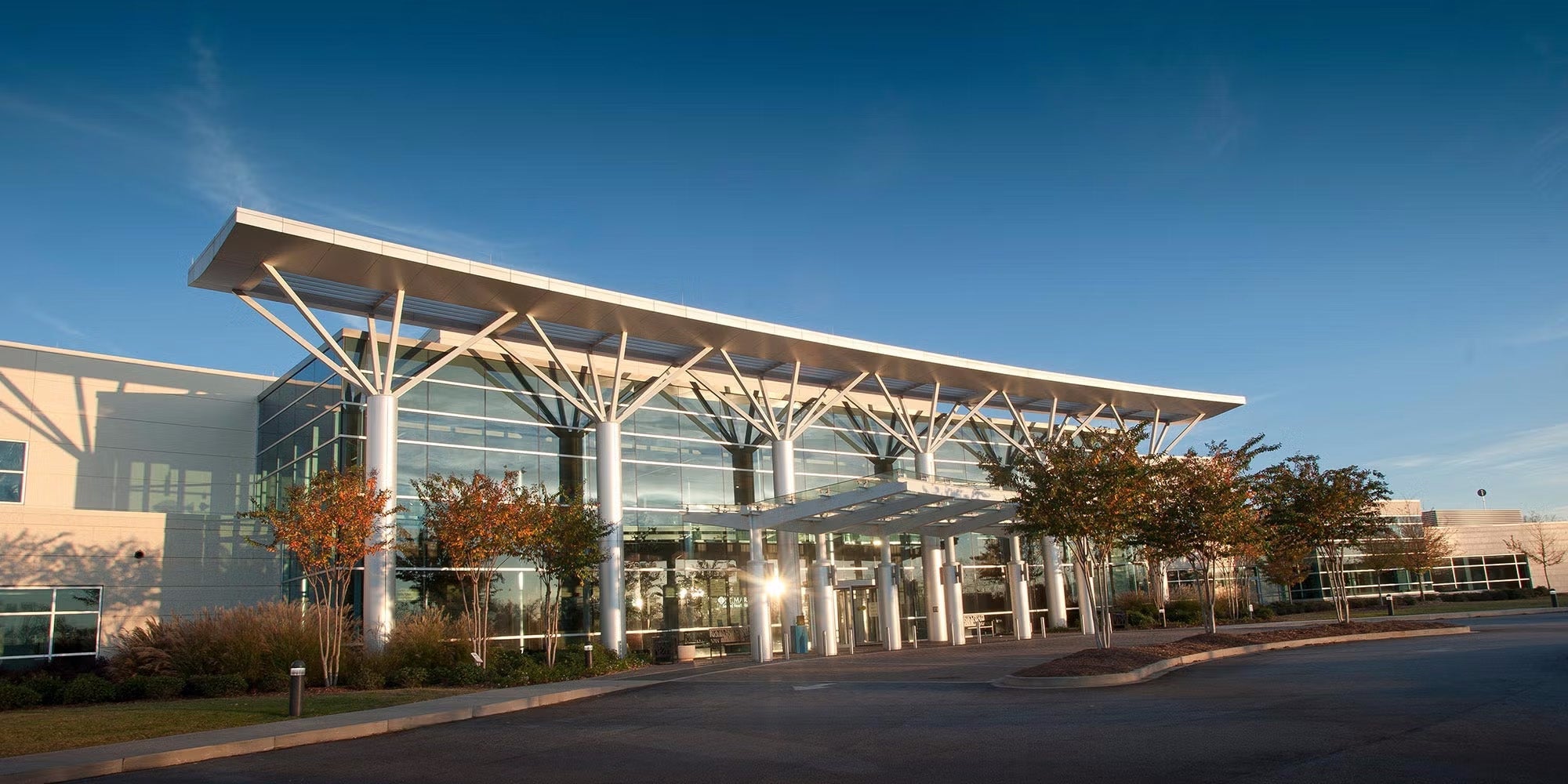
St. Mary's Sacred Heart Hospital
367 Clear Creek Pkwy
Lavonia, GA 30553
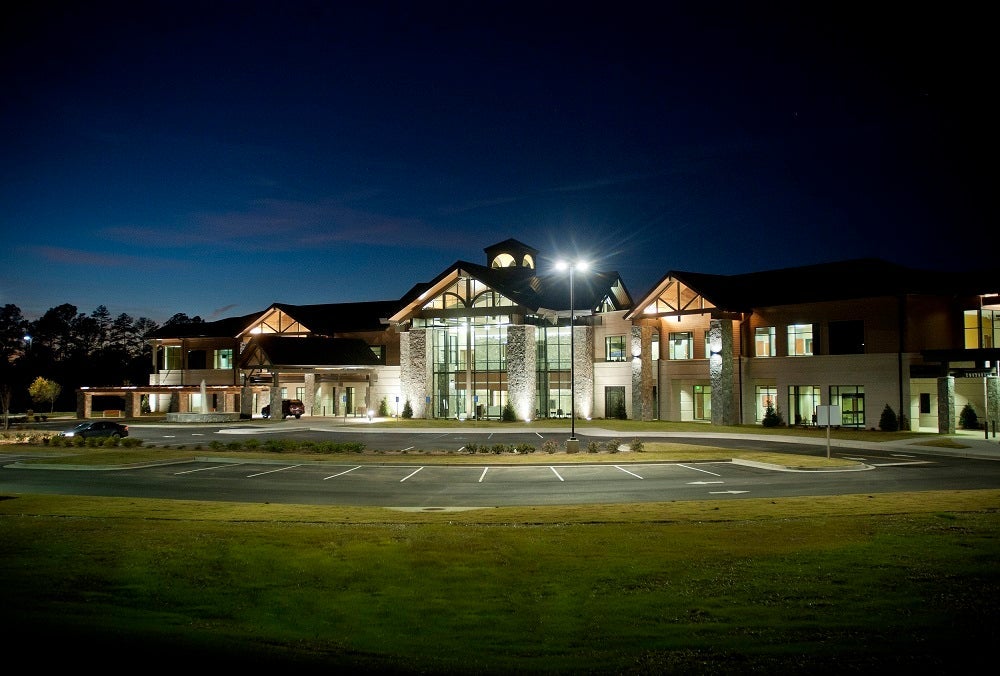
St. Mary's Good Samaritan Hospital
5401 Lake Oconee Parkway
Greensboro, GA 30642-4232