Lymphedema Therapy for Swelling Management & Mobility in Athens, GA
Lymphedema can cause persistent swelling, discomfort, heaviness, skin changes, and difficulty with movement that affect daily life and overall well-being. At St. Mary’s Health Care System, our lymphedema therapy program provides personalized rehabilitation designed to help patients manage swelling, improve mobility, reduce discomfort, and support long-term health through compassionate, evidence-based care.
Compassionate lymphedema therapy focused on reducing swelling, improving comfort, and supporting mobility and daily function across Northeast Georgia.
Athens Office Lavonia Office
What Is Lymphedema?
Lymphedema is swelling caused by a buildup of lymphatic fluid in the body’s tissues. It most commonly affects the arms or legs but may also occur in other parts of the body. Lymphedema can develop when the lymphatic system is damaged, blocked, or unable to properly drain fluid.
Lymphedema may occur as a result of:
- Cancer treatment or surgery
- Lymph node removal
- Radiation therapy
- Injury or trauma
- Infection
- Chronic venous conditions
- Congenital lymphatic disorders
- Certain medical conditions affecting circulation or lymph flow
Symptoms may include:
- Swelling
- Heaviness or tightness
- Reduced flexibility
- Skin changes
- Pain or discomfort
- Recurrent infections
- Difficulty with movement or daily activities
At St. Mary’s Health Care System, lymphedema therapy focuses on reducing swelling, improving drainage, protecting skin health, and supporting safe movement and independence.
Learn More About: Physical Therapy Occupational Therapy Speech-Language Pathology Inpatient Rehabilitation Outpatient Rehabilitation
How Lymphedema Therapy Supports Long-Term Health and Recovery
Without proper management, lymphedema may worsen over time and increase the risk of pain, skin breakdown, reduced mobility, and infection. Early treatment and ongoing care can help improve symptoms while supporting long-term lymphatic health.
Lymphedema therapy may help:
- Reduce swelling and fluid buildup
- Improve mobility and flexibility
- Relieve heaviness and discomfort
- Improve skin health
- Reduce infection risk
- Improve daily function
- Support circulation and lymphatic drainage
- Increase confidence and quality of life
At St. Mary’s Health Care System, we understand that chronic swelling and mobility changes can feel physically and emotionally frustrating. Our therapy team provides supportive care focused on helping patients manage symptoms safely and effectively.
Who Can Benefit From Lymphedema Therapy?
Lymphedema therapy may benefit individuals experiencing:
- Arm or leg swelling
- Swelling after cancer treatment
- Fluid retention
- Tightness or heaviness in the limbs
- Reduced flexibility due to swelling
- Skin changes related to swelling
- Recurrent skin infections
- Pain or discomfort related to lymphedema
- Mobility limitations caused by swelling
Patients recovering after surgery, cancer treatment, injury, or chronic medical conditions may also benefit from lymphedema rehabilitation support.
Learn More about Post-Surgical Rehabilitation & Recovery
Learn More About: Physical Therapy Services, Occupational Therapy Services
Our Approach to Lymphedema Therapy
At St. Mary’s Health Care System, lymphedema therapy is individualized to each patient’s symptoms, medical history, lifestyle, and treatment goals. Our rehabilitation specialists focus on helping patients safely manage swelling while improving comfort, mobility, and confidence in daily life.
Our approach emphasizes:
- Personalized treatment planning
- Swelling reduction strategies
- Functional mobility improvement
- Skin protection and education
- Long-term symptom management
- Patient and caregiver education
- Compassionate, supportive care
- Long-term wellness and prevention strategies
We focus on helping patients feel empowered with practical tools and support for managing lymphedema safely at home and during daily activities.
Lymphedema Therapy Techniques & Treatments
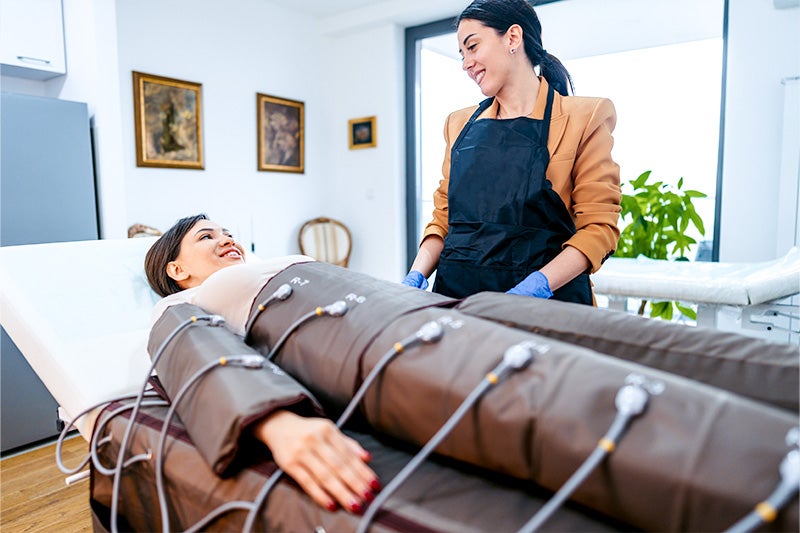
Manual lymph drainage is a gentle hands-on therapy technique designed to encourage lymphatic fluid movement and improve drainage patterns within the body.
Therapists use specialized massage techniques to help:
- Reduce swelling
- Encourage fluid movement
- Improve comfort
- Support circulation
Compression garments, wraps, or bandaging may help reduce swelling and prevent fluid buildup. Therapists provide education on proper use, fit, and long-term management strategies.
Targeted movement and exercise programs may help improve:
- Circulation
- Flexibility
- Strength
- Functional mobility
- Lymphatic flow
Exercise programs are tailored to each patient’s abilities and medical condition.
Lymphedema can increase the risk of skin irritation and infection. Therapy includes education focused on:
- Skin protection
- Hygiene practices
- Infection prevention strategies
- Monitoring for complications
Occupational and physical therapy may help patients safely improve mobility and daily activities affected by swelling, discomfort, or reduced movement.
Conditions Evaluated and Treated with Lymphadema Therapy
Lymphedema commonly develops after cancer surgery or radiation therapy involving lymph node removal or damage.
Some patients experience persistent swelling after orthopedic procedures, vascular surgery, or other surgical treatments that affect lymphatic drainage.
Patients with chronic swelling conditions may benefit from long-term rehabilitation support focused on symptom management and mobility improvement.
Swelling can interfere with walking, reaching, dressing, exercise, and daily activities. Rehabilitation helps improve safe movement and functional independence.
What to Expect During Lymphedema Therapy
Care begins with a comprehensive evaluation focused on swelling severity, skin condition, mobility, daily function, and treatment goals.
Treatment plans may include:
- Swelling and mobility assessment
- Skin health evaluation
- Manual lymph drainage therapy
- Compression therapy education
- Therapeutic exercises
- Functional activity training
- Home management recommendations
- Ongoing progress monitoring
Therapy plans are adjusted over time based on patient progress, comfort, and long-term management needs.
Recovery and Ongoing Care after Lymphedema Therapy
Lymphedema is often a chronic condition that requires ongoing management. Consistent therapy participation, compression use, exercise, and self-care strategies can help patients maintain symptom control and improve quality of life.
Long-term support may include:
- Home lymphatic exercises
- Compression garment use
- Skin care routines
- Infection prevention education
- Swelling monitoring
- Functional mobility maintenance
- Ongoing rehabilitation support
Our rehabilitation team remains focused on helping patients safely manage symptoms while supporting long-term wellness and independence.
A Connected Approach to Lymphedema Therapy and Care
Lymphedema therapy is often part of a broader medical and rehabilitation care plan. St. Mary’s Health Care System provides coordinated support through collaboration between rehabilitation therapists, oncology specialists, surgical teams, imaging providers, primary care physicians, and other healthcare professionals involved in patient care.
This connected approach helps ensure patients receive comprehensive support for both symptom management and long-term health needs.

Lymphedema Therapy Treatment at St. Mary’s Health Care System
St. Mary’s Health Care System proudly provides lymphedema therapy services for patients throughout Athens, GA, Northeast Georgia, Greensboro, Lavonia, and surrounding communities.
Our rehabilitation team combines advanced lymphedema management techniques with compassionate, individualized support designed to help patients reduce swelling, improve mobility, and maintain long-term wellness. We are committed to helping patients feel informed, supported, and empowered throughout every stage of care.
St. Mary's Outpatient Rehabilitation
Good Samaritan Hospital Outpatient Rehabilitation
Sacred Heart Outpatient Rehabilitation
Frequently Asked Questions about Lymphedema Therapy
Lymphedema is swelling caused by a buildup of lymphatic fluid in the tissues due to problems with lymphatic drainage or lymph node function.
Lymphedema may develop after cancer treatment, surgery, radiation therapy, injury, infection, or conditions that affect the lymphatic system.
Manual lymph drainage (MLD) is a gentle therapy technique that encourages lymphatic fluid movement and helps reduce swelling.
Lymphedema is often a long-term condition, but therapy and ongoing management strategies can help reduce symptoms and improve quality of life.
Compression therapy uses garments, wraps, or bandages to help reduce swelling and prevent fluid buildup in affected areas.
Yes. Targeted exercises may help improve circulation, flexibility, mobility, and lymphatic flow when performed safely and consistently.
Lymphedema can increase the risk of skin irritation and infection. Proper skin care helps protect the affected area and reduce complications.
Yes. Swelling, heaviness, and discomfort may interfere with walking, reaching, exercise, and daily activities.
Lymphedema therapy techniques are generally gentle and focused on improving comfort while reducing swelling and tension.
Treatment timelines vary depending on the severity of swelling, underlying medical conditions, and long-term management needs.
Many insurance plans cover medically necessary lymphedema therapy services. Coverage varies by provider and treatment plan.
Related Locations
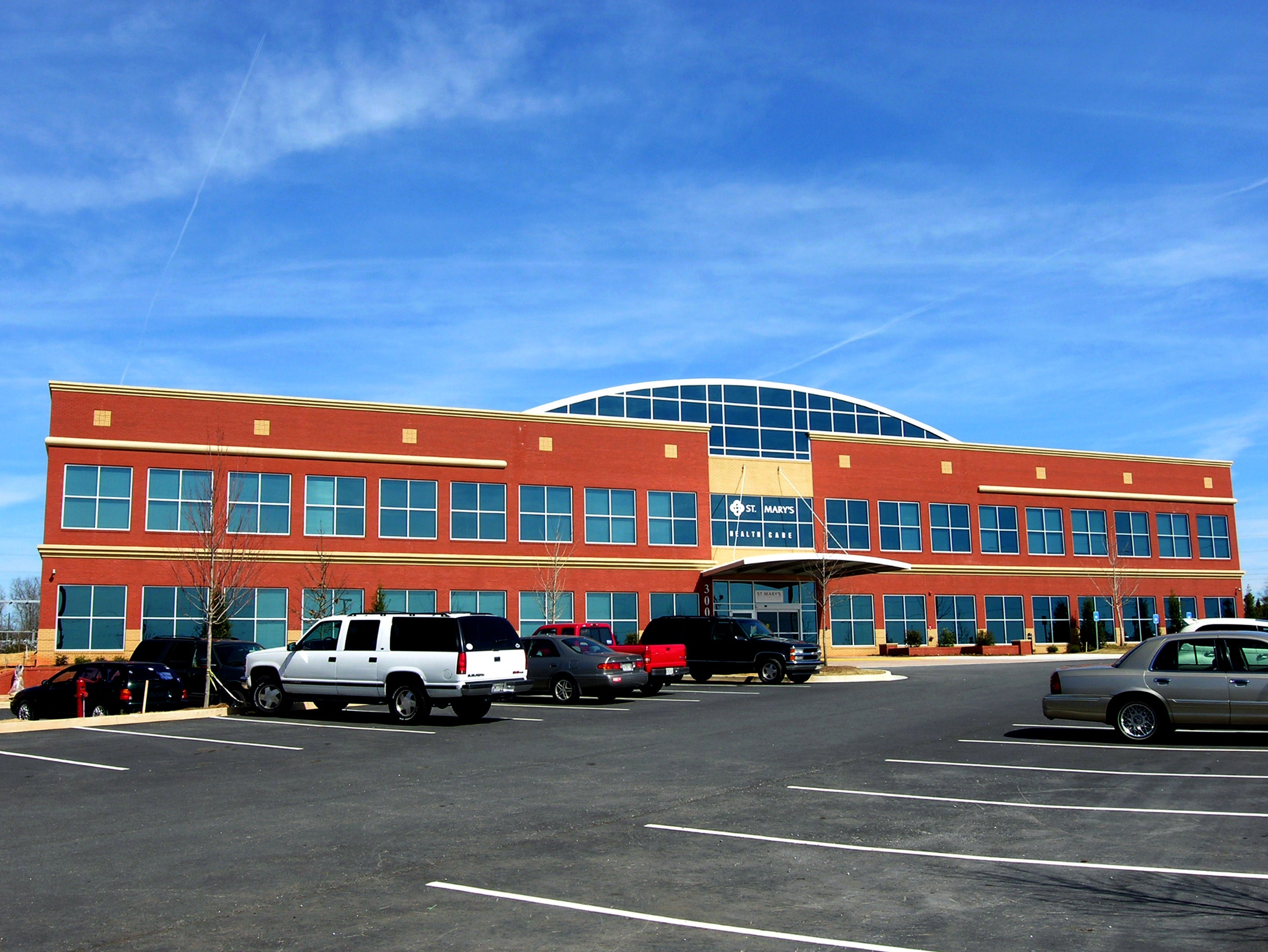
St. Mary's Wellness Center
2470 Daniells Bridge Road Building #300, 2nd floor
Athens, GA 30606
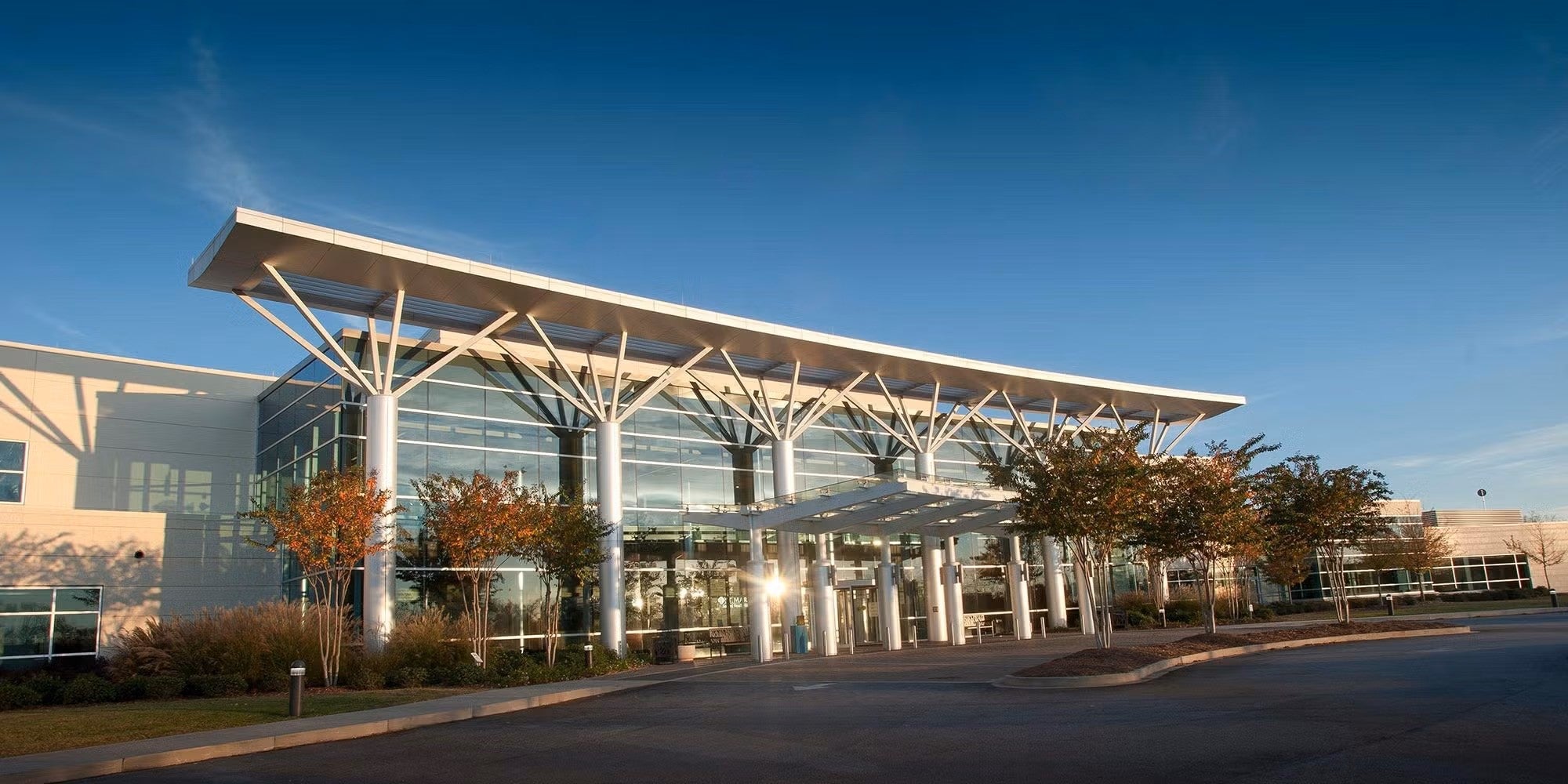
Sacred Heart Outpatient Rehabilitation
367 Clear Creek Parkway
Lavonia, GA 30553

Good Samaritan Hospital Outpatient Rehabilitation
5401 Lake Oconee Parkway
Greensboro, GA 30642
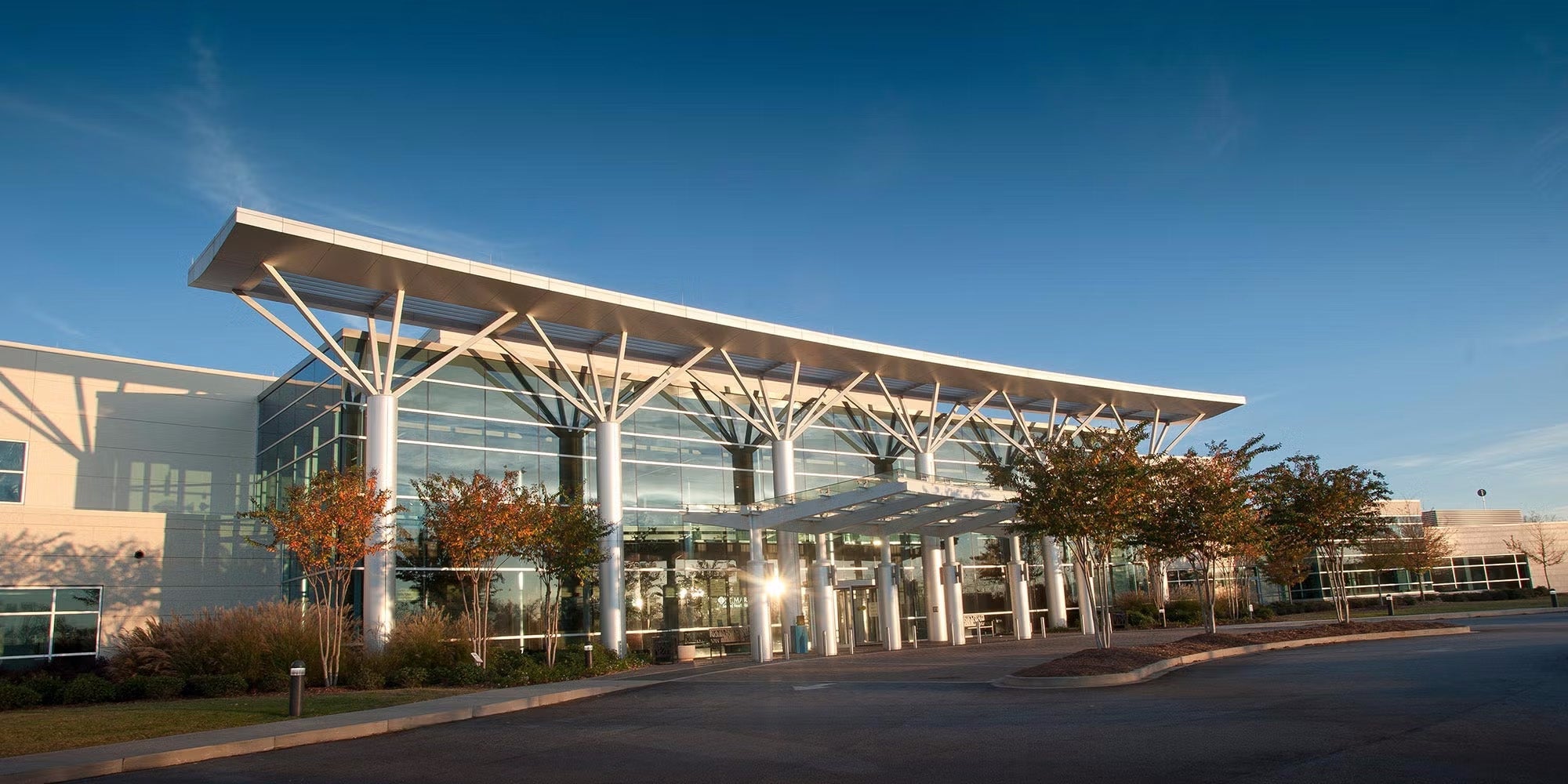
St. Mary's Sacred Heart Hospital
367 Clear Creek Pkwy
Lavonia, GA 30553

St. Mary's Good Samaritan Hospital
5401 Lake Oconee Parkway
Greensboro, GA 30642-4232