Speech-Language Pathology in Athens & Northeast Georgia for Communication, Cognition & Swallowing
Your St. Mary’s Care Team works closely with each patient and family to create individualized treatment plans tailored to communication goals, cognitive needs, swallowing concerns, and overall quality of life. We proudly provide speech-language pathology services for adults and pediatric patients throughout Athens, Lavonia, Greensboro, Northeast Georgia, and surrounding communities.
Compassionate speech-language pathology services focused on improving communication, cognitive function, voice, and swallowing across Northeast Georgia.
Athens Office Greensboro Office Lavonia Office

What Is Speech-Language Pathology?
Speech-Language Pathology for Communication, Cognitive & Swallowing Support
Speech-language pathology (SLP) helps patients improve speech, language, communication, cognition, voice function, and swallowing abilities affected by illness, injury, neurological conditions, developmental delays, surgery, or medical treatments.
Speech-language pathologists evaluate and treat conditions affecting:
- Speech clarity
- Language understanding and expression
- Fluency and stuttering
- Cognitive communication skills
- Memory and problem-solving
- Voice quality and vocal strength
- Swallowing safety
- Alternative communication needs
At St. Mary’s Health Care System, speech-language pathology services support both adult and pediatric patients through personalized rehabilitation plans focused on improving function, independence, and quality of life.
Learn More About: Physical Therapy Occupational Therapy Inpatient Rehabilitation Outpatient Rehabilitation
Personalized Speech & Communication Therapy Focused on Meaningful Progress
At St. Mary’s Health Care System, speech-language pathology care is designed around the individual needs, goals, and daily challenges of each patient. Our therapists understand that communication and swallowing difficulties can feel frustrating, isolating, and emotionally overwhelming.
Through attentive one-on-one therapy, evidence-based rehabilitation strategies, and supportive patient education, we help individuals strengthen communication skills, improve speech clarity, increase swallowing safety, and build confidence throughout the rehabilitation process.
Benefits of Speech-Language Pathology
Speech-language pathology services may help patients:
- Improve speech clarity
- Strengthen communication skills
- Improve swallowing safety
- Increase vocal strength
- Improve memory and cognitive communication
- Reduce frustration during communication
- Improve social interaction and confidence
- Support safer eating and drinking
- Improve independence and quality of life
Our speech-language pathologists focus on helping patients achieve meaningful improvements that support everyday communication, safety, and overall well-being.
What to Expect Before, During, and After Speech-Language Pathology Care
Comprehensive Speech & Swallowing Evaluation
Care begins with a detailed assessment focused on communication skills, cognitive abilities, speech clarity, swallowing safety, voice quality, and treatment goals.
Personalized Therapy Planning
Your speech-language pathologist creates an individualized treatment plan based on the patient’s condition, daily communication needs, medical history, and recovery goals.
One-on-One Therapy Sessions
Patients receive individualized therapy focused on improving communication, cognition, swallowing safety, speech production, and voice function.
Home Practice & Caregiver Education
Patients and caregivers receive exercises, communication strategies, and supportive education designed to reinforce progress outside therapy sessions.
Ongoing Progress Monitoring
Your St. Mary’s Care Team regularly monitors progress while adjusting therapy plans to support continued improvement and long-term success.
Conditions Evaluated & Treated Through Speech-Language Pathology
Speech Disorders
Speech disorders may affect sound production, speech clarity, pronunciation, fluency, and communication confidence. Speech-language therapy helps patients improve articulation, speaking patterns, and overall communication effectiveness.
Speech therapy may help patients experiencing:
- Articulation difficulties
- Stuttering or fluency disorders
- Speech delays
- Voice strain
- Reduced vocal clarity
Learn More about Articulation Therapy Services
Explore Fluency Therapy Techniques
Swallowing Disorders (Dysphagia)
Dysphagia is difficulty swallowing that may occur after neurological conditions, surgery, illness, cancer treatment, or other medical conditions affecting the muscles involved in swallowing.
Speech-language pathologists evaluate swallowing safety while helping patients improve:
- Swallowing strength
- Muscle coordination
- Airway protection
- Safe eating and drinking habits
Therapy may also include diet texture recommendations and swallowing strategies designed to reduce choking risk and improve nutrition.
Learn More about Swallowing & Dysphagia Therapy
Cognitive Communication Disorders
Neurological conditions, stroke, traumatic brain injury, cognitive decline, or medical illness may affect memory, attention, problem-solving, organization, language processing, and communication skills.
Speech-language pathology services help patients strengthen cognitive communication abilities needed for daily life, work, relationships, and independence.
Explore Cognitive Rehabilitation Therapy Services
Read More about Cognitive Therapy Techniques for Speech Delay Techniques
Learn More about Neurological & Stroke Rehabilitation
Stroke & Neurological Rehabilitation
Stroke, Parkinson’s disease, traumatic brain injuries, and neurological conditions may affect communication, speech clarity, swallowing, cognition, and voice function.
Speech-language pathology services help patients improve communication skills while supporting long-term neurological rehabilitation and daily independence.
Explore Neurological & Stroke Rehabilitation Services
Read More about LSVT BIG & LOUD Therapy
Head, Neck & Throat Cancer Rehabilitation
Patients recovering from head, neck, and throat cancer (HNC), radiation therapy, or surgery may experience speech, voice, swallowing, or communication difficulties.
Speech-language pathologists help patients improve swallowing safety, strengthen communication skills, and support recovery during and after cancer treatment.
Learn More about Swallowing & Dysphagia Therapy
Explore Voice Therapy Services
Pediatric Speech & Language Delays
Children experiencing communication delays, speech difficulties, language disorders, articulation concerns, or developmental challenges may benefit from pediatric speech-language pathology services focused on building communication skills and confidence.
Read More about Developmental Milestone Delay Therapy
Speech-Language Pathology Services & Interventions
Articulation Therapy
Articulation therapy helps patients improve speech clarity and sound production while strengthening communication confidence.
Learn More about Articulation Therapy
Fluency Therapy
Fluency therapy helps patients manage stuttering and improve speech flow, pacing, and communication comfort.
Explore Fluency Therapy Services
Voice Therapy
Voice therapy focuses on strengthening vocal quality, improving vocal clarity, and reducing strain or vocal fatigue.
Swallowing & Dysphagia Therapy
Swallowing therapy helps patients improve muscle coordination and swallowing safety during eating and drinking activities.
Learn More about Swallowing & Dysphagia Therapy
Cognitive Rehabilitation Therapy
Cognitive rehabilitation supports memory, attention, executive functioning, problem-solving, and communication skills affected by neurological or cognitive conditions.
Explore Cognitive Rehabilitation Therapy Techniques
Language Therapy
Language therapy helps patients improve understanding, vocabulary, expression, comprehension, and communication effectiveness.
Read More about Language Therapy Services
Augmentative & Alternative Communication (AAC) Therapy
AAC therapy helps patients use communication tools, devices, picture systems, or alternative communication methods when verbal communication is limited.
Learn More about Augmentative & Alternative Communication Therapy
LSVT LOUD Therapy
LSVT LOUD therapy helps patients with Parkinson’s disease and neurological conditions improve vocal loudness, speech clarity, and communication confidence.

Compassionate, Speech-Language Pathology & Care at St. Mary’s Health Care System
St. Mary’s Health Care System proudly provides speech-language pathology services for patients throughout Athens, Lavonia, Greensboro, Northeast Georgia, and surrounding communities.
Our speech-language pathologists combine advanced rehabilitation techniques with compassionate, individualized support focused on helping patients strengthen communication skills, improve swallowing safety, rebuild cognitive function, and regain confidence in daily life. We are committed to delivering high-level rehabilitation care close to home with attentiveness, encouragement, and personalized support for every stage of recovery.
Visit St. Mary's Outpatient Rehab
A Connected Approach to Speech-Language Pathology Treatment & Care
Speech-language pathology services at St. Mary’s Health Care System are part of a coordinated rehabilitation network that brings together speech-language pathologists, neurologists, rehabilitation specialists, oncologists, surgeons, occupational therapists, physical therapists, imaging providers, primary care physicians, and specialty care teams across Northeast Georgia.
This collaborative approach allows patients to receive seamless support throughout diagnosis, rehabilitation, recovery, communication improvement, swallowing management, and long-term wellness care.
By combining advanced therapy techniques with compassionate, community-centered care, St. Mary’s Health Care System helps patients feel supported, informed, and empowered throughout every stage of speech-language rehabilitation.

Frequently Asked Questions about Speech-Language Pathology
Speech-language pathology helps patients improve communication, speech, cognition, voice function, and swallowing abilities affected by illness, injury, neurological conditions, or developmental delays.
SLP stands for speech-language pathology.
Speech-language pathology may help treat speech disorders, swallowing difficulties, cognitive communication disorders, voice conditions, developmental delays, neurological conditions, and communication impairments.
Dysphagia is difficulty swallowing that may affect eating, drinking, nutrition, and airway safety.
Yes. Speech-language pathology services often help stroke patients improve communication, cognition, swallowing, and speech clarity.
AAC stands for augmentative and alternative communication. AAC therapy helps patients use communication devices or alternative communication strategies when verbal communication is difficult.
LSVT LOUD therapy is a specialized speech therapy program designed to improve vocal loudness and communication for patients with Parkinson’s disease and neurological conditions.
Yes. Pediatric speech-language pathology services help children improve communication, speech clarity, language development, and cognitive communication skills.
Yes. St. Mary’s Health Care System provides individualized one-on-one speech-language pathology sessions tailored to each patient’s needs and goals.
Yes. Caregivers often receive guidance, communication strategies, exercises, and education to support therapy progress at home.
Many insurance plans cover medically necessary speech-language pathology services. Coverage varies depending on the individual plan and treatment needs.
Related Locations

St. Mary's Outpatient Rehab
2470 Daniells Bridge Road Building 300, 2nd Floor
Athens, GA 30606
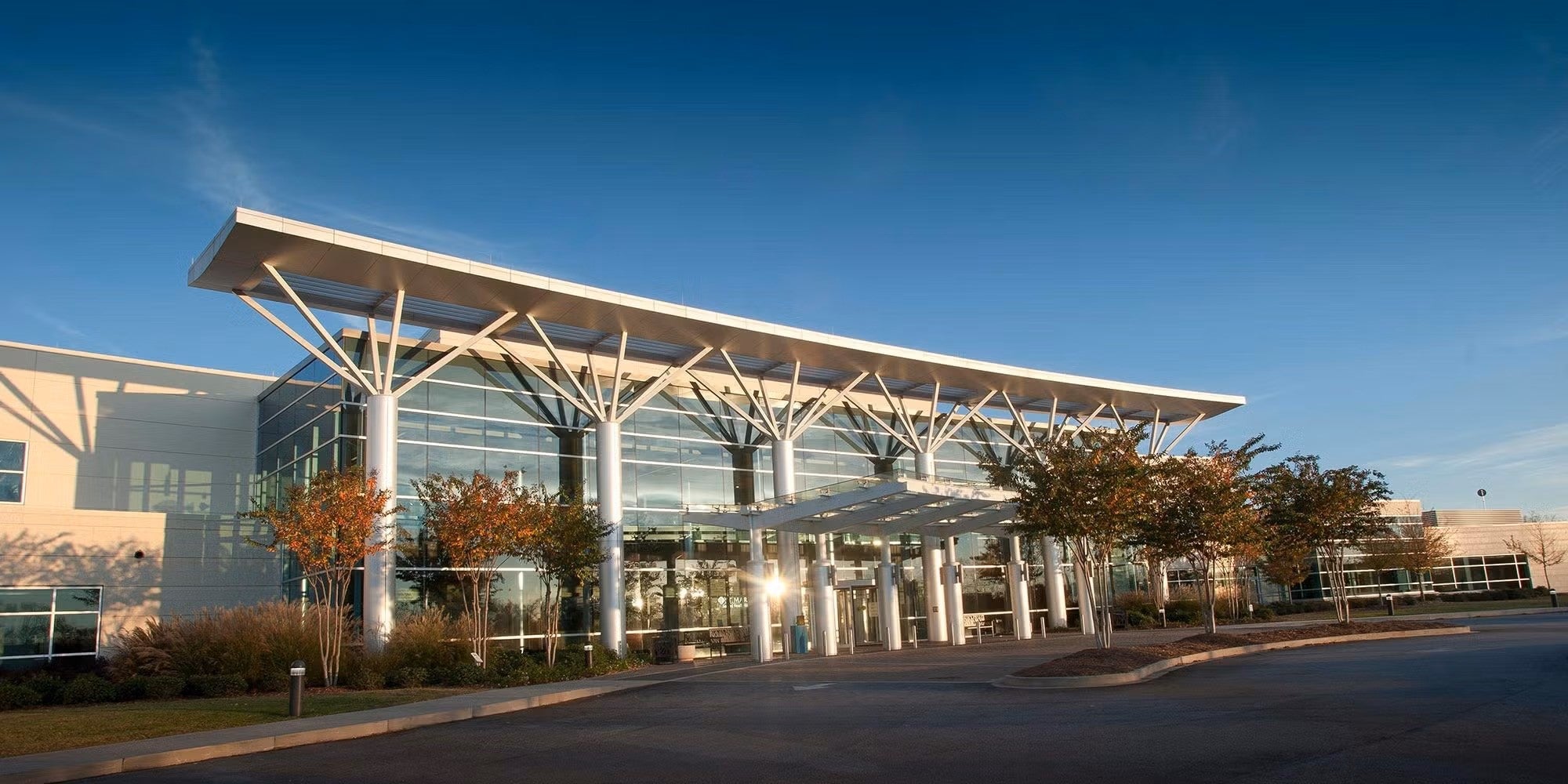
Sacred Heart Outpatient Rehabilitation
367 Clear Creek Parkway
Lavonia, GA 30553
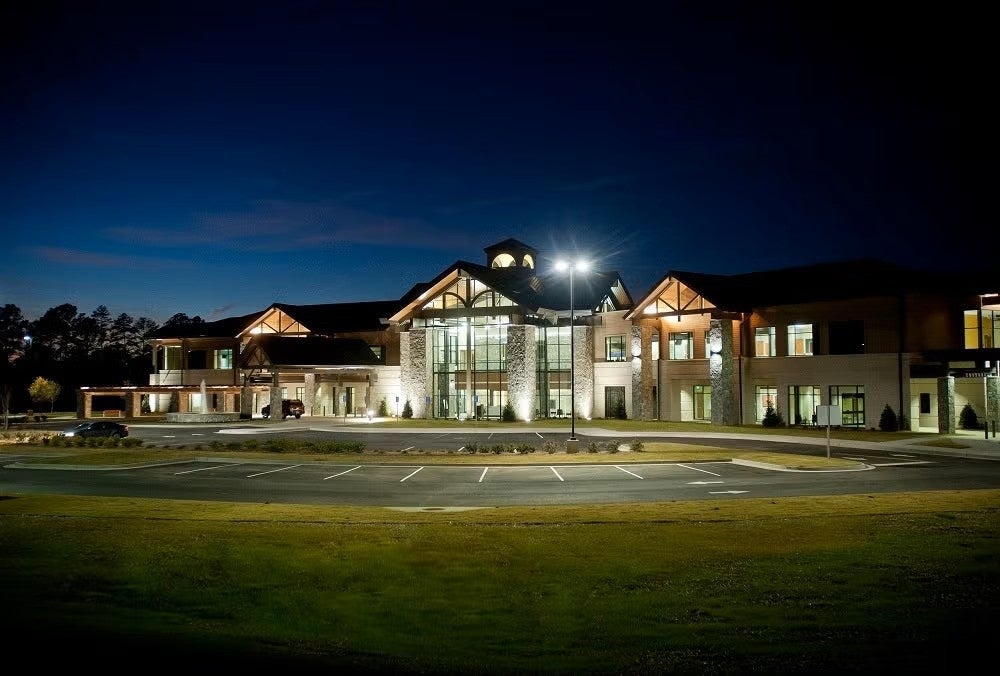
Good Samaritan Hospital Outpatient Rehabilitation
5401 Lake Oconee Parkway
Greensboro, GA 30642
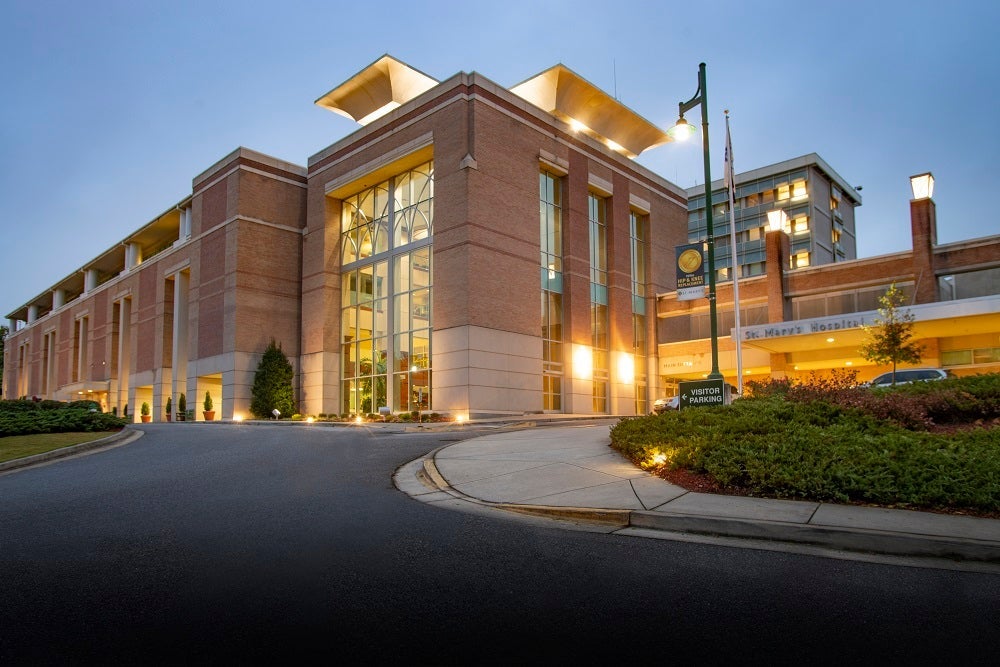
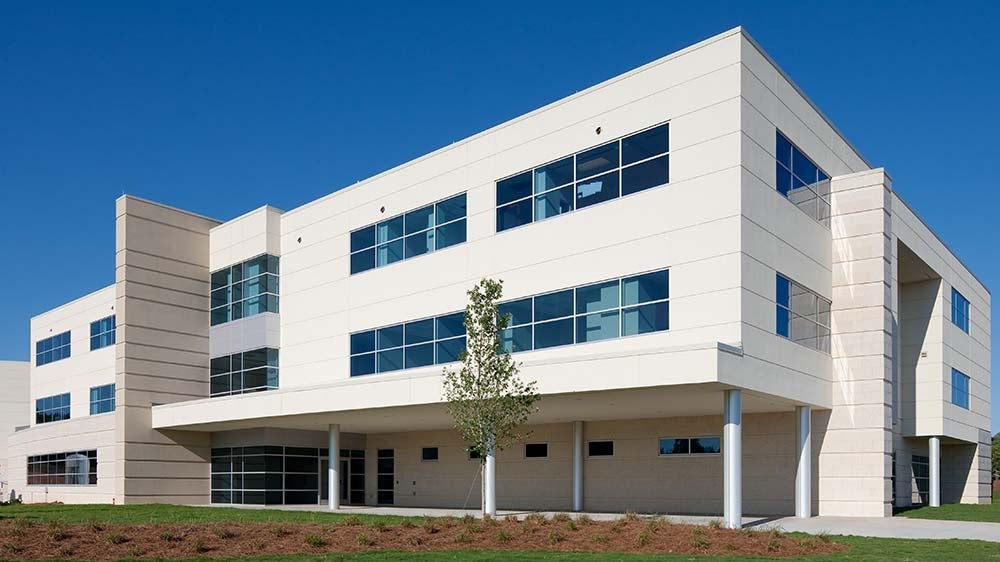
St. Mary's Sacred Heart Wellness Center
367 Clear Creek Parkway
Lavonia, GA 30553
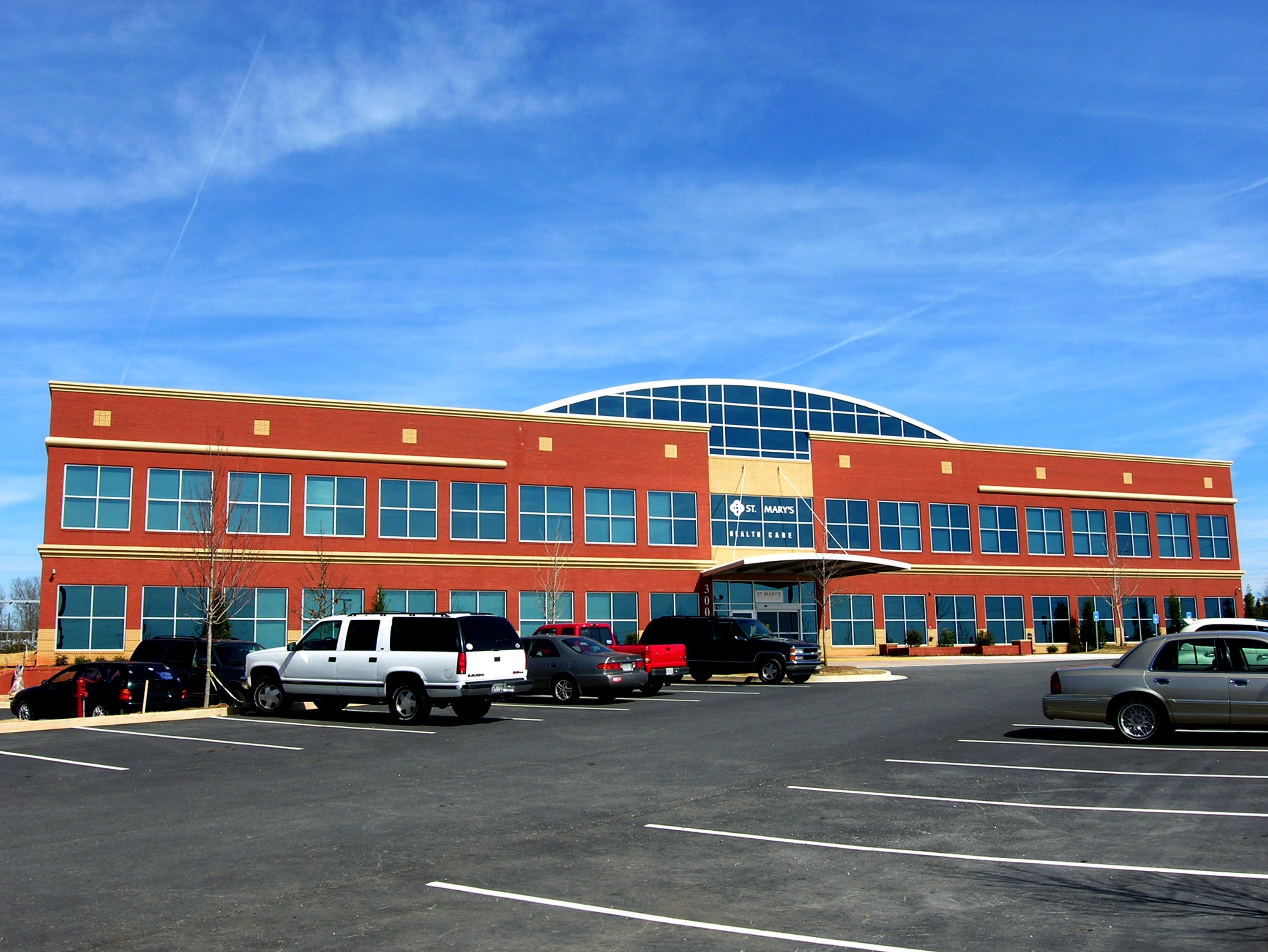
St. Mary's Wellness Center
2470 Daniells Bridge Road Building #300, 2nd floor
Athens, GA 30606