Swallowing & Dysphagia Therapy in Athens, GA for Safe Eating & Drinking
Our experienced speech-language pathology team provides comprehensive swallowing evaluations and individualized treatment plans designed to address each patient's unique needs. We proudly serve patients throughout Athens, Lavonia, Greensboro, Northeast Georgia, and surrounding communities with compassionate rehabilitation services focused on improving safety, comfort, and quality of life.
Compassionate speech-language pathology services focused on improving swallowing safety, nutrition, and communication confidence across Northeast Georgia.
Athens Office Greensboro Office Lavonia Office

Supporting Safe Swallowing & Better Quality of Life
Eating and drinking are essential parts of daily life, health, and social connection. When swallowing becomes difficult, meals can become stressful, uncomfortable, or even dangerous. At St. Mary's Health Care System, our swallowing and dysphagia therapy program helps patients improve swallowing function, reduce the risk of complications, and regain confidence during meals.
Difficulty swallowing can affect nutrition, hydration, medication management, and overall health. It may also lead individuals to avoid social situations involving meals or experience anxiety about eating and drinking.
At St. Mary's Health Care System, we understand the physical and emotional impact swallowing disorders can have on patients and families. Our goal is to provide supportive, evidence-based care that helps patients eat, drink, and communicate with greater confidence.
What Is Swallowing & Dysphagia Therapy?
Specialized Therapy for Swallowing Disorders
Swallowing and dysphagia therapy is a specialized speech-language pathology service designed to evaluate and treat swallowing difficulties.
Dysphagia is the medical term for difficulty swallowing. It can occur when the muscles, nerves, or structures involved in swallowing do not function properly.
Swallowing therapy focuses on improving:
- Swallowing safety
- Oral motor function
- Muscle coordination
- Nutrition and hydration intake
- Airway protection
- Mealtime comfort
- Quality of life
Treatment plans are personalized based on the underlying cause of swallowing difficulties and each patient's individual goals.
Learn More About Speech-Language Pathology
Explore Rehabilitation Services
How Swallowing Therapy Helps Build Independence and Promotes Long-Term Health
Swallowing disorders can affect much more than eating and drinking.
Untreated dysphagia may contribute to:
- Poor nutrition
- Dehydration
- Weight loss
- Choking episodes
- Aspiration
- Respiratory complications
- Reduced quality of life
- Social isolation
Early evaluation and treatment can help improve swallowing function while reducing the risk of serious complications.
Conditions Evaluated & Treated
Stroke-Related Dysphagia
Difficulty swallowing is common after a stroke and may affect a patient's ability to eat, drink, and take medications safely.
Speech-language pathologists work closely with patients to improve swallowing function and support recovery.
Learn More About Neurological & Stroke Rehabilitation
Parkinson's Disease
Parkinson's disease may affect muscle control and coordination involved in swallowing.
Therapy focuses on strategies and exercises designed to improve swallowing safety and efficiency.
Learn More About LSVT BIG & LOUD Therapy
Traumatic Brain Injury (TBI)
Brain injuries can impact swallowing coordination, muscle strength, and airway protection.
Individualized treatment plans help patients regain functional swallowing abilities.
Explore Cognitive Rehabilitation Therapy Services
Head, Neck & Throat Cancer
Cancer treatments involving the head, neck, or throat may affect swallowing muscles and structures.
Swallowing therapy helps patients maintain function and improve comfort during recovery.
Neurological Disorders
Conditions affecting the nervous system may interfere with the complex process of swallowing.
Therapy focuses on maintaining safety, nutrition, and quality of life.
Age-Related Swallowing Changes
Some individuals experience changes in swallowing function as they age.
Therapy can help address these changes and support safer eating and drinking habits.
Swallowing & Dysphagia Therapy Services
Comprehensive Swallowing Evaluation
Therapy begins with a thorough assessment of swallowing function, symptoms, medical history, and nutritional concerns.
Speech-language pathologists evaluate:
- Oral motor function
- Swallowing coordination
- Muscle strength
- Airway protection
- Mealtime challenges
- Communication concerns
Swallowing Exercises
Patients participate in targeted exercises designed to strengthen muscles involved in swallowing and improve coordination.
Oral Motor Therapy
Therapy may focus on improving movement, strength, and control of the lips, tongue, jaw, and throat muscles.
Safe Swallowing Techniques
Patients learn strategies that help improve swallowing safety and reduce the risk of aspiration.
These may include:
- Postural adjustments
- Swallowing techniques
- Mealtime pacing strategies
- Environmental modifications
Diet Texture Recommendations
When appropriate, therapists may recommend temporary modifications to food or liquid consistencies to support safer swallowing.
Caregiver & Family Education
Family members and caregivers receive education designed to support safe eating, drinking, and mealtime routines at home.
What to Expect During Swallowing Therapy
Initial Evaluation
Your therapy journey begins with a comprehensive assessment of swallowing function, symptoms, medical history, and treatment goals.
Personalized Treatment Plan
Your St. Mary's Care Team develops an individualized therapy plan based on your specific swallowing challenges and recovery goals.
One-on-One Therapy Sessions
Patients participate in personalized treatment sessions focused on improving swallowing safety, comfort, and efficiency.
Home Exercise & Safety Strategies
Patients receive practical exercises and recommendations designed to support progress between appointments.
Ongoing Progress Monitoring
Therapists regularly assess swallowing function and adjust treatment plans as recovery progresses.
Recovery & Long-Term Swallowing Health
Swallowing improvement often occurs gradually through consistent therapy and individualized treatment. Many patients experience meaningful improvements in swallowing safety, nutrition, hydration, and quality of life.
Our speech-language pathology team works closely with patients, families, and healthcare providers to support long-term success and ongoing wellness.
Swallowing & Dysphagia Therapy and Care at St. Mary's Health Care System
St. Mary's Health Care System provides comprehensive swallowing and dysphagia therapy services through experienced speech-language pathologists dedicated to helping patients eat, drink, and communicate safely.
Patients benefit from personalized treatment plans, evidence-based rehabilitation techniques, coordinated care, and compassionate support throughout their recovery journey.
We proudly serve patients throughout Athens, Lavonia, Greensboro, Northeast Georgia, and surrounding communities with advanced speech-language pathology services close to home.

A Connected Approach to Swallowing Care
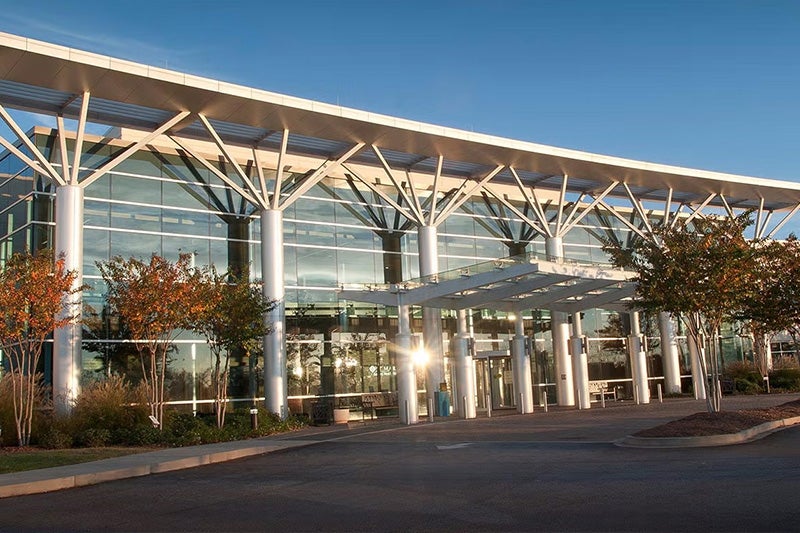
Swallowing therapy at St. Mary's Health Care System is part of a coordinated rehabilitation network that brings together speech-language pathologists, neurologists, rehabilitation specialists, primary care providers, nutrition professionals, oncology teams, hospital care providers, and specialty physicians throughout Northeast Georgia.
This integrated approach helps ensure patients receive comprehensive care that addresses swallowing function, communication needs, nutrition, and overall well-being.
By combining advanced rehabilitation techniques with compassionate, community-centered care, St. Mary's Health Care System helps patients feel supported throughout every stage of recovery.
St. Mary's Outpatient Rehabilitation
Good Samaritan Hospital Outpatient Rehabilitation
Sacred Heart Outpatient Rehabilitation
Frequently Asked Questions about Swallowing & Dysphagia Therapy
Dysphagia is the medical term for difficulty swallowing. It may affect a person's ability to safely eat, drink, or take medications.
Swallowing difficulties may result from stroke, Parkinson's disease, neurological conditions, traumatic brain injury, cancer treatment, aging, or other medical conditions.
Common symptoms may include coughing during meals, choking, difficulty swallowing, food sticking in the throat, weight loss, or recurrent respiratory infections.
Swallowing therapy is typically provided by a Speech-Language Pathologist (SLP) who has specialized training in evaluating and treating swallowing disorders.
Yes. Swallowing difficulties are common after stroke, and therapy can often help improve swallowing safety and function.
Aspiration occurs when food, liquid, or saliva enters the airway or lungs instead of traveling safely into the stomach.
Some patients may temporarily benefit from modified food or liquid textures to improve swallowing safety during treatment.
Treatment length varies depending on the underlying condition, severity of symptoms, and individual progress.
Yes. Parkinson's disease may affect the muscles and coordination involved in swallowing, making therapy an important part of care for many patients.
SLP stands for Speech-Language Pathologist, a healthcare professional who evaluates and treats communication, cognitive, voice, speech, language, and swallowing disorders.
Many insurance plans cover medically necessary speech-language pathology services, including dysphagia evaluation and treatment. Coverage varies depending on the patient's insurance plan and individual needs.
Related Locations
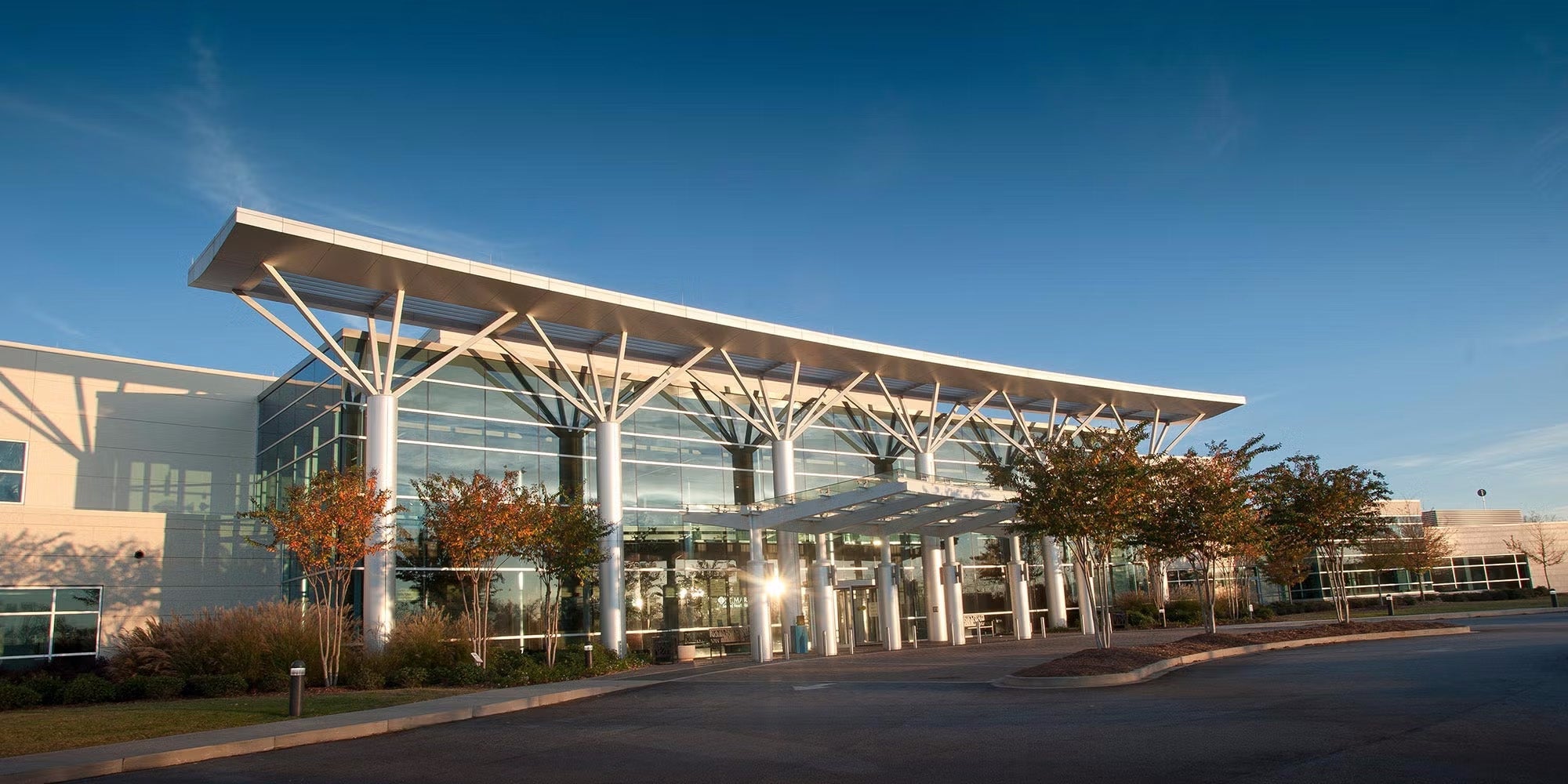
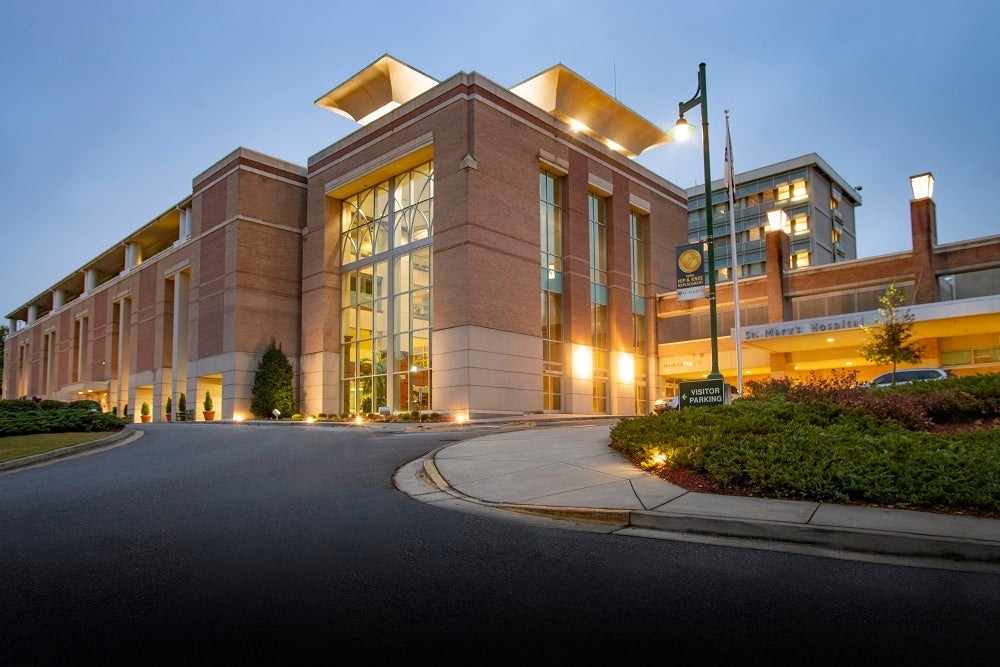
St. Mary's Sacred Heart Hospital
367 Clear Creek Pkwy
Lavonia, GA 30553
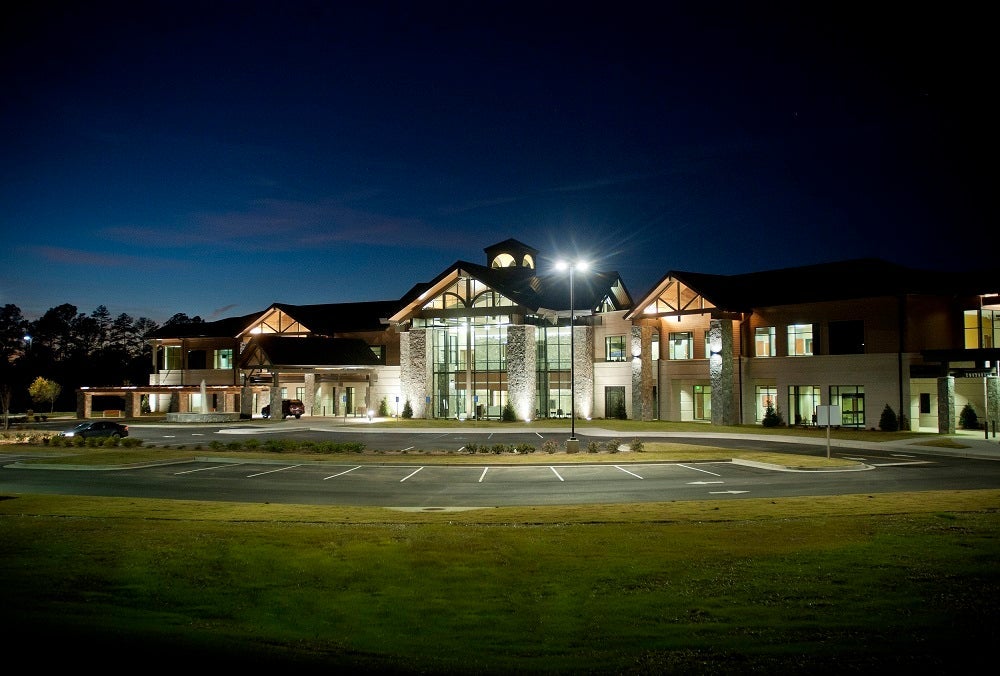
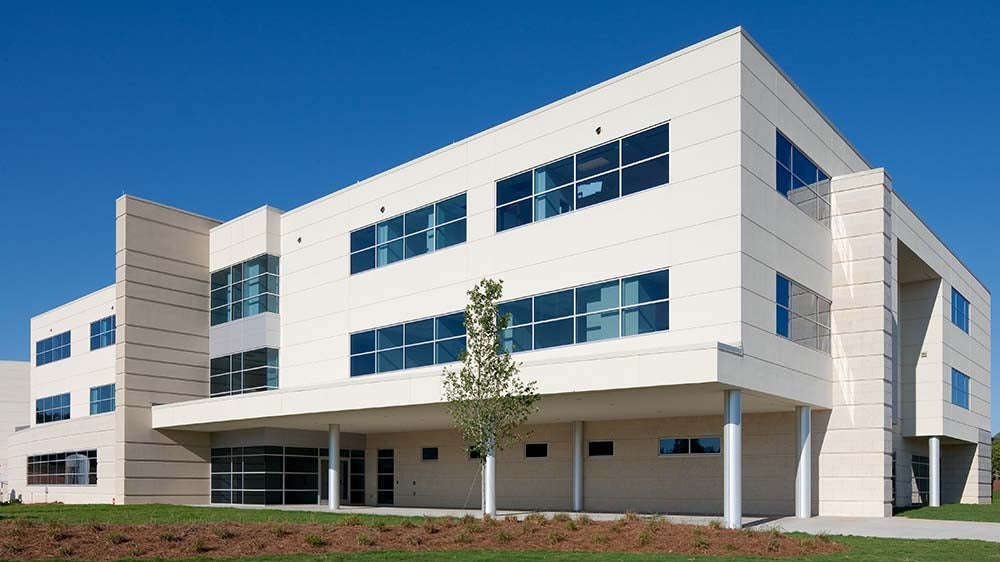
St. Mary's Good Samaritan Hospital
5401 Lake Oconee Parkway
Greensboro, GA 30642-4232
St. Mary's Sacred Heart Wellness Center
367 Clear Creek Parkway
Lavonia, GA 30553

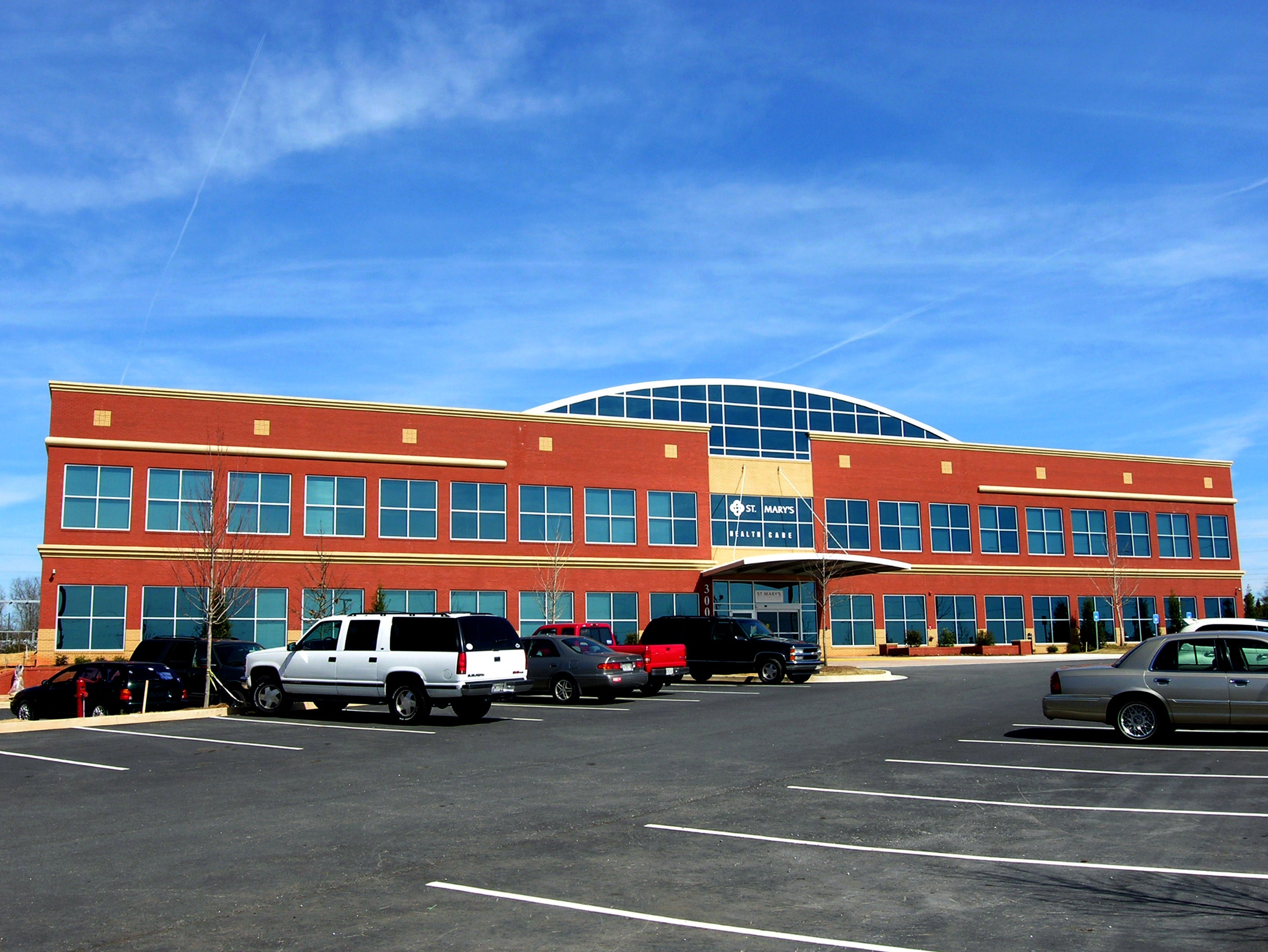
St. Mary's Outpatient Rehab
2470 Daniells Bridge Road Building 300, 2nd Floor
Athens, GA 30606
St. Mary's Wellness Center
2470 Daniells Bridge Road Building #300, 2nd floor
Athens, GA 30606