
Pediatric Therapy for Developmental Milestone Delays in Athens, GA
Every child develops at their own pace, but some children may need additional support to build important skills related to communication, movement, learning, sensory processing, or social interaction. At St. Mary’s Health Care System, our pediatric therapy program provides compassionate, individualized care designed to help children strengthen developmental skills while supporting families throughout the journey.
Compassionate pediatric occupational and speech therapy services to support developmental growth, communication, learning, and independence across Northeast Georgia.
Athens Office Greensboro Office Lavonia Office

What Are Developmental Milestone Delays?
Developmental milestone delays occur when a child takes longer than expected to develop certain physical, cognitive, communication, sensory, emotional, or social skills. Milestones may include speech development, fine motor skills, movement, attention, feeding skills, problem-solving, and social interaction.
Some children may experience mild delays in one area, while others may benefit from support across multiple developmental skills. Early therapy intervention can help children strengthen these abilities during important stages of growth and development.
At St. Mary’s Health Care System, pediatric therapy focuses on helping children improve skills in ways that feel engaging, supportive, and developmentally appropriate.
Learn More About: Physical Therapy Occupational Therapy Speech-Language Pathology Inpatient Rehabilitation Outpatient Rehabilitation
Why Early Developmental Milestone Delay Therapy Matters
Early therapy support can play an important role in helping children build foundational skills that affect learning, communication, movement, behavior, and independence. Delays that are identified and addressed early may improve a child’s ability to participate successfully at home, in school, and during social activities.
Pediatric therapy may help:
- Improve communication skills
- Strengthen fine motor development
- Support sensory processing
- Improve attention and learning skills
- Encourage social interaction
- Support independence with daily tasks
- Improve feeding and oral motor skills
- Build confidence and emotional regulation
At St. Mary’s Health Care System, we understand that developmental concerns can feel overwhelming for families. Our team provides compassionate guidance and individualized support designed to help both children and caregivers feel encouraged throughout the therapy process.
Who Can Benefit From Pediatric Therapy?
Pediatric therapy may benefit children experiencing:
- Speech or language delays
- Difficulty communicating needs
- Delayed developmental milestones
- Sensory processing challenges
- Fine motor difficulties
- Feeding or swallowing concerns
- Difficulty with social interaction
- Attention or organizational challenges
- Delayed play skills
- Difficulty with self-care tasks
- Cognitive or learning challenges
Children with diagnosed developmental, neurological, or medical conditions may also benefit from therapy support.
Explore Speech-Language Pathology Services
Our Approach to Developmental Milestone Delay Therapy
At St. Mary’s Health Care System, pediatric therapy is designed around the unique needs of each child and family. Our therapists use compassionate, play-based, and goal-focused techniques that encourage children while helping therapy feel supportive and engaging.
Our approach emphasizes:
- Individualized therapy plans
- Family-centered care
- Child-friendly therapy environments
- Developmentally appropriate activities
- Functional daily-life skills
- Positive reinforcement and encouragement
- Collaboration with caregivers
- Support for long-term developmental growth
We believe therapy should help children feel successful, confident, and supported as they continue developing important life skills.
Rehabilitation Techniques & Therapies for Developmental Milestone Delays
Speech & Language Therapy
Speech-language pathology helps children improve communication, understanding, language development, speech clarity, and social communication skills. Therapy may focus on:
- Expressive language
- Receptive language
- Speech sound development
- Social communication
- Following directions
- Vocabulary building
- Early communication skills
Learn More about Language Therapy
Explore Articulation Therapy Services
Sensory Integration Support
Some children experience challenges processing sensory information such as sound, touch, movement, or textures. Occupational therapy may help children improve sensory regulation, attention, transitions, and participation in daily activities.
Fine Motor Skill Development
Occupational therapy focuses on strengthening fine motor abilities needed for:
- Writing
- Grasping objects
- Dressing
- Feeding
- Using utensils
- School-related activities
- Hand-eye coordination
Cognitive & Executive Function Support
Therapy may help children strengthen:
- Attention
- Memory
- Problem-solving
- Task completion
- Organization
- Emotional regulation
Read More about Cognitive Rehabilitation Therapy
Feeding & Oral Motor Therapy
Some children may benefit from therapy focused on feeding skills, oral motor coordination, chewing, swallowing, or food texture tolerance.
Learn More about Swallowing & Dysphagia Therapy
Social Development & Play Skills
Therapy activities may help children improve:
- Turn-taking
- Emotional expression
- Peer interaction
- Cooperative play
- Communication during social situations
Conditions Evaluated and Treated with Developmental Milestone Delay Therapy
Speech & Language Delays
Children with communication delays may have difficulty expressing thoughts, understanding language, or producing speech sounds clearly. Therapy helps strengthen communication and language development in age-appropriate ways.
Sensory Processing Challenges
Some children may feel overwhelmed by sensory input or seek sensory stimulation in ways that affect daily function. Occupational therapy can help children improve sensory regulation and coping strategies.
Fine Motor Delays
Fine motor challenges can affect handwriting, dressing, feeding, school participation, and daily independence. Therapy focuses on building strength, coordination, and functional skills.
Cognitive & Developmental Delays
Children with developmental or cognitive delays may benefit from support with learning, attention, organization, memory, and daily routines.
Feeding & Swallowing Difficulties
Pediatric feeding therapy may help children who experience difficulty chewing, swallowing, oral motor coordination, or tolerating certain food textures.
What to Expect During Pediatric Therapy
Care begins with a comprehensive evaluation focused on understanding the child’s developmental strengths, challenges, daily routines, and therapy goals.
Treatment plans may include:
- Developmental assessments
- Speech and communication evaluation
- Fine motor and sensory evaluation
- Parent and caregiver discussions
- Individualized therapy planning
- Play-based therapy activities
- Home strategy recommendations
- Ongoing progress monitoring
Therapy sessions are designed to feel supportive, engaging, and encouraging while helping children gradually build confidence and skills over time.
Recovery and Ongoing Development Support for Developmental Milestone Delays
Developmental progress happens gradually, and every child’s therapy journey is unique. Ongoing support, home practice, caregiver involvement, and consistent therapy participation can help reinforce progress outside therapy sessions.
Long-term support may include:
- Home developmental activities
- Parent education
- School support strategies
- Communication exercises
- Sensory regulation techniques
- Daily living skill development
- Continued developmental monitoring
Our rehabilitation team remains committed to helping children build meaningful skills that support long-term growth, confidence, and independence.
A Connected Approach to Pediatric Developmental Milestone Delay & Care
Pediatric therapy often involves collaboration between therapists, pediatricians, specialists, caregivers, educators, and other healthcare professionals. St. Mary’s Health Care System provides coordinated support focused on helping children receive comprehensive developmental care tailored to their individual needs.
This connected approach helps support the child’s growth across communication, cognitive, sensory, emotional, and daily living skills.


Developmental Milestone Delay Therapy & Care at St. Mary’s Health Care System
St. Mary’s Health Care System proudly provides pediatric rehabilitation services for families throughout Athens, GA, Northeast Georgia, Greensboro, Lavonia, and surrounding communities.
Our pediatric therapy team combines compassionate care with individualized treatment strategies designed to help children build developmental skills, strengthen communication, and improve confidence in daily life. We are committed to creating a supportive environment where children and families feel encouraged every step of the way.
St. Mary's Outpatient Rehabilitation
Good Samaritan Hospital Outpatient Rehabilitation
Sacred Heart Outpatient Rehabilitation
Frequently Asked Questions about Developmental Milestone Delay Therapy
Developmental milestone delays occur when a child takes longer than expected to develop skills related to movement, communication, learning, sensory processing, or social interaction.
Pediatric developmental therapy may include occupational therapy and speech-language pathology services focused on communication, sensory processing, cognitive skills, fine motor development, and daily function.
Parents should speak with a healthcare provider if a child is missing milestones related to speech, movement, social interaction, feeding, learning, or self-care skills.
Yes. Early therapy intervention can help children strengthen important developmental skills during critical periods of growth and learning.
SLP stands for speech-language pathology or speech-language pathologist. SLP therapy focuses on communication, speech, language, cognition, and swallowing-related conditions.
Sensory processing refers to how the brain receives and responds to sensory information such as sound, movement, touch, and textures. Some children may have difficulty regulating sensory input.
Pediatric occupational therapy helps children improve fine motor skills, sensory processing, daily living activities, coordination, and independence.
Yes. Therapy may help children improve oral motor coordination, chewing, swallowing, food tolerance, and feeding skills.
Therapy sessions are typically play-based, supportive, and interactive. Therapists use age-appropriate activities designed to help children build developmental skills while feeling comfortable and encouraged.
Every child’s therapy needs are different. Some children benefit from short-term therapy, while others may require longer support depending on developmental goals and progress.
Yes. Parent and caregiver involvement is often encouraged because home support and consistency can play an important role in developmental progress.
Related Locations

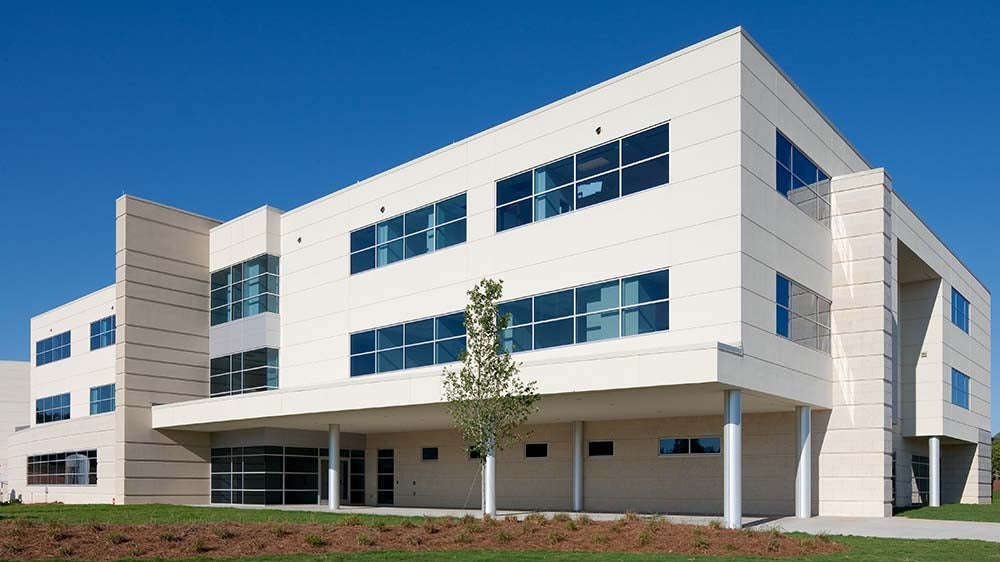
St. Mary's Sacred Heart Wellness Center
367 Clear Creek Parkway
Lavonia, GA 30553

St. Mary's Outpatient Rehab
2470 Daniells Bridge Road Building 300, 2nd Floor
Athens, GA 30606
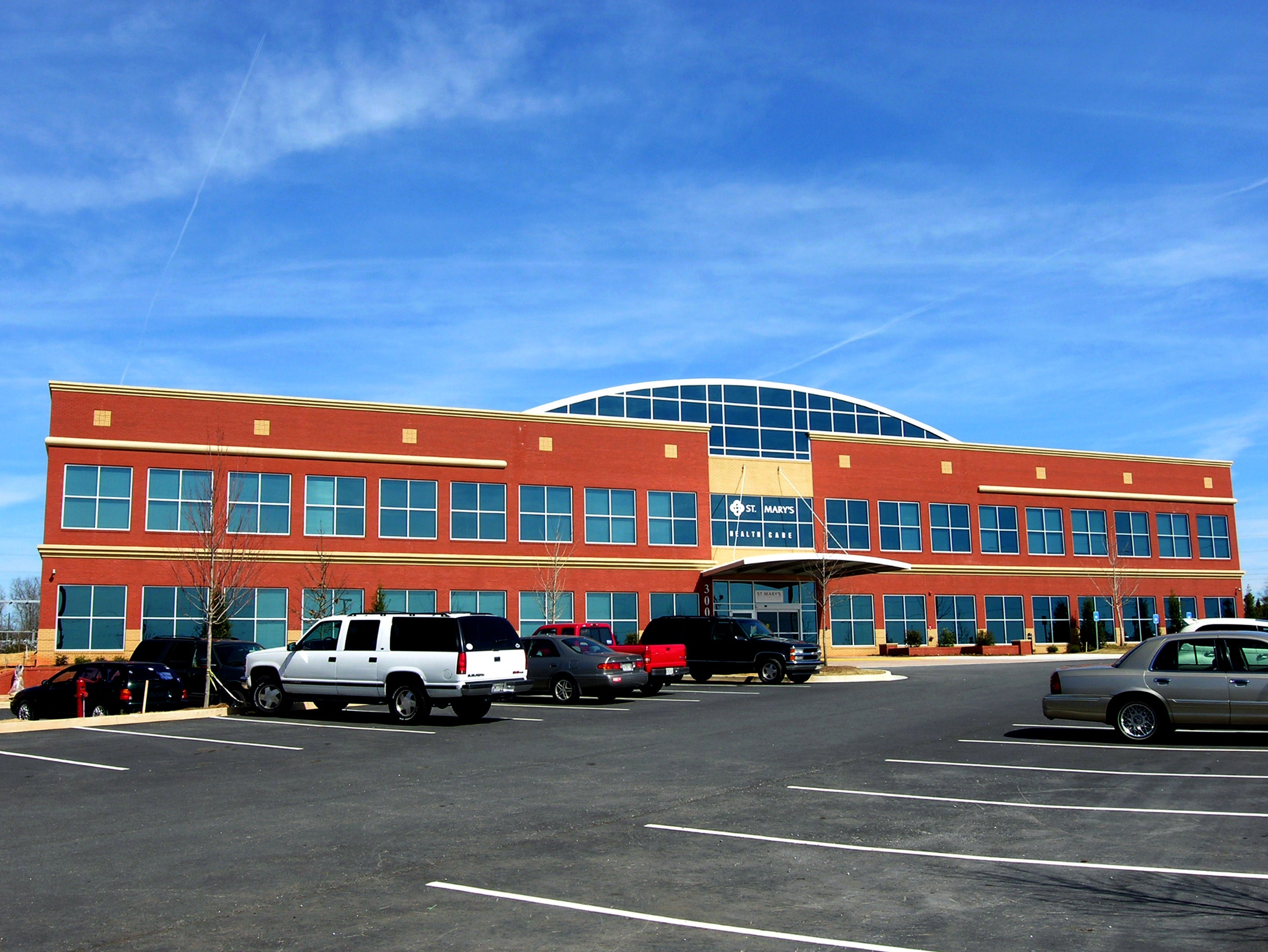
St. Mary's Wellness Center
2470 Daniells Bridge Road Building #300, 2nd floor
Athens, GA 30606

Sacred Heart Outpatient Rehabilitation
367 Clear Creek Parkway
Lavonia, GA 30553

Good Samaritan Hospital Outpatient Rehabilitation
5401 Lake Oconee Parkway
Greensboro, GA 30642