Voice Therapy in Athens, GA for Vocal Strength, Clarity & Communication
Whether voice changes are caused by illness, injury, neurological conditions, vocal strain, surgery, or other factors, our speech-language pathology team provides comprehensive evaluations and personalized treatment plans designed to support long-term vocal health. We proudly serve patients throughout Athens, Lavonia, Greensboro, Northeast Georgia, and surrounding communities with compassionate rehabilitation services close to home.
Personalized speech-language pathology services focused on improving vocal quality, communication confidence, and vocal health across Northeast Georgia.
Athens Office Greensboro Office Lavonia Office

Helping Patients Find Their Voice
Your voice is an important part of how you connect with others, express yourself, and participate in everyday life. When voice problems make speaking difficult, communication can become frustrating, exhausting, or uncomfortable. At St. Mary's Health Care System, our voice therapy program helps patients improve vocal strength, clarity, endurance, and overall communication through individualized, evidence-based care.
Voice disorders can affect professional responsibilities, social interactions, personal relationships, and overall quality of life. Many individuals experience frustration when their voice no longer sounds or functions as expected. We understand the importance of clear, comfortable communication. Our goal is to help patients strengthen their voice, improve communication confidence, and return to the activities that matter most.
Learn More About: Speech-Language Pathology, Outpatient Rehabilitation, Rehabilitation Services
What Is Voice Therapy?
Specialized Therapy for Voice Disorders & Vocal Function
Voice therapy is a specialized speech-language pathology service focused on evaluating and treating conditions that affect how the voice sounds, feels, and functions.
The voice is produced through a complex interaction of breathing, vocal fold vibration, muscle coordination, and resonance. When any part of this process is disrupted, individuals may experience changes in vocal quality, loudness, endurance, or comfort.
Voice therapy may help improve:
- Vocal strength
- Vocal clarity
- Vocal endurance
- Breath support
- Vocal projection
- Communication effectiveness
- Vocal comfort
- Overall vocal health
Treatment plans are tailored to each patient's diagnosis, symptoms, lifestyle, and communication goals.
How does Voice Therapy support long-term health, wellness, and independence?
Voice disorders can impact both personal and professional life.
Voice difficulties may contribute to:
- Hoarseness
- Vocal fatigue
- Reduced vocal volume
- Difficulty being understood
- Voice strain
- Communication frustration
- Social withdrawal
- Workplace challenges
Early evaluation and treatment may help prevent worsening symptoms while supporting healthier voice use and improved communication.
Conditions Evaluated & Treated
Hoarseness & Chronic Voice Changes
Persistent hoarseness may result from vocal strain, illness, inflammation, vocal fold abnormalities, or neurological conditions.
Voice therapy focuses on identifying contributing factors and improving vocal function.
Vocal Fatigue
Some individuals experience voice exhaustion after speaking for extended periods.
Therapy helps improve vocal efficiency, reduce strain, and increase endurance.
Parkinson's Disease
Parkinson's disease frequently affects vocal loudness, clarity, and speech intelligibility.
Specialized treatment approaches help patients improve vocal strength and communication effectiveness.
Learn More about LSVT BIG and Loud Therapy
Stroke-Related Voice Changes
Neurological injuries such as stroke may affect breathing, vocal control, and communication abilities.
Voice therapy can help support recovery and improve functional communication.
Explore Neurological and Stroke Rehabilitation
Vocal Cord Dysfunction & Vocal Fold Disorders
Conditions affecting the vocal folds may interfere with voice quality, projection, and comfort.
Therapy helps patients develop healthier vocal habits and improve vocal performance.
Head, Neck & Throat Cancer Recovery
Cancer treatment involving the head, neck, or throat may impact voice production and communication.
Voice therapy helps support recovery and improve communication following treatment.
Professional Voice Users
Teachers, clergy, public speakers, singers, healthcare professionals, and others who rely heavily on their voice may benefit from therapy to improve vocal endurance and reduce strain.
Voice Therapy Services & Treatments
Comprehensive Voice Evaluation
Therapy begins with a detailed assessment of vocal quality, symptoms, communication demands, and medical history.
Speech-language pathologists evaluate:
- Vocal quality
- Vocal endurance
- Breath support
- Vocal loudness
- Communication challenges
- Functional voice use
Vocal Strengthening Exercises
Patients participate in targeted exercises designed to improve vocal power, endurance, and efficiency.
Breath Support Training
Breathing plays a critical role in healthy voice production.
Therapy focuses on improving respiratory support for stronger, more consistent speech.
Explore Respiratory Therapy Services
Vocal Hygiene Education
Patients learn strategies to protect their voice and reduce behaviors that may contribute to vocal strain.
Topics may include:
- Hydration
- Vocal rest
- Environmental factors
- Voice conservation techniques
Resonance & Projection Training
Therapists help patients improve vocal projection and communication effectiveness while reducing unnecessary strain.
Communication Confidence Strategies
Treatment includes techniques designed to improve participation in conversations, presentations, social situations, and professional settings.
What to Expect During Voice Therapy
Initial Voice Evaluation
Your therapy journey begins with a comprehensive assessment of your voice, symptoms, communication goals, and lifestyle demands.
Personalized Treatment Plan
Your St. Mary's Care Team develops an individualized therapy plan designed around your unique needs and recovery goals.
One-on-One Therapy Sessions
Patients participate in personalized therapy focused on strengthening vocal function and improving communication.
Home Practice Program
Patients receive exercises and strategies designed to reinforce progress between appointments.
Ongoing Progress Monitoring
Therapists regularly assess improvement and adjust treatment plans to support long-term success.
Recovery & Long-Term Vocal Health
Voice improvement often occurs gradually through consistent therapy, healthy vocal habits, and individualized treatment strategies.
Many patients experience meaningful improvements in vocal strength, clarity, endurance, and communication confidence through voice therapy.
Our speech-language pathology team works closely with patients to support long-term vocal health and communication success.
Compassioante Voice Therapy and Care at St. Mary's Health Care System
St. Mary's Health Care System provides comprehensive voice therapy services through experienced speech-language pathologists dedicated to helping patients improve communication and vocal function.
Patients benefit from individualized treatment plans, evidence-based rehabilitation techniques, coordinated care, and compassionate support throughout every stage of recovery.
We proudly serve patients throughout Athens, Lavonia, Greensboro, Northeast Georgia, and surrounding communities with advanced speech-language pathology services close to home.

A Connected Approach to Voice Care
Voice therapy at St. Mary's Health Care System is part of a coordinated rehabilitation network that brings together speech-language pathologists, neurologists, rehabilitation specialists, respiratory therapists, oncology providers, primary care physicians, hospital care teams, and specialty providers throughout Northeast Georgia.
This collaborative approach helps ensure voice, communication, swallowing, and neurological concerns are addressed as part of a comprehensive treatment plan.
By combining advanced speech-language therapy with compassionate, community-centered care, St. Mary's Health Care System helps patients feel informed, supported, and empowered throughout every stage of recovery.
St. Mary's Outpatient Rehabilitation
Good Samaritan Hospital Outpatient Rehabilitation
Sacred Heart Outpatient Rehabilitation
Frequently Asked Questions about Voice Therapy
Voice therapy is a specialized speech-language pathology service designed to improve vocal quality, strength, endurance, and communication effectiveness.
Individuals experiencing hoarseness, vocal fatigue, voice changes, Parkinson's disease, stroke-related communication issues, or other voice disorders may benefit from therapy.
Hoarseness may result from illness, vocal strain, inflammation, neurological conditions, vocal fold disorders, or other medical conditions affecting the voice.
Yes. Parkinson's disease often causes reduced vocal loudness, decreased clarity, and changes in speech production.
Vocal fatigue occurs when speaking becomes increasingly difficult or tiring over time due to strain, overuse, or underlying voice disorders.
Yes. Speech-language therapy may help improve vocal function, communication abilities, and confidence following a stroke.
Treatment length varies depending on the diagnosis, severity of symptoms, communication goals, and individual progress.
Yes. Most patients receive individualized exercises and strategies designed to support continued progress between therapy sessions.
Voice therapy is a specialized area within speech-language pathology that focuses specifically on vocal function and vocal health.
SLP stands for Speech-Language Pathologist, a healthcare professional who evaluates and treats communication, speech, language, cognitive communication, voice, and swallowing disorders.
Many insurance plans cover medically necessary speech-language pathology services, including voice therapy. Coverage varies depending on the patient's insurance plan and treatment needs.
Related Locations
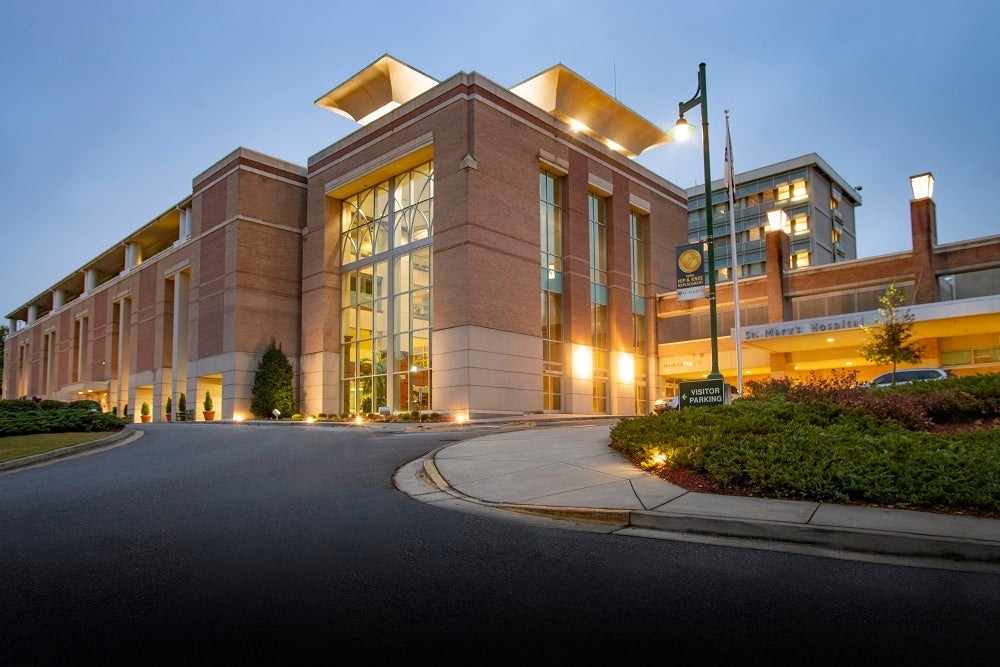
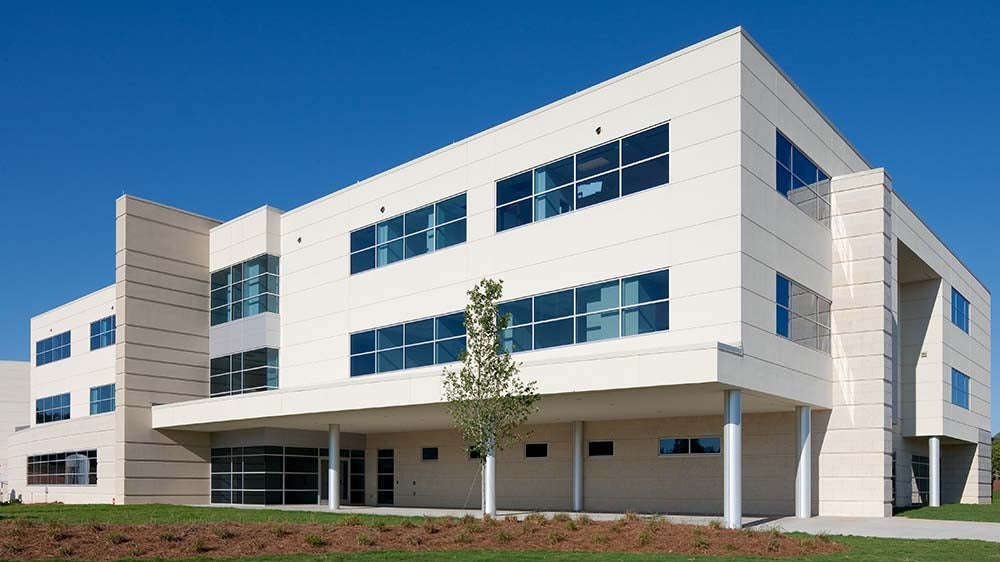
St. Mary's Sacred Heart Wellness Center
367 Clear Creek Parkway
Lavonia, GA 30553

St. Mary's Outpatient Rehab
2470 Daniells Bridge Road Building 300, 2nd Floor
Athens, GA 30606
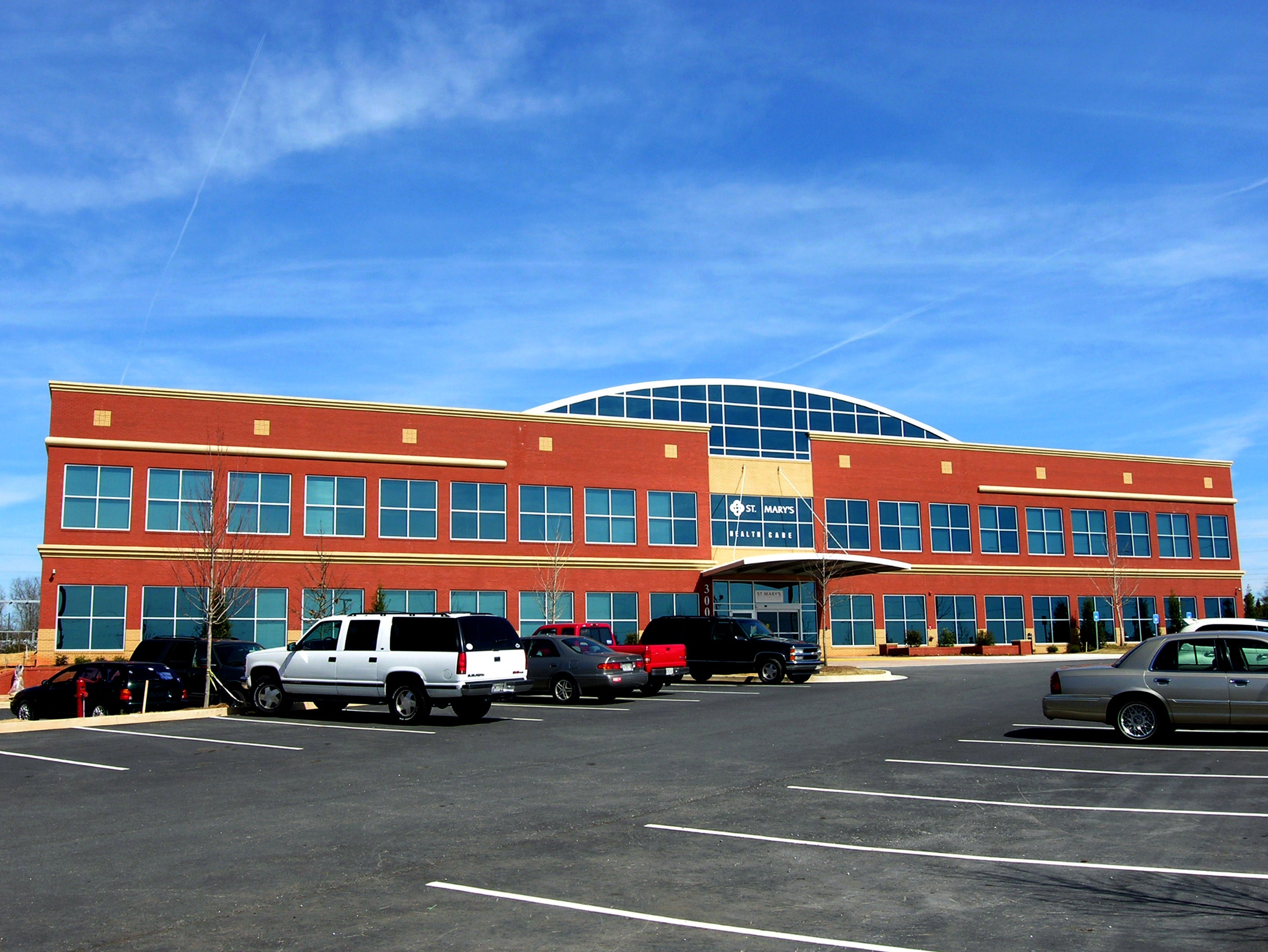
St. Mary's Wellness Center
2470 Daniells Bridge Road Building #300, 2nd floor
Athens, GA 30606
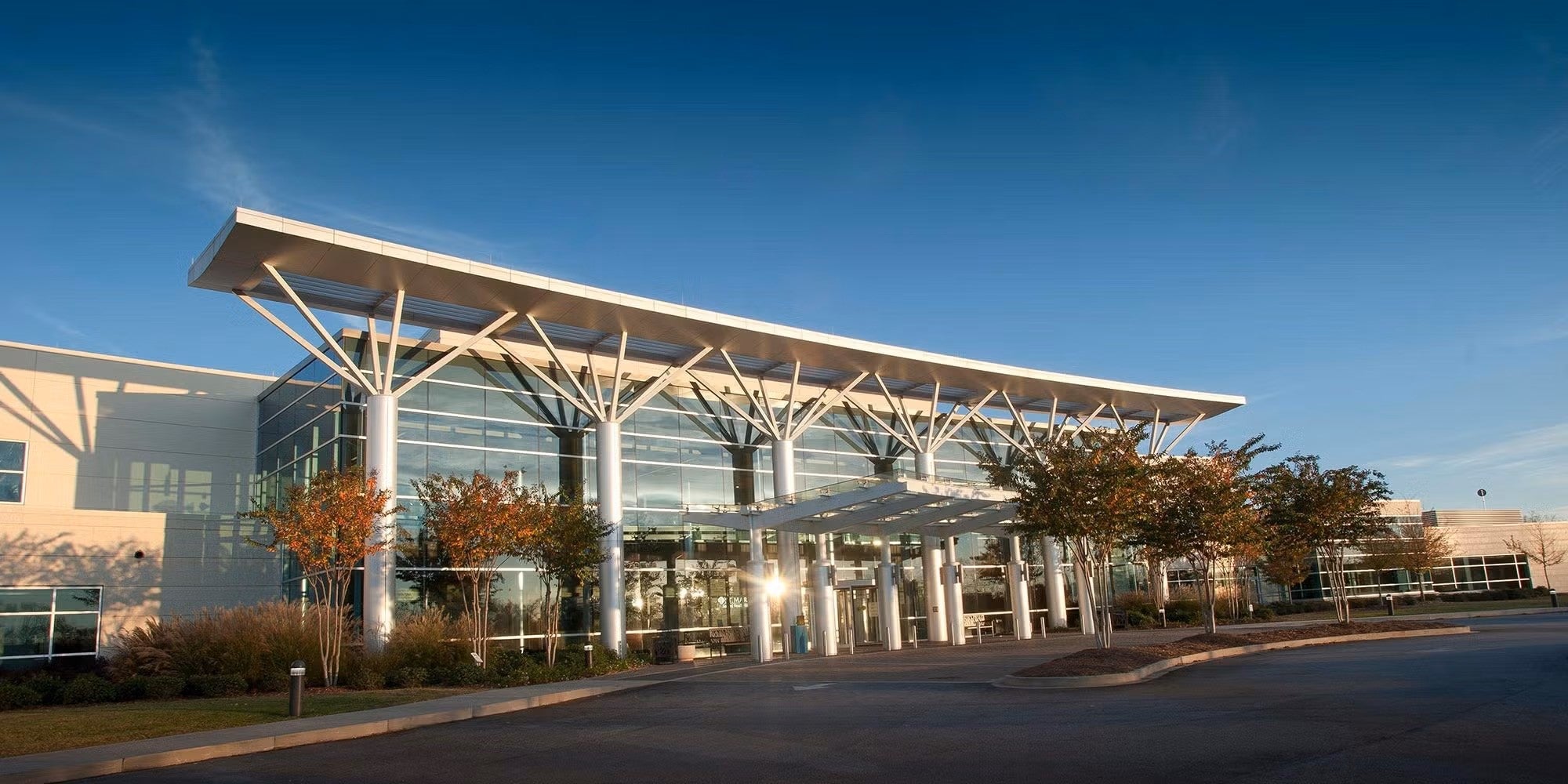
Sacred Heart Outpatient Rehabilitation
367 Clear Creek Parkway
Lavonia, GA 30553
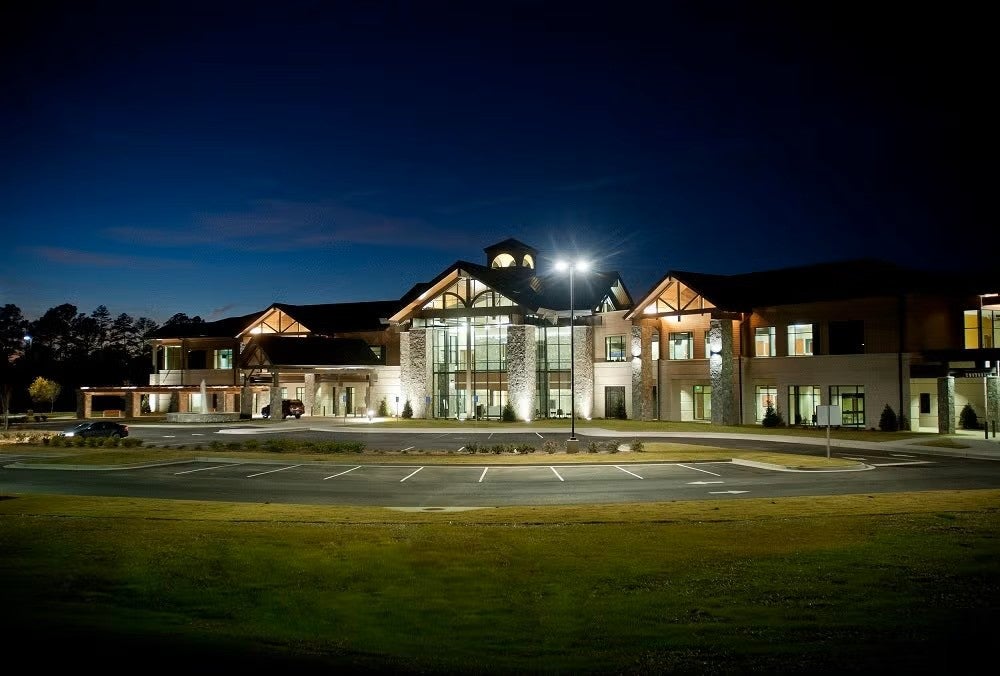
Good Samaritan Hospital Outpatient Rehabilitation
5401 Lake Oconee Parkway
Greensboro, GA 30642