Augmentative & Alternative Communication (AAC) Therapy Services in Athens, GA
At St. Mary's Health Care System, our speech-language pathology team provides comprehensive AAC evaluations, communication support, and personalized therapy services designed to help patients develop functional communication skills using the tools and strategies that best meet their needs. We proudly serve children and adults throughout Athens, Lavonia, Greensboro, Northeast Georgia, and surrounding communities with compassionate, patient-centered communication care.
Personalized communication support helping children and adults express themselves confidently through augmentative and alternative communication solutions across Northeast Georgia.
Athens Office Greensboro Office Lavonia Office

Every Person Deserves a Voice
Communication challenges can affect independence, education, social relationships, healthcare decisions, and overall quality of life. AAC therapy focuses on helping individuals communicate wants, needs, thoughts, feelings, and ideas in ways that are effective and meaningful for them.
At St. Mary's Health Care System, we believe communication looks different for every individual. Our goal is to help each patient find the communication tools and strategies that support greater confidence, participation, and independence.
What Is Augmentative & Alternative Communication (AAC)?
Communication Support Beyond Spoken Words
Augmentative and Alternative Communication (AAC) refers to tools, systems, techniques, and strategies that help individuals communicate when spoken language alone is not sufficient.
AAC may supplement speech or serve as a primary method of communication.
Examples of AAC include:
- Communication boards
- Picture communication systems
- Communication books
- Speech-generating devices
- Tablet-based communication applications
- Symbol-based communication systems
- Text-to-speech technology
- Eye-gaze communication systems
- Low-tech communication tools
- High-tech communication devices
AAC therapy helps individuals learn how to use these tools effectively while improving communication across home, school, work, healthcare, and community settings.
Learn More about Speech-Language Pathology
Explore All Rehabilitation Services
Why AAC Therapy Matters
Effective communication allows individuals to express needs, build relationships, participate in decision-making, and engage more fully in everyday life.
AAC therapy can help:
- Increase communication independence
- Improve social participation
- Support educational success
- Enhance caregiver interactions
- Improve healthcare communication
- Reduce communication frustration
- Support language development
- Increase quality of life
For many individuals, AAC creates opportunities that may not otherwise be possible through speech alone.
Conditions Evaluated & Treated with Augmentative & Alternative Communication Therapy
Autism Spectrum Disorder
Many individuals with autism spectrum disorder benefit from AAC tools that support expressive communication, language development, and social interaction.
AAC systems can be customized to meet each person's communication strengths and needs.
Learn More about Developmental Milestone Delay Therapy
Cerebral Palsy
Motor challenges associated with cerebral palsy may affect speech production and communication abilities.
AAC systems can help individuals communicate effectively while supporting independence and participation.
Developmental Communication Delays
Children experiencing communication delays may benefit from AAC strategies that support language growth and communication development.
AAC does not prevent speech development and may actually encourage communication growth in many individuals.
Learn More about Language Therapy
Stroke & Aphasia
Adults recovering from stroke may experience aphasia, a communication disorder that affects speaking, understanding, reading, and writing.
AAC tools can provide valuable communication support during recovery and rehabilitation.
Explore Neurological & Stroke Rehabilitation Services
Traumatic Brain Injury (TBI)
Communication difficulties following traumatic brain injury may affect speech, language, memory, attention, and cognitive function.
AAC strategies can support communication while helping individuals maintain independence.
Learn More About Cognitive Rehabilitation Therapy
Progressive Neurological Disorders
Conditions such as Parkinson's disease, amyotrophic lateral sclerosis (ALS), and other neurological disorders may gradually affect speech and communication abilities.
AAC planning can help individuals maintain communication access throughout disease progression.
Learn More About LSVT BIG & LOUD Therapy
AAC Therapy Services & Treatments
Comprehensive AAC Evaluation
Speech-language pathologists conduct detailed evaluations to determine communication strengths, challenges, goals, and appropriate AAC options.
Evaluations consider:
- Communication abilities
- Physical access needs
- Cognitive skills
- Visual abilities
- Language development
- Family and caregiver input
- Daily communication environments
AAC Device Assessment & Selection
Therapists help identify communication tools and technologies that best support each individual's needs and goals.
Communication Device Training
Patients learn how to effectively use communication devices and systems in everyday situations.
Training may focus on:
- Vocabulary development
- Device navigation
- Message generation
- Social communication
- Functional communication skills
Family & Caregiver Education
Successful AAC implementation often involves family members, caregivers, educators, and support systems.
Therapists provide education and training designed to support communication across all environments.
School & Community Communication Support
When appropriate, therapists may help develop strategies that support communication success across educational, community, and social settings.
What to Expect During AAC Therapy
Initial Communication Evaluation
Your therapy journey begins with a comprehensive assessment of communication needs, strengths, goals, and potential AAC solutions.
Personalized Communication Plan
Your St. Mary's Care Team develops an individualized communication plan designed around the patient's unique needs and daily communication demands.
AAC Trial & Implementation
Patients may trial different AAC tools and systems to determine which options best support communication success.
Ongoing Therapy & Skill Development
Therapy focuses on building communication skills and helping individuals use AAC confidently across a variety of settings.
Long-Term Support & Progress Monitoring
Communication needs can change over time. Therapists provide ongoing support and recommendations as skills and goals evolve.
Recovery, Growth & Communication Independence
AAC therapy is about much more than technology. It is about helping individuals connect with others, participate in daily life, and communicate with greater confidence and independence.
Whether supporting a child developing communication skills or an adult adapting to communication changes following illness or injury, our team is committed to helping patients achieve meaningful communication outcomes.
Compassionate Augmentative & Alternative Communication Therapy Care at St. Mary's Health Care System
St. Mary's Health Care System provides comprehensive AAC therapy services through experienced speech-language pathologists dedicated to helping individuals achieve greater communication success.
Patients and families benefit from personalized evaluations, evidence-based treatment approaches, family-centered care, and coordinated support designed to meet each individual's unique communication needs.
We proudly serve patients throughout Athens, Lavonia, Greensboro, Northeast Georgia, and surrounding communities with compassionate communication services close to home.

A Connected Approach to Communication Care
AAC therapy at St. Mary's Health Care System is part of a coordinated rehabilitation network that brings together speech-language pathologists, occupational therapists, physicians, neurologists, pediatric specialists, rehabilitation professionals, caregivers, educators, and support teams throughout Northeast Georgia.
This collaborative approach helps ensure communication goals are integrated into every aspect of a patient's care plan, promoting greater independence and participation in daily life.
By combining advanced communication technology with compassionate, community-centered care, St. Mary's Health Care System helps patients and families feel supported throughout every stage of their communication journey.
St. Mary's Outpatient Rehabilitation
Good Samaritan Hospital Outpatient Rehabilitation
Sacred Heart Outpatient Rehabilitation
Frequently Asked Questions about Augmentative & Alternative Communication Therapy
AAC stands for Augmentative and Alternative Communication, which includes tools and strategies that help individuals communicate when speech alone is difficult or insufficient.
Children and adults with communication challenges related to developmental conditions, neurological disorders, injuries, or illnesses may benefit from AAC therapy.
No. Research shows that AAC does not prevent speech development. In many cases, AAC can support language growth and communication development.
AAC options range from simple picture boards and communication books to advanced speech-generating devices and tablet-based communication systems.
Yes. AAC can be highly beneficial for adults experiencing communication challenges related to stroke, traumatic brain injury, Parkinson's disease, ALS, and other neurological conditions.
Speech-language pathologists evaluate communication abilities, physical access needs, cognitive skills, and daily communication goals to recommend appropriate AAC solutions.
No. Many individuals use AAC to supplement existing speech rather than replace it completely.
Yes. AAC systems are often designed to support communication across educational, workplace, healthcare, social, and community settings.
Yes. Family and caregiver participation is often essential to successful AAC implementation and communication growth.
A speech-generating device is a communication tool that produces spoken messages when a user selects words, symbols, letters, or phrases.
Many insurance plans cover medically necessary speech-language pathology services and AAC evaluations. Coverage varies depending on the patient's insurance plan and individual needs.
Related Locations
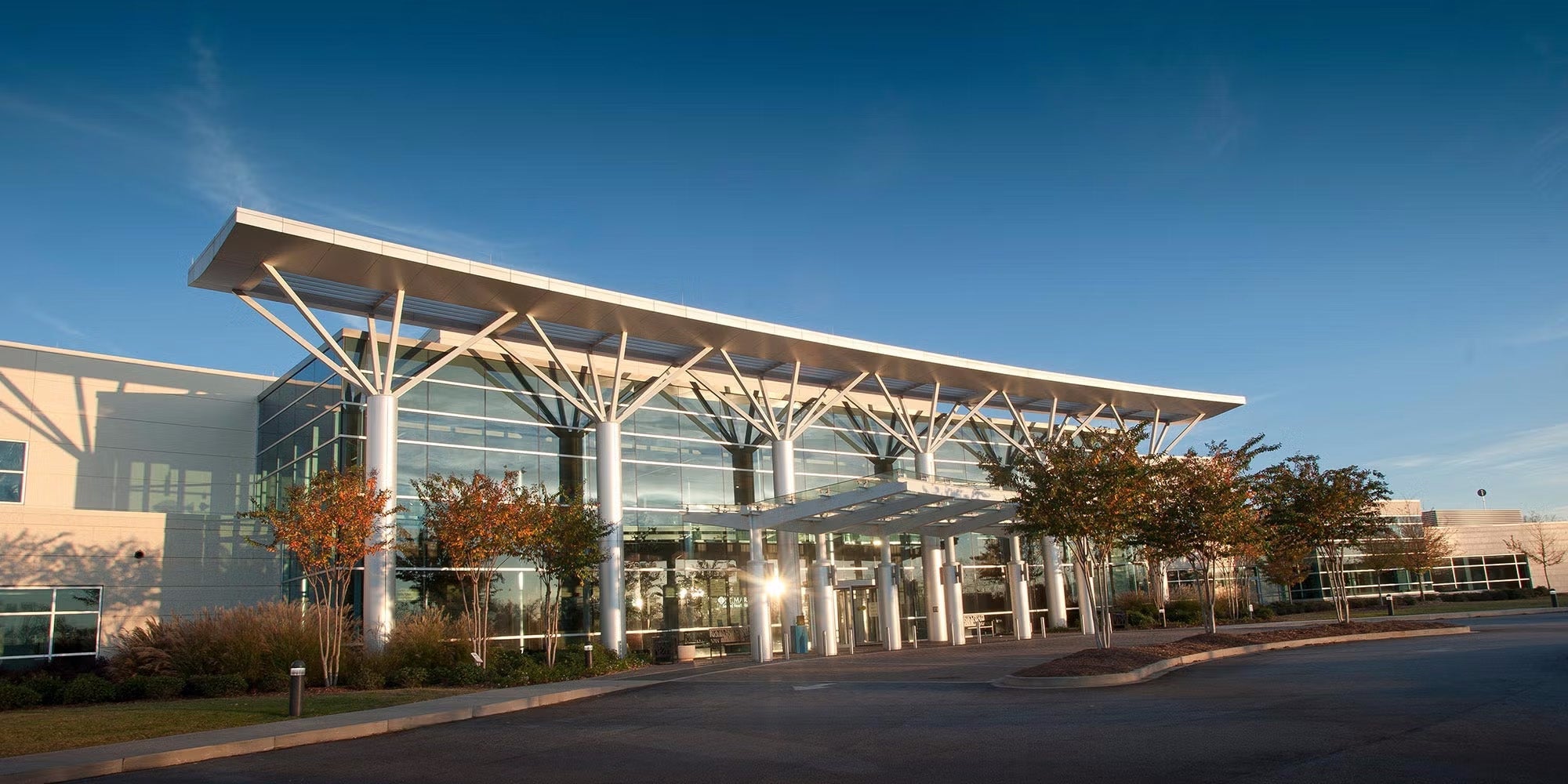
St. Mary's Sacred Heart Hospital
367 Clear Creek Pkwy
Lavonia, GA 30553

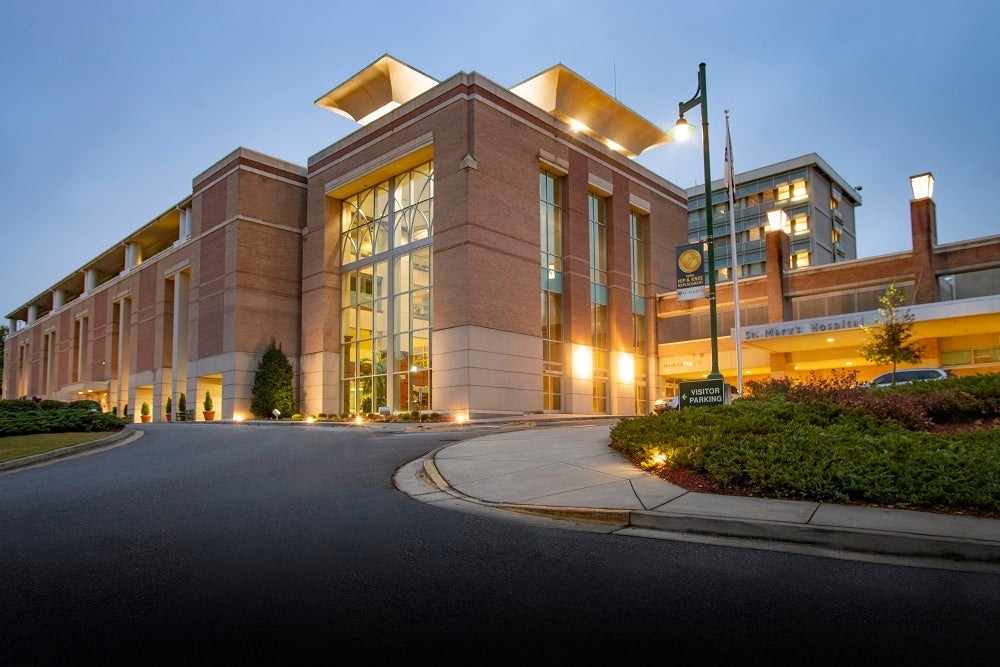
St. Mary's Good Samaritan Hospital
5401 Lake Oconee Parkway
Greensboro, GA 30642-4232
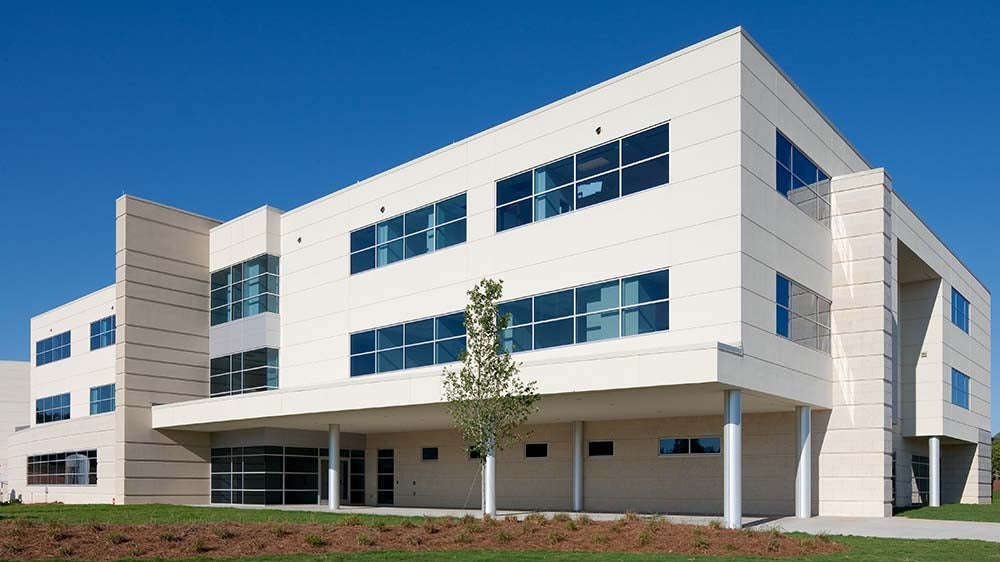
St. Mary's Sacred Heart Wellness Center
367 Clear Creek Parkway
Lavonia, GA 30553

St. Mary's Outpatient Rehab
2470 Daniells Bridge Road Building 300, 2nd Floor
Athens, GA 30606
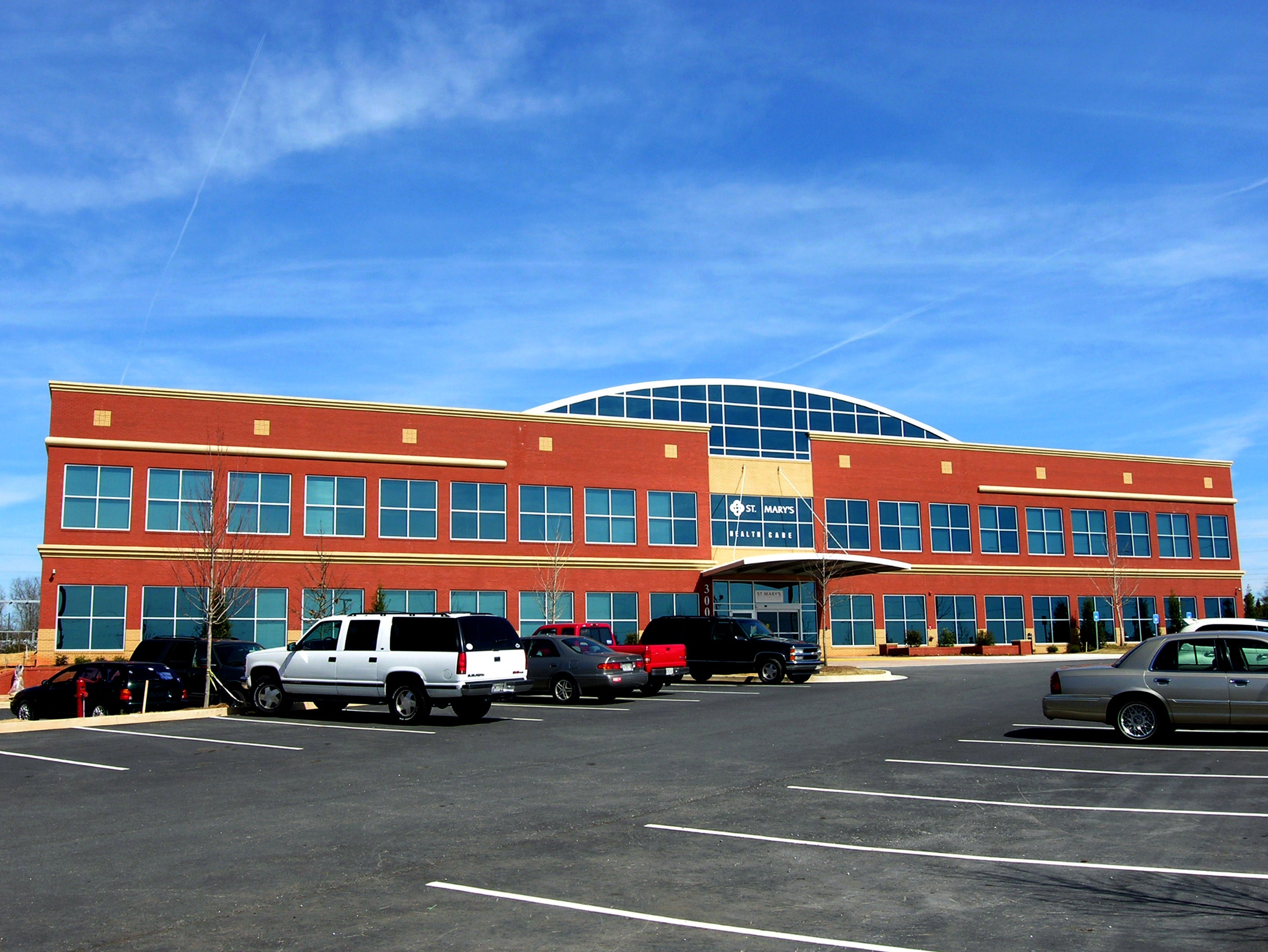
St. Mary's Wellness Center
2470 Daniells Bridge Road Building #300, 2nd floor
Athens, GA 30606