Cognitive Rehabilitation Therapy for Memory, Thinking & Daily Function in Athens, GA
Changes in memory, attention, communication, or problem-solving can make daily life feel frustrating and overwhelming for both patients and families. At St. Mary’s Health Care System, our cognitive rehabilitation therapy program helps individuals strengthen cognitive skills, improve daily function, and regain confidence through personalized speech-language pathology (SLP) and occupational therapy services.
Compassionate cognitive rehabilitation therapy to support memory, communication, problem-solving, and independence across Northeast Georgia.
Athens Office Greensboro Office Lavonia Office
What Is Cognitive Rehabilitation Therapy?
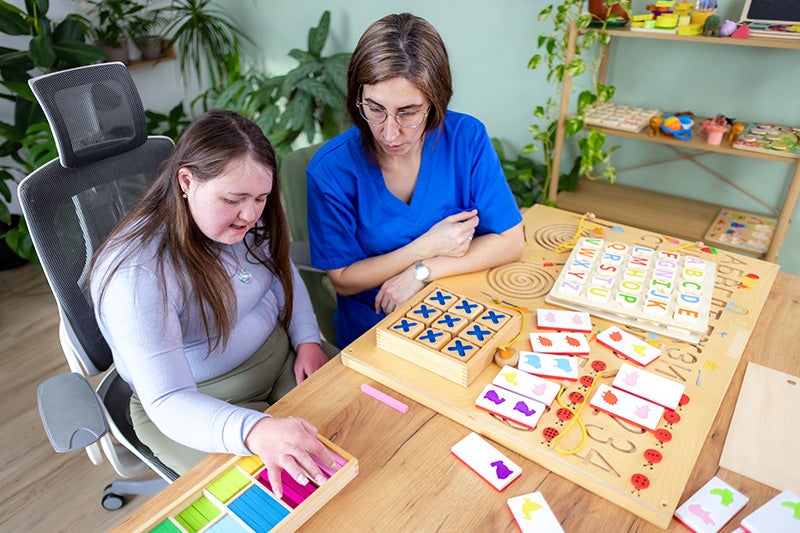
Cognitive rehabilitation therapy is a specialized therapy program designed to improve thinking, memory, attention, communication, organization, and problem-solving skills that may be affected by injury, illness, neurological conditions, or aging-related changes.
At St. Mary’s Health Care System, cognitive rehabilitation combines speech-language pathology and occupational therapy techniques to support both cognitive function and practical daily living skills. Therapy plans are tailored to each patient’s symptoms, goals, lifestyle, and level of function.
Treatment may focus on:
- Memory improvement
- Attention and concentration
- Executive functioning
- Communication skills
- Problem-solving
- Organization and planning
- Safety awareness
- Daily task completion
- Adaptive strategies for independence
Learn More About: Physical Therapy, Occupational Therapy, Speech-Language Pathology, Inpatient Rehabilitation, Outpatient Rehabilitation
How Does Cognitive Rehabilitation Matters Impact Recovery and Daily Life?
Cognitive changes can affect many parts of life, including communication, work responsibilities, household tasks, social interactions, medication management, and personal safety. Patients may feel discouraged when tasks that once felt simple suddenly become difficult or confusing.
Cognitive rehabilitation therapy can help:
- Improve memory and attention
- Strengthen communication skills
- Increase independence with daily activities
- Improve organization and planning
- Support safer decision-making
- Reduce frustration and confusion
- Improve confidence and quality of life
- Support caregiver understanding and education
At St. Mary’s Health Care System, our rehabilitation team understands that cognitive recovery is deeply personal. We focus on helping patients make meaningful progress while providing encouragement and support throughout recovery.
Who Can Benefit From Cognitive Rehabilitation Therapy?
Cognitive rehabilitation may benefit individuals experiencing:
- Memory problems
- Difficulty concentrating
- Communication changes
- Confusion or disorientation
- Trouble completing daily tasks
- Reduced problem-solving abilities
- Difficulty organizing thoughts or activities
- Brain fog
- Safety awareness concerns
- Cognitive decline after illness or hospitalization
Therapy may help patients recovering from:
- Stroke
- Traumatic brain injury
- Neurological conditions
- Parkinson’s disease
- Concussion
- Brain surgery
- Multiple sclerosis
- Dementia-related conditions
- Severe illness or hospitalization
Our Approach to Cognitive Rehabilitation Therapy
At St. Mary’s Health Care System, cognitive rehabilitation therapy is personalized to each patient’s individual strengths, challenges, and recovery goals. Our occupational therapists and speech-language pathologists work together to create treatment plans that support practical daily function while helping patients improve cognitive and communication abilities.
Our approach emphasizes:
- One-on-one therapy sessions
- Functional daily-life strategies
- Real-world problem-solving
- Personalized cognitive exercises
- Family and caregiver involvement
- Communication support
- Safety and independence training
- Encouragement and emotional support
We understand that cognitive changes can affect confidence and independence. Our rehabilitation team provides compassionate care designed to help patients feel supported every step of the way.
Cognitive Rehabilitation Techniques & Therapies
Memory Rehabilitation
Therapy may include exercises and strategies designed to improve short-term memory, recall, and retention of important information. Patients may also learn practical memory aids such as calendars, reminders, routines, and organizational systems.
Attention & Concentration Training
Difficulty focusing can affect communication, work, driving, and daily activities. Therapy focuses on improving sustained attention, divided attention, and task completion skills.
Executive Function Training
Executive functioning includes planning, organization, judgment, problem-solving, and decision-making. Rehabilitation helps patients improve these skills through structured exercises and practical daily-life activities.
Communication Strategies
Speech-language pathology may help patients improve communication abilities affected by cognitive changes, including:
- Word-finding
- Thought organization
- Conversational skills
- Processing information
- Understanding directions
- Social communication
Learn More about Speech-Language Pathology
Explore Language Therapy Services
Activities of Daily Living (ADL) Training
Occupational therapy focuses on helping patients safely complete everyday tasks such as:
- Medication management
- Meal preparation
- Financial tasks
- Scheduling
- Personal care routines
- Household activities
Therapists may recommend adaptive strategies and environmental modifications that improve safety and independence.
Caregiver Training & Education
Family members and caregivers often play an important role in recovery. Our therapy team provides education and support to help caregivers understand cognitive challenges, communication strategies, safety recommendations, and ways to support continued progress at home.
Conditions Evaluated and Treated
Stroke Recovery
Stroke can affect memory, communication, attention, reasoning, and problem-solving. Cognitive rehabilitation helps patients strengthen these skills while improving independence and safety.
Traumatic Brain Injury
Brain injuries may cause cognitive and communication changes that affect daily function. Therapy focuses on helping patients rebuild skills and adapt to challenges during recovery.
Parkinson’s Disease & Neurological Conditions
Neurological disorders can affect cognitive processing, communication, attention, and executive functioning. Rehabilitation therapy helps support long-term cognitive and functional abilities.
Learn More about LSVT Big & Loud Therapy
Concussion & Post-Concussion Symptoms
Some patients experience lingering memory, concentration, or communication difficulties after a concussion. Cognitive therapy can help improve function and reduce frustration during recovery.
Dementia-Related Cognitive Changes
While some cognitive conditions are progressive, therapy may still help patients maintain function, improve communication strategies, and support daily independence for as long as possible.
What to Expect During Cognitive Rehabilitation Therapy
Care begins with a comprehensive evaluation focused on understanding cognitive strengths, communication abilities, daily challenges, and functional goals.
Treatment plans may include:
- Cognitive and communication assessments
- Memory and attention testing
- Functional daily activity evaluation
- Personalized therapy planning
- Structured cognitive exercises
- Communication training
- Home strategy recommendations
- Caregiver education and support
- Ongoing progress monitoring
Therapy sessions are tailored to each patient’s comfort level and recovery pace while focusing on meaningful improvements in daily life.
Cognitive Recovery and Ongoing Care
Cognitive rehabilitation is often a gradual process that continues over time. Many patients benefit from ongoing therapy, home exercises, caregiver support, and adaptive strategies that reinforce progress outside therapy sessions.
Long-term rehabilitation support may include:
- Home cognitive exercises
- Communication strategies
- Safety planning
- Routine-building techniques
- Memory support systems
- Continued caregiver education
- Adaptive daily living strategies
Our rehabilitation team remains focused on helping patients maximize independence, confidence, safety, and quality of life.
A Connected Approach to Cognitive Care
Cognitive rehabilitation often involves collaboration across multiple specialties. St. Mary’s Health Care System provides coordinated care through partnerships between rehabilitation therapists, neurological specialists, imaging providers, primary care teams, and other healthcare professionals involved in recovery.
This connected approach helps ensure patients receive comprehensive support for both cognitive and physical recovery needs.

Compassionate Cognitive Rehabilitation & Care at St. Mary’s Health Care System
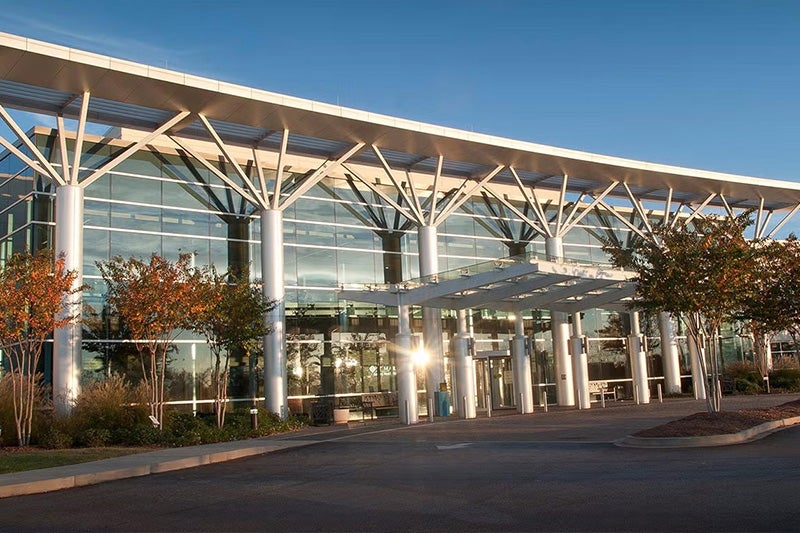
St. Mary’s Health Care System proudly provides cognitive rehabilitation therapy services for patients across Athens, GA, Northeast Georgia, Greensboro, Lavonia, and surrounding communities.
Our rehabilitation team combines advanced therapy techniques with compassionate support designed to help patients improve communication, strengthen cognitive function, and regain confidence in daily life. We are committed to helping patients and families feel supported throughout every stage of recovery.
St. Mary's Outpatient Rehabilitation
Good Samaritan Hospital Outpatient Rehabilitation
Sacred Heart Outpatient Rehabilitation
Frequently Asked Questions about Cognitive Rehabilitation
Cognitive rehabilitation therapy is a specialized treatment designed to improve memory, attention, communication, problem-solving, and daily functioning after illness, injury, or neurological conditions.
Cognitive rehabilitation may help patients recovering from stroke, traumatic brain injury, concussion, neurological disorders, brain surgery, Parkinson’s disease, and other conditions that affect thinking or communication skills.
Occupational therapy focuses on practical daily-life skills, safety, organization, and independence. Speech-language pathology focuses on communication, memory, attention, language processing, and cognitive communication skills.
Yes. Therapy may help strengthen memory skills while also teaching strategies and tools that support memory and organization in daily life.
Executive functioning skills include planning, organization, judgment, decision-making, problem-solving, and task and routine management.
Yes. Cognitive rehabilitation is commonly used after a stroke to help improve communication, memory, reasoning, attention, and independence with daily activities.
SLP stands for speech-language pathology or speech-language pathologist. SLP therapy focuses on communication, cognition, swallowing, speech, and language-related conditions.
Recovery timelines vary based on the condition being treated, symptom severity, and patient goals. Some patients improve within weeks, while others benefit from longer-term therapy support.
Yes. Caregiver and family education are often important parts of cognitive rehabilitation and can help support continued progress at home.
Initial appointments usually include evaluations of memory, communication, attention, daily functioning, and problem-solving abilities to help create a personalized therapy plan.
Many insurance plans cover medically necessary rehabilitation services. Coverage varies, and our care team can help patients better understand therapy and insurance options.
Related Locations
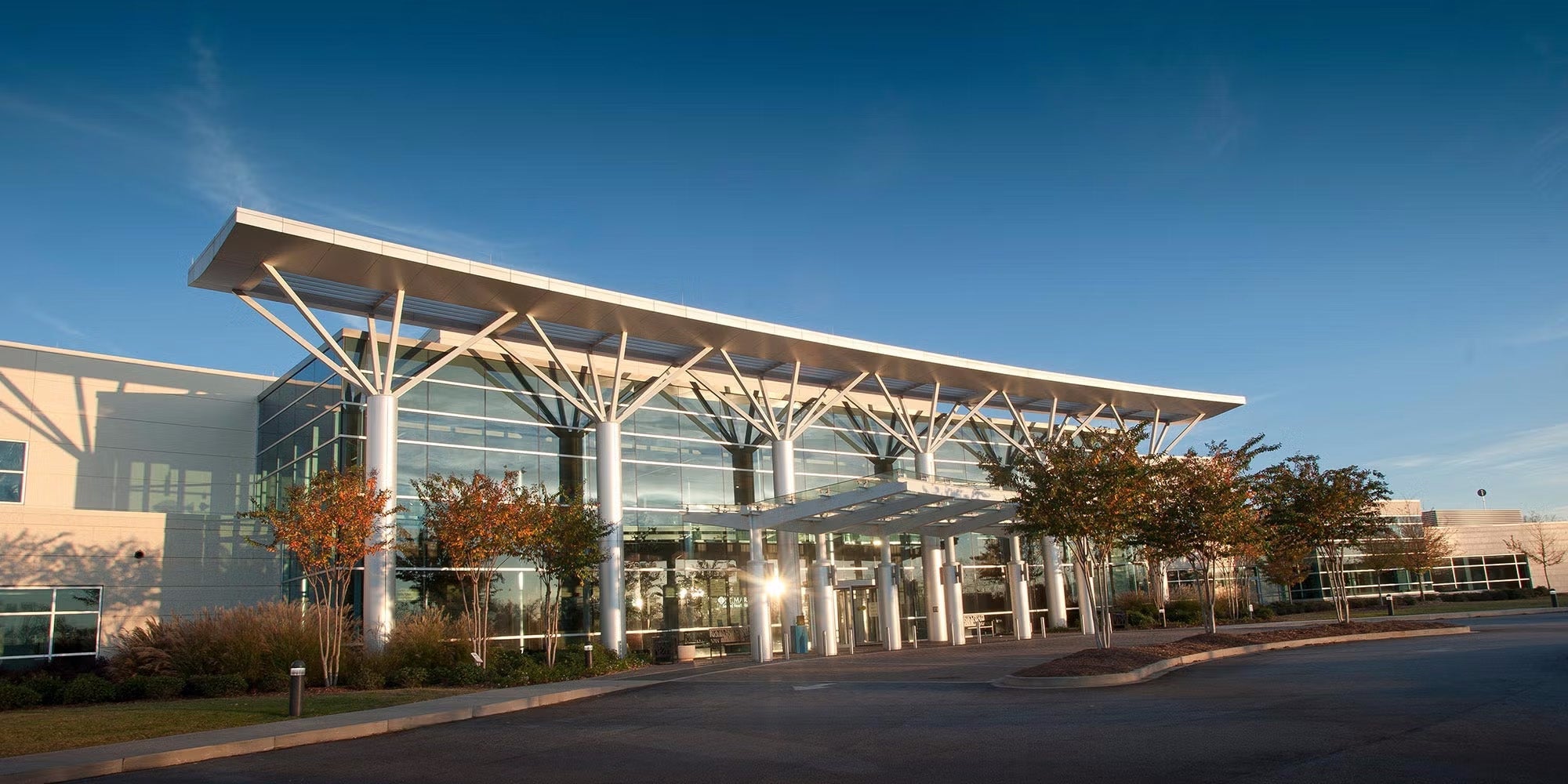
St. Mary's Sacred Heart Hospital
367 Clear Creek Pkwy
Lavonia, GA 30553
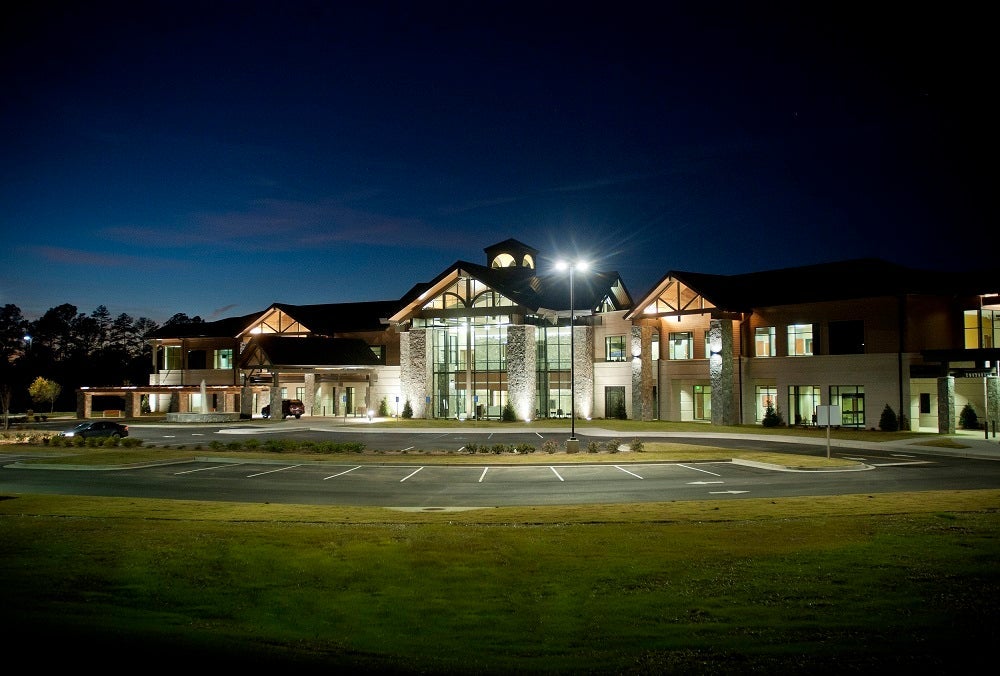
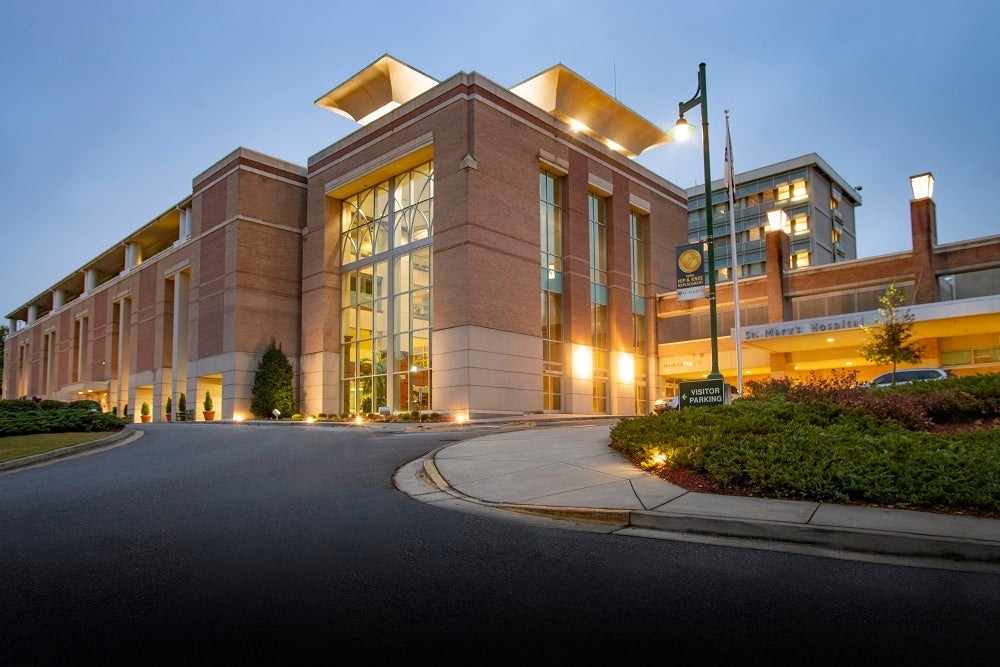
St. Mary's Good Samaritan Hospital
5401 Lake Oconee Parkway
Greensboro, GA 30642-4232
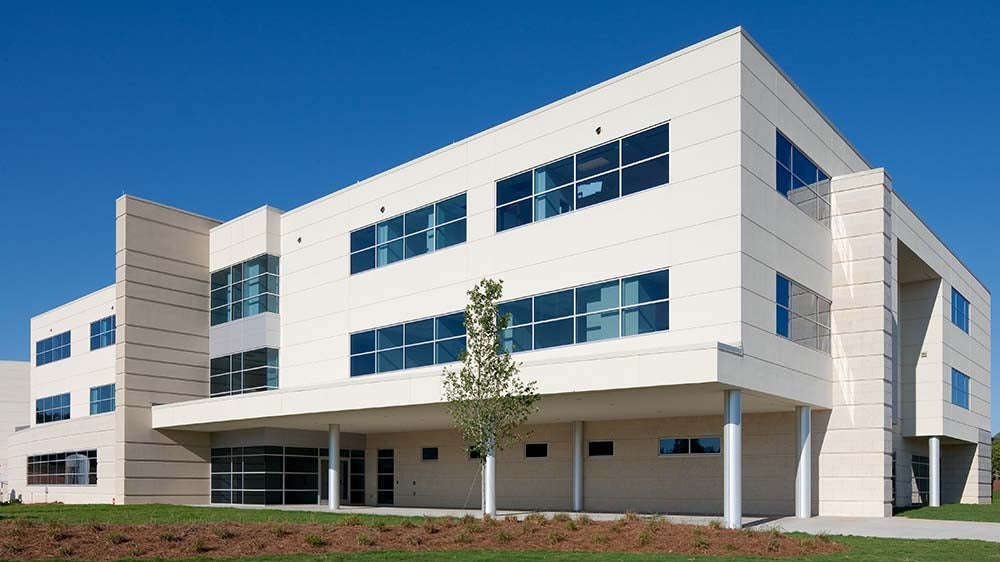
St. Mary's Sacred Heart Wellness Center
367 Clear Creek Parkway
Lavonia, GA 30553

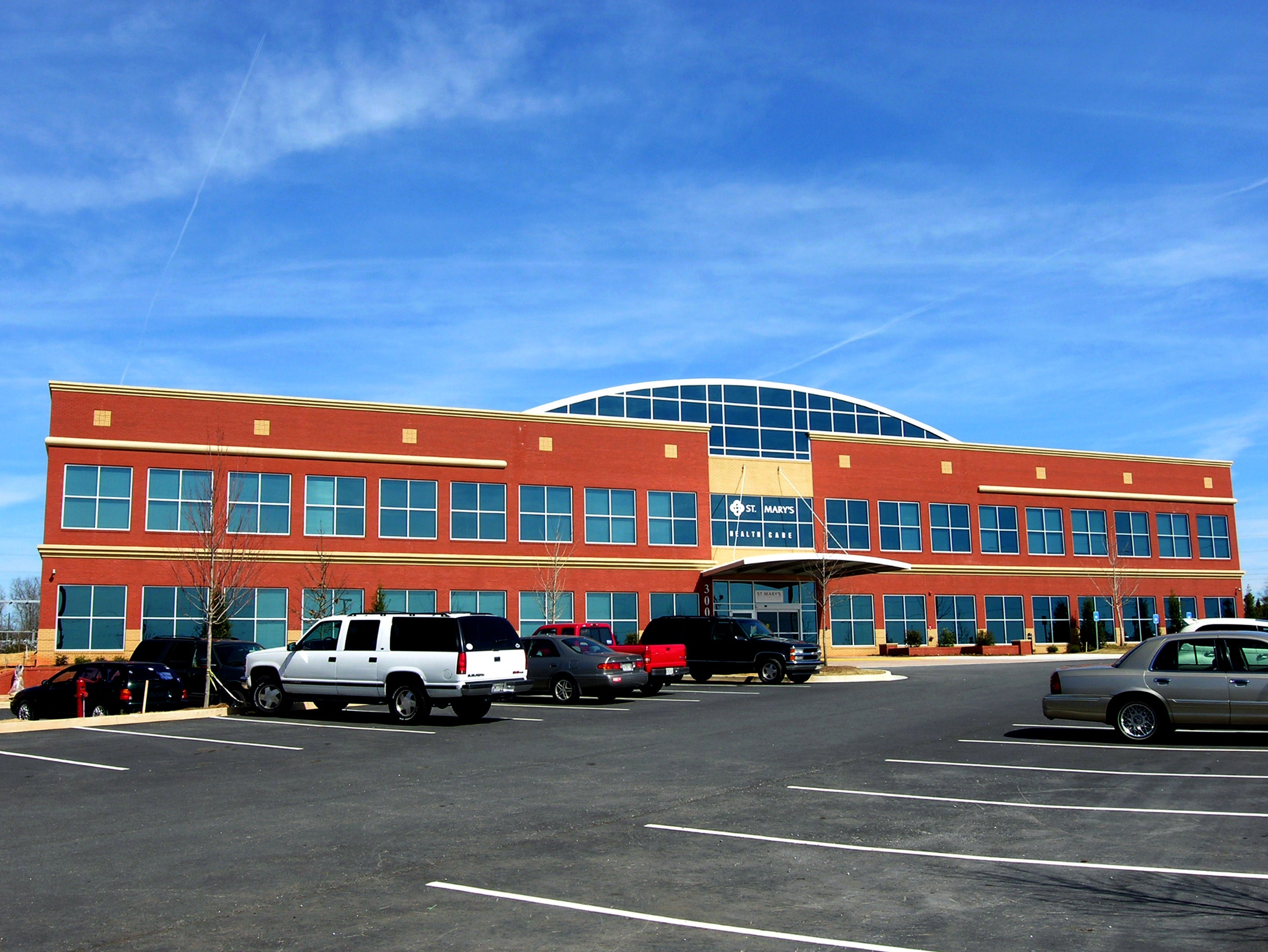
St. Mary's Outpatient Rehab
2470 Daniells Bridge Road Building 300, 2nd Floor
Athens, GA 30606
St. Mary's Wellness Center
2470 Daniells Bridge Road Building #300, 2nd floor
Athens, GA 30606