Comprehensive Amputee Rehabilitation Therapy & Recovery Support in Athens, GA
Losing a limb can affect nearly every part of daily life, from mobility and balance to emotional well-being and independence. At St. Mary’s Health Care System, our amputee rehabilitation program is designed to help patients rebuild strength, restore function, and move forward with confidence through personalized physical therapy and occupational therapy services.
Compassionate physical and occupational therapy support to help patients regain strength, mobility, confidence, and independence after limb loss across Northeast Georgia.
Athens Office Greensboro Office Lavonia Office
What Is Amputee Rehabilitation?
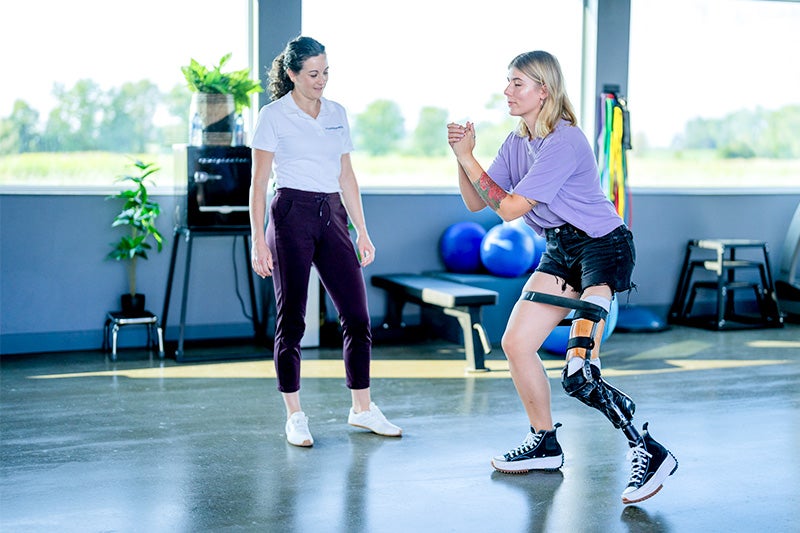
Amputee rehabilitation is a specialized therapy program that helps individuals recover physically and emotionally after the loss of a limb. Rehabilitation focuses on improving mobility, strength, coordination, balance, endurance, and independence, while preparing patients to use prosthetic devices safely when appropriate.
At St. Mary’s Health Care System, amputee rehabilitation combines physical therapy and occupational therapy to support the whole person throughout recovery. Treatment plans are personalized based on each patient’s goals, health needs, lifestyle, and level of mobility.
Physical therapy often focuses on:
- Balance and gait training
- Strengthening exercises
- Mobility and endurance
- Prosthetic training
- Fall prevention
- Pain management
Occupational therapy focuses on:
- Activities of daily living (ADLs)
- Adaptive techniques
- Dressing and bathing strategies
- Home and workplace modifications
- Fine motor skills
- Building confidence and independence
Learn More About: Physical Therapy, Occupational Therapy, Speech-Language Pathology, Inpatient Rehabilitation, Outpatient Rehabilitation
How Does Amputee Rehabilitation Assist in Recovery?
Rehabilitation after limb loss can help patients regain physical function while improving confidence, safety, and quality of life. Without rehabilitation support, many individuals may struggle with balance problems, muscle weakness, limited mobility, pain, or difficulty completing everyday activities independently.
Early rehabilitation can help:
- Improve healing and mobility
- Reduce the risk of falls and injury
- Increase strength and endurance
- Prepare the body for prosthetic use
- Improve balance and walking ability
- Support emotional adjustment and confidence
- Encourage a safer return to work, school, hobbies, and daily routines
At St. Mary’s Health Care System, our rehabilitation team understands that recovery after amputation is both physical and emotional. We focus on helping patients feel supported, encouraged, and empowered throughout every stage of care.
Who Can Benefit From Amputee Rehabilitation?
Amputee rehabilitation may benefit individuals who have experienced:
- Leg amputation
- Arm amputation
- Partial hand or foot amputation
- Limb loss related to diabetes
- Traumatic injury
- Vascular disease
- Infection-related amputation
- Cancer-related amputation
- Congenital limb differences
Patients may begin therapy:
- Before amputation surgery
- Shortly after surgery
- During prosthetic fitting
- After receiving a prosthetic device
- Months or years after limb loss if mobility challenges continue
Our Approach to Amputee Rehabilitation Therapy
At St. Mary’s Health Care System, rehabilitation is designed around each patient’s individual goals, lifestyle, and recovery needs. Our physical therapists and occupational therapists work together to create a personalized treatment plan focused on helping patients regain independence safely and confidently.
We emphasize:
- One-on-one therapy sessions
- Whole-person recovery
- Functional movement training
- Safe mobility strategies
- Emotional encouragement and support
- Gradual progress toward meaningful goals
- Family and caregiver education when appropriate
Our rehabilitation team helps patients build the skills needed to navigate daily life with greater comfort, confidence, and independence.
Rehabilitation Techniques & Therapies
Pre-Prosthetic Training
Therapy before prosthetic fitting focuses on preparing the body for recovery and future prosthetic use. This may include strengthening exercises, mobility training, balance improvement, and education about caring for the residual limb.
Prosthetic Training
Once a prosthetic device is fitted, therapists help patients safely learn how to use it during standing, walking, movement transitions, and daily activities. Therapy focuses on improving comfort, coordination, confidence, and function.
Balance & Gait Training
Limb loss can significantly affect balance and walking patterns. Physical therapy helps patients improve stability, coordination, posture, and safe mobility while reducing fall risk.
Learn More about Balance Therapy
Learn More about Fall Recovery & Rehabilitation
Desensitization Therapy
Some patients experience sensitivity, discomfort, or phantom limb sensations after amputation. Desensitization techniques help reduce discomfort and improve tolerance to touch, pressure, and movement.
Activities of Daily Living (ADL) Training
Occupational therapy helps patients relearn or adapt important daily activities such as:
- Dressing
- Bathing
- Grooming
- Cooking
- Household tasks
- Returning to work or hobbies
Therapists may also recommend adaptive equipment or home modifications that improve safety and independence.
Strength & Endurance Rehabilitation
Therapy programs often include exercises designed to improve:
- Core strength
- Flexibility
- Endurance
- Upper and lower body strength
- Functional movement
These exercises support long-term mobility and help reduce strain on other joints and muscles.
What to Expect During Amputee Rehabilitation
Recovery begins with a comprehensive evaluation to understand each patient’s medical history, mobility level, goals, and daily challenges.
Treatment plans may include:
- Physical assessment and mobility evaluation
- Balance and strength testing
- Residual limb care education
- Prosthetic preparation or training
- Functional movement exercises
- Home exercise recommendations
- Ongoing progress monitoring
Therapy sessions are designed to progress gradually while helping patients build confidence and independence at a pace that feels safe and manageable.
Recovery and Ongoing Care after Limb Amputation
Recovery after limb loss is a journey that continues over time. St. Mary’s Health Care System provides ongoing rehabilitation support to help patients continue improving strength, mobility, safety, and quality of life.
Long-term rehabilitation may include:
- Continued prosthetic training
- Strength and mobility progression
- Fall prevention strategies
- Adaptive equipment recommendations
- Pain management support
- Home exercise programs
- Return-to-work or activity planning
Our team remains committed to helping patients stay active, independent, and connected to the activities and routines that matter most.
A Connected Approach to Care Amputee Rehabilitation
Amputee rehabilitation often involves coordinated care across multiple specialties. St. Mary’s Health Care System provides integrated support through collaboration between rehabilitation therapists, surgical specialists, imaging teams, primary care providers, and other healthcare professionals involved in recovery.
This connected approach helps ensure patients receive comprehensive care that supports healing, mobility, long-term wellness, and overall quality of life.

Post Amputation Treatment & Care at St. Mary’s Health Care System
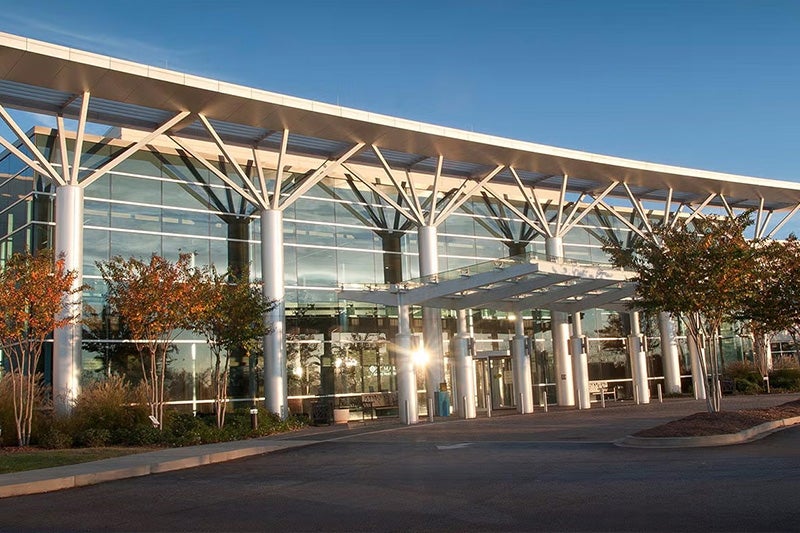
St. Mary’s Health Care System is proud to provide compassionate rehabilitation services close to home for patients across Athens, GA, Northeast Georgia, Greensboro, Lavonia, and surrounding communities. Our rehabilitation team combines advanced therapy techniques with personalized support designed to help patients regain confidence, mobility, and independence after limb loss. We are committed to providing high-level care with the encouragement, compassion, and respect every patient deserves.
St. Mary's Outpatient Rehabilitation
Good Samaritan Hospital Outpatient Rehabilitation
Sacred Heart Outpatient Rehabilitation
Frequently Asked Questions about Amputee Rehabilitation
Amputee rehabilitation is a specialized therapy program that helps individuals recover after limb loss. Rehabilitation focuses on mobility, balance, strength, prosthetic training, daily activities, and improving independence.
Rehabilitation may begin before surgery, shortly after amputation, or after prosthetic fitting, depending on the patient’s condition and recovery needs. Early therapy often helps improve long-term outcomes.
Physical therapy primarily focuses on movement, strength, balance, walking, and prosthetic mobility. Occupational therapy focuses on daily activities, adaptive techniques, fine motor skills, and independence at home or work.
Yes. Rehabilitation therapists provide prosthetic training to help patients safely learn how to stand, walk, move, and perform daily activities using a prosthetic device.
Activities of daily living (ADLs) are routine self-care tasks such as dressing, bathing, eating, grooming, cooking, and household activities. Occupational therapy helps patients regain independence with these tasks after limb loss.
Phantom limb pain is pain or sensation that feels like it is coming from the missing limb after amputation. Rehabilitation therapy and pain management strategies may help reduce discomfort and improve function.
Yes. Balance therapy is an important part of amputee rehabilitation because limb loss can affect stability, posture, coordination, and walking safety.
Recovery timelines vary based on overall health, the type of amputation, prosthetic use, and personal goals. Some patients need therapy for several weeks, while others benefit from longer-term rehabilitation support.
Many insurance plans cover medically necessary rehabilitation services. Coverage varies by plan, and our care team can help patients understand therapy options and insurance questions.
Yes. Rehabilitation therapy focuses on helping patients safely return to meaningful activities, including work responsibilities, hobbies, exercise, and community activities whenever possible.
Some insurance plans or therapy programs may require a referral. Our team can help patients understand the steps needed to begin rehabilitation care.
Related Locations
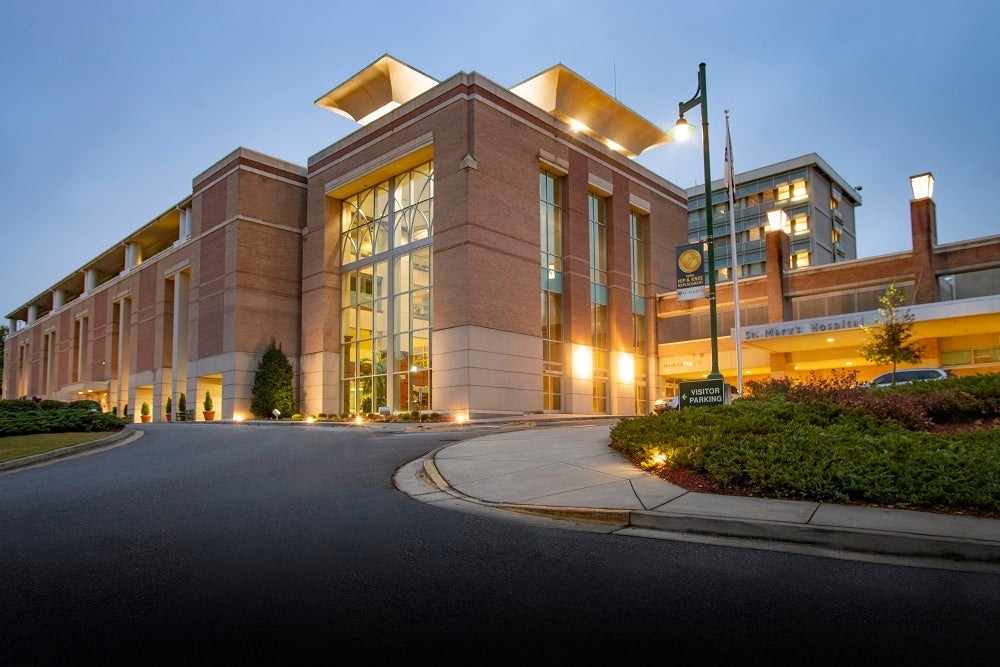
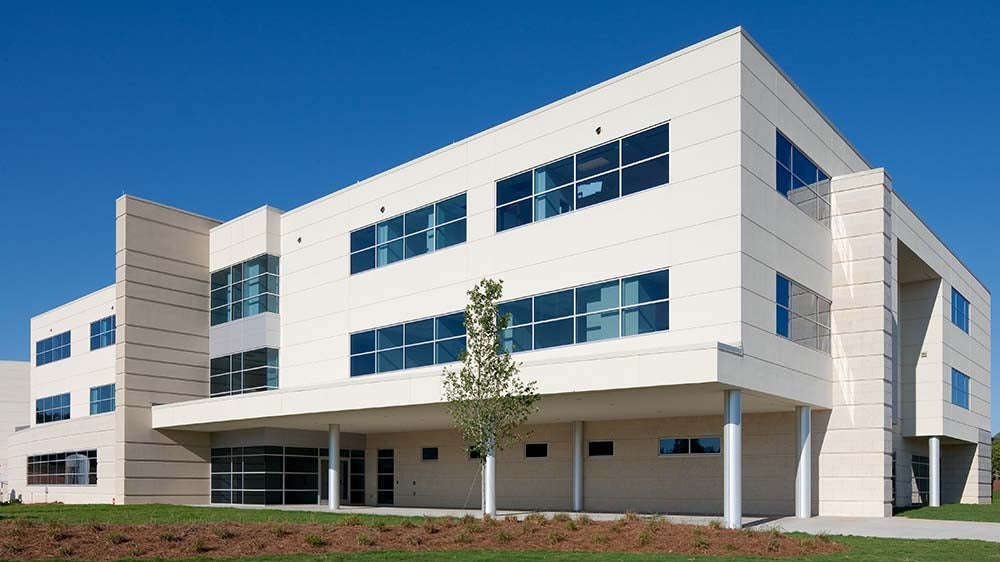
St. Mary's Sacred Heart Wellness Center
367 Clear Creek Parkway
Lavonia, GA 30553

St. Mary's Outpatient Rehab
2470 Daniells Bridge Road Building 300, 2nd Floor
Athens, GA 30606
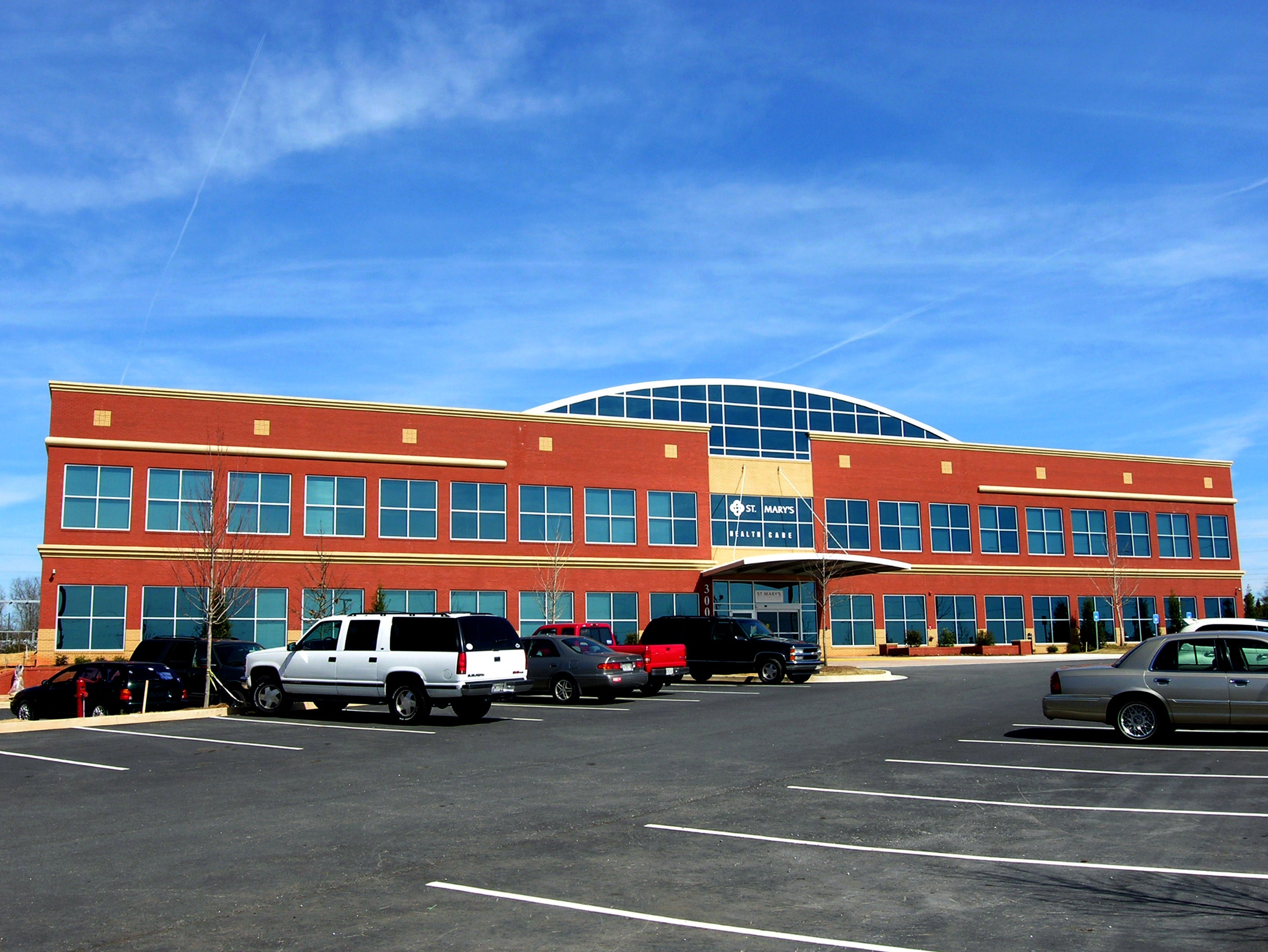
St. Mary's Wellness Center
2470 Daniells Bridge Road Building #300, 2nd floor
Athens, GA 30606
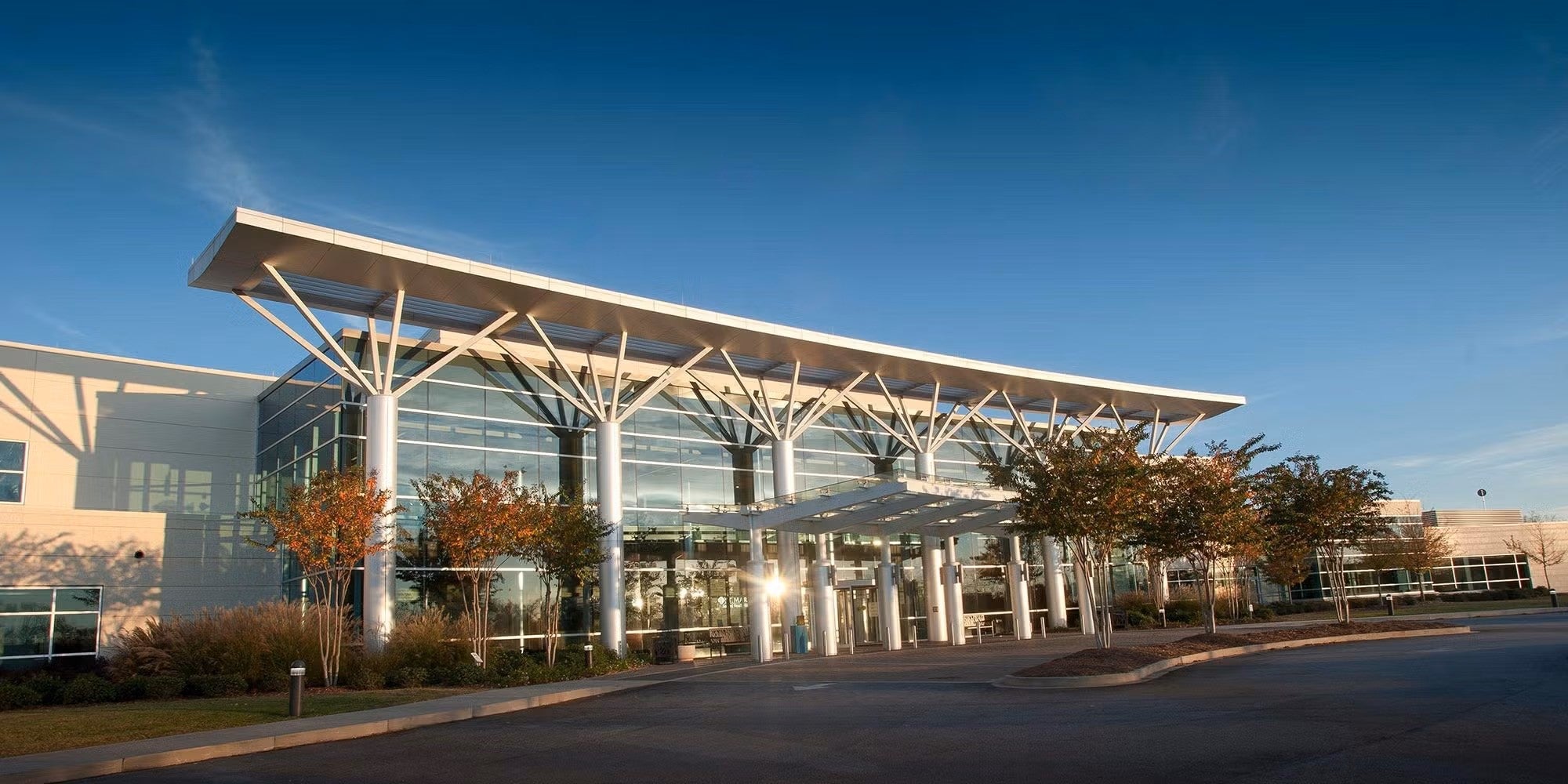
Sacred Heart Outpatient Rehabilitation
367 Clear Creek Parkway
Lavonia, GA 30553
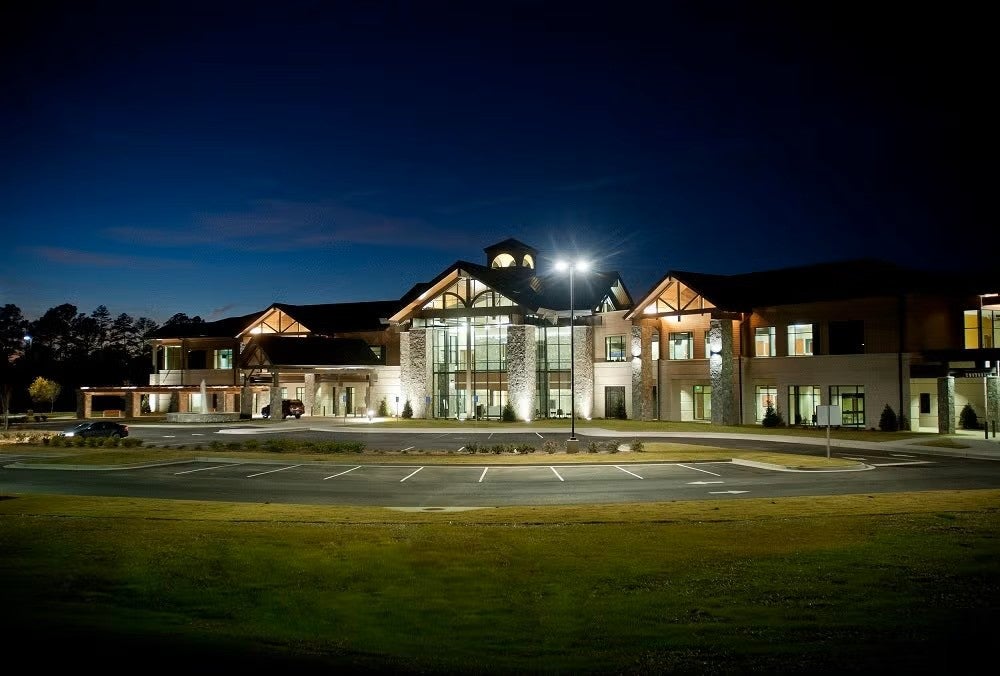
Good Samaritan Hospital Outpatient Rehabilitation
5401 Lake Oconee Parkway
Greensboro, GA 30642