Pelvic Floor Therapy in Athens, GA for Bladder, Bowel & Pelvic Health
Pelvic floor conditions are common, but many people suffer in silence because they feel embarrassed, frustrated, or unsure where to seek help. At St. Mary's Health Care System, our pelvic floor therapy program provides compassionate, personalized care for individuals experiencing bladder control issues, bowel dysfunction, pelvic pain, postpartum recovery challenges, and other pelvic health concerns.
Compassionate pelvic floor rehabilitation focused on improving bladder control, bowel function, pelvic comfort, and quality of life across Northeast Georgia.
Athens Office Greensboro Office Lavonia Office

Personalized Care for Sensitive Health Concerns
Pelvic floor symptoms can affect physical comfort, emotional well-being, relationships, work, exercise, and daily activities. At St. Mary's Health Care System, we understand that discussing these concerns can feel difficult.
Our specially trained rehabilitation professionals work closely with patients to identify the underlying causes of symptoms and create individualized treatment plans designed to improve function, reduce discomfort, and restore confidence in daily life. We proudly serve patients throughout Athens, Lavonia, Greensboro, Northeast Georgia, and surrounding communities with evidence-based pelvic floor therapy delivered in a supportive, respectful environment.
Your St. Mary's Care Team provides attentive, confidential care focused on helping patients feel comfortable, informed, and empowered throughout treatment. Our goal is to help you regain control, improve function, and return to the activities that matter most to you.
What Is Pelvic Floor Therapy?
Specialized Rehabilitation for Pelvic Floor Dysfunction
Pelvic floor therapy is a specialized rehabilitation program focused on evaluating and treating conditions affecting the muscles, ligaments, connective tissues, and nerves that support the bladder, bowel, reproductive organs, and pelvic structures.
The pelvic floor plays an important role in:
- Bladder control
- Bowel control
- Core stability
- Sexual function
- Pregnancy and postpartum recovery
- Pelvic organ support
When pelvic floor muscles become weak, tight, injured, uncoordinated, or dysfunctional, patients may experience symptoms that affect comfort, function, and quality of life.
Pelvic floor therapy helps restore proper muscle function through personalized treatment techniques, education, exercises, and rehabilitation strategies designed to address each patient's specific needs.
Learn More About: Rehabilitative Services, Occupational Therapy Services, Physical Therapy Services
How Pelvic Floor Therapy Supports Long-Term Health
Pelvic floor dysfunction can affect individuals of all ages and may develop following pregnancy, childbirth, surgery, aging, injury, chronic illness, or other medical conditions.
Without treatment, symptoms may worsen over time and interfere with:
- Daily activities
- Exercise and recreation
- Sleep quality
- Workplace performance
- Emotional well-being
- Personal relationships
- Independence and confidence
Early evaluation and treatment often help patients improve symptoms, prevent complications, and return to normal activities more comfortably.
Conditions Evaluated & Treated with Pelvic Floor Therapy
Urinary Incontinence
Urinary incontinence refers to the loss of bladder control, which may range from occasional leakage to more significant urinary difficulties.
Patients may experience:
- Leakage during coughing, sneezing, or exercise
- Urgency and difficulty reaching the restroom
- Frequent urination
- Nighttime urinary symptoms
Pelvic floor therapy helps strengthen and retrain muscles involved in bladder control while addressing contributing factors that may affect urinary function.
Fecal Incontinence & Bowel Dysfunction
Pelvic floor dysfunction can affect bowel control, leading to accidental leakage, constipation, difficulty emptying the bowels, or other bowel-related symptoms.
Therapy focuses on improving muscle coordination, strength, and functional bowel management strategies.
Pelvic Organ Prolapse
Pelvic organ prolapse occurs when pelvic organs shift downward due to weakness in the supporting tissues and muscles.
Patients may experience:
- Pelvic pressure
- Feelings of heaviness
- Discomfort during activities
- Bladder or bowel difficulties
Pelvic floor rehabilitation can help improve support, symptom management, and overall function.
Chronic Pelvic Pain
Chronic pelvic pain may develop from muscle tension, nerve irritation, scar tissue, pelvic floor dysfunction, or underlying medical conditions.
Treatment focuses on reducing muscle dysfunction, improving mobility, relieving discomfort, and restoring normal movement patterns.
Postpartum Recovery
Pregnancy and childbirth place significant demands on the pelvic floor muscles and surrounding tissues.
Pelvic floor therapy may help address:
- Postpartum weakness
- Core stability concerns
- Pelvic discomfort
- Urinary leakage
- Return-to-activity goals
Many patients benefit from rehabilitation support during the postpartum recovery period.
Sexual Function Concerns
Pelvic floor dysfunction can contribute to discomfort, muscle tightness, weakness, or other concerns affecting sexual health and intimacy.
Therapy may help improve pelvic floor muscle function and address contributing physical factors.
Pelvic Floor Therapy Treatments & Services
Pelvic Floor Muscle Training
Targeted exercises help strengthen, coordinate, and retrain pelvic floor muscles to improve support, control, and function.
Biofeedback Therapy
Biofeedback technology helps patients better understand how pelvic floor muscles are functioning by providing real-time feedback during therapy sessions.
This information can help improve muscle awareness, coordination, and treatment outcomes.
Manual Therapy
Hands-on treatment techniques may help address muscle tension, scar tissue restrictions, joint mobility issues, and soft tissue dysfunction contributing to symptoms.
Electrical Stimulation
Electrical stimulation may be used when appropriate to help activate weakened muscles, improve muscle awareness, and support rehabilitation goals.
Bladder & Bowel Retraining
Therapists provide strategies designed to improve bladder and bowel habits, reduce urgency symptoms, and promote healthier pelvic floor function.
Education & Lifestyle Coaching
Patient education plays an important role in pelvic floor rehabilitation.
Topics may include:
- Fluid management
- Healthy bladder habits
- Bowel health
- Exercise modifications
- Posture and body mechanics
- Lifestyle adjustments to support long-term wellness
What to Expect During Pelvic Floor Therapy
Comprehensive Evaluation
Treatment begins with a private, detailed evaluation focused on symptoms, medical history, functional limitations, lifestyle factors, and personal goals.
Your therapist will discuss concerns, answer questions, and develop a clear understanding of how symptoms are affecting daily life.
Individualized Treatment Planning
Your St. Mary's Care Team develops a personalized treatment plan based on your diagnosis, symptoms, goals, and comfort level.
One-on-One Therapy Sessions
Patients receive individualized treatment using evidence-based techniques designed to improve pelvic floor function and support long-term symptom management.
Home Exercise & Self-Management Strategies
Patients receive practical exercises, education, and strategies to reinforce progress between appointments.
Ongoing Progress Monitoring
Treatment plans are regularly adjusted based on progress, symptom improvement, and changing recovery goals.
Recovery & Long-Term Care after Pelvic Floor Therapy
Many patients experience meaningful improvements in bladder control, bowel function, pain levels, pelvic stability, and overall quality of life through pelvic floor therapy.
Long-term success often includes a combination of therapy, home exercises, healthy lifestyle habits, and ongoing awareness of pelvic floor health. Our rehabilitation specialists help patients develop sustainable strategies designed to support lasting results.
Compassionate Pelvic Floor Therapy & Care at St. Mary's Health Care System
St. Mary's Health Care System provides comprehensive pelvic floor rehabilitation services through a coordinated team of physical therapists, occupational therapists, physicians, rehabilitation specialists, imaging professionals, and women's health providers.
Patients benefit from compassionate, confidential care delivered in a welcoming environment focused on restoring function, reducing symptoms, and improving quality of life.
We proudly serve patients throughout Athens, Lavonia, Greensboro, Northeast Georgia, and surrounding communities with advanced pelvic health services close to home.


A Connected Approach to Pelvic Floor Therapy and Care
Pelvic floor therapy at St. Mary's Health Care System is part of a coordinated healthcare network that brings together rehabilitation specialists, primary care providers, women's health professionals, imaging teams, surgeons, orthopedic specialists, and other healthcare providers throughout Northeast Georgia.
This collaborative approach allows patients to receive seamless care throughout diagnosis, treatment, rehabilitation, recovery, and long-term wellness management.
By combining evidence-based rehabilitation techniques with compassionate, community-centered care, St. Mary's Health Care System helps patients feel supported, respected, and confident throughout their pelvic health journey.
St. Mary's Outpatient Rehabilitation
Good Samaritan Hospital Outpatient Rehabilitation
Sacred Heart Outpatient Rehabilitation
Frequently Asked Questions about Pelvic Floor Therapy
Pelvic floor therapy is a specialized rehabilitation program that evaluates and treats conditions affecting the muscles, tissues, and structures that support the bladder, bowel, and pelvic organs.
Pelvic floor therapy may benefit individuals experiencing urinary incontinence, bowel dysfunction, pelvic pain, prolapse, postpartum recovery concerns, or sexual function issues.
While urinary leakage becomes more common with age, it is not considered a normal or unavoidable part of aging. Pelvic floor therapy may help improve symptoms.
Yes. Many patients benefit from pelvic floor rehabilitation after pregnancy and childbirth to improve strength, stability, bladder control, and overall recovery.
Pelvic organ prolapse occurs when pelvic organs shift downward due to weakness in the supporting muscles and tissues.
Biofeedback uses specialized equipment to help patients understand how pelvic floor muscles are functioning and improve muscle control during therapy.
No. Pelvic floor dysfunction can affect people of all genders, and therapy may benefit anyone experiencing pelvic floor-related symptoms.
Yes. Pelvic floor therapy is provided in a private, respectful setting designed to support patient comfort and confidentiality.
Treatment timelines vary based on the condition being treated, symptom severity, individual goals, and response to therapy.
Not always. Many patients experience meaningful symptom improvement through conservative treatment options such as pelvic floor therapy.
Many insurance plans cover medically necessary pelvic floor rehabilitation services. Coverage varies depending on the patient's insurance plan and individual treatment needs.
Related Locations
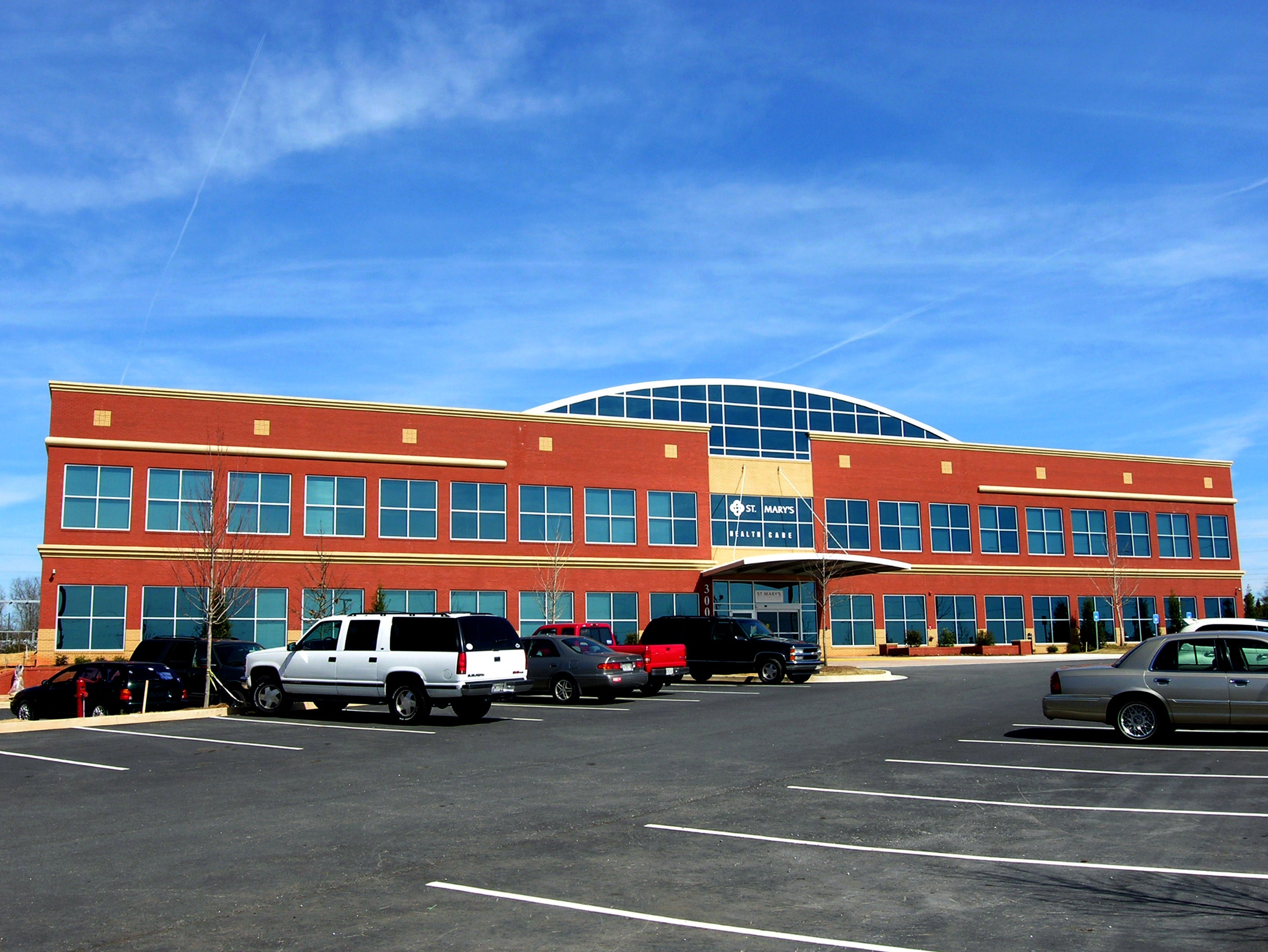
St. Mary's Wellness Center
2470 Daniells Bridge Road Building #300, 2nd floor
Athens, GA 30606

Sacred Heart Outpatient Rehabilitation
367 Clear Creek Parkway
Lavonia, GA 30553

Good Samaritan Hospital Outpatient Rehabilitation
5401 Lake Oconee Parkway
Greensboro, GA 30642

St. Mary's Sacred Heart Hospital
367 Clear Creek Pkwy
Lavonia, GA 30553

St. Mary's Good Samaritan Hospital
5401 Lake Oconee Parkway
Greensboro, GA 30642-4232