
Balance Therapy in Athens, GA to Improve Stability & Prevent Falls
Whether balance difficulties are caused by aging, neurological conditions, weakness, injury, surgery, vestibular disorders, or other medical concerns, your St. Mary's Care Team develops a personalized rehabilitation plan focused on identifying the root cause and helping patients safely improve function. We proudly serve patients throughout Athens, Lavonia, Greensboro, Northeast Georgia, and surrounding communities with compassionate, evidence-based balance rehabilitation services.
Personalized balance rehabilitation focused on improving stability, coordination, confidence, and mobility across Northeast Georgia.
Athens Office Greensboro Office Lavonia Office

Helping You Move with Confidence Again
Balance challenges can be frustrating and sometimes frightening, especially after a fall or near-fall experience. At St. Mary's Health Care System, we understand how important mobility and independence are to overall quality of life.
Our rehabilitation specialists work closely with each patient to create a supportive, encouraging environment where progress is measured one step at a time. Through personalized therapy and attentive care, we help patients build strength, improve stability, and regain confidence in everyday movement.
Explore Vestibular and Vertigo Therapy Services
Learn More About: Rehabilitation Services, Physical Therapy Services
What Is Balance Therapy?
Specialized Rehabilitation for Balance, Stability & Fall Prevention
Balance therapy is a specialized rehabilitation program designed to improve stability, coordination, posture, strength, and movement control while reducing the risk of falls and mobility-related injuries.
Balance depends on several systems working together, including:
- The inner ear (vestibular system)
- Vision
- Muscles and joints
- Sensory feedback (proprioception)
- The brain and nervous system
When one or more of these systems is affected, patients may experience:
- Unsteadiness
- Dizziness
- Difficulty walking
- Frequent falls
- Fear of falling
- Reduced confidence with movement
Balance therapy helps address these challenges through targeted exercises and rehabilitation techniques designed around each patient's specific needs and underlying condition.
How Balance Therapy Supports Long-Term Health & Recovery
Falls are one of the leading causes of injury among adults, particularly older adults and individuals with neurological or mobility-related conditions.
Balance therapy may help:
- Improve walking safety
- Reduce fall risk
- Increase strength and coordination
- Improve confidence during movement
- Enhance independence
- Support recovery after illness or injury
- Improve overall quality of life
Addressing balance concerns early may help prevent future injuries while supporting long-term mobility and wellness.
Conditions Evaluated & Treated with Balance Therapy
Age-Related Balance Changes
As we age, natural changes in strength, flexibility, reaction time, vision, and sensory processing can affect balance and mobility.
Balance therapy helps patients improve stability and maintain independence through targeted strengthening and mobility exercises.
Fall Risk & Recurrent Falls
Patients who have experienced one or more falls may benefit from comprehensive balance evaluations and fall-prevention strategies designed to reduce future risk.
Therapy focuses on identifying contributing factors while improving strength, coordination, and confidence.
Read More about Fall Recovery and Rehabilitation
Neurological Conditions
Stroke, Parkinson's disease, multiple sclerosis, traumatic brain injury, and other neurological conditions can affect balance, coordination, gait, and mobility.
Rehabilitation programs help patients improve movement patterns and functional independence.
Explore LSVT BIG and LOUD Rehabilitation Services
Learn More about Neurological and Stroke Rehabilitation
General Weakness & Deconditioning
Extended illness, hospitalization, surgery, or inactivity may contribute to weakness and reduced balance control.
Therapy focuses on rebuilding strength, endurance, and mobility confidence.
Learn More about General Deconditioning Therapy
Read More about Post-Surgical Rehabilitation and Recovery
Orthopedic Conditions & Injury Recovery
Joint pain, arthritis, fractures, orthopedic surgery, and musculoskeletal injuries can affect mobility and stability.
Balance rehabilitation helps patients restore movement while reducing the risk of future falls.
Explore Orthopedic Rehabilitation and Recovery
Vestibular Disorders
Conditions affecting the inner ear may cause dizziness, vertigo, imbalance, and difficulty with movement.
Patients experiencing vestibular symptoms may benefit from specialized vestibular rehabilitation in addition to balance therapy.
Balance Therapy Treatments & Services
Balance & Stability Training
Patients participate in exercises designed to improve postural control, body awareness, and overall balance performance during everyday activities.
Strengthening Programs
Targeted strengthening exercises help improve muscle function in areas that support stability, mobility, and safe movement.
Coordination Training
Coordination exercises help improve movement efficiency and the body's ability to respond to changes in position and activity.
Proprioceptive Training
Proprioception refers to the body's awareness of position and movement. Therapy helps improve sensory feedback and movement control to support safer mobility.
Gait Training
Gait training focuses on improving walking mechanics, stride length, posture, and mobility safety while reducing fall risk.
Fall Prevention Strategies
Therapists provide practical education and recommendations designed to reduce fall hazards and improve safety at home and in the community.
Topics may include:
- Home safety modifications
- Assistive device training
- Environmental awareness
- Safe movement techniques
- Mobility confidence strategies
What to Expect During Balance Therapy
Comprehensive Balance Evaluation
Care begins with a detailed assessment focused on balance, mobility, gait, strength, coordination, fall history, medical conditions, and personal goals.
Your therapist works to identify the underlying factors contributing to balance difficulties so treatment can be tailored appropriately.
Individualized Treatment Planning
Your St. Mary's Care Team develops a personalized rehabilitation plan designed around your diagnosis, functional abilities, and recovery goals.
One-on-One Therapy Sessions
Patients receive individualized therapy using progressive exercises and evidence-based techniques focused on improving stability and mobility.
Home Exercise Program
Patients receive customized exercises and practical recommendations designed to reinforce progress between appointments.
Ongoing Progress Assessments
Therapy plans are regularly updated to reflect improvements and support continued progress toward recovery goals.
Recovery & Long-Term Mobility after Balance Therapy
Balance improvement often requires consistent practice, gradual progression, and ongoing attention to mobility health. Many patients experience meaningful improvements in walking confidence, stability, strength, and independence through rehabilitation.
Our rehabilitation specialists work closely with patients to develop sustainable strategies that support long-term mobility, safety, and quality of life.
Compassionate Balance Therapy & Care at St. Mary's Health Care System
St. Mary's Health Care System provides comprehensive balance rehabilitation services through experienced physical therapists and rehabilitation specialists who understand the many factors that can contribute to instability and fall risk.
Patients benefit from individualized treatment plans, advanced rehabilitation techniques, and coordinated care that supports recovery from neurological conditions, orthopedic injuries, surgery, vestibular disorders, and general mobility concerns.
We proudly serve patients throughout Athens, Lavonia, Greensboro, Northeast Georgia, and surrounding communities with compassionate balance therapy focused on helping individuals move with confidence.


A Connected Approach to Balance Rehabilitation
Balance therapy at St. Mary's Health Care System is part of a coordinated rehabilitation network that brings together physical therapists, occupational therapists, neurologists, orthopedic specialists, vestibular rehabilitation providers, primary care physicians, imaging professionals, and specialty care teams throughout Northeast Georgia.
This collaborative approach helps ensure patients receive comprehensive support throughout diagnosis, treatment, rehabilitation, fall prevention, and long-term wellness management.
By combining evidence-based rehabilitation strategies with compassionate, community-centered care, St. Mary's Health Care System helps patients feel supported, empowered, and confident throughout their recovery journey.
St. Mary's Outpatient Rehabilitation
Good Samaritan Hospital Outpatient Rehabilitation
Sacred Heart Outpatient Rehabilitation
Frequently Asked Questions about Balance Therapy
Balance therapy is a specialized rehabilitation program that helps improve stability, coordination, strength, walking ability, and fall prevention through targeted exercises and training.
Patients experiencing falls, balance problems, instability, weakness, neurological conditions, vestibular disorders, orthopedic injuries, or mobility concerns may benefit from balance therapy.
Balance difficulties may result from aging, neurological conditions, inner ear disorders, muscle weakness, injuries, medication side effects, vision changes, or chronic medical conditions.
Yes. Balance therapy is specifically designed to improve stability, strengthen muscles, address mobility concerns, and reduce fall risk.
Proprioception is the body's ability to sense its position and movement in space. It plays an important role in balance, coordination, and safe mobility.
Treatment timelines vary based on the cause of balance difficulties, severity of symptoms, individual goals, and progress during rehabilitation.
Yes. Balance therapy is often an important part of stroke rehabilitation and may help improve mobility, walking ability, and independence.
Yes. Most patients receive personalized home exercise programs designed to support progress between therapy sessions.
Not always. Balance therapy focuses broadly on stability and fall prevention, while vestibular therapy specifically addresses dizziness, vertigo, and inner ear-related balance disorders. Some patients may benefit from both services.
Yes. Balance therapy programs are customized to each patient's abilities and are designed to improve safety, confidence, and independence.
Many insurance plans cover medically necessary balance rehabilitation services. Coverage varies based on individual insurance benefits and treatment needs.
Related Locations
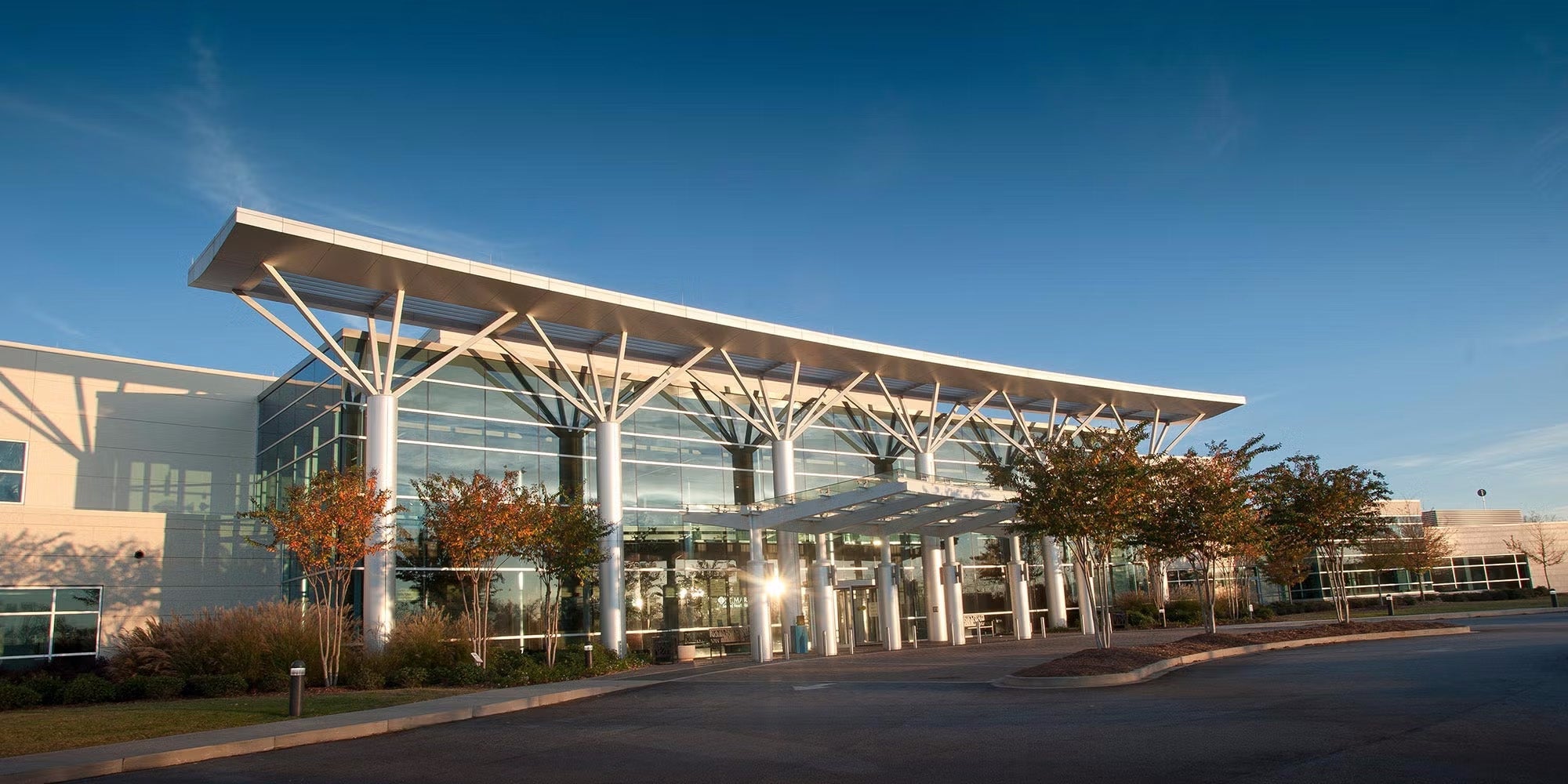
St. Mary's Sacred Heart Hospital
367 Clear Creek Pkwy
Lavonia, GA 30553
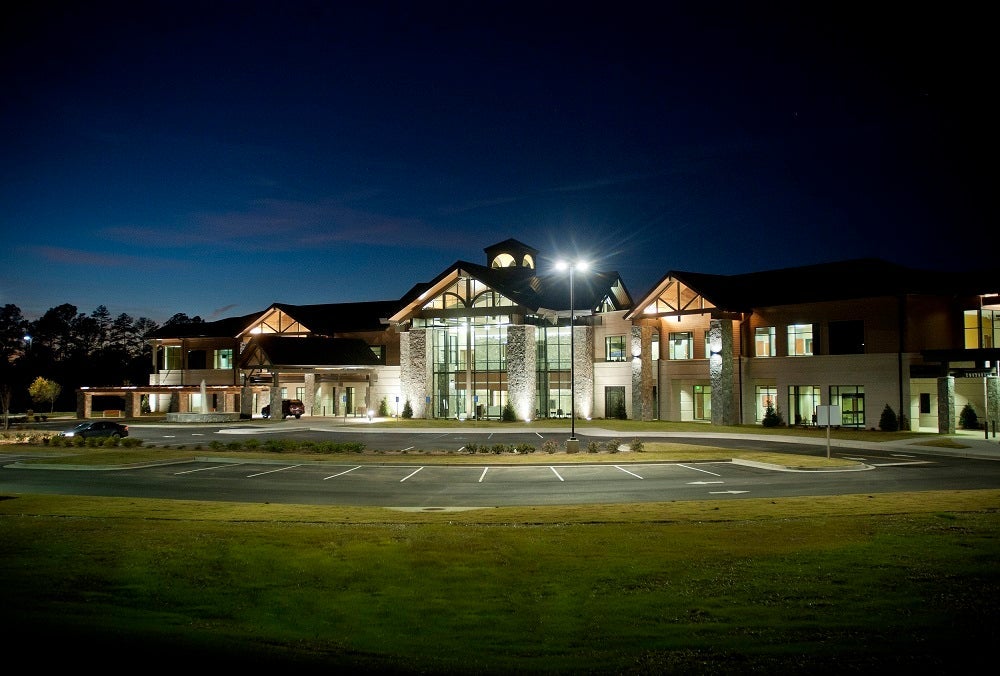
St. Mary's Good Samaritan Hospital
5401 Lake Oconee Parkway
Greensboro, GA 30642-4232
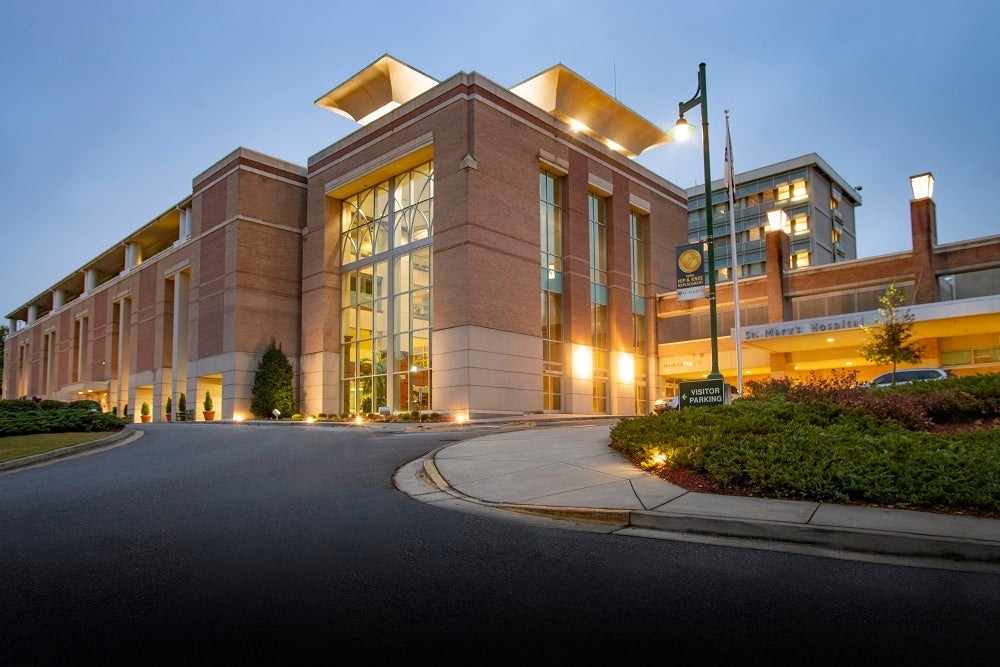
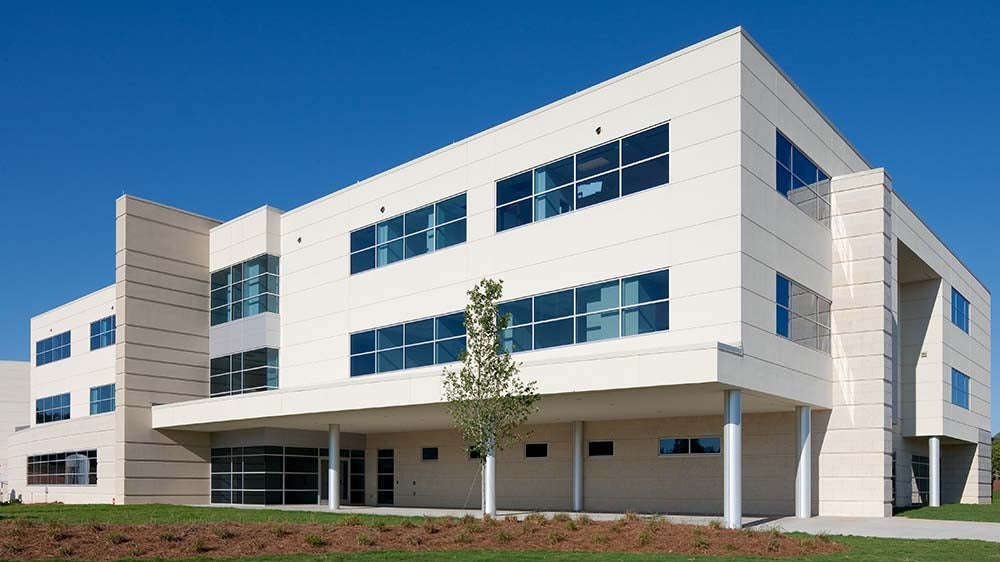
St. Mary's Sacred Heart Wellness Center
367 Clear Creek Parkway
Lavonia, GA 30553

St. Mary's Outpatient Rehab
2470 Daniells Bridge Road Building 300, 2nd Floor
Athens, GA 30606
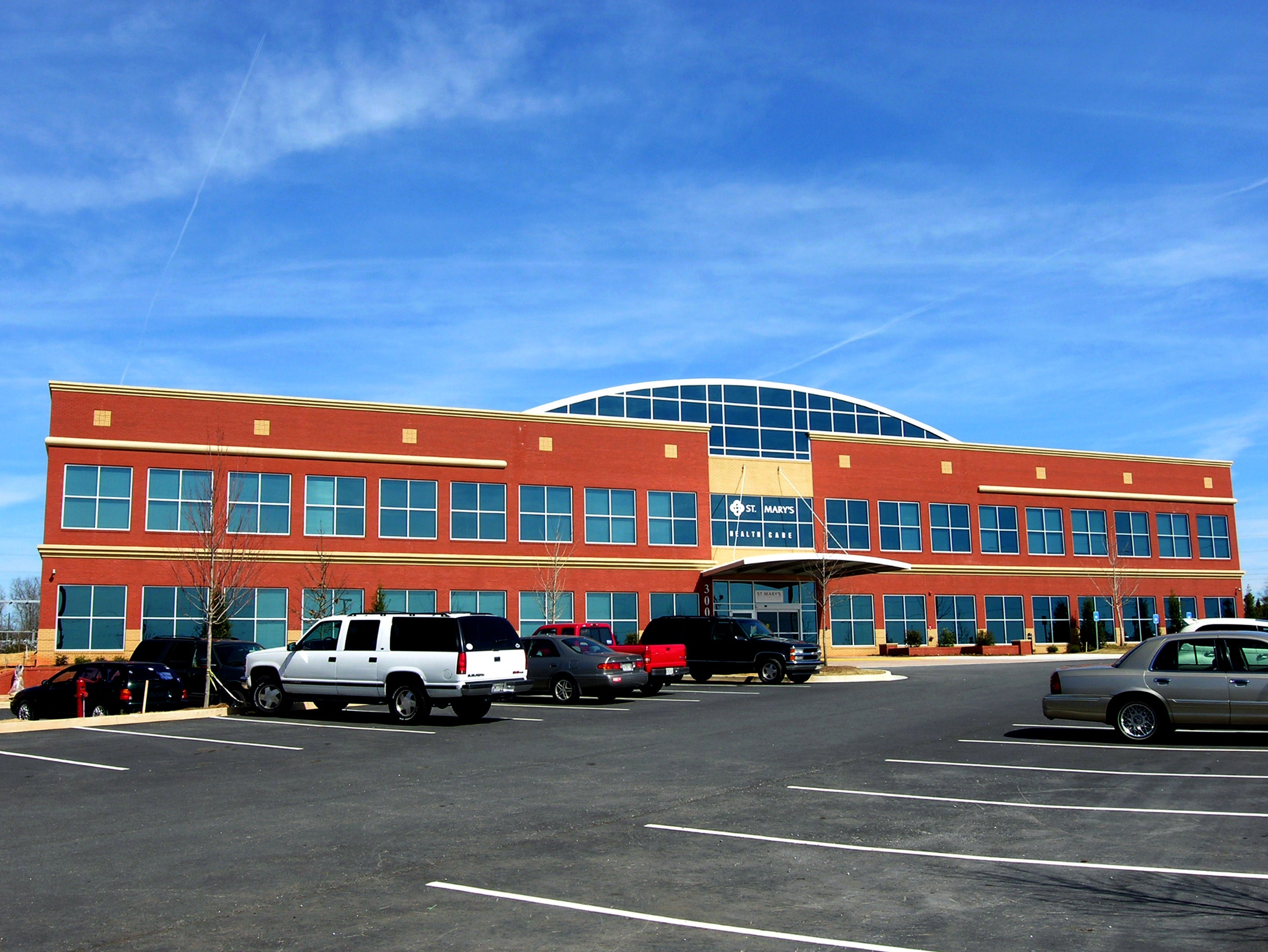
St. Mary's Wellness Center
2470 Daniells Bridge Road Building #300, 2nd floor
Athens, GA 30606