Vestibular & Vertigo Therapy in Athens, GA for Dizziness & Balance Disorders
Through personalized treatment plans and evidence-based therapy techniques, Your St. Mary's Care Team works closely with patients to reduce dizziness, improve balance, and support long-term recovery. We proudly serve patients throughout Athens, Lavonia, Greensboro, Northeast Georgia, and surrounding communities with compassionate vestibular rehabilitation services close to home.
Specialized vestibular rehabilitation focused on reducing dizziness, improving balance, and helping patients move confidently across Northeast Georgia.
Athens Office Greensboro Office Lavonia Office

Helping You Find Your Balance Again
Persistent dizziness and vertigo can impact more than physical health. Many patients experience frustration, anxiety, fear of falling, and limitations in everyday activities.
At St. Mary's Health Care System, we understand how disruptive vestibular disorders can be. Our rehabilitation specialists provide attentive, individualized care designed to help patients feel supported while working toward meaningful improvements in mobility, balance, and quality of life.
Learn More About: Physical Therapy, Balance Therapy, Rehabilitation Services
What Is Vestibular & Vertigo Therapy?
Specialized Rehabilitation for Dizziness & Inner Ear Disorders
Vestibular and vertigo therapy is a specialized form of rehabilitation that helps treat conditions affecting the vestibular system, which is responsible for balance, spatial awareness, and coordination.
The vestibular system includes structures within the inner ear and connections within the brain that help the body:
- Maintain balance
- Stabilize vision during movement
- Detect motion and position changes
- Coordinate movement safely
When the vestibular system is disrupted, patients may experience:
- Dizziness
- Vertigo
- Balance difficulties
- Motion sensitivity
- Unsteadiness
- Visual disturbances
- Increased fall risk
Vestibular rehabilitation uses targeted exercises and treatment techniques to help the brain adapt, compensate, and improve balance and movement control.
Why Vestibular Rehabilitation Matters
Untreated vestibular disorders can interfere with daily activities, work responsibilities, exercise, travel, and overall independence.
Vestibular rehabilitation may help:
- Reduce dizziness symptoms
- Improve balance and stability
- Decrease fall risk
- Improve walking confidence
- Reduce motion sensitivity
- Enhance visual stability
- Improve quality of life
- Restore participation in normal activities
Many patients experience significant improvement through specialized vestibular therapy and personalized rehabilitation programs.
Conditions Evaluated & Treated
Benign Paroxysmal Positional Vertigo (BPPV)
Benign paroxysmal positional vertigo (BPPV) is one of the most common causes of vertigo. It occurs when tiny calcium crystals within the inner ear become displaced, triggering brief episodes of dizziness with certain head movements.
Vestibular therapy often includes canalith repositioning maneuvers designed to help restore normal crystal positioning and reduce symptoms.
Vestibular Hypofunction
Vestibular hypofunction occurs when one or both inner ear balance systems are not functioning properly.
Patients may experience:
- Dizziness
- Unsteadiness
- Difficulty walking
- Visual instability
- Motion sensitivity
Rehabilitation focuses on helping the brain compensate for vestibular deficits through targeted exercises.
Chronic Dizziness
Persistent dizziness may result from vestibular disorders, neurological conditions, illness, injury, or other underlying causes.
Therapy helps patients improve symptom management while restoring confidence and mobility.
Balance Disorders
Vestibular dysfunction often contributes to balance problems and increased fall risk.
Treatment focuses on improving stability, coordination, and safe movement.
Learn More about Balance Therapy
Explore Fall Recovery & Rehabilitation Services
Neurological Conditions
Certain neurological conditions, including stroke, Parkinson's disease, traumatic brain injury, and multiple sclerosis, may contribute to dizziness and balance impairments.
Read More about Neurological and Stroke Rehabilitation
Learn More about LSVT BIG and LOUD Therapy
Post-Concussion Symptoms
Some patients experience dizziness, balance difficulties, and visual disturbances following a concussion or mild traumatic brain injury.
Vestibular rehabilitation may help address these symptoms and support recovery.
Vestibular & Vertigo Therapy Treatments
Gaze Stabilization Exercises
Gaze stabilization exercises help improve the ability to maintain clear vision while moving the head.
These exercises retrain the connection between the eyes and the vestibular system, helping reduce dizziness and visual disturbances.
Habituation Exercises
Habituation therapy uses controlled exposure to specific movements or positions that trigger symptoms, helping the brain gradually adapt and become less sensitive over time.
Balance Retraining
Patients participate in progressive balance exercises designed to improve stability, coordination, and confidence during everyday activities.
Explore Balance Therapy & Services
Postural & Movement Training
Postural training helps improve body mechanics, movement efficiency, and balance strategies that support safer mobility.
Canalith Repositioning Maneuvers
Patients with BPPV may benefit from specialized repositioning techniques, including the Epley maneuver, designed to move displaced crystals back into their proper location within the inner ear.
Many patients experience rapid symptom improvement following these treatments.
Fall Prevention Education
Therapists provide education and practical strategies designed to reduce fall risk and improve safety at home and in the community.
What to Expect During Vestibular Therapy
Comprehensive Vestibular Evaluation
Your rehabilitation journey begins with a detailed assessment of dizziness symptoms, balance function, eye movements, mobility, medical history, and personal goals.
This evaluation helps identify the underlying cause of symptoms and guides treatment planning.
Personalized Treatment Plan
Your St. Mary's Care Team develops an individualized rehabilitation program tailored to your diagnosis, symptoms, and recovery goals.
One-on-One Therapy Sessions
Patients receive personalized treatment using evidence-based vestibular rehabilitation techniques designed to improve balance and reduce dizziness.
Home Exercise Program
Patients receive customized exercises and strategies to reinforce progress between therapy sessions.
Ongoing Progress Monitoring
Therapy plans are adjusted regularly based on symptom improvement and recovery milestones.
Recovery & Long-Term Wellness
Many vestibular disorders respond well to specialized rehabilitation. While recovery timelines vary, patients often experience improvements in dizziness, balance, mobility, and overall confidence.
Our rehabilitation specialists help patients develop practical strategies that support long-term symptom management and reduce the risk of future balance-related problems.
Compassionate Vestibular & Vertigo Therapy Care at St. Mary's Health Care System
St. Mary's Health Care System provides comprehensive vestibular rehabilitation services through experienced physical therapists and rehabilitation specialists trained in the evaluation and treatment of dizziness and balance disorders.
Patients benefit from personalized treatment plans, evidence-based therapies, and coordinated care focused on improving safety, mobility, and quality of life.
We proudly serve patients throughout Athens, Lavonia, Greensboro, Northeast Georgia, and surrounding communities with advanced vestibular rehabilitation services close to home.

A Connected Approach to Vestibular Care
Vestibular therapy at St. Mary's Health Care System is part of a coordinated healthcare network that brings together rehabilitation specialists, neurologists, primary care providers, imaging professionals, ear, nose, and throat (ENT) specialists, hospital care teams, and specialty physicians throughout Northeast Georgia.
This collaborative approach helps patients receive seamless support from diagnosis through treatment, rehabilitation, recovery, and long-term wellness management.
By combining advanced vestibular rehabilitation techniques with compassionate, community-centered care, St. Mary's Health Care System helps patients feel supported, informed, and confident throughout every stage of recovery.
St. Mary's Outpatient Rehabilitation
Good Samaritan Hospital Outpatient Rehabilitation
Sacred Heart Outpatient Rehabilitation
Frequently Asked Questions about Vestibular & Vertigo Therapy
Vestibular therapy is a specialized rehabilitation program designed to treat dizziness, vertigo, balance problems, and other conditions affecting the vestibular system.
Vertigo can be caused by inner ear disorders, vestibular dysfunction, neurological conditions, head injuries, infections, or other medical conditions.
BPPV stands for benign paroxysmal positional vertigo. It is a common vestibular disorder caused by displaced calcium crystals within the inner ear.
The Epley maneuver is a canalith repositioning technique commonly used to treat BPPV by helping move displaced crystals back into their proper location.
Yes. Vestibular rehabilitation is specifically designed to reduce dizziness and improve balance through targeted exercises and treatment techniques.
Treatment length varies depending on the underlying condition, symptom severity, and individual response to therapy.
Yes. Vestibular rehabilitation often improves balance, coordination, and mobility, helping reduce fall risk.
No. Dizziness can result from a variety of causes, including neurological conditions, cardiovascular issues, medication side effects, and other medical concerns.
Yes. Most patients receive personalized home exercise programs designed to support recovery and reinforce progress between appointments.
Yes. Patients experiencing dizziness and balance problems following a concussion may benefit from vestibular rehabilitation.
Many insurance plans cover medically necessary vestibular rehabilitation services. Coverage varies depending on the patient's insurance plan and treatment needs.
Related Locations
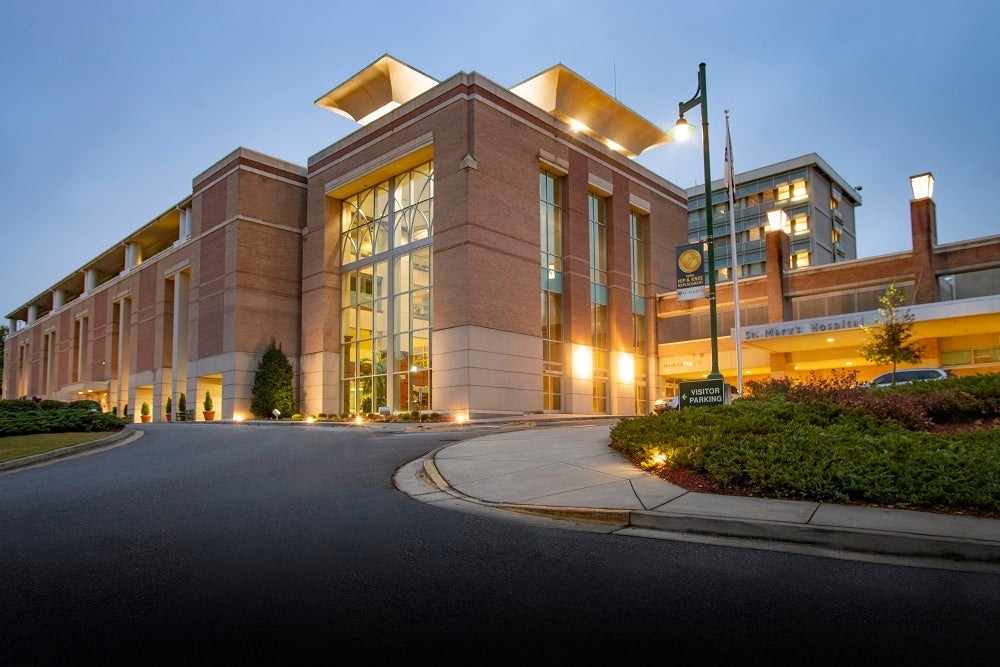
St. Mary's Sacred Heart Wellness Center
367 Clear Creek Parkway
Lavonia, GA 30553

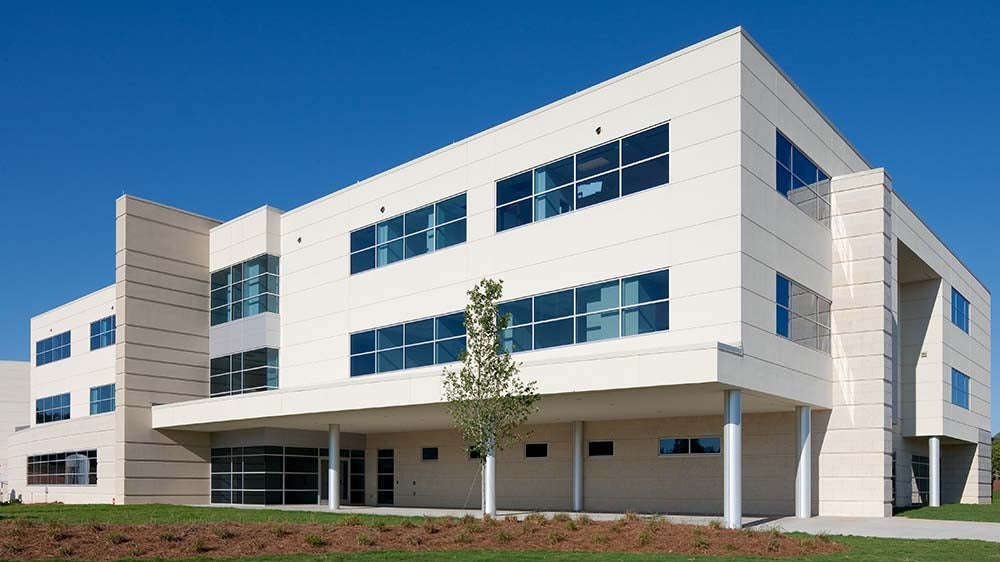
St. Mary's Outpatient Rehab
2470 Daniells Bridge Road Building 300, 2nd Floor
Athens, GA 30606
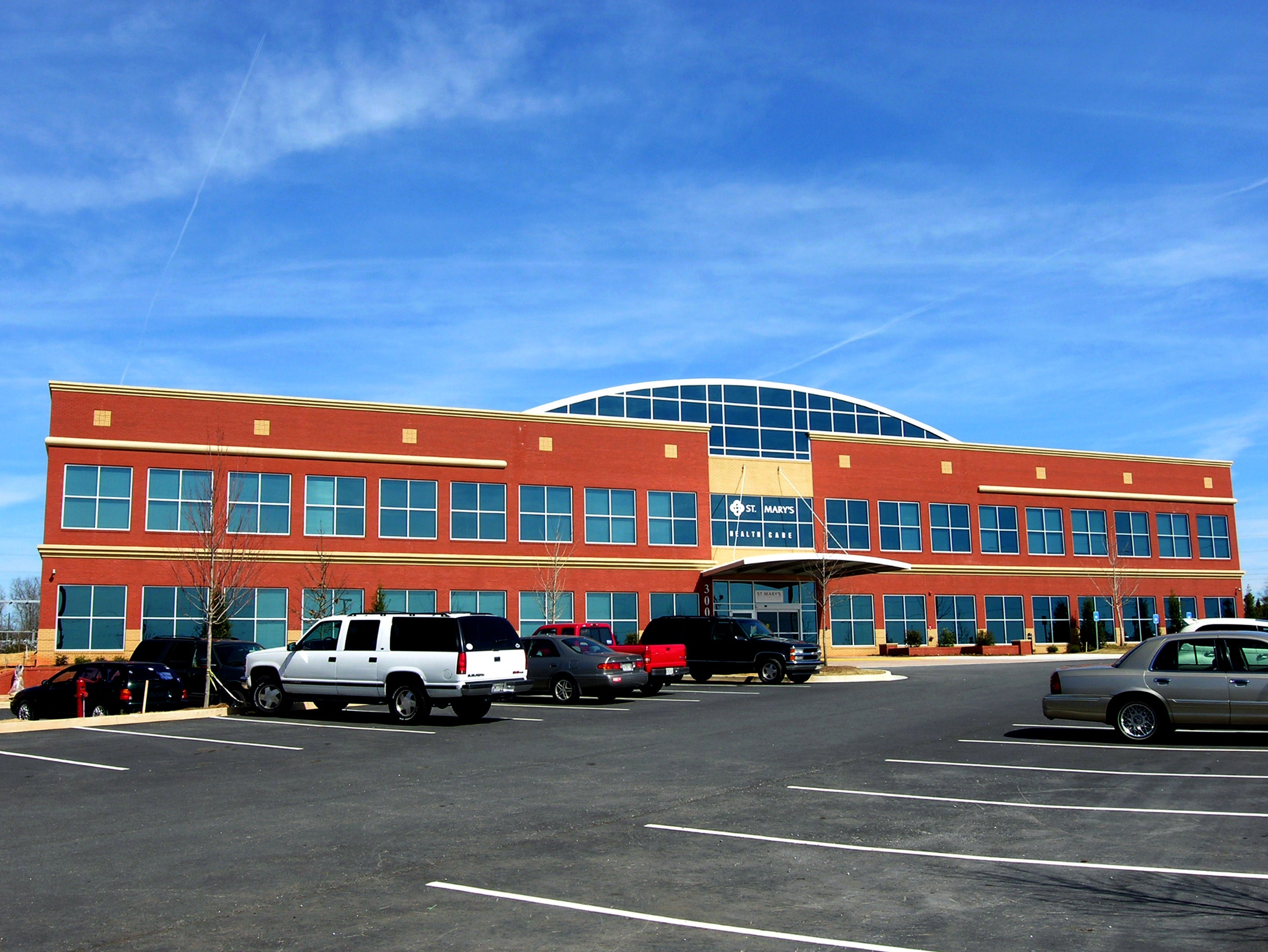
St. Mary's Wellness Center
2470 Daniells Bridge Road Building #300, 2nd floor
Athens, GA 30606
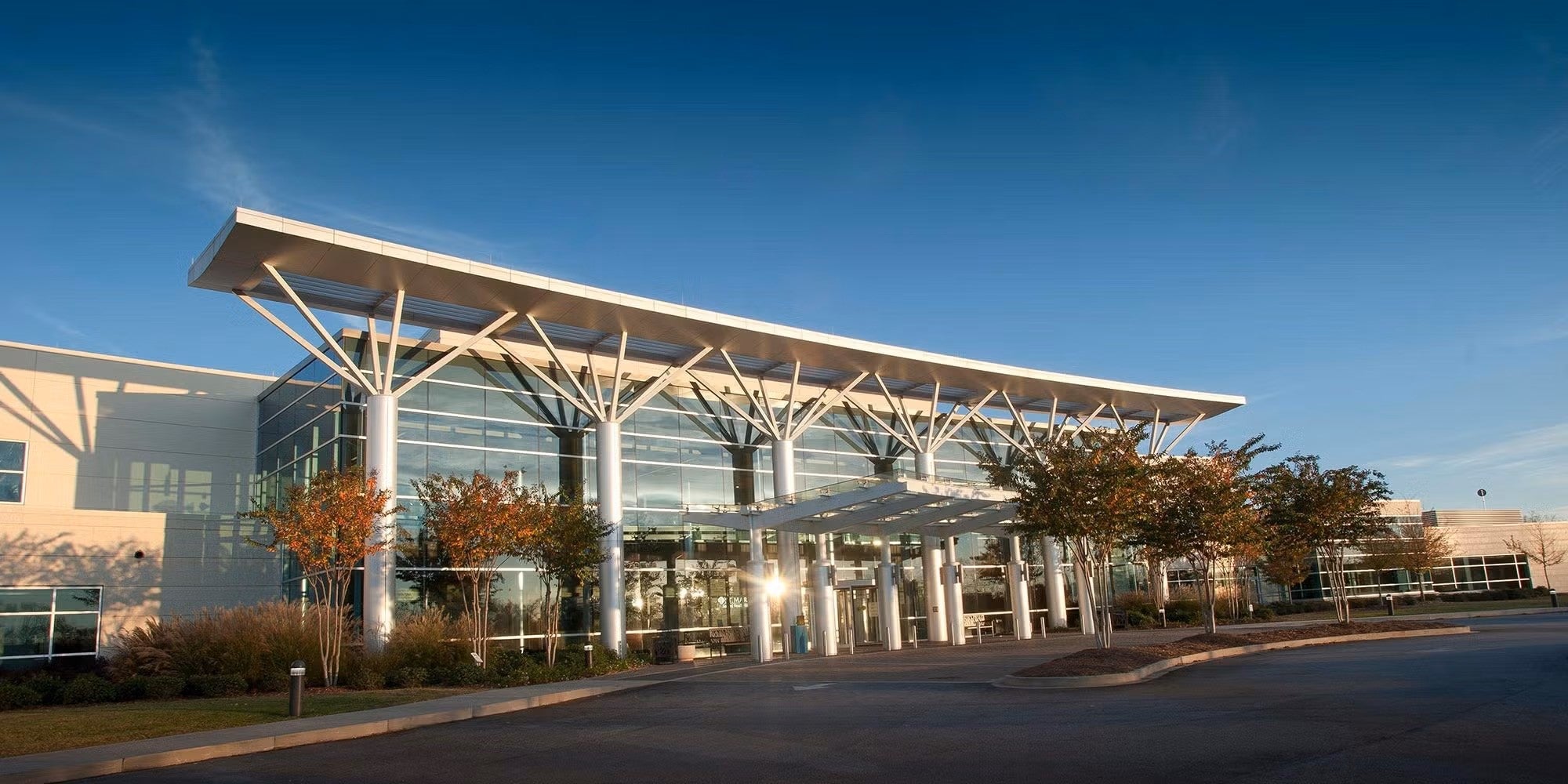
Sacred Heart Outpatient Rehabilitation
367 Clear Creek Parkway
Lavonia, GA 30553
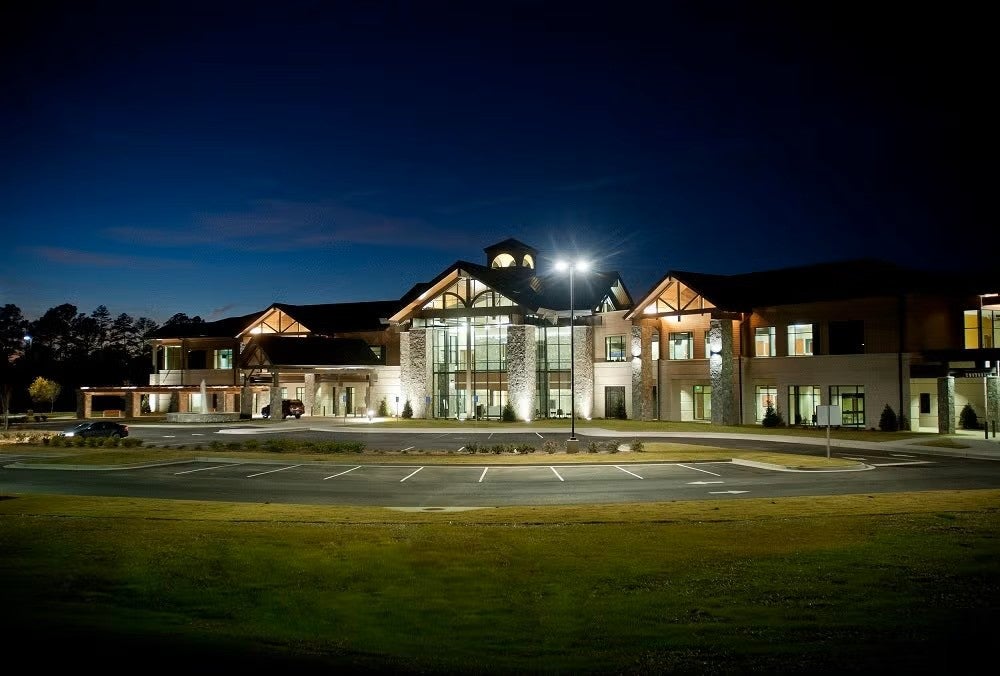
Good Samaritan Hospital Outpatient Rehabilitation
5401 Lake Oconee Parkway
Greensboro, GA 30642