Spine-Specific Physical Therapy in Athens, GA
Back and neck pain can affect nearly every part of daily life, making it difficult to work, sleep, exercise, or enjoy normal activities comfortably. At St. Mary’s Health Care System, our spine-specific physical therapy program is designed to help patients improve movement, reduce pain, and regain function through personalized rehabilitation plans tailored to spinal conditions and recovery goals.
Personalized spine rehabilitation and physical therapy support to help reduce pain, restore mobility, and improve quality of life across Northeast Georgia.
Athens Office Greensboro Office Lavonia Office
What Is Spine-Specific Physical Therapy?
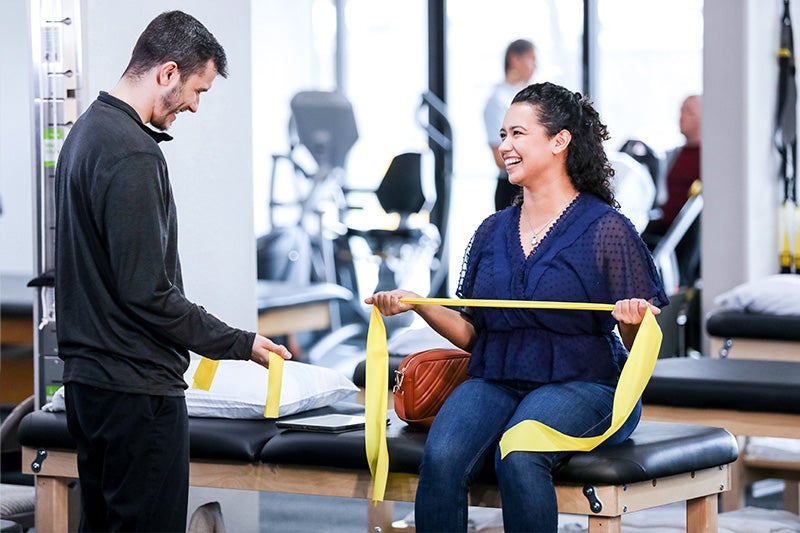
Spine-specific physical therapy is a specialized rehabilitation approach focused on evaluating and treating conditions affecting the neck, back, spine, muscles, joints, and nerves. Therapy programs are designed to improve strength, flexibility, posture, movement, balance, and function while helping reduce pain and stiffness.
At St. Mary’s Health Care System, spine rehabilitation combines evidence-based therapy techniques with individualized care plans tailored to each patient’s condition, symptoms, lifestyle, and recovery goals. Treatment may help patients avoid surgery in some cases or support healing and mobility after spinal procedures.
Learn More About: Physical Therapy, Occupational Therapy, Speech-Language Pathology, Inpatient Rehabilitation, Outpatient Rehabilitation
How Does Spine Rehabilitation Impact Overall Health & Wellness?
Spinal conditions can affect mobility, independence, sleep, work performance, and overall quality of life. Without proper treatment, pain and movement limitations may worsen over time and lead to reduced activity, muscle weakness, poor balance, or chronic discomfort.
Physical therapy can help:
- Improve mobility and flexibility
- Reduce back and neck pain
- Improve posture and body mechanics
- Strengthen supporting muscles
- Support recovery after surgery
- Reduce nerve irritation
- Improve balance and stability
- Increase function during daily activities
- Help patients safely return to work, exercise, and hobbies
At St. Mary’s Health Care System, our rehabilitation team focuses on helping patients feel supported throughout recovery while building strength, confidence, and long-term spinal health.
Who Can Benefit From Spine-Specific Physical Therapy?
Spine rehabilitation may benefit individuals experiencing:
- Chronic back pain
- Neck pain
- Herniated discs
- Sciatica
- Spinal stenosis
- Degenerative disc disease
- Nerve compression
- Muscle weakness
- Poor posture
- Spinal injuries
- Recovery after spine surgery
- Pain related to arthritis or joint degeneration
Patients recovering from orthopedic procedures or neurological conditions may also benefit from coordinated rehabilitation support.
Our Approach to Spine Rehabilitation Therapy
At St. Mary’s Health Care System, rehabilitation plans are designed around each patient’s unique needs and goals. Our therapists work closely with physicians and spine specialists to create individualized treatment plans focused on improving function, reducing discomfort, and helping patients return to meaningful daily activities.
Our approach emphasizes:
- One-on-one therapy sessions
- Functional movement improvement
- Safe progression of activity
- Patient education and injury prevention
- Long-term spinal health
- Personalized home exercise programs
- Compassionate encouragement throughout recovery
We understand that spinal pain can feel frustrating and overwhelming. Our rehabilitation team is committed to helping patients regain mobility and confidence in a supportive and encouraging environment.
Spine-Specific Rehabilitation Techniques & Therapies
Therapeutic Exercise
Therapeutic exercise is one of the most important components of spine rehabilitation. Exercises are designed to improve flexibility, posture, strength, endurance, and spinal stability while reducing strain on the back and neck.
Manual Therapy
Manual therapy uses hands-on techniques to improve joint mobility, reduce muscle tightness, decrease pain, and improve movement. Treatment may include soft tissue mobilization, stretching, joint mobilization, and guided movement techniques.
Dry Needling
Dry needling may be used to target painful muscle trigger points and reduce musculoskeletal discomfort associated with spinal conditions, muscle tension, and chronic pain.
Electrical Stimulation
Electrical stimulation therapy may help reduce pain, decrease swelling, and improve muscle activation during rehabilitation.
Traction Therapy
Spinal traction uses gentle stretching forces to help reduce pressure on spinal structures, improve mobility, and relieve nerve compression symptoms in some patients.
Heat & Cold Therapy
Heat and cryotherapy may be used to reduce inflammation, improve circulation, decrease muscle tightness, and help manage discomfort during recovery.
Balance & Functional Movement Training
Some spinal conditions can affect coordination, walking, posture, and balance. Rehabilitation programs may include exercises focused on improving safe movement and reducing fall risk.
Conditions Evaluated and Treated with Spine-Specific Physical Therapy
Herniated Discs
A herniated disc occurs when spinal disc material presses against nearby nerves, potentially causing pain, numbness, tingling, or weakness. Therapy may help improve mobility and reduce pressure on affected structures.
Sciatica
Sciatica refers to irritation of the sciatic nerve, often causing pain that radiates from the lower back into the leg. Rehabilitation focuses on relieving nerve irritation while improving strength and flexibility.
Degenerative Disc Disease
Age-related spinal changes can lead to stiffness, discomfort, and reduced mobility. Physical therapy can help patients maintain movement and function while reducing strain on the spine.
Spinal Stenosis
Spinal stenosis occurs when spaces within the spine narrow and place pressure on nerves. Rehabilitation may help improve posture, walking tolerance, strength, and flexibility.
Post-Surgical Spine Recovery
After spine surgery, rehabilitation can help patients safely regain mobility, strength, endurance, and functional movement while supporting healing and recovery.
What to Expect Before, During, And After Spine Physical Therapy
Care begins with a comprehensive evaluation focused on understanding symptoms, mobility limitations, posture, pain levels, strength, and functional goals.
Treatment plans may include:
- Physical assessment and movement evaluation
- Strength and flexibility testing
- Pain and posture assessment
- Personalized rehabilitation planning
- Guided exercises and hands-on therapy
- Education on posture and body mechanics
- Home exercise recommendations
- Ongoing progress monitoring
Therapy sessions are designed to progress gradually while helping patients safely improve mobility, strength, and confidence over time.
Recovery and Ongoing Care after Spinal Injury
Spinal rehabilitation often continues beyond the initial phase of treatment. Ongoing therapy, exercise, posture correction, and strengthening programs can help patients maintain progress and reduce the risk of future injury or recurring pain.
Long-term recovery support may include:
- Continued strengthening programs
- Flexibility and mobility exercises
- Ergonomic education
- Balance and stability training
- Pain management strategies
- Home exercise programs
- Functional movement retraining
Our rehabilitation team remains focused on helping patients achieve long-term mobility, comfort, and independence.
A Connected Approach to Spine Recovery and Care
Spine rehabilitation is often most effective when supported by coordinated care across specialties. St. Mary’s Health Care System provides integrated support through collaboration between rehabilitation therapists, spine specialists, orthopedic providers, neurosurgical teams, imaging services, and primary care providers.
This connected approach helps patients receive comprehensive care that supports both recovery and long-term spinal health.

Compassionate Spine Care at St. Mary’s Health Care System
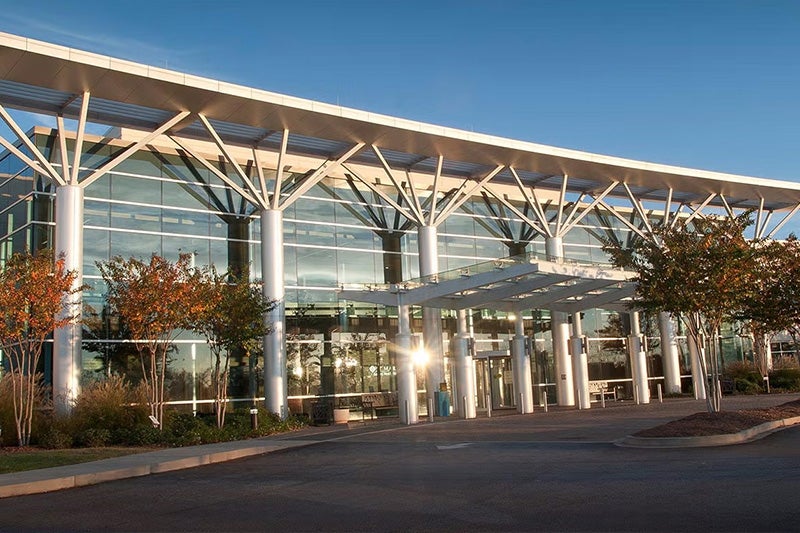
St. Mary’s Health Care System provides spine rehabilitation and physical therapy services for patients throughout Athens, GA, Northeast Georgia, Greensboro, Lavonia, and surrounding communities. Our rehabilitation programs focus on helping patients reduce pain, restore mobility, and improve quality of life through compassionate, personalized care.
Patients benefit from coordinated rehabilitation support, advanced therapy techniques, and access to specialized spine and neurological care close to home.
St. Mary's Outpatient Rehabilitation
Good Samaritan Hospital Outpatient Rehabilitation
Sacred Heart Outpatient Rehabilitation
Frequently Asked Questions about Spine Therapy
Spine-specific physical therapy is rehabilitation focused on treating conditions affecting the neck, back, spine, muscles, joints, and nerves. Therapy is designed to reduce pain, improve mobility, and restore function.
Yes. Physical therapy is commonly used to help manage back pain by improving strength, flexibility, posture, and spinal stability while reducing strain on affected areas.
In some cases, physical therapy may help reduce symptoms enough that surgery is not necessary. Therapy can also improve strength and mobility before surgery if a procedure becomes necessary.
Spine rehabilitation may help treat herniated discs, sciatica, spinal stenosis, chronic neck pain, back pain, degenerative disc disease, posture problems, and post-surgical recovery needs.
Dry needling is a therapy technique that uses thin needles to target painful muscle trigger points and improve musculoskeletal pain and movement.
Some exercises or treatments may cause mild soreness, especially early in recovery, but therapy programs are designed to progress safely and comfortably based on each patient’s condition and tolerance.
Patients should wear comfortable clothing that allows easy movement and supportive footwear appropriate for exercise and mobility training.
Recovery timelines vary depending on the condition being treated, symptom severity, and personal goals. Some patients improve within a few weeks, while others benefit from longer rehabilitation programs.
Yes. Post-surgical rehabilitation can help improve strength, mobility, flexibility, and safe movement after spine procedures.
Some patients may have imaging, such as magnetic resonance imaging (MRI) or computed tomography (CT), before therapy begins, while others may start therapy based on a physician's evaluation.
MRI stands for magnetic resonance imaging. MRI uses powerful magnets and radio waves to create detailed images of muscles, nerves, discs, joints, and other internal structures.
Related Locations
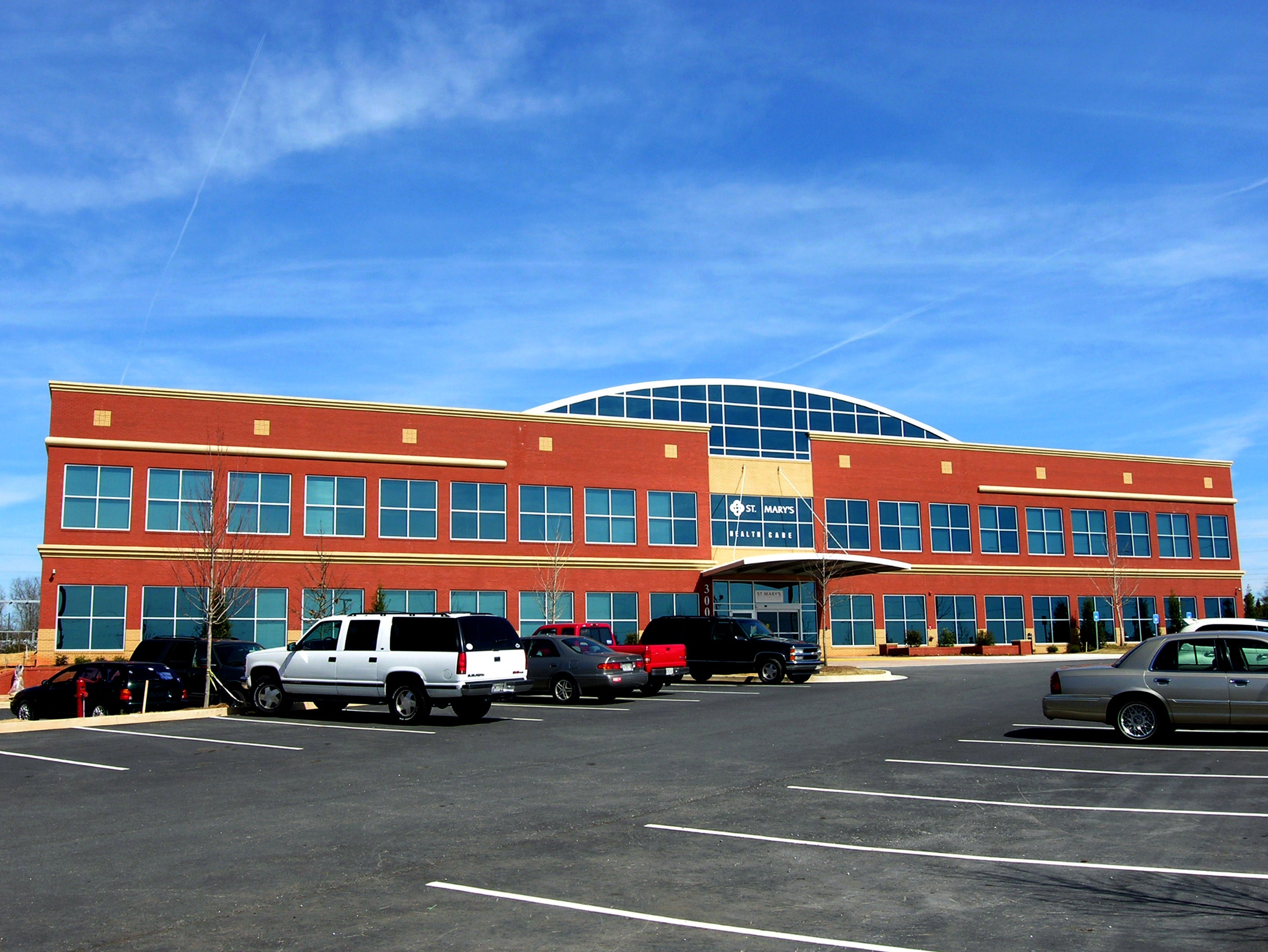
St. Mary's Wellness Center
2470 Daniells Bridge Road Building #300, 2nd floor
Athens, GA 30606
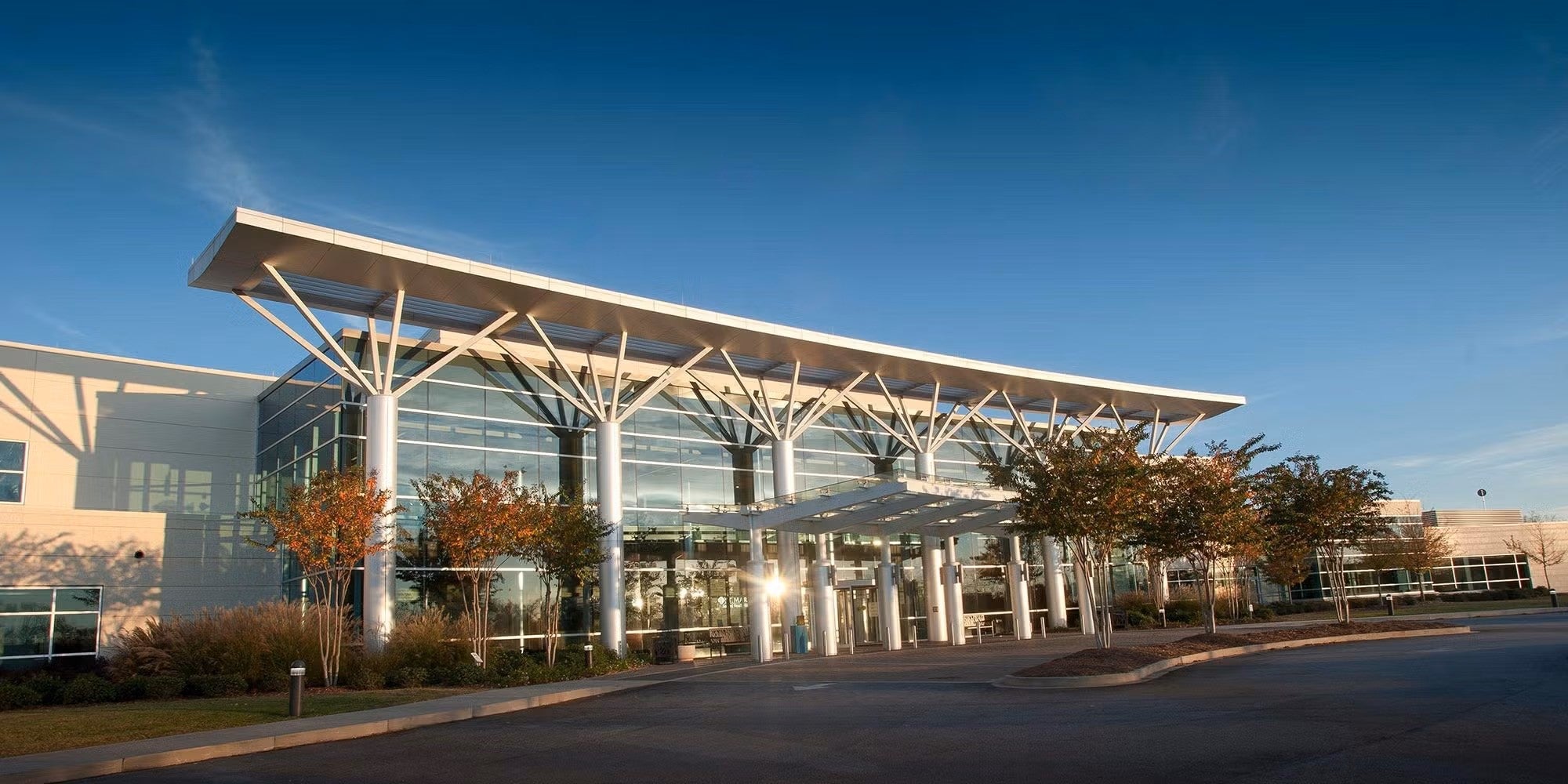
Sacred Heart Outpatient Rehabilitation
367 Clear Creek Parkway
Lavonia, GA 30553
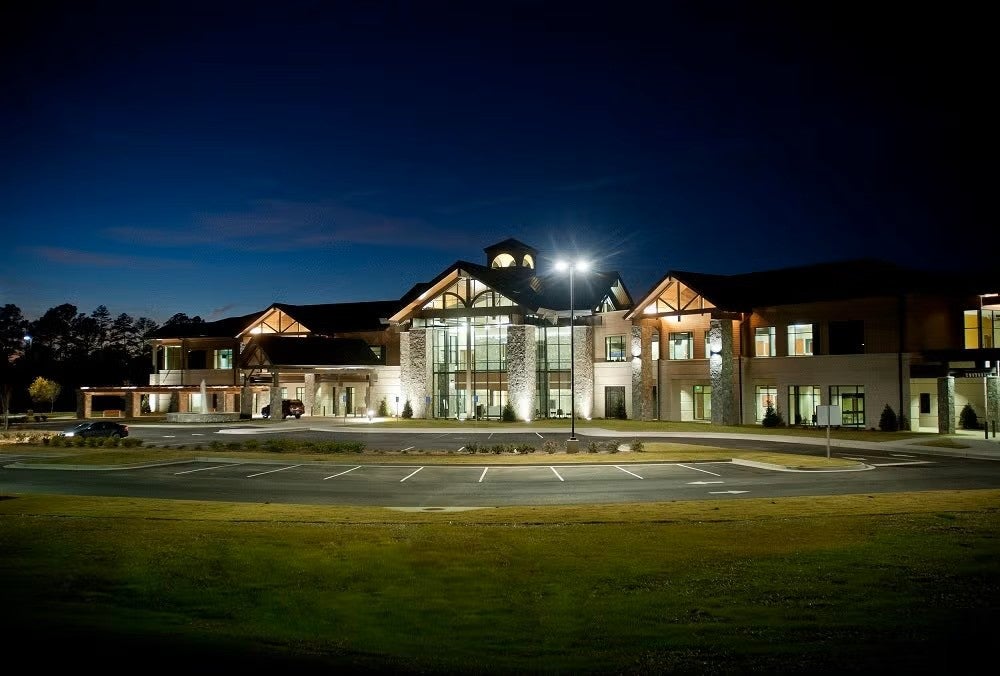
Good Samaritan Hospital Outpatient Rehabilitation
5401 Lake Oconee Parkway
Greensboro, GA 30642
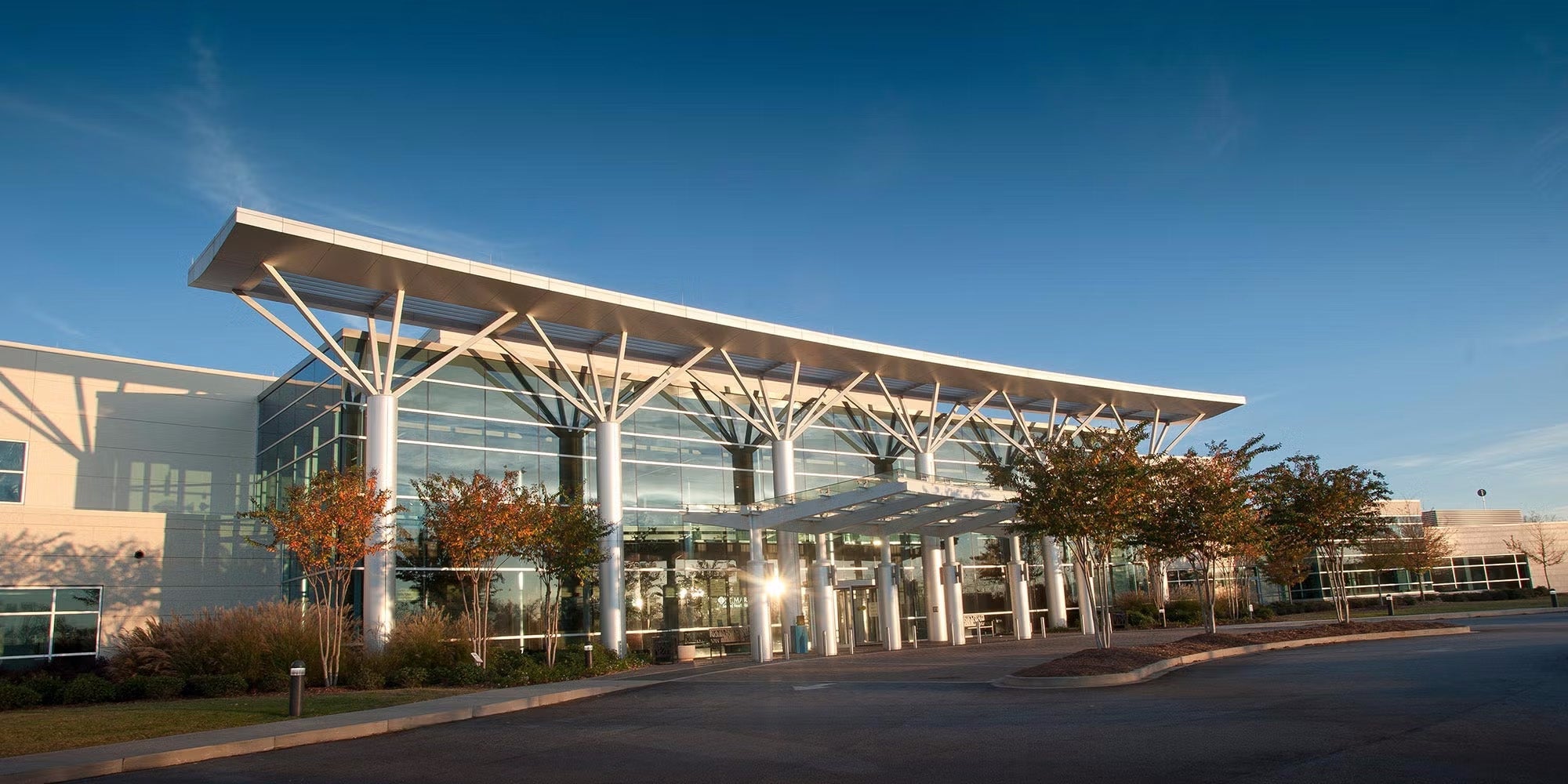
St. Mary's Sacred Heart Hospital
367 Clear Creek Pkwy
Lavonia, GA 30553
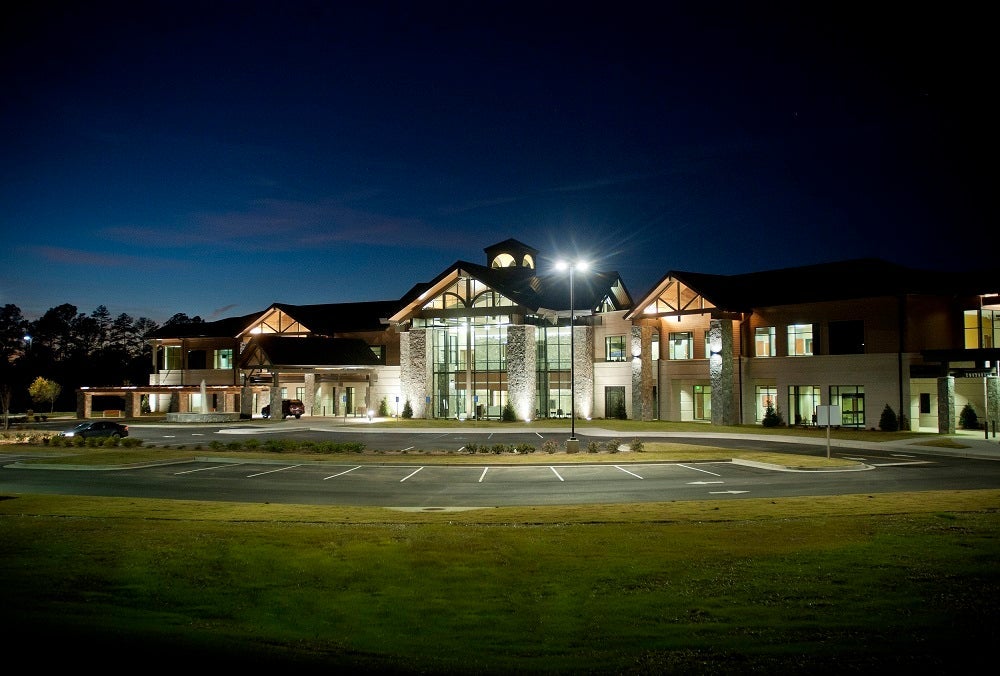
St. Mary's Good Samaritan Hospital
5401 Lake Oconee Parkway
Greensboro, GA 30642-4232