Colorectal Surgery in Athens, GA
Digestive and colorectal conditions can affect far more than physical comfort. They can impact daily routines, confidence, nutrition, and overall quality of life. At St. Mary’s Health Care System, our colorectal surgery team provides advanced, patient-centered care for conditions affecting the colon, rectum, and digestive tract.
Compassionate colorectal surgical care with advanced minimally invasive treatment options for patients across Northeast Georgia
Athens Office Greensboro Office Lavonia Office

What Is Colorectal Surgery?
Colorectal surgery focuses on diagnosing and treating conditions affecting the colon, rectum, and anus. These structures are essential parts of the digestive system and play an important role in overall gastrointestinal health.
Colorectal surgeons treat both common and complex conditions, ranging from hemorrhoids and diverticulitis to colorectal cancer and bowel obstruction. Depending on the condition, treatment may involve minimally invasive surgery, robotic-assisted procedures, or traditional surgical techniques.
At St. Mary’s, our goal is not only to treat the condition itself, but also to preserve digestive function, reduce discomfort, and improve quality of life whenever possible.
Learn More about: Surgical Services Gastrointestinal Surgery
Why Colorectal Surgery Matters
Many colorectal conditions can worsen over time if left untreated. Early evaluation and timely surgical care may help reduce complications, improve outcomes, and support faster recovery.
For some patients, surgery may relieve chronic pain or digestive symptoms that interfere with everyday life. For others, it may play an essential role in treating cancer, repairing structural issues, or restoring bowel function.
At St. Mary’s Health Care System, patients benefit from:
- Advanced minimally invasive and robotic-assisted surgical techniques
- Personalized treatment planning
- Coordinated care across specialties
- Reduced recovery times when appropriate
- Compassionate support before, during, and after surgery
Our surgical teams work closely with imaging specialists, gastroenterologists, primary care providers, and rehabilitation professionals to ensure every patient receives comprehensive care tailored to their needs.
Conditions Treated with Colorectal Surgery
Colorectal Cancer
Colorectal cancer develops in the colon or rectum and often begins as small growths called polyps. Early diagnosis and treatment are important because colorectal cancer may not cause symptoms in its early stages.
Surgery is often one of the most effective treatment options and may involve removing cancerous tissue while preserving as much healthy digestive function as possible.
Diverticulitis and Diverticular Disease
Diverticulitis occurs when small pouches in the colon become inflamed or infected. Symptoms may include abdominal pain, fever, bloating, nausea, or changes in bowel habits.
While many cases can be managed medically, surgery may be recommended for recurrent infections, severe inflammation, or complications affecting the colon.
Learn More about Diverticulitis Treatment & Surgery
Hemorrhoids, Anal Fissures, and Fistulas
Conditions affecting the anal and rectal area can cause pain, irritation, bleeding, or discomfort during bowel movements. When conservative treatments are not effective, minimally invasive surgical procedures may provide long-term relief.
Learn More about Anal Fissure and Fistula Care & Treatment
Bowel Obstruction
A bowel obstruction occurs when part of the intestine becomes blocked, preventing normal movement through the digestive tract. Symptoms may include severe abdominal pain, vomiting, constipation, and bloating.
Some bowel obstructions require emergency surgical treatment to restore normal digestive function and prevent complications.
Inflammatory Bowel Disease Complications
Patients with Crohn’s disease or ulcerative colitis may require surgery when chronic inflammation causes strictures, bleeding, infection, or severe symptoms that no longer respond to medication.
Colorectal Procedures and Surgical Services Offered
Minimally Invasive and Robotic Colorectal Surgery
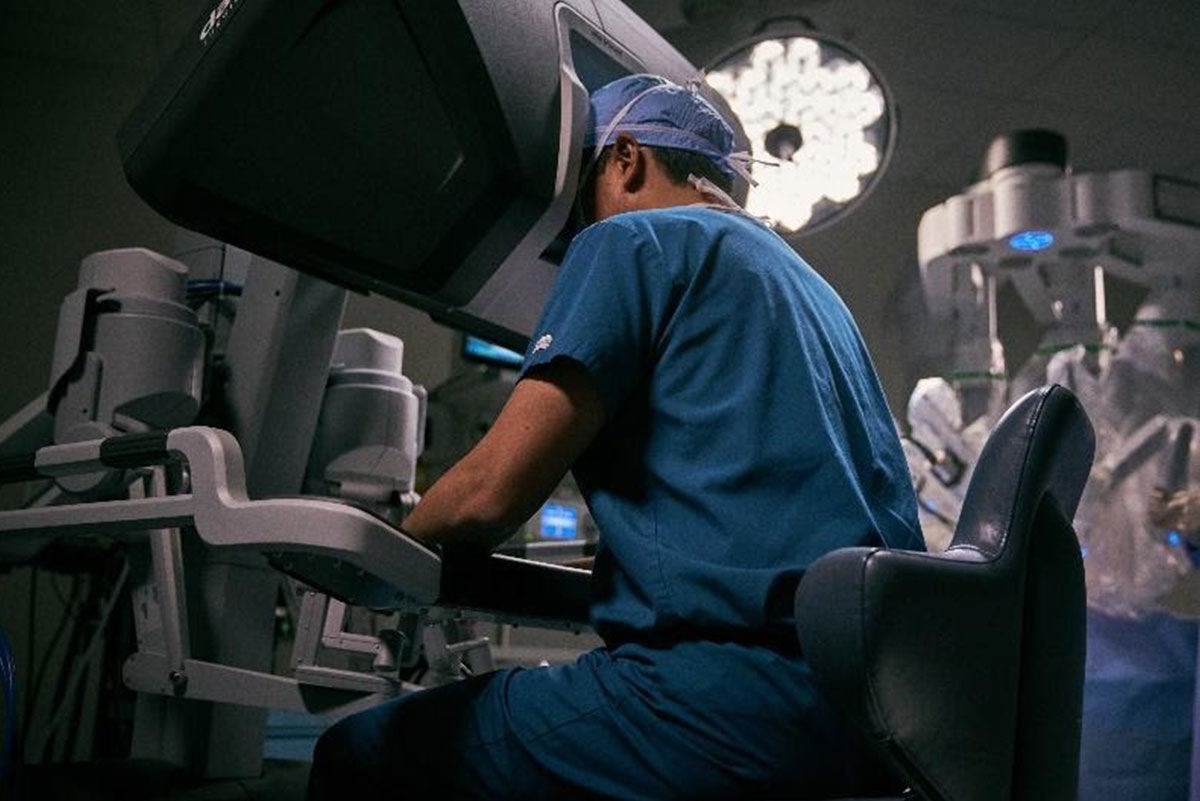
Whenever appropriate, our surgeons use minimally invasive and robotic-assisted surgical techniques to reduce incision size, minimize pain, and support faster healing. Robotic technology also allows for enhanced precision and visualization during complex procedures.
Patients undergoing minimally invasive surgery may experience:
- Smaller incisions
- Less post-operative discomfort
- Shorter hospital stays
- Faster return to daily activities
- Reduced scarring
Explore Robotic Surgery at St. Mary's Health Care System
Learn More about Laparoscopic Surgery Techniques
Colon Resection (Colectomy)
A colectomy removes a diseased or damaged portion of the colon. This procedure may be recommended for colorectal cancer, diverticulitis, bowel obstruction, or inflammatory bowel disease.
Whenever possible, surgeons reconnect healthy portions of the digestive tract to preserve normal bowel function.
Learn More about Colon Surgery
Rectal Surgery
Rectal surgery may be used to treat rectal cancer, prolapse, fistulas, or other structural conditions affecting bowel control and quality of life.
Our team carefully evaluates each patient to determine the safest and most effective surgical approach.
Hemorrhoid and Anorectal Procedures
For patients with painful hemorrhoids, fissures, or fistulas, surgical treatment may help relieve persistent symptoms and improve comfort when non-surgical treatments have not been successful.
Diagnostic Colonoscopy and Surgical Evaluation
Colonoscopy and imaging studies help identify colorectal conditions early and guide treatment decisions. These diagnostic tools are often an important part of surgical planning.
Explore Medical Imaging Services at St. Mary's Health Care System
What to Expect when Referred for Colorectal Surgery
Your care journey begins with a detailed consultation and evaluation. During this visit, your surgical team will review your symptoms, medical history, imaging results, and any prior testing to better understand your condition and treatment options.
Diagnostic testing may include:
- Colonoscopy
- Computed tomography (CT) scans
- Laboratory testing
- Physical examination
- Additional gastrointestinal evaluation when needed
Once a treatment plan is developed, our team will guide you through every step of the process so you know what to expect before surgery, during recovery, and afterward.
Depending on the procedure, surgery may be performed using robotic-assisted, laparoscopic, or traditional open techniques. General anesthesia is typically required.
We understand that surgery can feel overwhelming. Our team prioritizes patient education, communication, and emotional support so you can move forward with greater confidence and clarity.
Recovery and Ongoing Care
Recovery timelines vary depending on the procedure and the complexity of the condition being treated. Many patients who undergo minimally invasive procedures experience shorter recovery periods and less post-operative discomfort.
During recovery, your care may include:
- Follow-up appointments to monitor healing
- Dietary guidance and digestive support
- Pain management planning
- Activity and lifting restrictions during healing
- Long-term monitoring for chronic conditions or cancer surveillance
Patients recovering from colorectal surgery may also benefit from coordinated rehabilitation, nutritional guidance, and ongoing digestive care.
At St. Mary’s, we remain connected to your care long after surgery is complete because healing continues beyond the operating room.
Learn More about Rehabilitation & Recovery Services at St. Mary's
Care at Athens General & Colorectal Surgeons PC
Our colorectal surgery services are provided through a compassionate, highly experienced surgical team dedicated to helping patients throughout Athens and Northeast Georgia feel supported throughout every stage of care.
At St. Mary’s, patients benefit from:
- Advanced minimally invasive and robotic-assisted surgical options
- Coordinated digestive and surgical care
- Personalized treatment planning
- Compassionate communication and education
- Access to comprehensive hospital and imaging services
We understand that digestive conditions can feel both physically and emotionally challenging. Our goal is to provide expert surgical care in an environment that feels welcoming, respectful, and supportive.
A Connected Approach to Colorectal Surgical Treatment & Care
Colorectal surgery at St. Mary’s is part of a fully connected healthcare system designed to support the whole patient, not just a diagnosis.
Our surgical teams collaborate closely with specialists across gastroenterology, medical imaging, primary care, oncology, anesthesia, and rehabilitation services to ensure seamless coordination throughout treatment and recovery.
This integrated approach allows patients to receive advanced surgical care while staying connected to the supportive services they may need before, during, and after surgery.

Frequently Asked Questions about Colorectal Surgery
Colorectal surgery treats conditions affecting the colon, rectum, and anus. Procedures may be performed to treat cancer, diverticulitis, hemorrhoids, bowel obstruction, inflammatory bowel disease complications, and other digestive conditions.
Symptoms such as abdominal pain, blood in the stool, chronic constipation, diarrhea, unexplained weight loss, rectal pain, or persistent digestive changes should be evaluated by a healthcare provider.
GI stands for gastrointestinal, which refers to the digestive system, including the stomach, intestines, colon, and rectum.
CT stands for computed tomography. A CT scan is an imaging test that creates detailed pictures of structures inside the body and is often used to help diagnose digestive and colorectal conditions.
No. Many procedures can now be performed using minimally invasive or robotic-assisted techniques that use smaller incisions and may support faster healing and less discomfort.
Robotic-assisted surgery uses advanced surgical technology that allows surgeons to perform highly precise procedures through small incisions. This approach may improve visualization, precision, and recovery times for some patients.
Not all patients require a colostomy. When one is needed, it may sometimes be temporary to allow the digestive tract to heal safely after surgery.
Recovery depends on the procedure and the patient’s overall health. Some minimally invasive surgeries allow patients to return to normal activities within a few weeks, while more extensive procedures may require additional healing time.
Not all colorectal conditions can be prevented, but regular screenings, healthy nutrition, physical activity, and early medical evaluation for symptoms may help reduce risk and improve early detection.
You should consider scheduling a consultation if you have persistent digestive symptoms, abnormal screening results, or have been referred by your primary care provider or gastroenterologist.
Your first appointment typically includes a discussion of your symptoms, medical history, prior imaging or testing, and possible treatment recommendations. Your surgeon will answer questions and help you understand your next steps.
Schedule Your Consultation
Digestive symptoms and colorectal conditions can feel overwhelming, but you do not have to navigate them alone. Our compassionate surgical team is here to help you understand your options and move forward with confidence.
Find support close to home and connect with St. Mary’s colorectal surgery team in Athens, GA today.
Related Locations
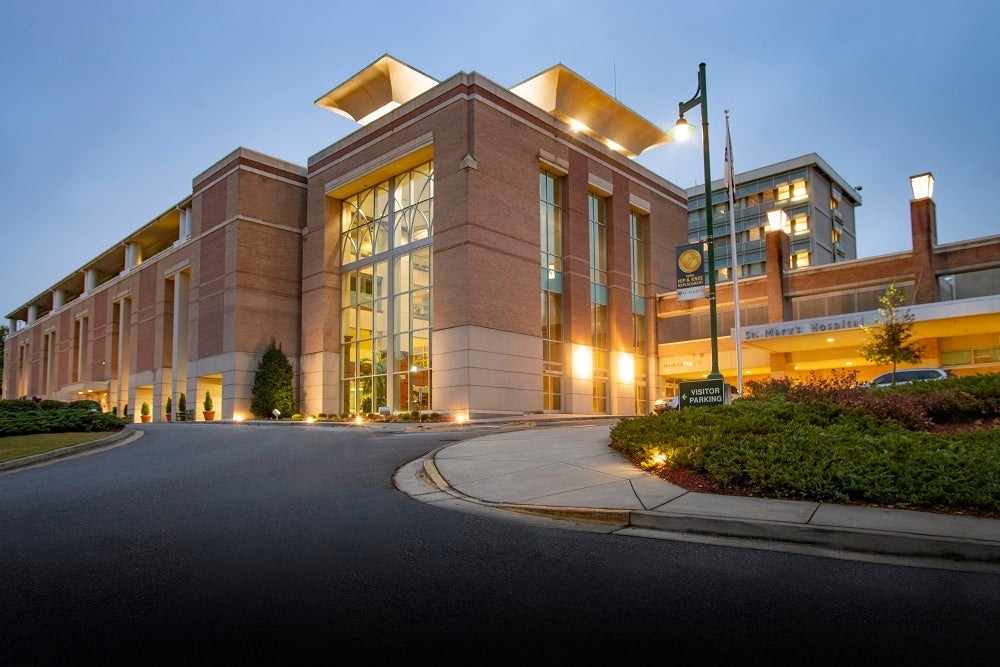

Athens General & Colorectal Surgeons PC
1500 Oglethorpe Ave Ste 2000
Athens, GA 30606
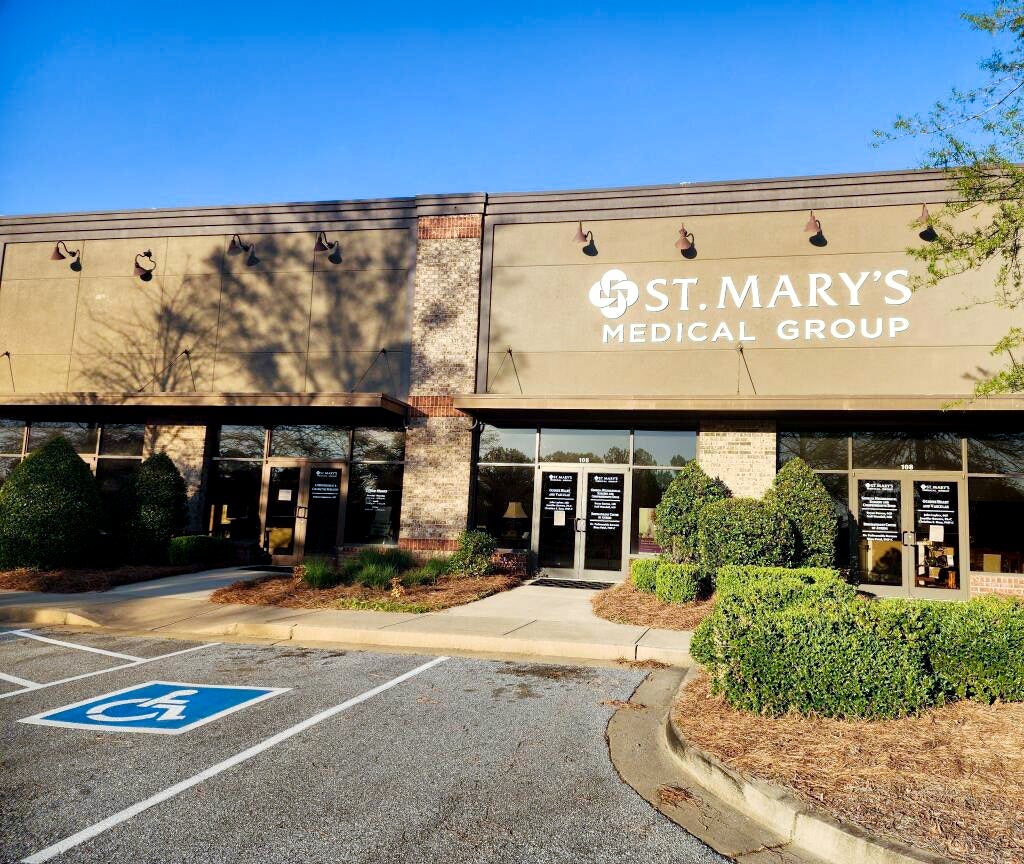
Athens General & Colorectal Surgeons Greensboro
1110 Commerce Drive Suite 108
Greensboro, GA 30642
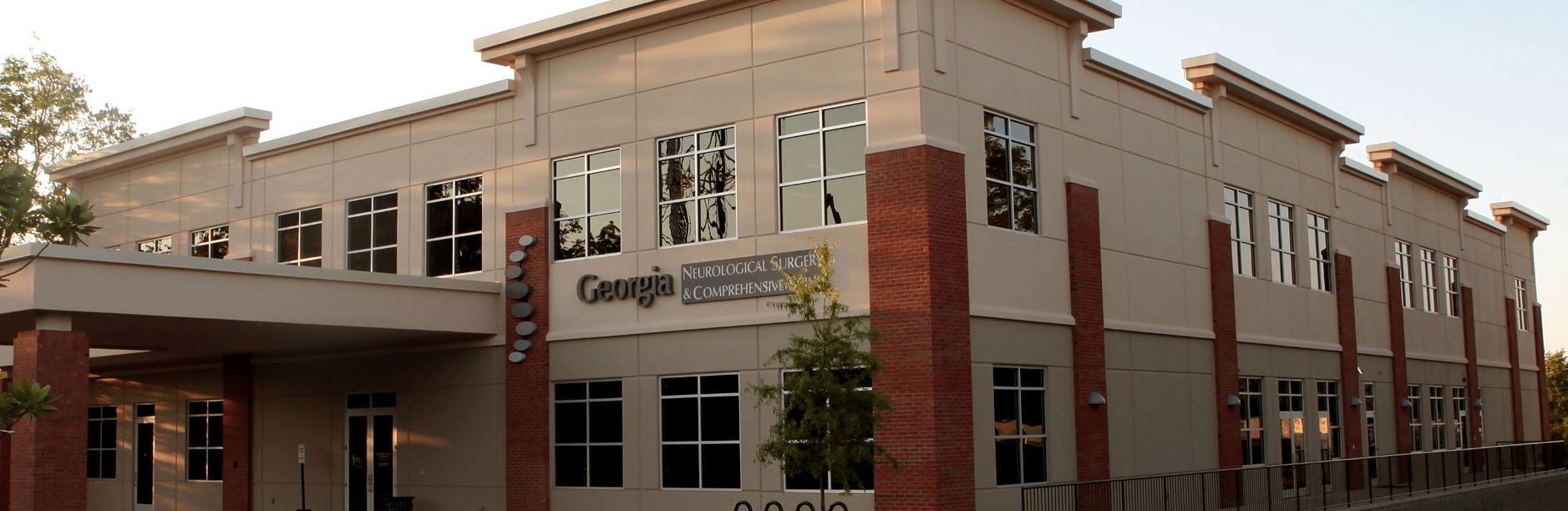
Georgia Neurological Surgery & Comprehensive Spine
2142 W Broad St Bldg 100 Ste 200
Athens, GA 30606
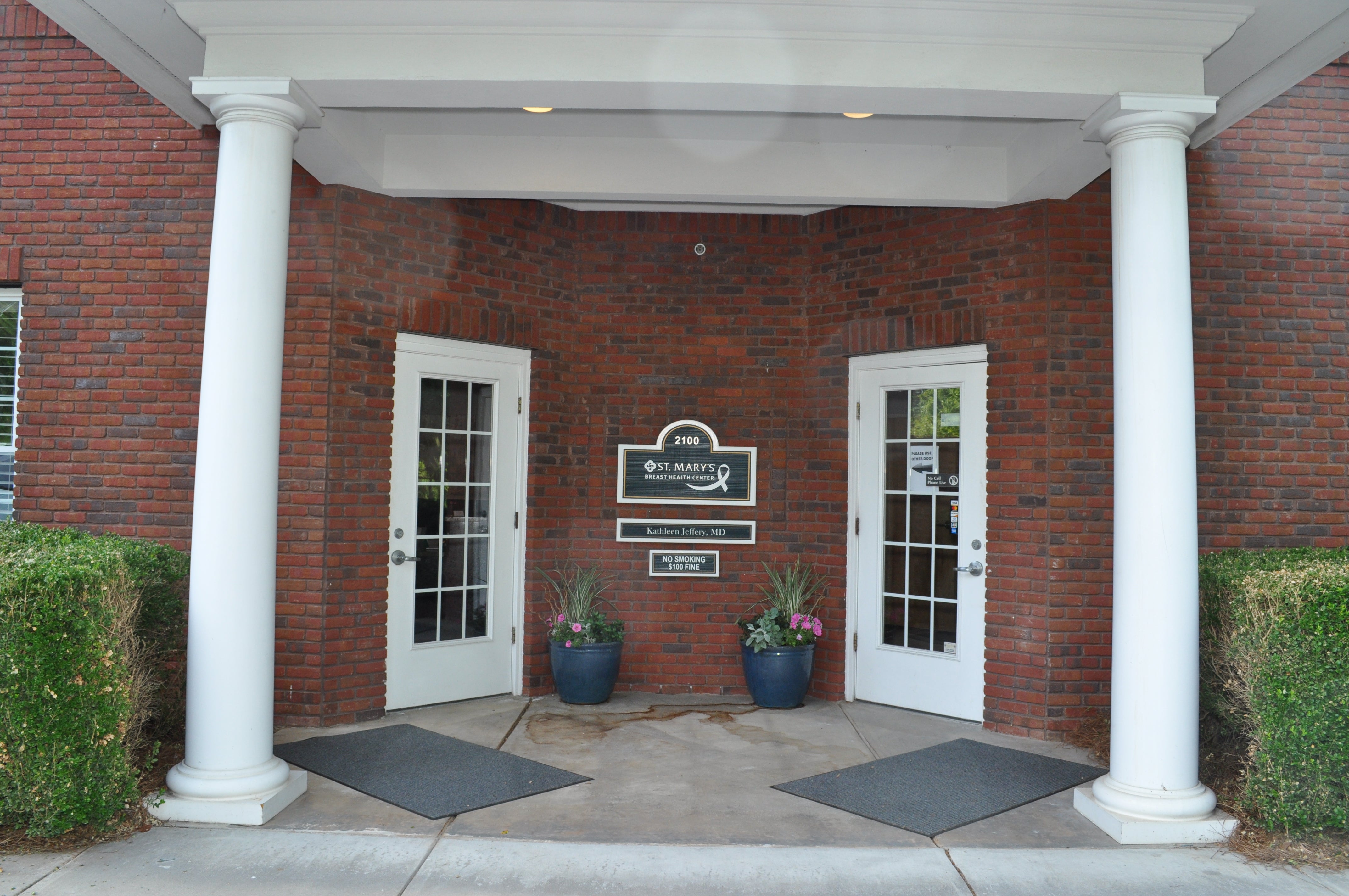
St. Mary's Breast Health Center
1500 Oglethorpe Ave Ste 2100
Athens, GA 30606
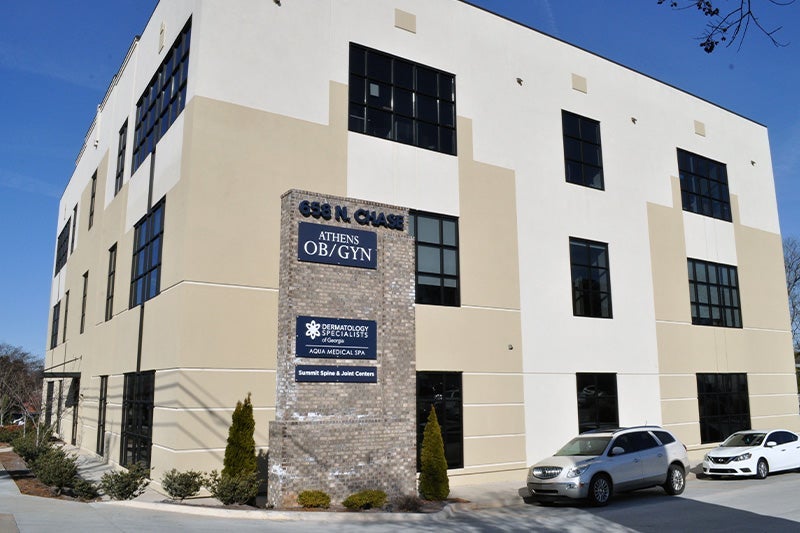
St. Mary's Gastroenterology Associates
658 N Chase St Ste 201
Athens, GA 30601