
Electrophysiology Lab in Athens, GA | Advanced Heart Rhythm Care
When your heart rhythm feels off, it can affect more than just your physical health—it can impact your peace of mind. At St. Mary’s Health Care System, our Electrophysiology Lab provides advanced testing and treatment for heart rhythm conditions, helping you find answers and feel confident in your care.
Diagnosis and Treatment of Heart Rhythm Disorders (Arrhythmias) in Athens and Northeast Georgia

What Is Electrophysiology?
Electrophysiology is a specialized area of cardiology that focuses on the electrical system of the heart. This system controls how your heart beats, and when it isn’t working properly, it can lead to irregular heart rhythms, also known as arrhythmias.
At St. Mary’s, our electrophysiology team uses advanced technology to diagnose and treat these conditions with precision and care. Whether you’re experiencing occasional symptoms or managing a chronic condition, we’re here to help you better understand your heart rhythm and what it means for your health.
Explore Other Cardiac & Vascular Services
A Connected Approach to Heart Rhythm Care
Your care in the Electrophysiology Lab is part of a larger, coordinated cardiology program at St. Mary’s.
We work closely with:
- Diagnostic imaging and testing teams
- Interventional cardiology specialists
- Heart failure care teams
- Emergency heart care services
This connected approach ensures that your care is seamless, personalized, and focused on your long-term health.

Frequently Asked Questions About Electrophysiology
An arrhythmia is an irregular heartbeat, meaning your heart may beat too fast, too slow, or in an uneven pattern. While some arrhythmias are harmless, others may need medical attention.
If you’re noticing changes in your heartbeat, it’s always a good idea to have it evaluated so you can better understand what’s happening.
You should consider seeing a specialist if you experience symptoms like palpitations, dizziness, fainting, or unexplained fatigue.
Even if symptoms come and go, it’s important to have them checked. Early evaluation can help identify potential concerns and provide peace of mind.
An EP study is a minimally invasive test that helps your care team understand how your heart’s electrical system is functioning.
During the test, small wires are guided into the heart to map electrical signals and identify the source of abnormal rhythms. This information helps guide the most effective treatment plan.
Catheter ablation is a procedure used to treat certain arrhythmias by targeting the areas of the heart causing abnormal electrical signals.
By correcting these pathways, ablation can help restore a normal rhythm and, in some cases, reduce the need for long-term medication.
Yes, these procedures are widely used and considered safe when performed by experienced specialists.
At St. Mary’s, we use advanced technology and follow established safety protocols to provide high-quality care while keeping you comfortable.
Many electrophysiology procedures are performed with sedation, so you will be relaxed and comfortable.
Your care team will explain what to expect ahead of time and ensure you feel supported throughout the experience.
Recovery times vary depending on the procedure, but many patients are able to return home the same day or the next day.
We’ll provide clear instructions and follow-up care to support your recovery and help you return to your routine safely.
Not all patients need a device, but if your heart rhythm condition requires additional support, your provider may recommend a pacemaker or ICD.
Your care team will take time to explain your options and help you make an informed decision.
Some arrhythmias can be effectively treated or even resolved with procedures like ablation, while others may require ongoing management.
Our goal is to help you find the approach that best supports your health and quality of life.
After your procedure, your care team will monitor your recovery and provide guidance on next steps.
This may include follow-up visits, medications, or additional monitoring to ensure your heart rhythm remains stable.
You can start by speaking with your primary care provider or cardiologist about your symptoms. If needed, they can refer you for specialized evaluation.
Our team is here to help you move forward with confidence and clarity.
Find Answers for Your Heart Rhythm Questions in Athens, GA
If you’re experiencing symptoms of a heart rhythm disorder or have been referred for testing, our Electrophysiology Lab is here to help. Reach out today to learn more about your options and take the next step in your care.
Related Providers
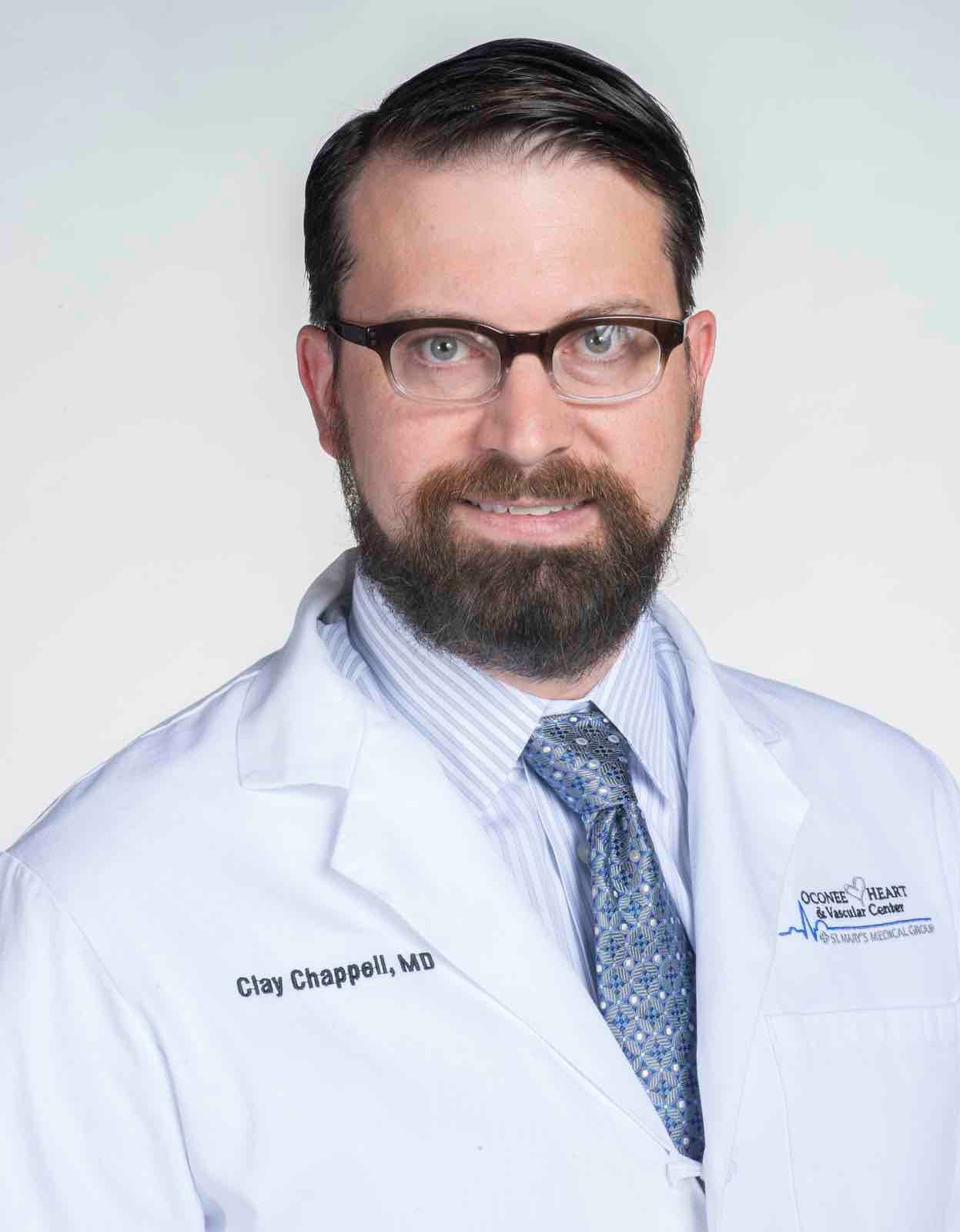
Clay Hollis Chappell, MD
Interventional Cardiology +1 more
Accepting New Patients
St. Mary's Medical Group

Amit Dhirubhai Shah, MD
Clinical Cardiac Electrophysiology +1 more
Accepting New Patients
St. Mary's Medical Group
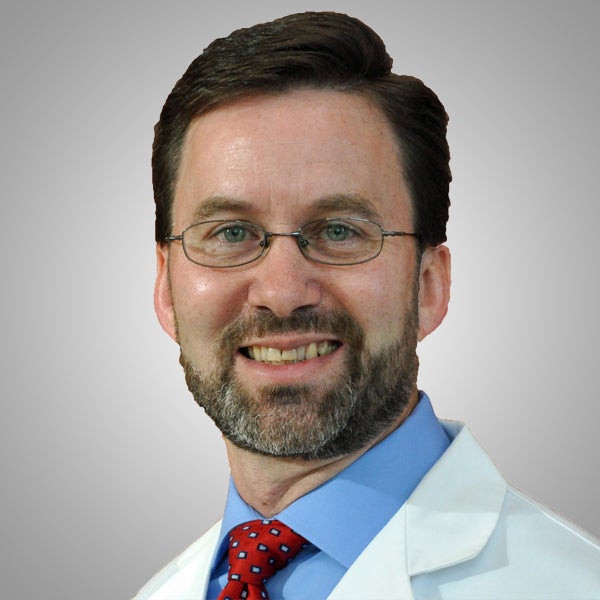
Steven Lowman, MD
Cardiology +1 more
Accepting New Patients
St. Mary's Medical Group

Pallavi Luthra, DO
Cardiology +2 more
Accepting New Patients
St. Mary's Medical Group

Roop Dutta, MD
Clinical Cardiac Electrophysiology +1 more
Accepting New Patients
St. Mary's Medical Group

Hiren Patel, MD
Interventional Cardiology +2 more
Accepting New Patients
St. Mary's Medical Group
Related Locations
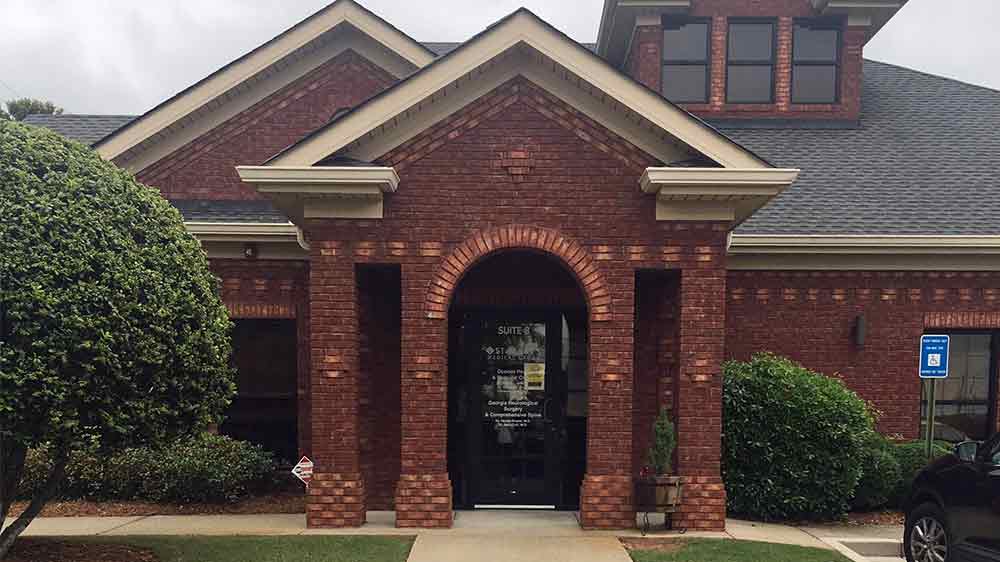
Oconee Heart & Vascular Center - Monroe
868 Michael Etchison Rd. Suite B
Monroe, GA 30655
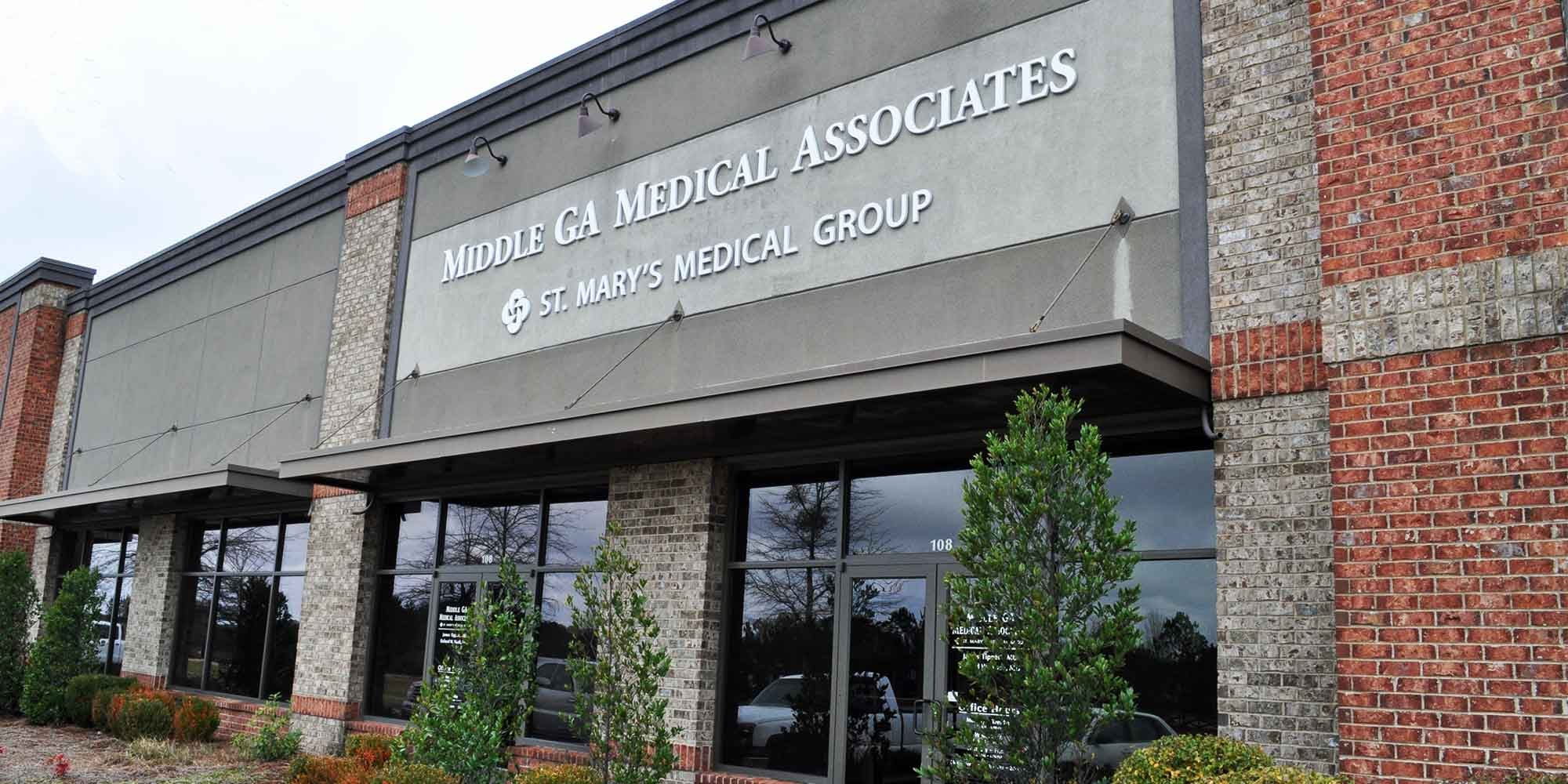
Oconee Heart & Vascular Center - Greensboro
1110 Commerce Dr Ste 108
Greensboro, GA 30642
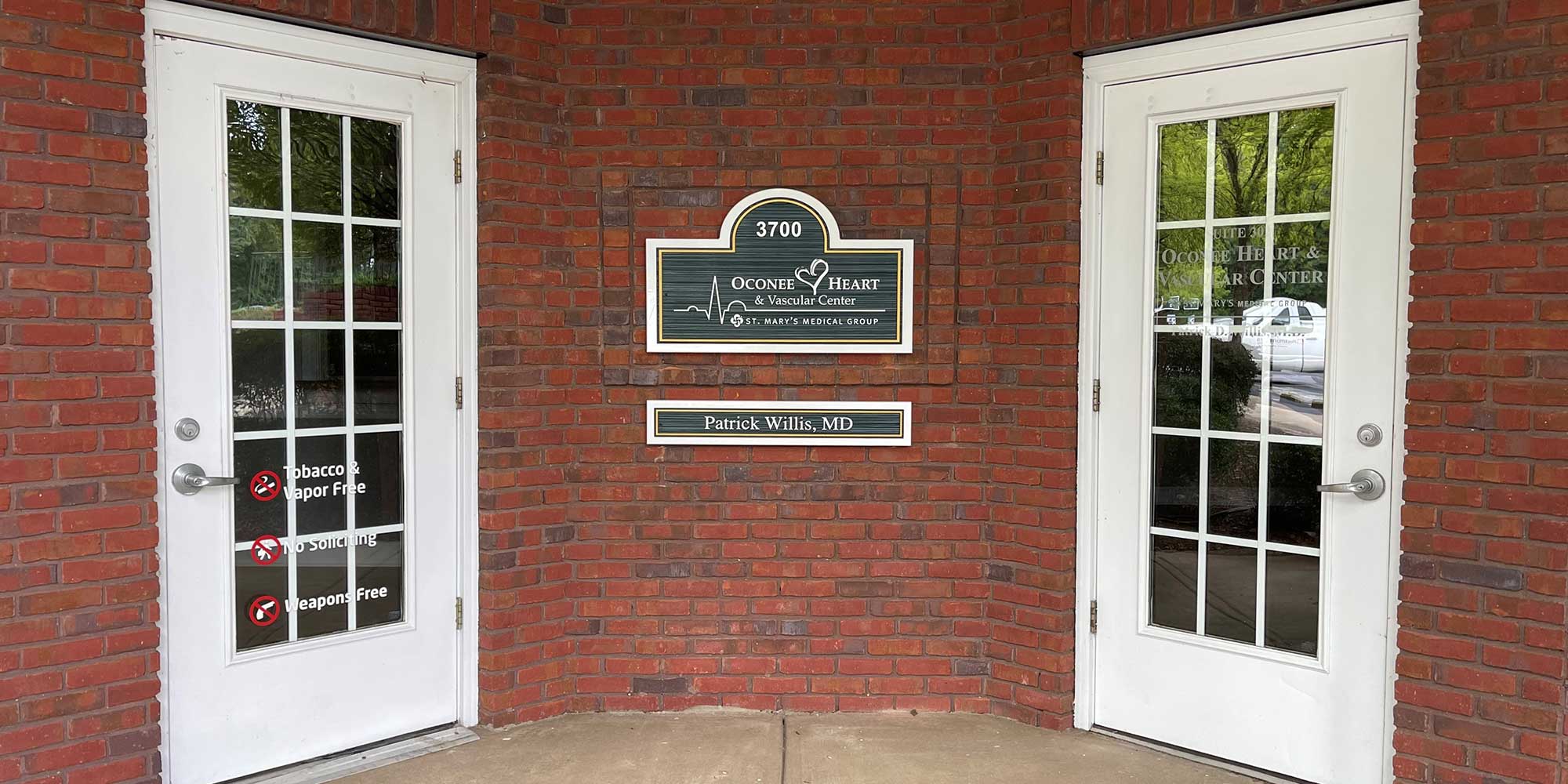
Oconee Heart & Vascular Center
1500 Oglethorpe Ave Ste 3700
Athens, GA 30606

St. Mary's Sacred Heart Hospital
367 Clear Creek Pkwy
Lavonia, GA 30553

St. Mary's Good Samaritan Hospital
5401 Lake Oconee Parkway
Greensboro, GA 30642-4232