Early Heart Attack Care in Athens, GA | Fast, Life-Saving Treatment
When it comes to a heart attack, every second matters. At St. Mary’s Health Care System, our team is prepared to respond quickly with advanced, life-saving care to restore blood flow and protect your heart.
24/7 Emergency Heart Attack Care and Rapid Response Treatment for Patients in Athens and Northeast Georgia
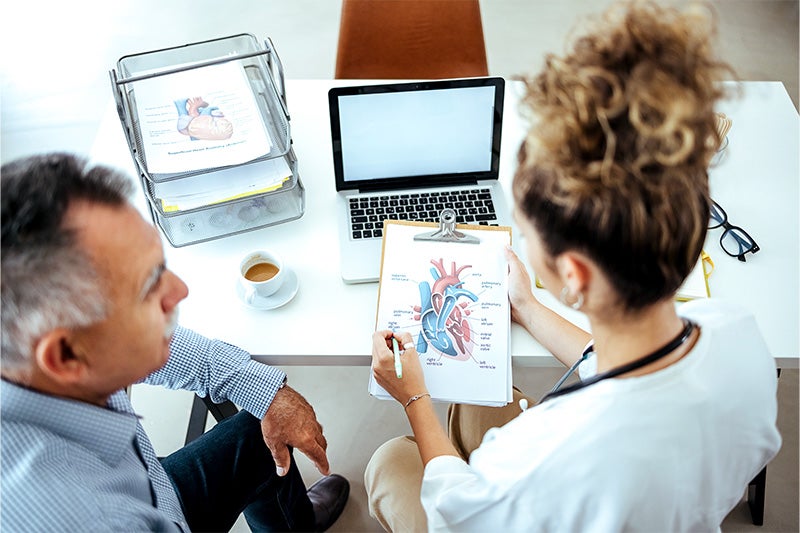
Survive. Don't Drive. CALL 9-1-1
What Is a Heart Attack?
A heart attack, also called a myocardial infarction, occurs when blood flow to part of the heart is blocked. Without oxygen-rich blood, heart muscle can begin to suffer damage within minutes.
The faster treatment begins, the more heart muscle can be saved. That’s why recognizing symptoms early and seeking immediate care is so important.
Frequently Asked Questions About Heart Attack Care
The first signs of a heart attack often include chest discomfort, shortness of breath, and pain that may spread to the arms, back, neck, or jaw. Some people also experience nausea, lightheadedness, or cold sweats.
It’s important to remember that symptoms can look different for everyone, especially for women, older adults, and people with diabetes. If something feels unusual or concerning, it’s always safest to seek care right away.
If you are experiencing heart attack symptoms, call 911 immediately - Do not attempt to drive to the hospital!
Call 911 immediately. Acting quickly is one of the most important things you can do.
Emergency responders can begin treatment en route to the hospital and alert the care team ahead of your arrival, which helps reduce delays. Even if you’re unsure, it’s always better to be evaluated right away.
Remember: Arrive! DON'T DRIVE!
Yes, some people experience symptoms that come and go or feel mild at first. This can make it harder to recognize what’s happening.
Even if symptoms seem to improve, it’s important not to ignore them. Early evaluation can help prevent more serious heart damage.
Treatment should begin as soon as possible, ideally within minutes of arrival at the hospital.
The faster the blood flow is restored, the more heart muscle can be saved. That’s why early recognition and quick action are so important.
When you arrive, the care team will quickly evaluate your symptoms using tests like an electrocardiogram (EKG) and blood work.
If a heart attack is confirmed, treatment will begin right away. This may include medications or a procedure to open blocked arteries.
A STEMI (ST-Elevation Myocardial Infarction) is a more severe type of heart attack caused by a complete blockage of a coronary artery.
This type of heart attack requires immediate treatment to restore blood flow and minimize damage to the heart.
While not all heart attacks can be prevented, many risks can be reduced through healthy lifestyle choices and regular medical care.
Managing blood pressure, cholesterol, and other risk factors can make a meaningful difference over time.
Treatment may include medications, oxygen therapy, and minimally invasive procedures like angioplasty and stent placement.
Your care team will determine the best approach based on your specific condition.
Recovery varies from person to person, but many patients begin to feel better within a few weeks.
Programs like cardiac rehabilitation can help support recovery and improve long-term heart health.
Yes, follow-up care is an important part of recovery. This may include medications, regular check-ups, and lifestyle changes.
Your care team will help guide you through each step so you feel supported and informed.
St. Mary’s Health Care System provides 24/7 emergency heart attack care with rapid response protocols, advanced technology, and a coordinated team ready to act when every second counts.
Get Emergency Heart Care When Every Second Matters
If you or a loved one is experiencing symptoms of a heart attack, call 911 immediately. For follow-up care or to learn more about our heart services in Athens, GA, our team is here to support you.
Related Providers
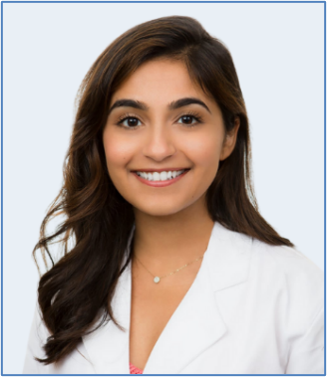
Pallavi Luthra, DO
Cardiology +2 more
Accepting New Patients
St. Mary's Medical Group
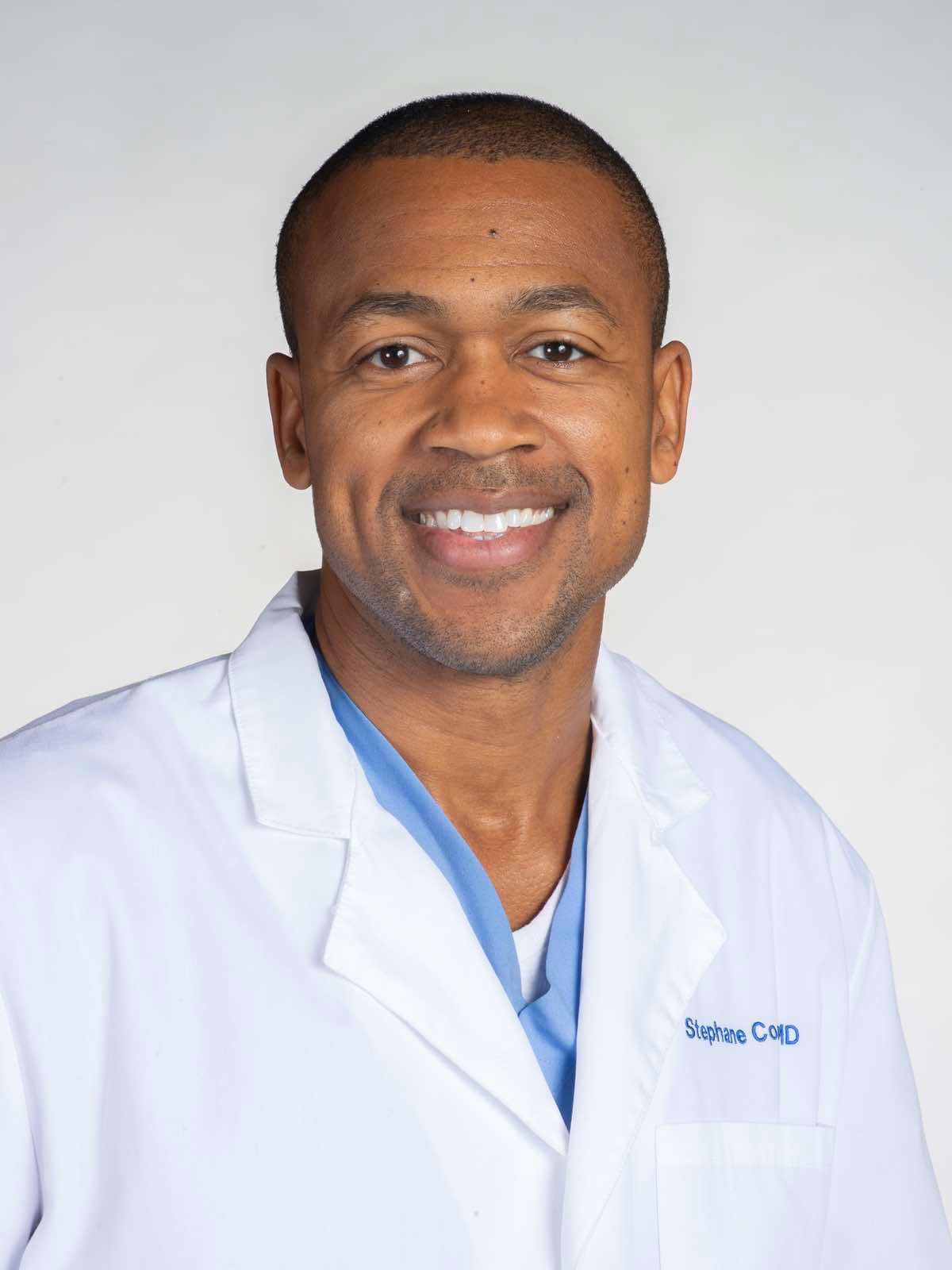
Patrick Douglas Willis, MD
Interventional Cardiology +1 more
Accepting New Patients
St. Mary's Medical Group
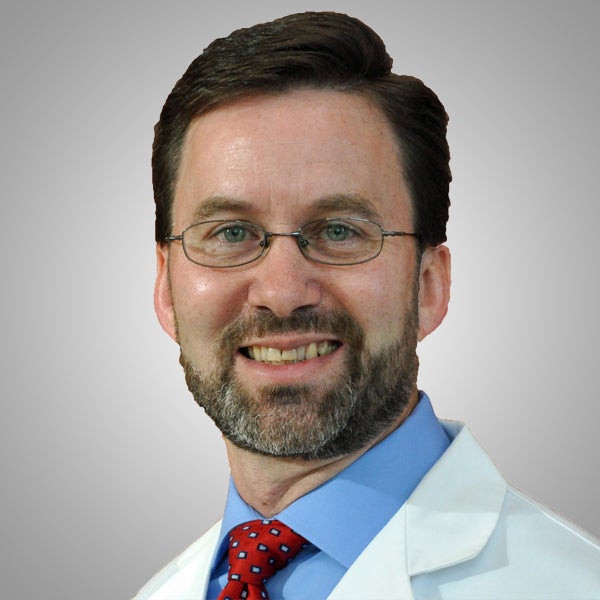
Steven Lowman, MD
Cardiology +1 more
Accepting New Patients
St. Mary's Medical Group
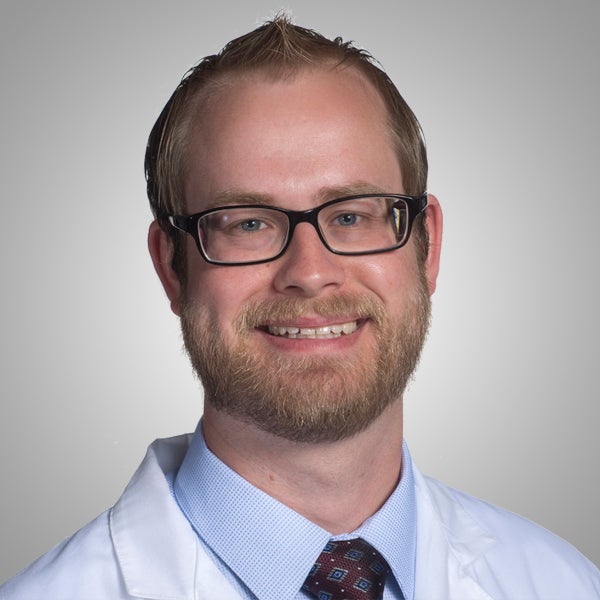
Lauren Dowling, DO
Cardiology
Accepting New Patients
St. Mary's Medical Group
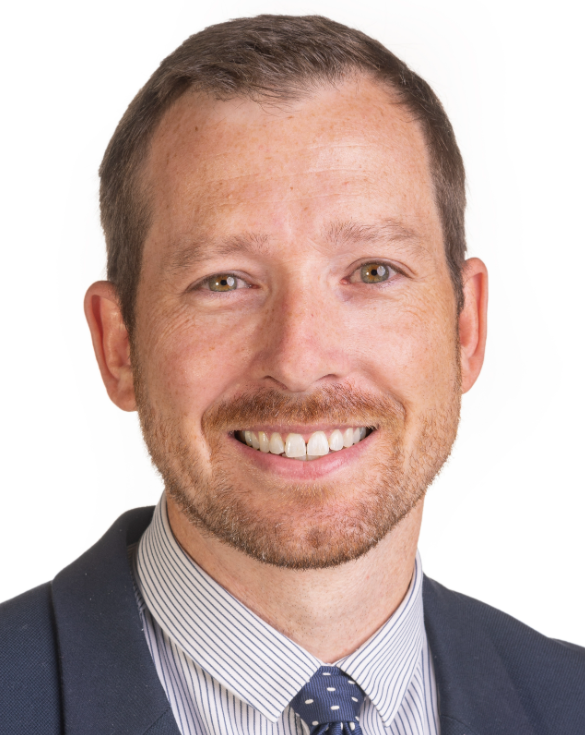
John Robert Morsek, MD
Cardiology
Accepting New Patients
St. Mary's Medical Group
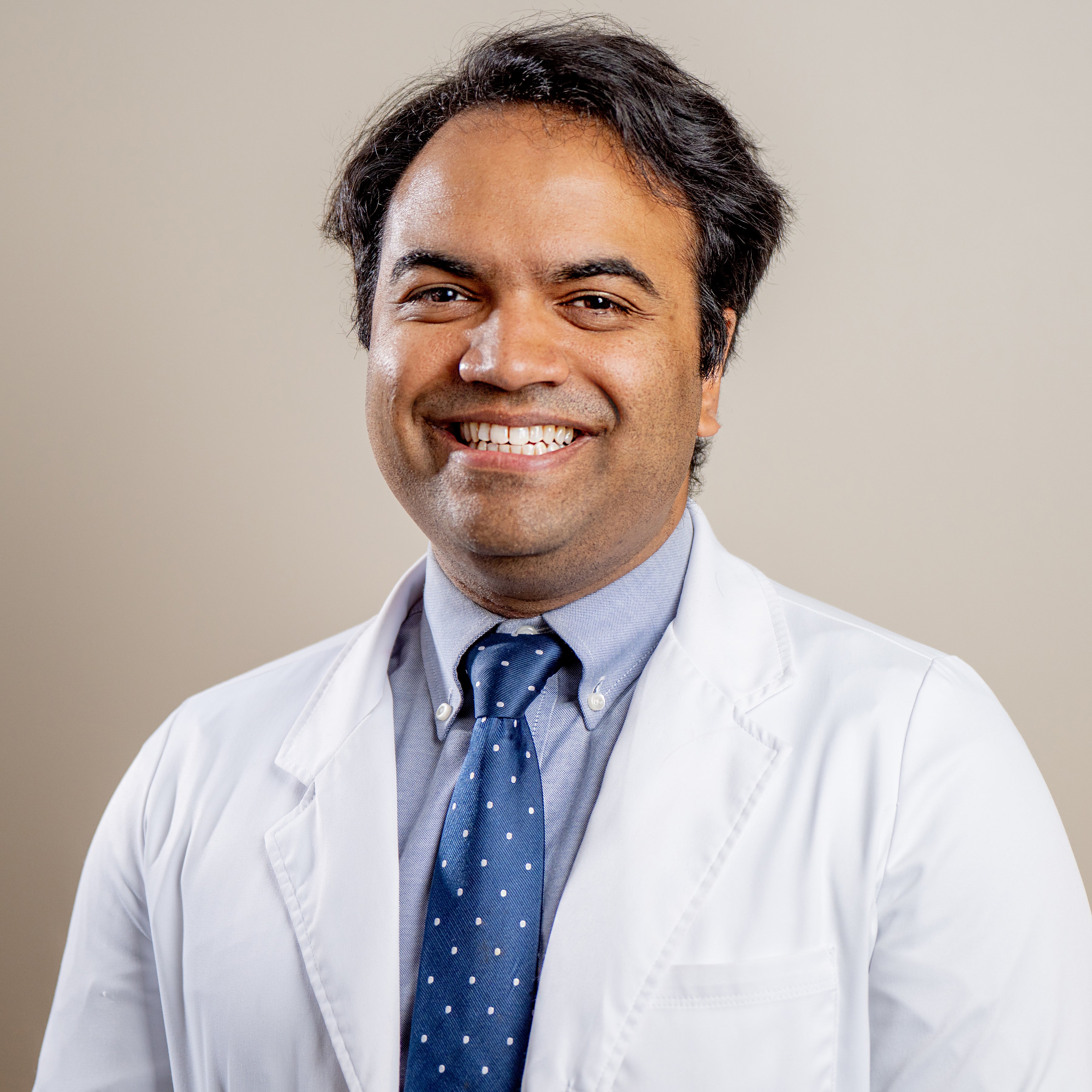
Roop Dutta, MD
Clinical Cardiac Electrophysiology +1 more
Accepting New Patients
St. Mary's Medical Group
Related Locations
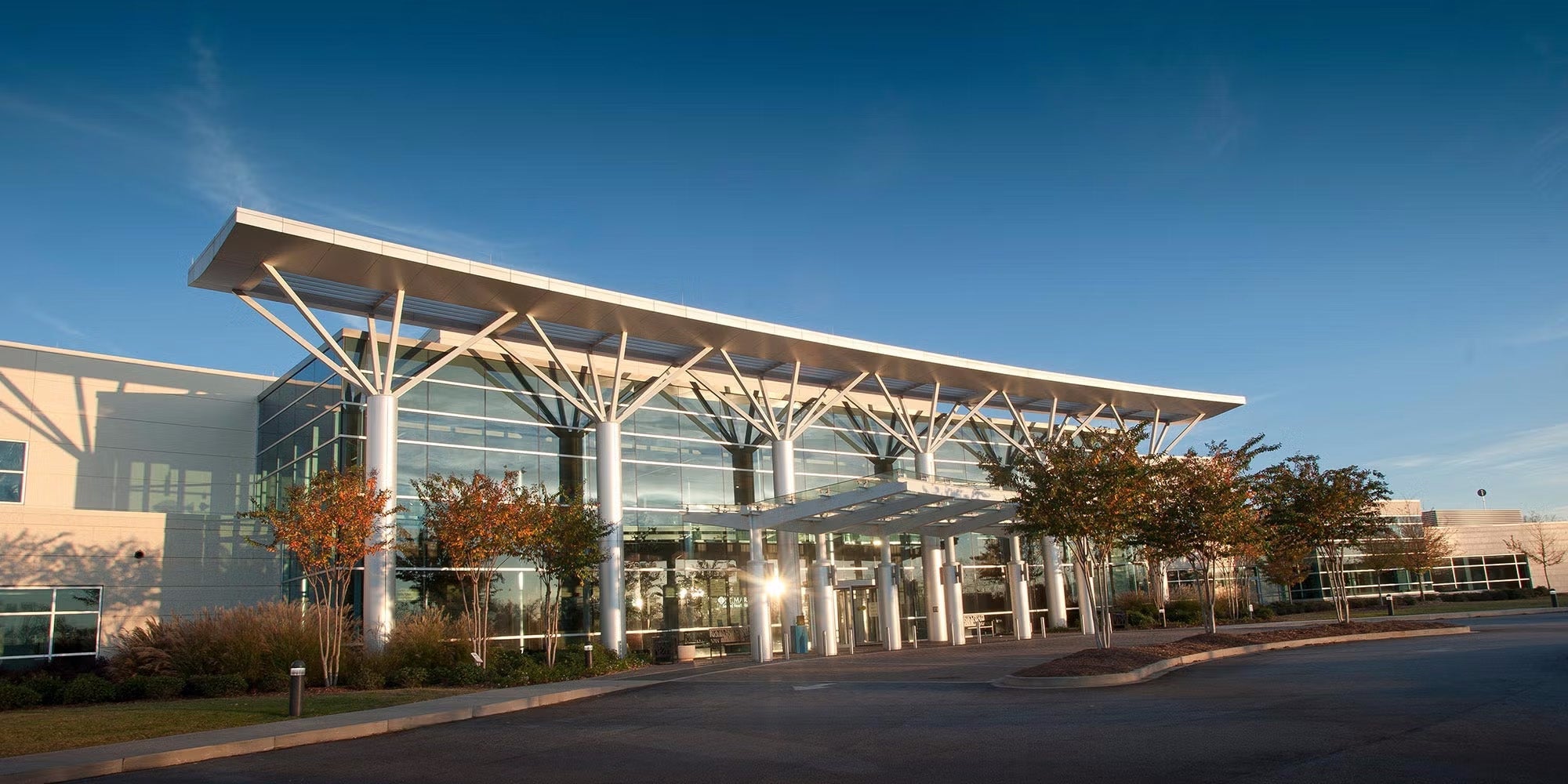
St. Mary's Sacred Heart Hospital
367 Clear Creek Pkwy
Lavonia, GA 30553
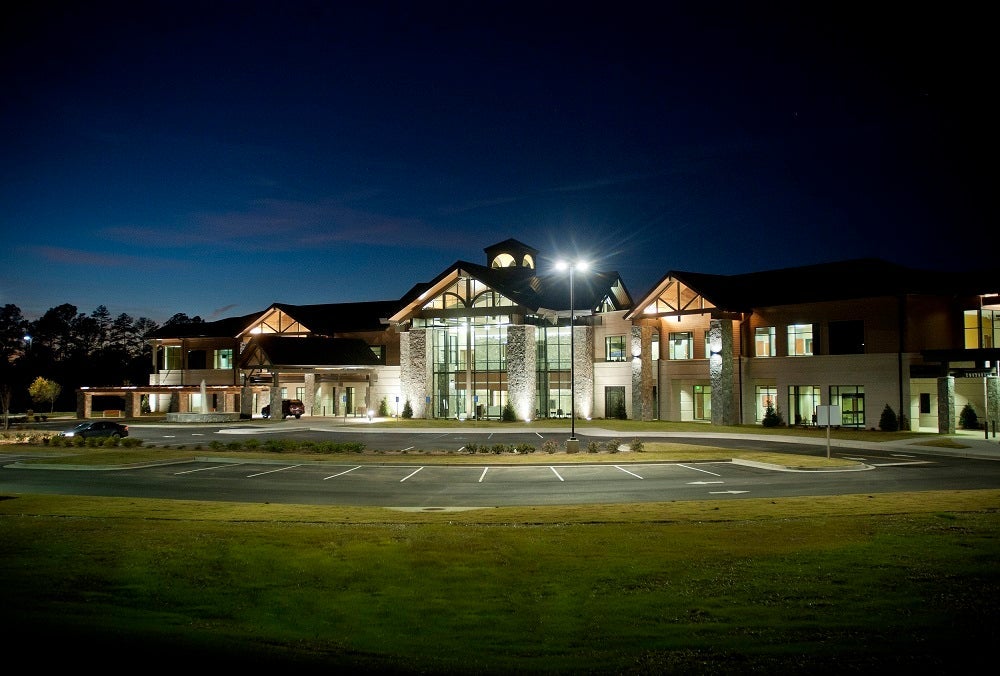
St. Mary's Good Samaritan Hospital
5401 Lake Oconee Parkway
Greensboro, GA 30642-4232
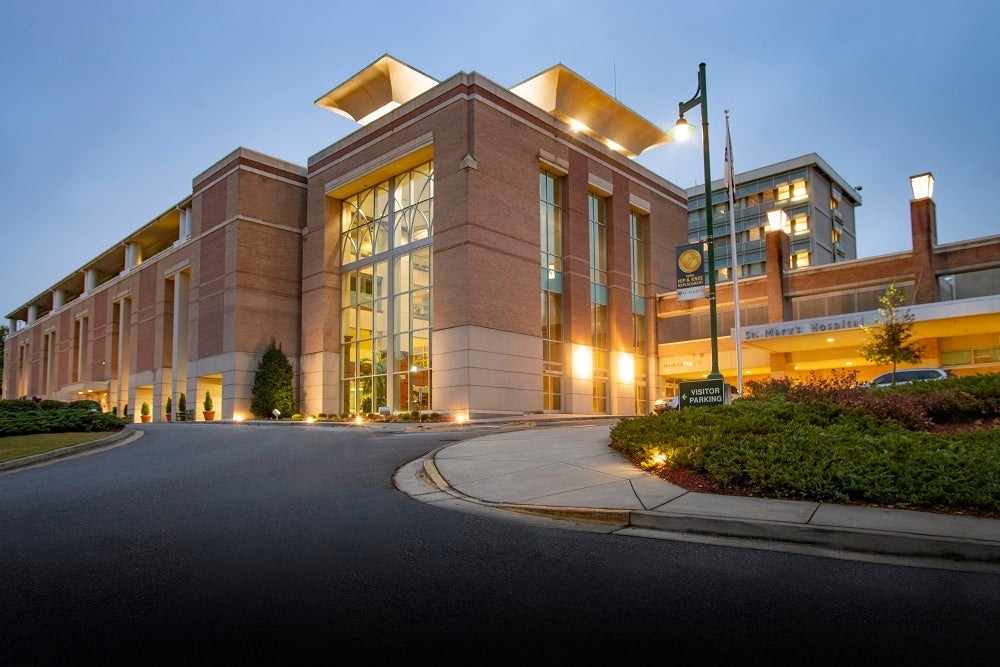
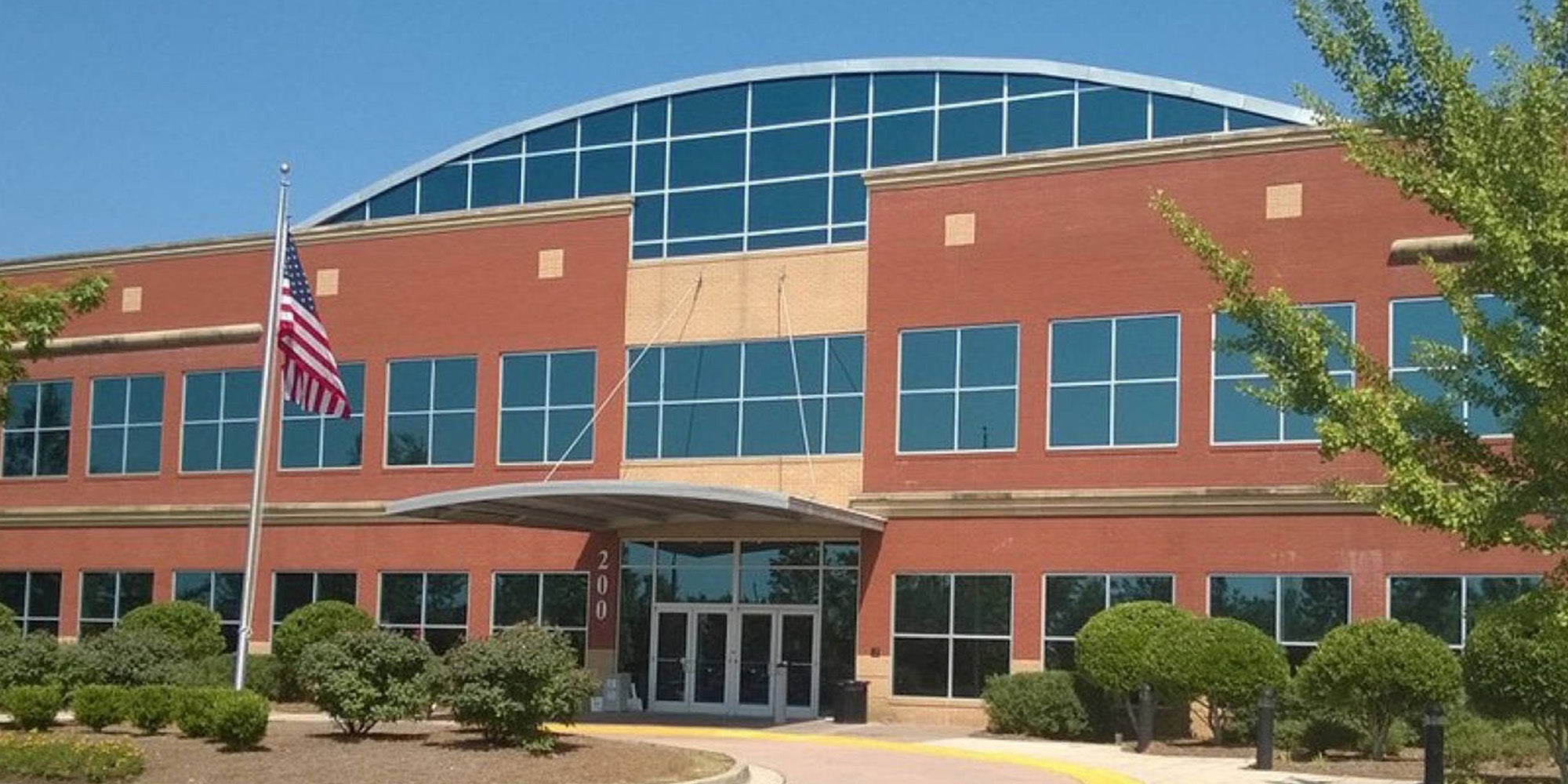
Oconee Heart and Vascular Center
2470 Daniells Bridge Rd Bldg 200 Ste 251
Athens, GA 30606
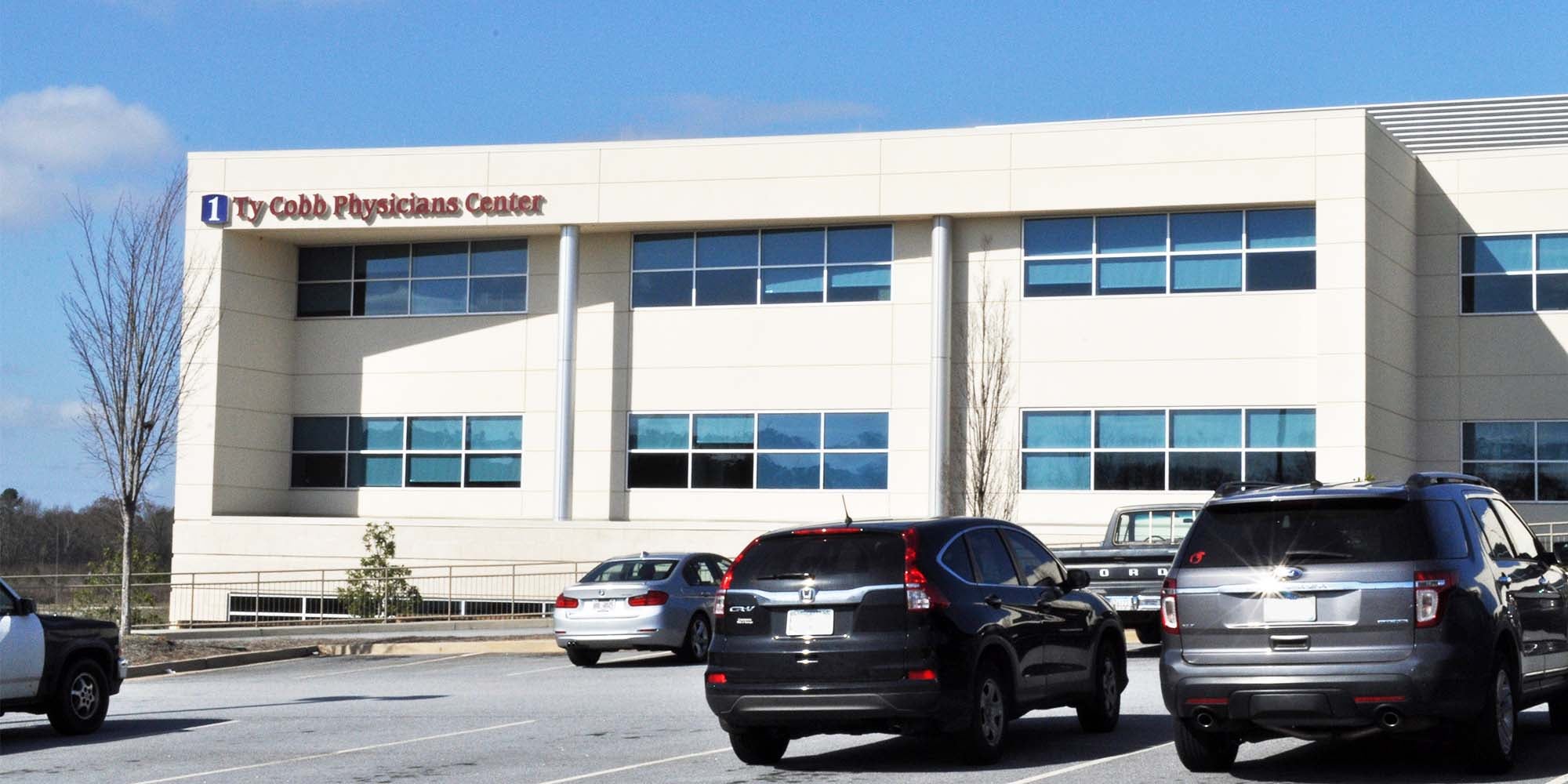
Oconee Heart and Vascular Center - Lavonia
355 Clear Creek Pkwy Ste 1003
Lavonia, GA 30553
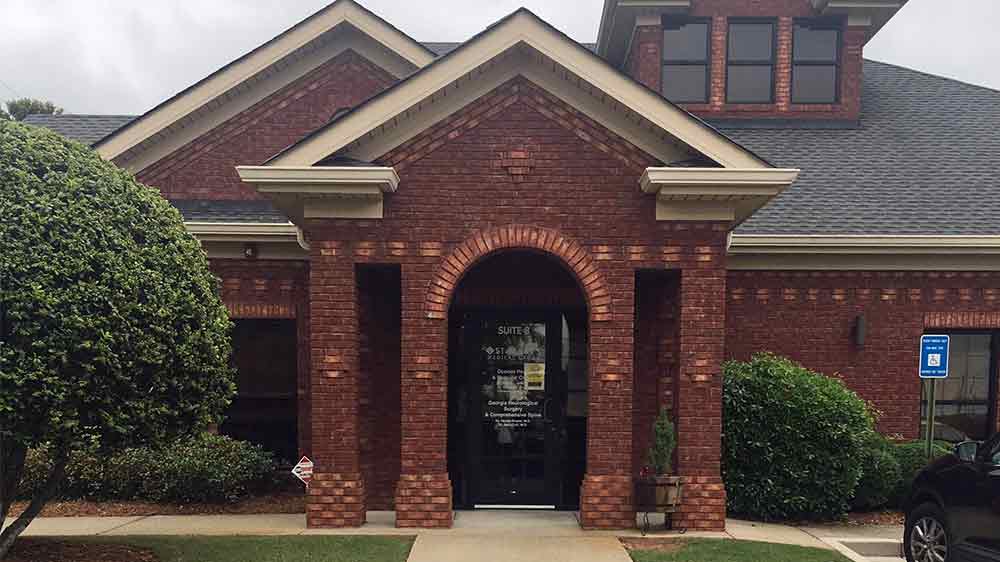
Oconee Heart & Vascular Center - Monroe
868 Michael Etchison Rd. Suite B
Monroe, GA 30655