
Anal Fissure and Fistula Care in Athens, GA
Conditions such as anal fissures and anal fistulas can cause significant pain, discomfort, and embarrassment, making it difficult for many people to seek care. At St. Mary’s Health Care System, our colorectal surgery team provides compassionate, discreet care for patients experiencing painful anorectal conditions throughout Athens, Greensboro, Lavonia, and Northeast Georgia.
Compassionate colorectal care and advanced surgical treatment for anal fissures and fistulas across Northeast Georgia
Athens Office Lavonia Office Greensboro Office
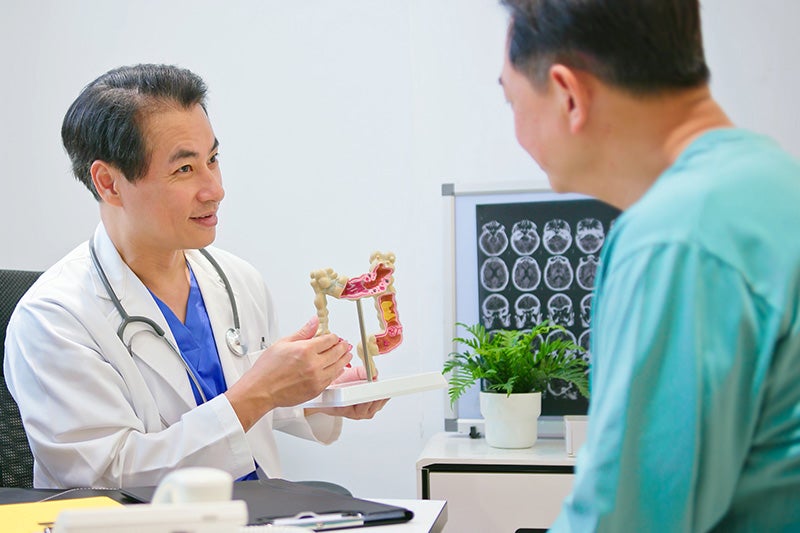
What Are Anal Fissures and Anal Fistulas?
An anal fissure is a small tear in the lining of the anal canal that may cause pain, burning, bleeding, or discomfort during bowel movements. Fissures are common and may develop from constipation, chronic diarrhea, straining, or irritation to the area.
An anal fistula is an abnormal tunnel that forms between the anal canal and the skin surrounding the anus. Fistulas often develop after an infection or abscess and may cause drainage, swelling, discomfort, or recurrent infections.
Although fissures and fistulas are different conditions, both can significantly affect comfort and daily life when left untreated.
At St. Mary’s, our colorectal specialists provide comprehensive evaluation and treatment options tailored to each patient’s symptoms, condition severity, and overall health needs.
Learn More About: Surgical Services at St. Mary's Colorectal Surgery
Why Anal Fissure and Fistula Care Support Long-Term Health?
Many anorectal conditions worsen over time without proper treatment. Chronic fissures may continue causing severe pain and bleeding, while untreated fistulas may lead to ongoing infections, abscesses, or recurrent drainage.
Early evaluation and treatment may help:
- Relieve pain and discomfort
- Improve bowel function and daily comfort
- Reduce recurrent infections or abscess formation
- Support faster healing
- Prevent worsening symptoms
- Improve long-term quality of life
At St. Mary’s, we understand the sensitive nature of colorectal conditions and prioritize compassionate communication, privacy, and individualized care throughout treatment and recovery.
Explore Rehabilitation Services at St. Mary's Health Care System
Colorectal Conditions Evaluated and Treated with Anal Fissure and Fistula Care
Anal Fissures
Anal fissures may cause sharp pain during bowel movements, bleeding, burning, or lingering discomfort afterward. Acute fissures sometimes heal with conservative treatment, while chronic fissures may require procedural or surgical intervention.
Chronic Anal Fissures
Some fissures persist despite medication, dietary changes, or stool-softening treatments. Chronic fissures may require specialized colorectal evaluation and surgical treatment to promote healing and reduce pain.
Anal Fistulas
Anal fistulas often develop following an anal abscess or infection. Symptoms may include drainage, irritation, swelling, pain, or recurrent infections around the rectal area.
Anal Abscesses
An anal abscess is a painful pocket of infection that may require drainage and follow-up treatment. Some abscesses later develop into fistulas that require additional care.
Recurrent Anorectal Infections
Repeated swelling, drainage, or discomfort near the anus may indicate an underlying fistula or chronic infection requiring colorectal surgical evaluation.
Treatments and Procedures Offered to Treat Anal Fissures and Fistulas
Non-Surgical Conservative Treatments
Some anal fissures improve with conservative treatment approaches focused on reducing irritation and supporting healing. Treatment may include:
- Dietary and fiber recommendations
- Hydration guidance
- Stool-softening medications
- Topical prescription medications
- Bowel habit education
- Pain management support
Our care team works closely with patients to help reduce discomfort while supporting healing in the least invasive way possible.
Minimally Invasive Fistula Procedures
Certain fistulas may be treated using minimally invasive techniques designed to remove infection, improve drainage, and preserve surrounding tissue.
Treatment planning depends on:
- The location of the fistula
- Infection severity
- Complexity of the fistula tract
- Prior procedures or recurrent disease
Learn More about Laparoscopic Surgery at St. Mary's Health Care System
Surgical Treatment for Chronic Fissures
When chronic fissures do not heal with conservative treatment, surgery may help reduce muscle tension and allow the area to heal more effectively.
Our colorectal surgery team carefully evaluates each patient to determine the safest and most effective treatment approach while minimizing discomfort and recovery time.
Abscess Drainage and Infection Management
Anal abscesses often require drainage to relieve pain and prevent worsening infection. Prompt treatment may help reduce complications and lower the risk of fistula development.
What to Expect Before, During, and After Anal Fissure and Fistula Surgery
Your care begins with a private consultation and evaluation focused on understanding your symptoms, medical history, bowel habits, and overall health.
Your visit may include:
- Review of symptoms and medical history
- Physical examination
- Discussion of bowel habits and nutrition
- Evaluation for infection or drainage
- Discussion of treatment options and next steps
We understand that many patients feel nervous discussing anorectal symptoms. Our team prioritizes respectful communication, privacy, and patient comfort throughout the evaluation process.
If a procedure or surgery is recommended, your care team will explain the treatment plan clearly, answer your questions, and help you understand what to expect before, during, and after treatment.
Recovery and Ongoing Care after Anal Fissure and Fistula Surgery
Recovery varies depending on the type of condition and treatment performed. Many minimally invasive procedures involve shorter recovery periods, while more complex fistula surgeries may require additional follow-up care.
Recovery support may include:
- Pain management guidance
- Bowel management recommendations
- Nutrition and hydration support
- Follow-up appointments to monitor healing
- Infection monitoring and prevention
- Long-term colorectal care when needed
At St. Mary’s, we remain connected throughout recovery to help patients heal comfortably and reduce the risk of recurrence or complications.
Explore Rehabilitation Services at St. Mary's Health Care System
Anal Fissure and Fistula Care at St. Mary’s Healthcare System
Patients across Northeast Georgia trust St. Mary’s for compassionate colorectal care delivered with dignity, discretion, and advanced surgical expertise.
Our colorectal surgery program provides care in multiple communities, helping patients access specialized treatment closer to home.
Associated colorectal surgery locations include:
- Athens General & Colorectal Surgeons – Athens
- Athens General & Colorectal Surgeons – Greensboro
- Athens General & Colorectal Surgeons – Lavonia
At St. Mary’s, patients benefit from:
- Specialized colorectal surgical expertise
- Compassionate and discreet care
- Personalized treatment planning
- Minimally invasive treatment options
- Coordinated recovery and follow-up support
- Access to connected system-wide care
We are committed to helping patients feel comfortable seeking care for sensitive conditions while providing advanced treatment close to home.
A Connected Approach to Care
Anal fissure and fistula care at St. Mary’s is part of a connected colorectal and surgical care network that brings together colorectal specialists, surgical teams, imaging providers, rehabilitation services, and primary care physicians.
This coordinated approach helps ensure patients receive comprehensive care that addresses both immediate symptoms and long-term colorectal health.
By combining advanced surgical expertise with compassionate support, St. Mary’s helps patients throughout Northeast Georgia access high-quality colorectal care in a welcoming and respectful environment.

Frequently Asked Questions about Anal Fissure and Fistula Care
An anal fissure is a small tear in the lining of the anal canal that may cause pain, bleeding, or discomfort during bowel movements.
An anal fistula is an abnormal tunnel that forms between the anal canal and the skin surrounding the anus, often after an infection or abscess develops.
Anal fissures commonly cause sharp pain during bowel movements, bleeding, burning, or lingering discomfort afterward.
Anal fistulas may cause drainage, swelling, pain, irritation, recurrent infections, or abscess formation near the rectal area.
Some acute fissures improve with conservative treatment such as dietary changes, hydration, and medication. Chronic fissures may require additional treatment or surgery.
Most anal fistulas develop after an anal abscess or infection creates an abnormal connection between the anal canal and nearby skin.
Not always. Treatment depends on the size, complexity, and location of the fistula, though many fistulas eventually require procedural or surgical treatment.
Yes. Anal fissures and fistulas are relatively common colorectal conditions, though many people delay treatment because they feel embarrassed discussing symptoms.
Recovery varies depending on the condition and treatment performed. Many minimally invasive procedures involve shorter recovery times, while more complex surgeries may require longer healing periods.
You should seek evaluation if you experience ongoing pain, bleeding, swelling, drainage, recurrent infections, or symptoms that interfere with daily life.
Your provider will review your symptoms, medical history, and treatment goals while performing a careful evaluation in a respectful and supportive environment.
Schedule Your Consultation
You do not have to live with ongoing pain, discomfort, or embarrassment related to anal fissures or fistulas. Our compassionate colorectal surgery team is here to help you understand your symptoms and find a treatment plan that supports healing and long-term comfort.
Connect with St. Mary’s Health Care System in Athens, Greensboro, Lavonia, and Northeast Georgia to learn more about advanced anal fissure and fistula care today.
Related Locations
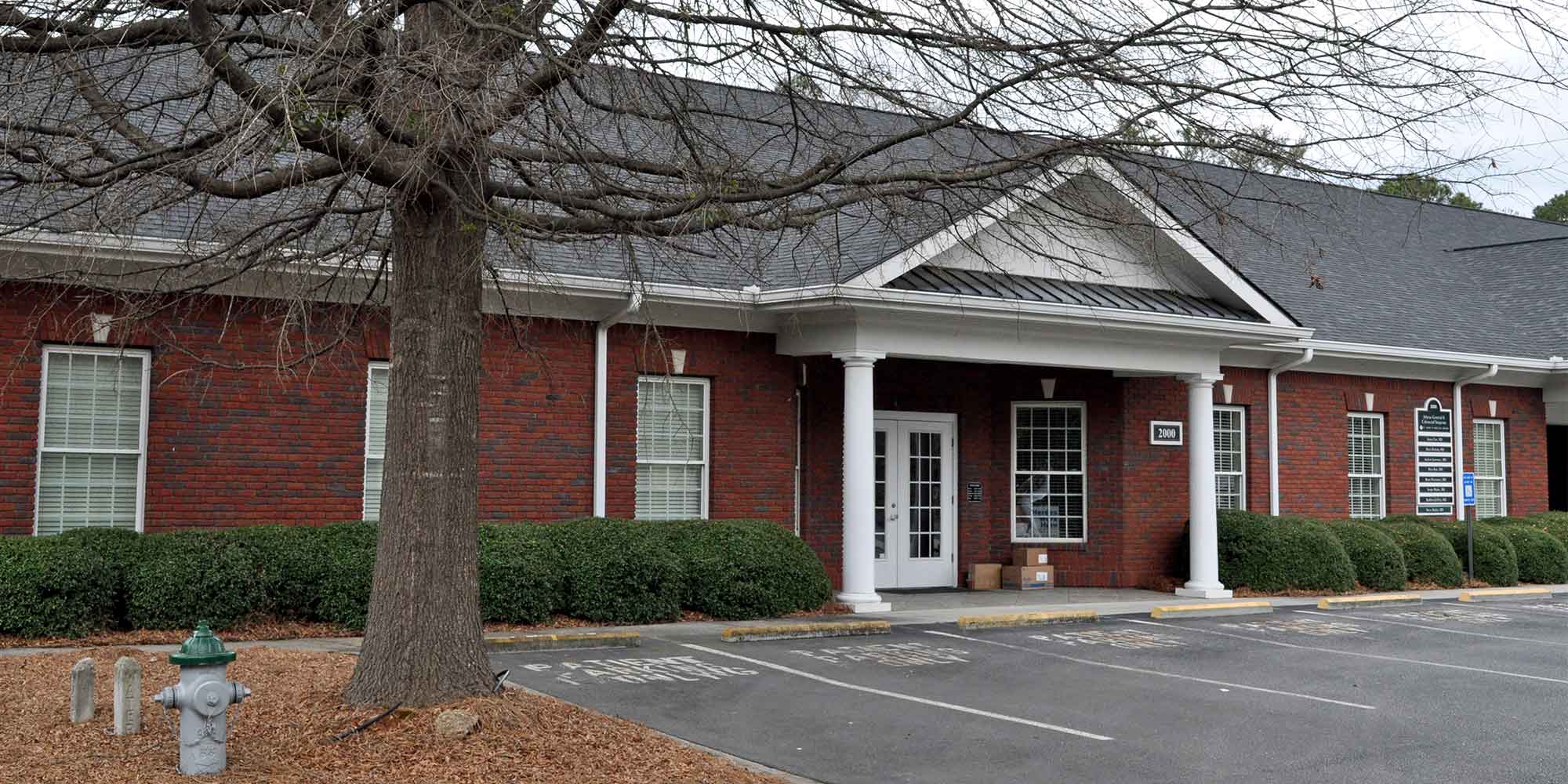
Athens General & Colorectal Surgeons PC
1500 Oglethorpe Ave Ste 2000
Athens, GA 30606
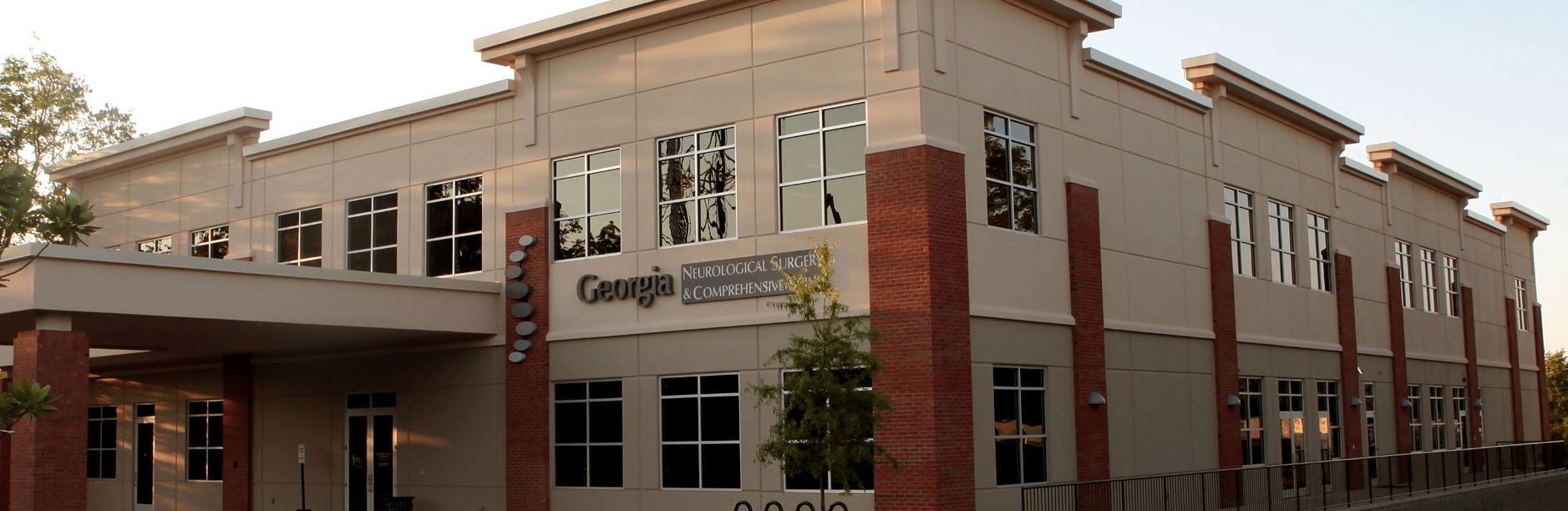
Georgia Neurological Surgery & Comprehensive Spine
2142 W Broad St Bldg 100 Ste 200
Athens, GA 30606
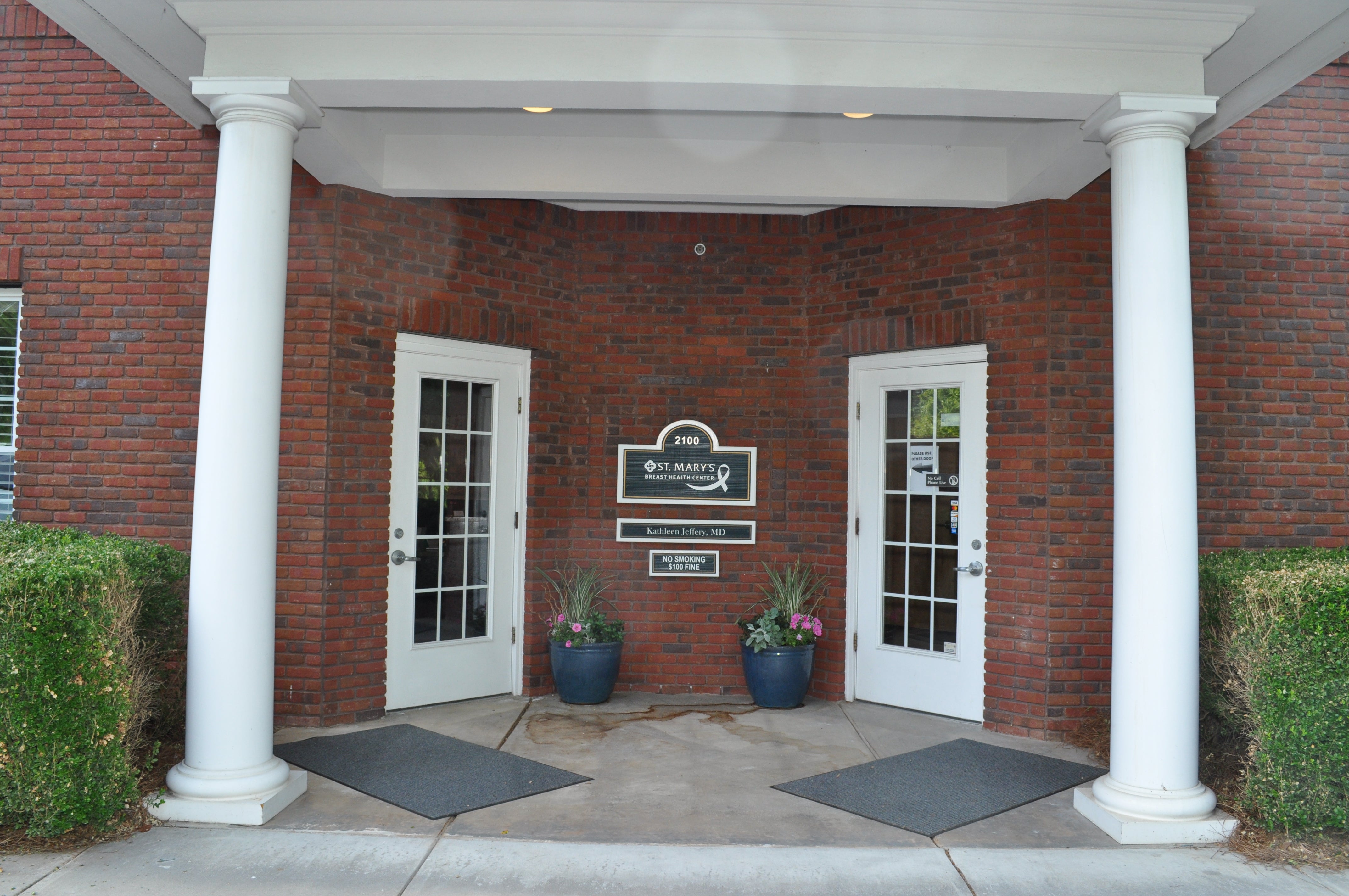
St. Mary's Breast Health Center
1500 Oglethorpe Ave Ste 2100
Athens, GA 30606
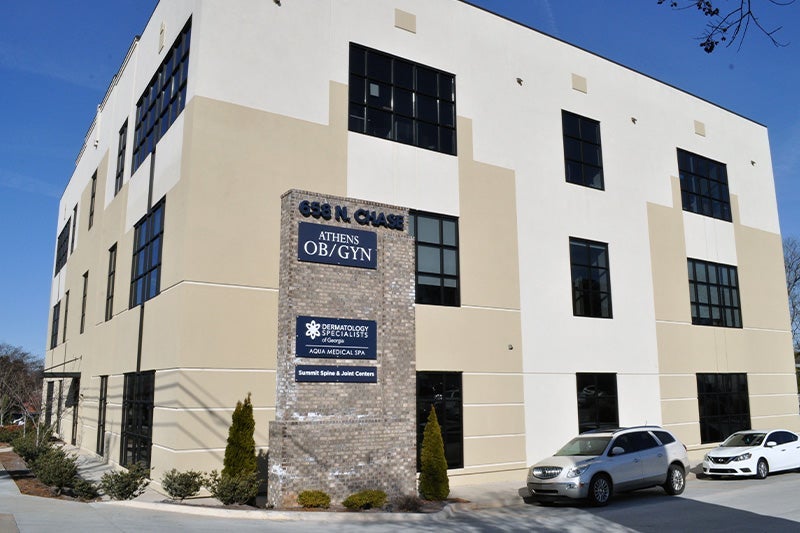
St. Mary's Gastroenterology Associates
658 N Chase St Ste 201
Athens, GA 30601
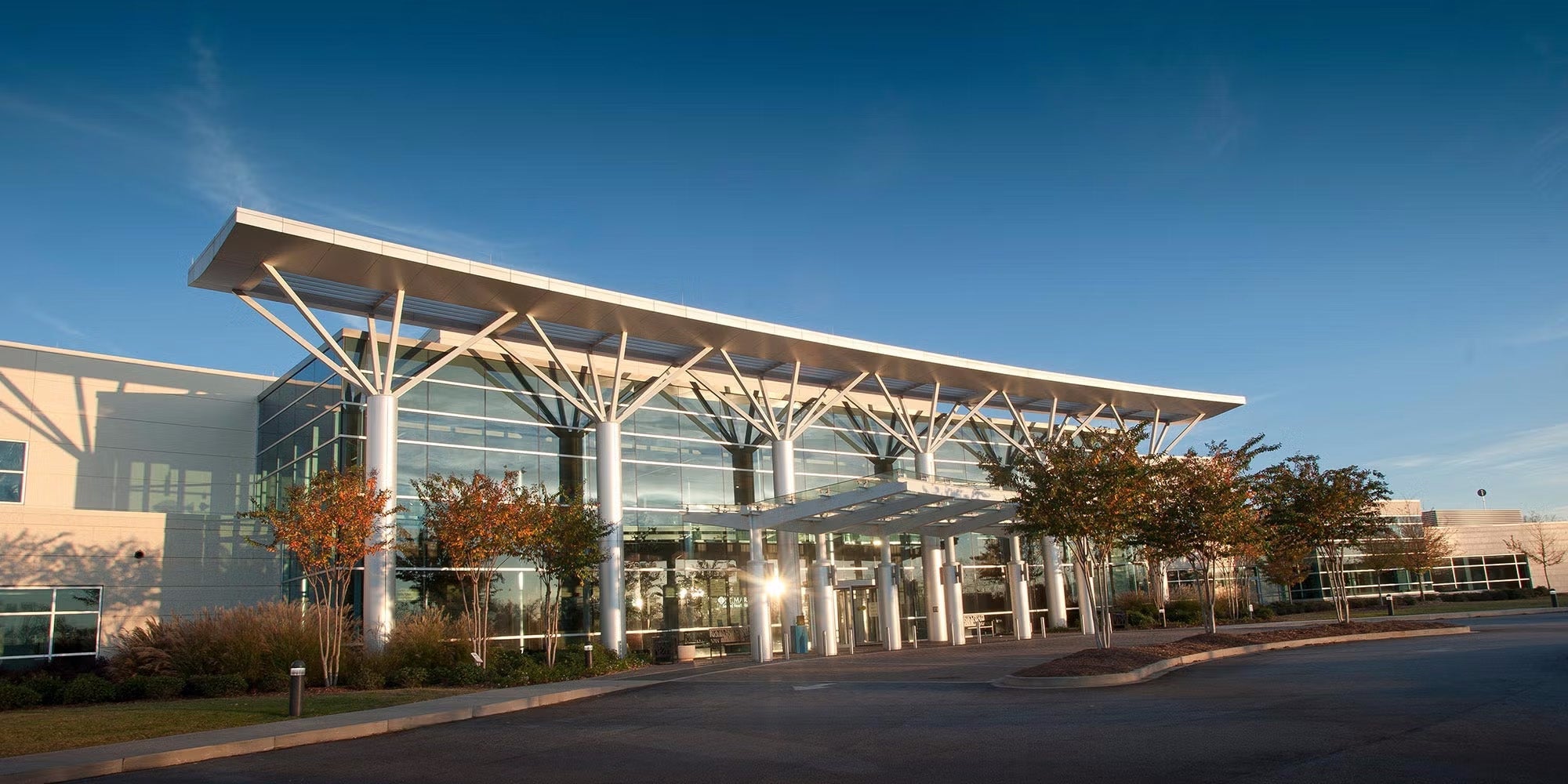
St. Mary's Sacred Heart Hospital
367 Clear Creek Pkwy
Lavonia, GA 30553

St. Mary's Good Samaritan Hospital
5401 Lake Oconee Parkway
Greensboro, GA 30642-4232