Expert Hernia Repair at St. Mary’s Health Care System in Athens, GA
Our skilled surgeons specialize in advanced, minimally invasive hernia repair and abdominal wall reconstruction right here in Athens, GA. By using the latest robotic technology, we aim to make your surgery as smooth as possible, reducing complications, shortening recovery time, and lowering the chances of your hernia coming back.
Advanced surgical technology with a warm, patient-centered approach that supports healing before, during, and after hernia repair surgery.
Visit Our Greensboro Location Visit Our Athens Location

What Is Hernia Repair?
A hernia occurs when tissue or part of an internal organ pushes through a weakened area in the muscle or abdominal wall. Hernias commonly develop in the abdomen or groin and may appear as a visible bulge, pressure, or painful area that worsens with lifting, coughing, or physical activity.
Hernia repair surgery is performed to close and reinforce the weakened area of tissue. Depending on the type and severity of the hernia, repair may involve minimally invasive laparoscopic surgery, robotic-assisted surgery, or traditional open surgical techniques.
At St. Mary’s, our goal is to provide safe, effective surgical care that relieves symptoms, lowers the risk of complications, and supports long-term healing.
Learn More About: Robotic Surgery
Why Hernia Repair Matters
Some hernias may begin with mild discomfort but gradually become larger, more painful, or more difficult to treat over time. In some cases, untreated hernias can lead to serious complications if tissue becomes trapped or loses blood supply.
Early evaluation and treatment may help:
- Reduce pain and pressure
- Restore daily comfort and mobility
- Prevent worsening symptoms or enlargement
- Lower the risk of emergency complications
- Improve abdominal wall strength and function
- Support faster recovery with minimally invasive techniques
At St. Mary’s, we tailor every treatment plan to the individual patient, considering overall health, activity level, symptoms, and the complexity of the hernia itself.
Learn More about Post-Surgical Recovery Rehabilitation Services
Types of Hernias Treated
Inguinal Hernias
Inguinal hernias develop in the groin area and are among the most common types of hernias. They may cause pain, pressure, or a noticeable bulge that worsens with standing, lifting, or activity.
Umbilical Hernias
Umbilical hernias occur near the belly button when tissue pushes through weakened abdominal muscles. These hernias may become more noticeable over time and sometimes require surgical repair to prevent complications.
Incisional Hernias
Incisional hernias develop at the site of a previous abdominal surgery where the abdominal wall has weakened. These hernias can range from small defects to larger, more complex abdominal wall problems.
Ventral Hernias
Ventral hernias occur along the abdominal wall and may enlarge over time. Some patients experience pain, digestive symptoms, or difficulty with physical activity.
Recurrent Hernias
Some hernias may return after previous surgical repair. Recurrent hernias often require advanced surgical planning and may benefit from robotic-assisted or abdominal wall reconstruction techniques.
Hernia Repair Procedures and Surgical Options
Minimally Invasive Hernia Repair
Minimally invasive laparoscopic hernia repair uses small incisions and specialized instruments to repair the hernia while reducing disruption to surrounding tissue.
Benefits may include:
- Smaller incisions
- Less post-operative discomfort
- Faster recovery times
- Reduced scarring
- Shorter hospital stays
Robotic-Assisted Hernia Repair
Robotic-assisted surgery provides surgeons with enhanced precision, visualization, and control during complex hernia procedures. At St. Mary’s, robotic technology may help improve surgical accuracy while supporting a smoother recovery experience.
Robotic-assisted techniques may be especially beneficial for:
- Recurrent hernias
Open Hernia Repair
Some patients may benefit from traditional open surgery, particularly for larger or more complex hernias. During open repair, the surgeon reinforces the weakened tissue and may use surgical mesh to strengthen the abdominal wall.
Abdominal Wall Reconstruction
For larger or more complicated hernias, abdominal wall reconstruction may help restore abdominal strength, stability, and function. These procedures are carefully tailored to the patient’s anatomy and long-term recovery goals.
- Larger abdominal wall defects
- Complex abdominal reconstruction
- Hernias requiring mesh reinforcement
Explore Robotic Surgery Services at St. Mary's Health Care System
What to Expect
Your care journey begins with a surgical consultation where your provider reviews your symptoms, medical history, activity level, and any prior abdominal surgeries.
Diagnostic evaluation may include:
- Physical examination
- Computed tomography (CT) imaging
- Ultrasound imaging
- Laboratory testing when needed
- Surgical planning discussions
Once your treatment plan is developed, your surgical team will guide you through preparation, the procedure itself, and recovery expectations so you feel informed and supported every step of the way.
Depending on the complexity of the hernia, surgery may be performed using robotic-assisted, laparoscopic, or open surgical techniques. Many patients return home the same day, while some complex procedures may require a short hospital stay.
Explore our Medical Imaging Department
Speak with a Primary Care Physician about Surgical Referrals
Recovery and Ongoing Care
Recovery after hernia repair varies depending on the type of hernia, surgical approach, and the patient’s overall health. Many patients return to light activity within a few weeks, though lifting restrictions and activity limitations may remain in place during healing.
Recovery support may include:
- Follow-up appointments to monitor healing
- Activity and lifting guidance
- Pain management support
- Rehabilitation and strengthening recommendations
- Monitoring for long-term abdominal wall health
At St. Mary’s, our care teams remain connected throughout your recovery to help support safe healing and long-term success after surgery.
Surgical Care at St. Mary’s Health Care System
Patients throughout Athens and Northeast Georgia trust St. Mary’s for advanced hernia repair delivered with compassion, expertise, and personalized care. Our surgical teams use advanced minimally invasive and robotic-assisted techniques designed to improve outcomes while supporting a smoother recovery experience.
At St. Mary’s, patients benefit from:
- Advanced robotic and minimally invasive surgical technology
- Personalized treatment planning
- Coordinated surgical and recovery care
- Medical Imaging
- Compassionate patient education and communication
We understand that every patient’s experience is unique. Our goal is to help patients feel comfortable, informed, and confident throughout their surgical journey.
A Connected Approach to Care
Hernia repair at St. Mary’s is part of a connected surgical care experience that brings together surgeons, imaging specialists, primary care providers, rehabilitation professionals, and hospital care teams. This coordinated approach helps ensure patients receive seamless care from diagnosis through recovery while remaining connected to the supportive services they may need throughout healing.
By combining advanced technology with compassionate, patient-centered care, St. Mary’s helps patients throughout Northeast Georgia access expert hernia treatment close to home.
Frequently Asked Questions about Hernia Repair Surgery
A hernia occurs when tissue or part of an organ pushes through a weakened area in the muscle or abdominal wall, often creating a visible bulge or discomfort.
Common symptoms may include a bulge in the abdomen or groin, pain, pressure, heaviness, discomfort with lifting, or worsening symptoms during activity.
CT stands for computed tomography. CT scans create detailed internal images that help physicians evaluate the size and location of a hernia.
Not always. Some small hernias may be monitored, but many hernias gradually worsen over time and eventually require surgical repair to prevent complications.
Minimally invasive hernia repair uses small incisions and specialized surgical tools to repair the hernia while reducing tissue disruption and supporting faster recovery.
Robotic-assisted surgery uses advanced surgical technology that allows surgeons to perform highly precise hernia repairs through minimally invasive techniques.
Not always. The use of mesh depends on the type, size, and location of the hernia as well as the patient’s individual needs and surgical plan.
Recovery varies depending on the procedure and the patient’s overall health. Many patients return to light daily activities within a few weeks, though full recovery may take longer.
While modern surgical techniques help lower recurrence risk, some hernias can return over time, particularly after complex or recurrent repairs.
Abdominal wall reconstruction is a more advanced surgical procedure used to repair larger or more complex hernias while restoring abdominal strength and stability.
You should consider evaluation if you notice a bulge, pain, pressure, or discomfort in the abdomen or groin, especially if symptoms worsen with activity or lifting.
Schedule Your Consultation
A hernia can interfere with comfort, movement, and daily life, but you do not have to manage it alone. Our compassionate surgical team is here to help you understand your treatment options and move forward with confidence.
Connect with St. Mary’s Health Care System in Athens, GA, to learn more about advanced hernia repair and minimally invasive surgical care today.
Related Locations
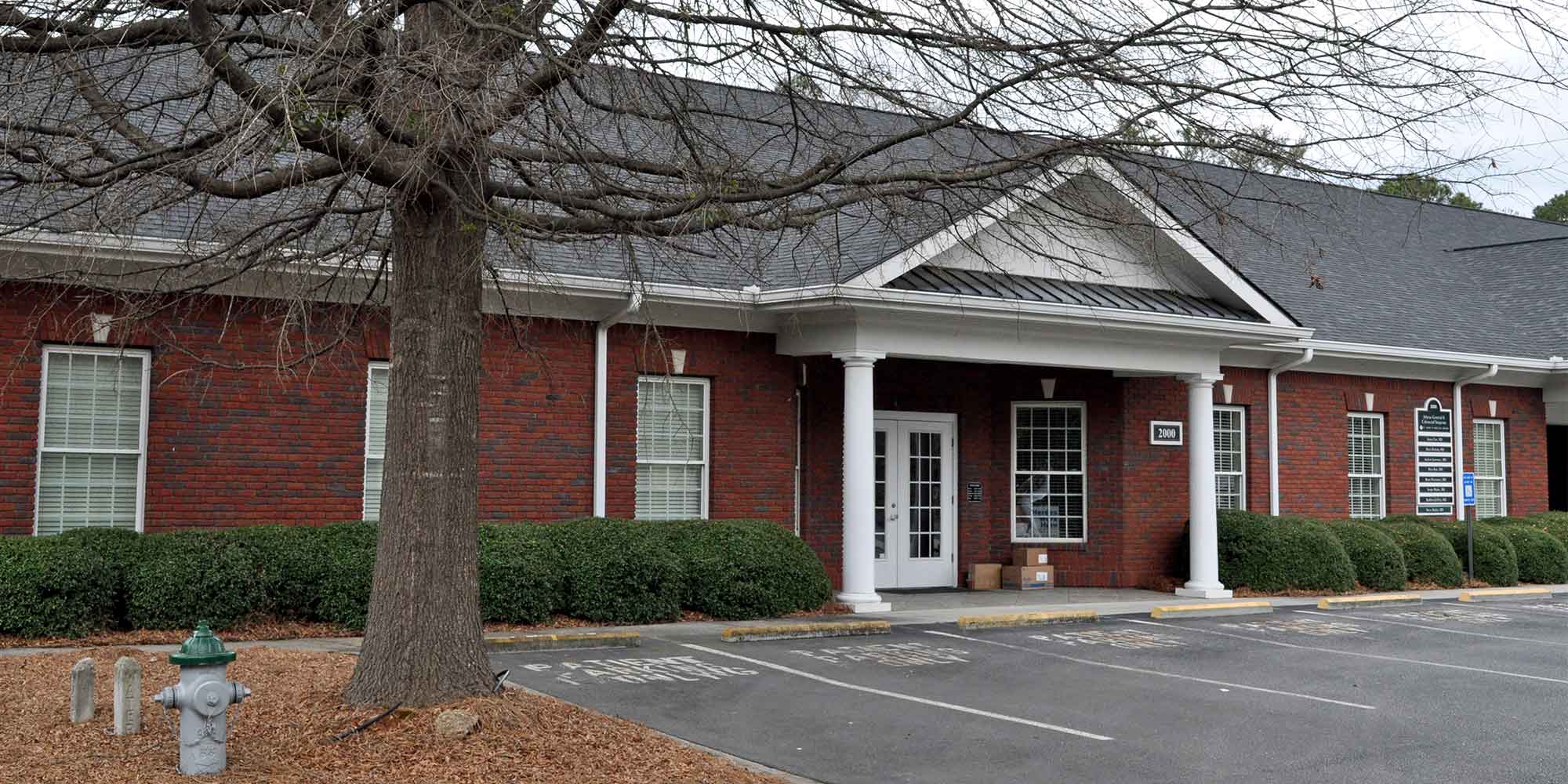
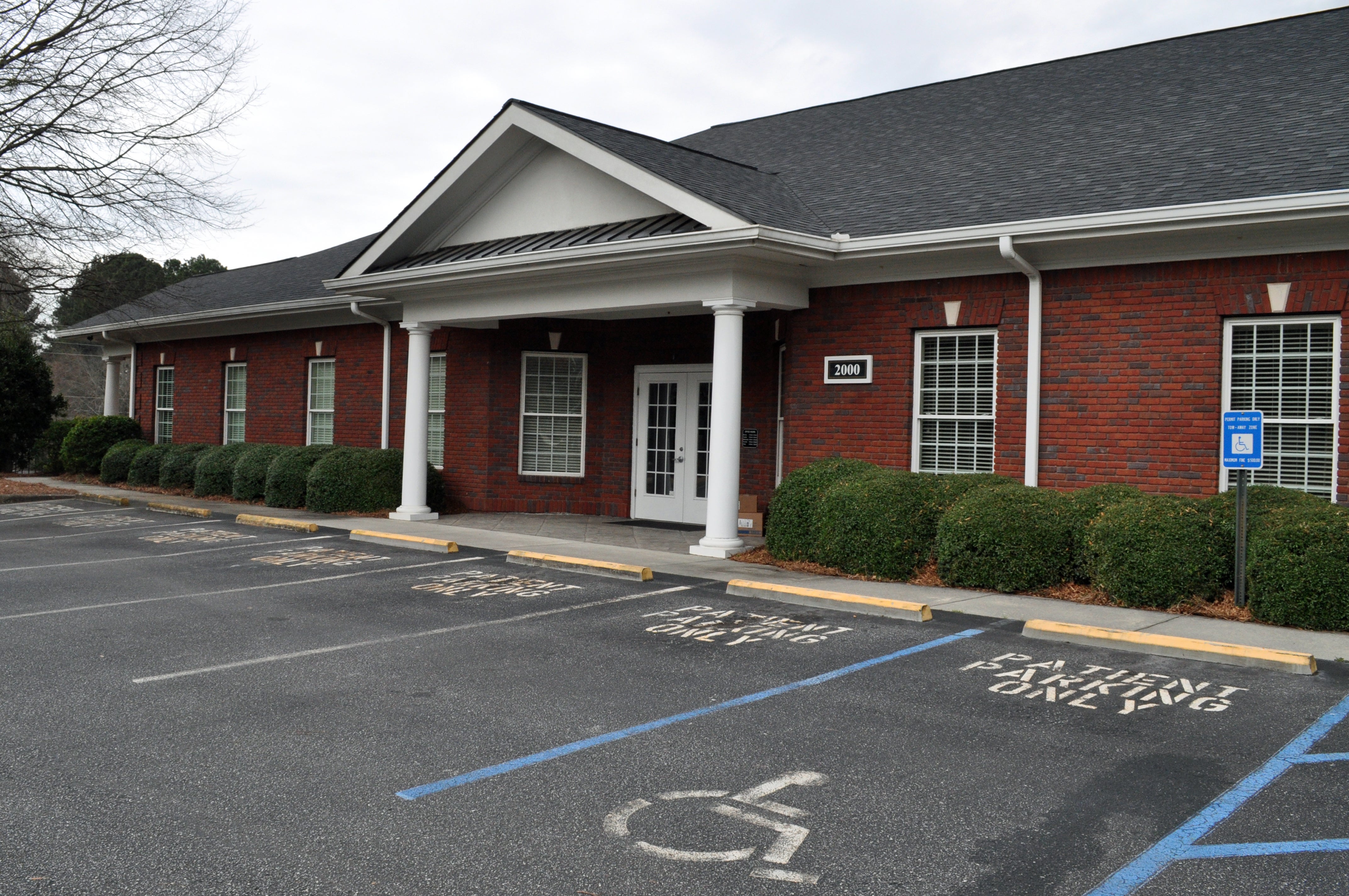
Athens General & Colorectal Surgeons PC
1500 Oglethorpe Ave Ste 2000
Athens, GA 30606
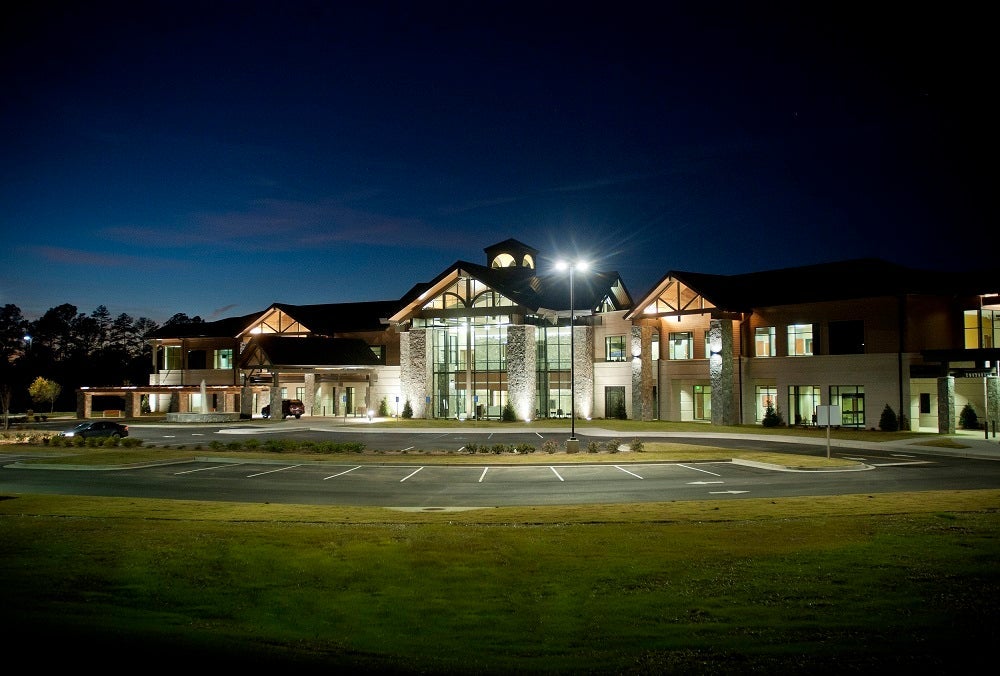
St. Mary's Good Samaritan Hospital
5401 Lake Oconee Parkway
Greensboro, GA 30642-4232
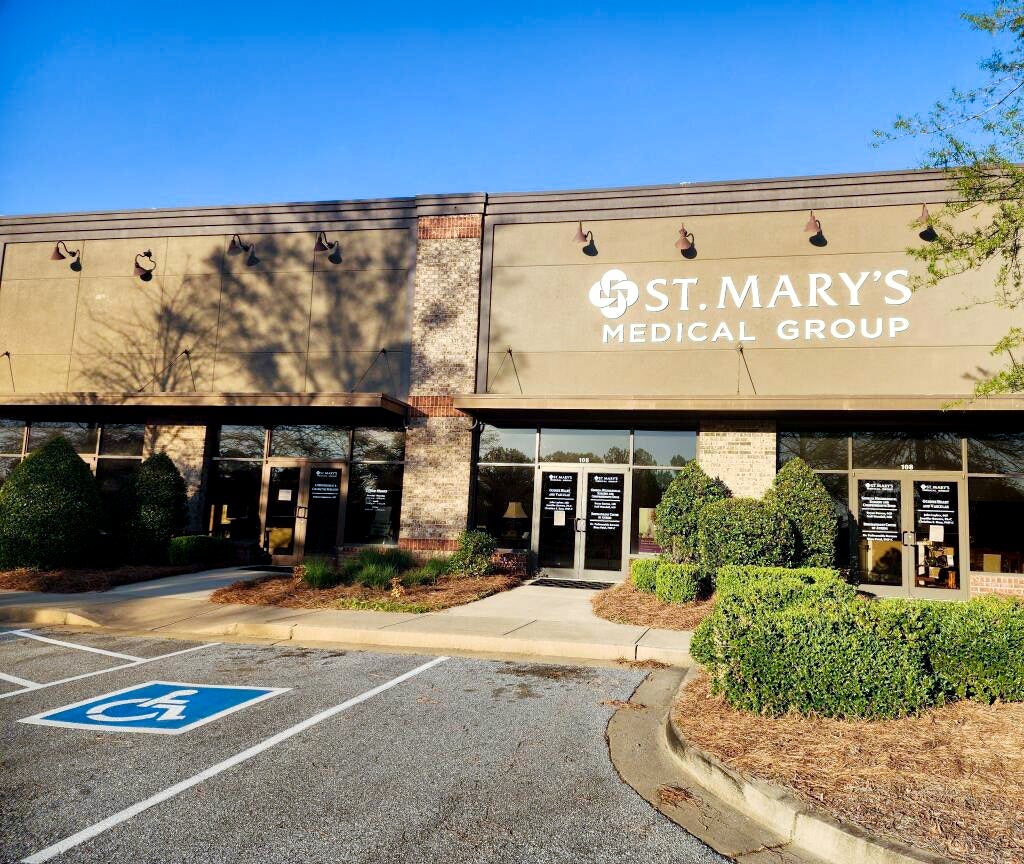
Athens General & Colorectal Surgeons Greensboro
1110 Commerce Drive Suite 108
Greensboro, GA 30642
Athens General & Colorectal Surgeons Lavonia
355 Clear Creek Pkwy Suite 1007
Lavonia, GA 30553
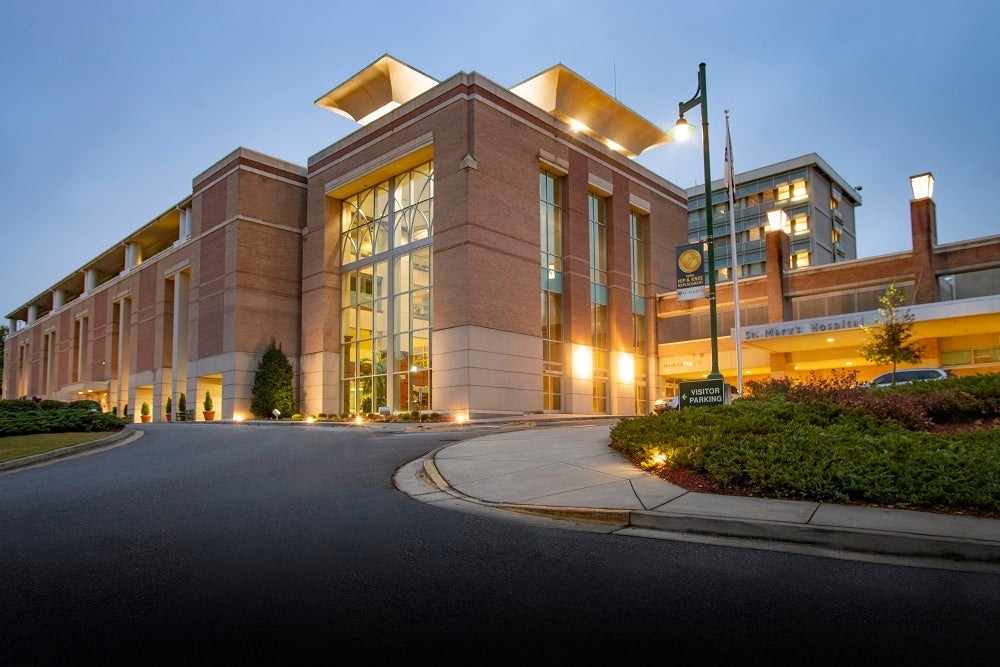
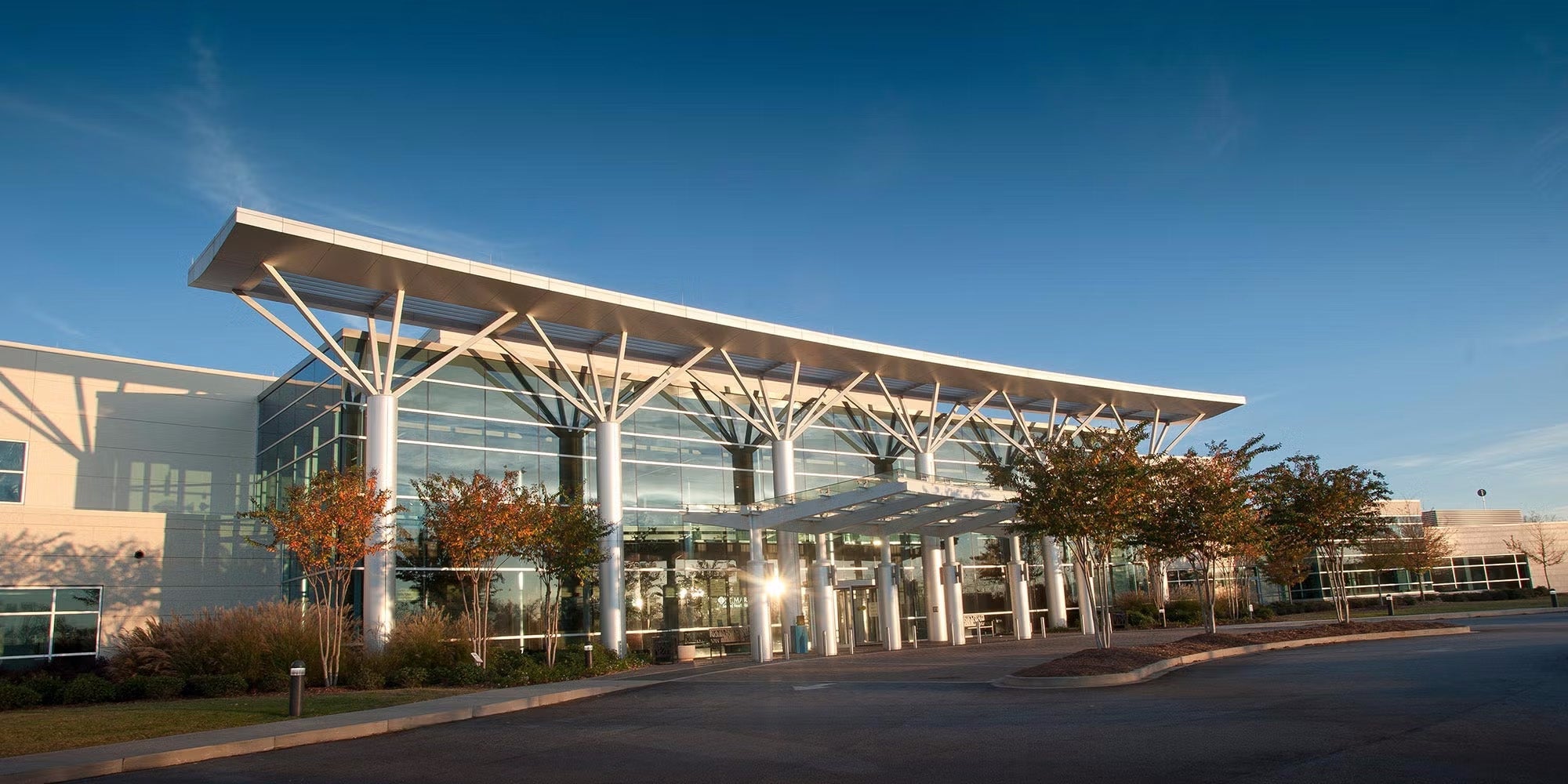
St. Mary's Sacred Heart Hospital
367 Clear Creek Pkwy
Lavonia, GA 30553