Ion Bronchoscopy in Athens, GA
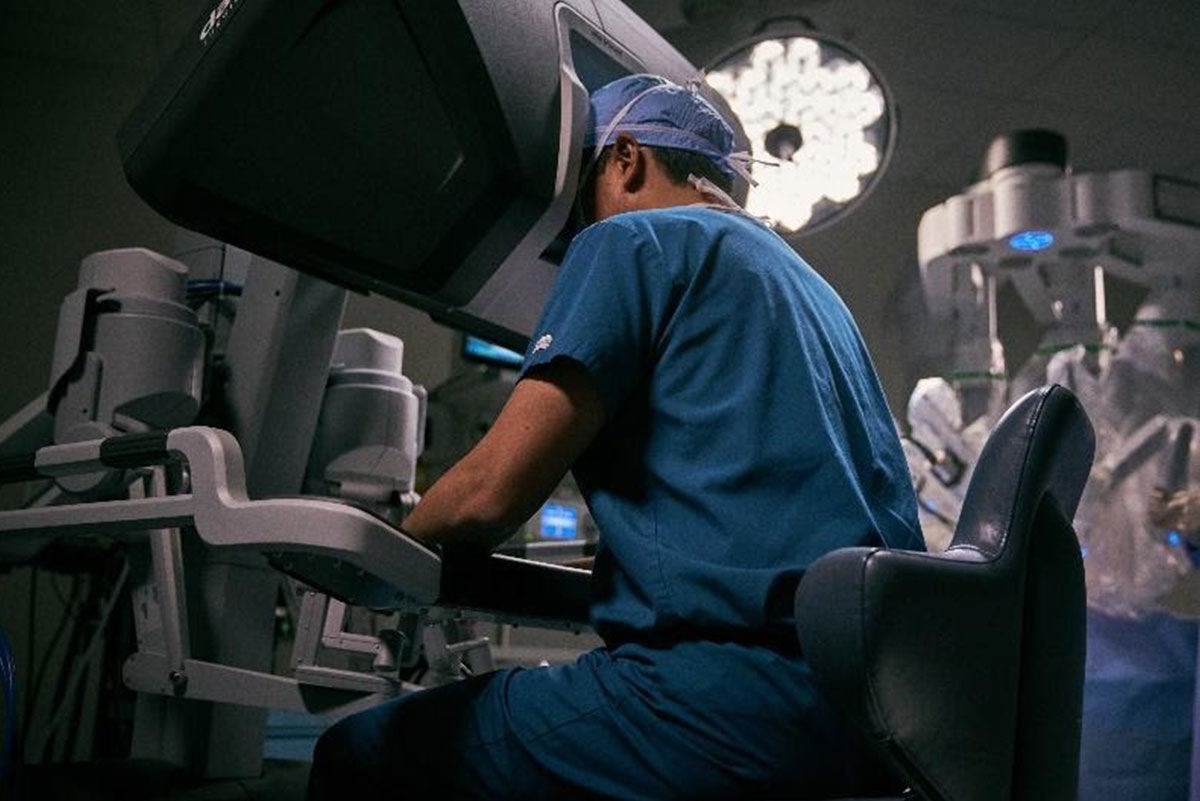
Lung nodules and respiratory symptoms can create uncertainty and anxiety, especially when additional testing is needed to rule out serious conditions such as lung cancer. At St. Mary’s Health Care System, patients across Athens, GA, and Northeast Georgia have access to advanced Ion robotic bronchoscopy technology designed to improve the accuracy and safety of lung evaluation.
Advanced robotic bronchoscopy technology for earlier lung evaluation and compassionate pulmonary care across Northeast Georgia
What Is Ion Bronchoscopy?
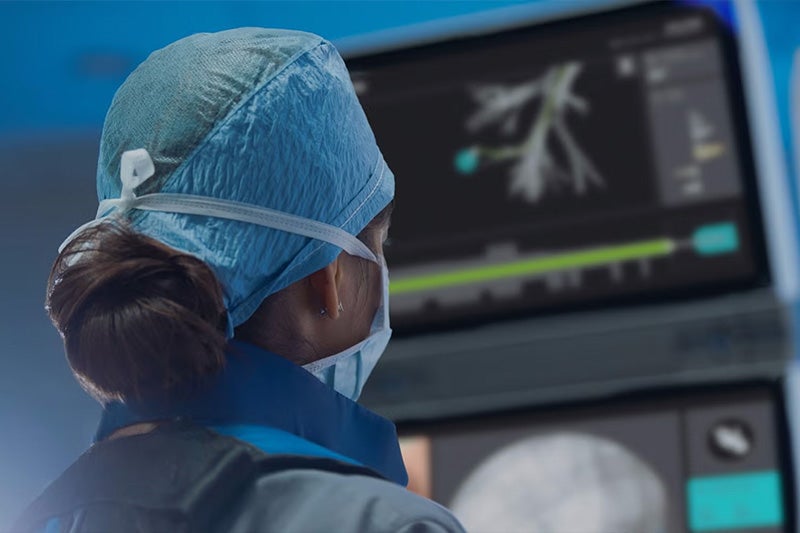
Ion bronchoscopy is an advanced robotic-assisted bronchoscopy procedure used to evaluate lung nodules and other abnormalities within the lungs. The Ion system uses robotic navigation, shape-sensing technology, and real-time imaging guidance to help physicians precisely reach areas of the lung that may be difficult to access using traditional bronchoscopy techniques.
During the procedure, a thin, flexible robotic catheter is guided through the airways to collect tissue samples from suspicious lung nodules or abnormalities for laboratory analysis.
This technology plays an important role in the early detection and diagnosis of lung cancer and other pulmonary conditions.
Learn More About: Surgical Services Robotic Surgery Laparoscopic Surgery
How Ion Bronchoscopy Helps Detect Lung Cancer
Early detection is one of the most important factors in improving lung cancer outcomes. Traditional biopsy methods may not always reach small or hard-to-access nodules deep within the lungs. Ion robotic bronchoscopy was designed to improve precision and access while minimizing discomfort and procedural risk.
The benefits of Ion bronchoscopy may include:
- Earlier and more accurate diagnosis
- Minimally invasive evaluation without large incisions
- Improved access to peripheral lung nodules
- Reduced risk of complications compared to some traditional biopsy methods
- Faster recovery and same-day discharge for many patients
- Enhanced treatment planning and staging for lung cancer care
At St. Mary’s, our pulmonary and diagnostic teams work together to help patients receive timely answers and coordinated care closer to home.
Conditions Evaluated with Ion Bronchoscopy
Lung Nodules
Lung nodules are small masses or spots within the lungs that may be discovered during imaging studies. While many nodules are benign, some may represent early-stage lung cancer or other serious conditions. Ion bronchoscopy helps physicians obtain precise tissue samples for evaluation.
Suspected Lung Cancer
Ion robotic bronchoscopy is commonly used to help diagnose lung cancer at earlier stages when treatment may be most effective. The technology helps physicians reach small nodules that may otherwise be difficult to biopsy safely.
Pulmonary Infections
Certain lung infections may require tissue or fluid sampling to identify the underlying cause and determine the most appropriate treatment approach.
Pulmonary Fibrosis and Interstitial Lung Disease
Ion bronchoscopy may help physicians evaluate inflammatory or fibrotic lung conditions by collecting tissue samples from affected areas of the lungs.
Abnormal Chest Imaging Findings
Abnormalities identified on chest X-rays or computed tomography (CT) scans may require additional evaluation to determine whether further treatment or monitoring is needed.
Ion Bronchoscopy Services and Technology
Robotic-Assisted Lung Biopsy
The Ion system uses an ultra-thin robotic catheter with advanced navigation capabilities to help physicians precisely reach targeted lung nodules for biopsy collection. This approach increases stability and accuracy while minimizing trauma to surrounding tissue.
Explore our Robotic Surgery Program
Advanced Shape-Sensing Navigation
The system uses shape-sensing technology and real-time guidance to map pathways through the lungs and navigate complex airway structures with enhanced precision.
Minimally Invasive Diagnostic Evaluation
Unlike traditional surgical biopsies, Ion bronchoscopy does not require large incisions. The procedure is performed through the airways, which may reduce discomfort, recovery time, and procedural risk.
Learn More about Minimally Invasive Surgery
Integrated Imaging and Diagnostic Planning
Ion bronchoscopy often works alongside advanced CT imaging and pulmonary evaluation to support accurate diagnosis and treatment planning.
What to Expect Before, During and After a Ion Bronchoscopy
Your care journey begins with a consultation and pulmonary evaluation where your physician reviews your symptoms, imaging studies, smoking history, and medical background to determine whether an ion bronchoscopy is appropriate for your needs.
Before the procedure, advanced CT imaging is typically used to map the lungs and guide procedural planning. During the bronchoscopy procedure:
- You will receive sedation to help you remain comfortable
- A thin robotic catheter is guided through the airways
- Real-time imaging and robotic navigation help target suspicious areas
- Small tissue samples are collected for laboratory analysis
- Most patients return home the same day
Patients generally experience minimal discomfort and recover quickly following the procedure. Your physician will review biopsy results and discuss any additional treatment recommendations during follow-up care.
Recovery and Ongoing Care after Ion Bronchoscopy
Most patients recover quickly after an ion bronchoscopy and can return to normal activities within a short period of time. Mild throat irritation or coughing may occur temporarily after the procedure.
Depending on biopsy results, ongoing care may include:
- Pulmonary follow-up appointments
- Lung cancer treatment planning
- Imaging surveillance and monitoring
- Coordination with oncology specialists
- Smoking cessation support
- Long-term respiratory care
At St. Mary’s, our care teams remain connected throughout diagnosis, treatment, and recovery to help patients feel supported every step of the way.
Learn More about Recovery & Rehabilitation Services at St. Mary's Health Care System
Advanced Pulmonology Treatment & Care at St. Mary’s Healthcare System
Patients receiving Ion bronchoscopy through St. Mary’s Health Care System benefit from advanced pulmonary expertise, innovative robotic technology, and compassionate patient-centered care. Our program focuses on helping patients receive earlier answers and more accurate diagnoses while minimizing discomfort and procedural risk.
At St. Mary’s, patients benefit from:
- Advanced robotic bronchoscopy technology
- Minimally invasive lung evaluation
- Coordinated pulmonary and diagnostic care
- Personalized treatment planning
- Compassionate patient education and support
- Access to advanced imaging services
We are proud to provide advanced lung evaluation and pulmonary care services for patients throughout Athens and Northeast Georgia.
A Connected Approach to Care
Ion bronchoscopy at St. Mary’s is part of a coordinated approach to lung health that connects pulmonary medicine, medical imaging, oncology, primary care, and surgical services.
This integrated care model allows patients to receive advanced diagnostics, faster answers, and personalized treatment recommendations while staying connected to supportive services throughout their care journey.
By combining advanced robotic technology with compassionate care, St. Mary’s helps patients throughout Northeast Georgia access leading-edge lung evaluation close to home.

Frequently Asked Questions about Ion Bronchoscopies
Ion bronchoscopy is a robotic-assisted bronchoscopy procedure used to evaluate lung nodules and obtain tissue samples from difficult-to-reach areas of the lungs.
CT stands for computed tomography. CT scans create detailed images of the lungs and are often used to help guide Ion bronchoscopy procedures.
MRI stands for magnetic resonance imaging. MRI uses magnetic fields and radio waves to create detailed images of organs and tissues within the body.
Yes. Ion bronchoscopy is commonly used to help diagnose lung cancer by collecting tissue samples from suspicious lung nodules or masses.
Yes. The procedure is performed through the airways using a thin robotic catheter and does not require large incisions.
Ion bronchoscopy uses robotic guidance and advanced navigation technology that allows physicians to reach smaller and more peripheral lung nodules with greater precision.
Patients typically receive sedation or anesthesia to remain comfortable during the procedure.
Most patients recover quickly and return home the same day. Mild throat discomfort or coughing may occur temporarily after the procedure.
Some lung nodules are located deep within the lungs or in hard-to-reach areas, making them more difficult to access using traditional biopsy methods.
Patients with suspicious lung nodules, abnormal chest imaging, unexplained respiratory symptoms, or concerns about possible lung cancer may benefit from evaluation with Ion bronchoscopy.
Your physician will review your symptoms, imaging results, medical history, and treatment goals to determine whether Ion bronchoscopy is the appropriate next step in your care.
Schedule Your Consultation for ION Bronchoscopy Services
Waiting for answers about your lung health can feel stressful, but you do not have to navigate the process alone. Our compassionate pulmonary and diagnostic teams are here to help you understand your options and move forward with confidence.
Connect with St. Mary’s Health Care System in Athens, GA to learn more about advanced Ion robotic bronchoscopy and minimally invasive lung evaluation today.
Related Locations


Georgia Neurological Surgery & Comprehensive Spine
2142 W Broad St Bldg 100 Ste 200
Athens, GA 30606

Athens General & Colorectal Surgeons PC
1500 Oglethorpe Ave Ste 2000
Athens, GA 30606

St. Mary's Breast Health Center
1500 Oglethorpe Ave Ste 2100
Athens, GA 30606
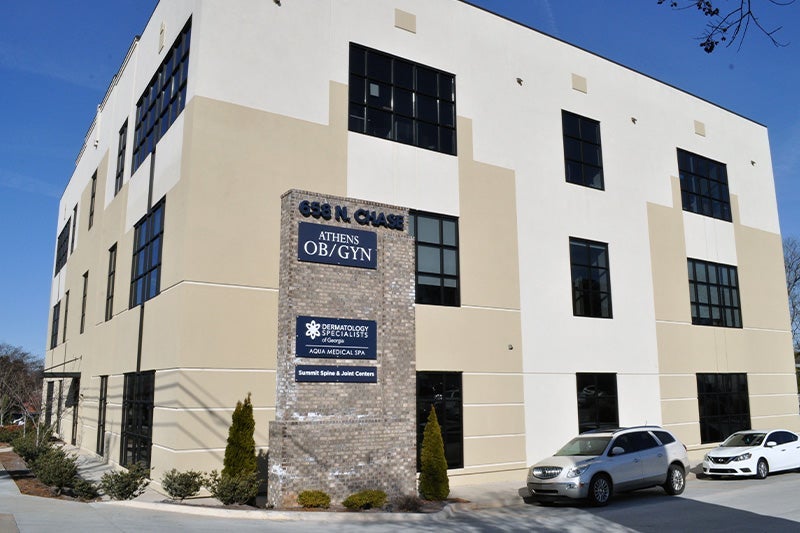
St. Mary's Gastroenterology Associates
658 N Chase St Ste 201
Athens, GA 30601

St. Mary's Sacred Heart Hospital
367 Clear Creek Pkwy
Lavonia, GA 30553