
Neurosurgery in Athens, GA
Conditions affecting the brain, spine, and nervous system can impact nearly every part of daily life, including movement, balance, memory, sensation, and overall comfort. At St. Mary’s Health Care System, our neurosurgery team provides advanced surgical care for patients facing complex neurological and spinal conditions throughout Athens, GA, and Northeast Georgia.
Advanced neurosurgical care with compassionate support for brain, spine, and nerve conditions across Northeast Georgia
What Is Neurosurgery?
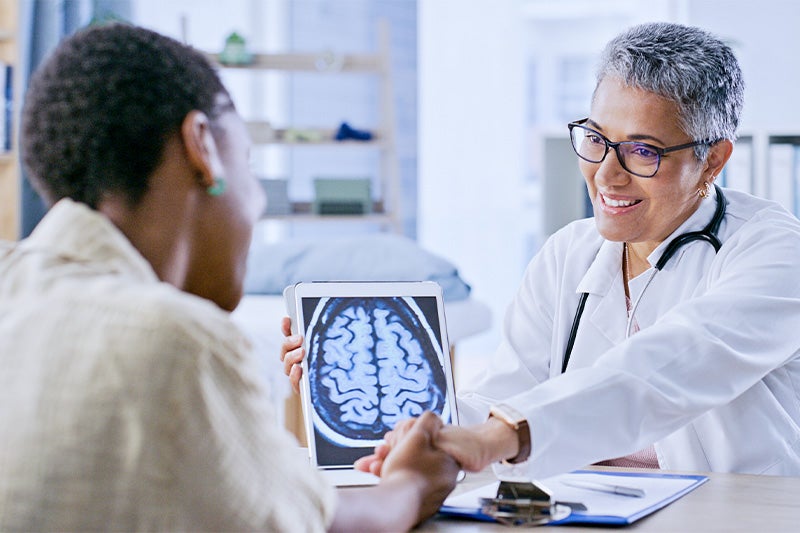
Neurosurgery is the medical specialty focused on diagnosing and surgically treating conditions affecting the brain, spine, spinal cord, and peripheral nerves. While many people associate neurosurgery only with brain surgery, the specialty also includes treatment for spinal disorders, nerve conditions, traumatic injuries, and chronic neurological pain.
Neurosurgical care may involve minimally invasive procedures, spine surgery, surgical treatment for brain conditions, or advanced technology-assisted procedures designed to improve precision and recovery.
At St. Mary’s, neurosurgery is part of a comprehensive neurosciences program focused on restoring function, reducing pain, improving mobility, and helping patients maintain the highest possible quality of life.
Compassionate, Whole Person Neurosurgical Care
Neurological and spinal conditions can affect mobility, independence, cognition, and overall well-being. In many cases, early evaluation and treatment may help prevent worsening symptoms, reduce nerve damage, and improve long-term outcomes.
For some patients, surgery may relieve chronic pain that has not responded to conservative treatment. For others, neurosurgery may help restore movement, stabilize the spine, remove pressure from nerves, or treat life-threatening neurological conditions.
Patients at St. Mary’s benefit from:
- Advanced diagnostic imaging and surgical technology
- Minimally invasive treatment approaches when appropriate
- Coordinated care across specialties
- Personalized treatment planning
- Rehabilitation and long-term recovery support
- Compassionate care focused on the whole patient
Our team works closely with neurologists, imaging specialists, rehabilitation professionals, pain management providers, and primary care physicians to ensure comprehensive, connected care.
Conditions Treated with Neurosurgery
Herniated Discs and Nerve Compression
Herniated or damaged spinal discs can place pressure on nearby nerves, causing pain, numbness, weakness, or tingling in the neck, back, arms, or legs. Surgery may be recommended when symptoms persist despite conservative treatment.
Spinal Stenosis
Spinal stenosis occurs when the spaces within the spine narrow and place pressure on the spinal cord or nerves. This condition may lead to chronic pain, difficulty walking, weakness, or balance issues.
Degenerative Spine Conditions
Age-related changes in the spine can lead to chronic discomfort, reduced mobility, or nerve compression. Neurosurgical procedures may help stabilize the spine and relieve pressure on affected nerves.
Brain Tumors and Neurological Conditions
Neurosurgeons may evaluate and treat certain brain tumors and neurological abnormalities that affect brain function, cognition, or neurological health.
Traumatic Brain and Spinal Injuries
Injuries involving the brain or spine may require emergency or complex surgical intervention to protect neurological function and support recovery.
Stroke-Related Neurological Emergencies
Some stroke emergencies require advanced neurosurgical intervention to restore blood flow, relieve pressure, or manage bleeding within the brain.
Neurosurgical Procedures and Services Offered
Minimally Invasive Spine Surgery
Whenever appropriate, our neurosurgical team uses minimally invasive techniques designed to reduce incision size, minimize tissue disruption, and support faster healing.
Benefits of minimally invasive procedures may include:
- Smaller incisions
- Reduced pain after surgery
- Shorter hospital stays
- Faster recovery
- Less disruption to the surrounding tissue
Spinal Decompression Surgery
Spinal decompression procedures relieve pressure on compressed nerves or the spinal cord. These surgeries may help reduce pain, weakness, numbness, or mobility issues caused by spinal stenosis or herniated discs.
Spinal Fusion Surgery
Spinal fusion stabilizes portions of the spine affected by injury, degeneration, or instability. This procedure may help improve spinal alignment and reduce chronic pain.
Brain and Neurological Procedures
Neurosurgical procedures involving the brain may be recommended for tumors, bleeding, pressure abnormalities, or other neurological conditions requiring surgical intervention.
Surgical Evaluation and Imaging
Advanced imaging plays a critical role in neurosurgical diagnosis and planning. Magnetic resonance imaging (MRI), computed tomography (CT), and other imaging studies help surgeons better understand the condition and determine the safest treatment approach.
What to Expect when Recommended for Neurosurgery
Your neurosurgical care journey begins with a comprehensive consultation and neurological evaluation. During your visit, your provider will discuss your symptoms, medical history, prior treatments, and imaging results to better understand your condition and goals.
Depending on your needs, the evaluation may include:
- Neurological examination
- MRI or CT imaging
- Spine imaging studies
- Nerve testing
- Discussion of surgical and non-surgical treatment options
Not every neurological or spine condition requires surgery. In some cases, conservative treatments such as physical therapy, medication management, or pain management may be recommended before surgery is considered.
If surgery is appropriate, your care team will guide you through preparation, the procedure itself, recovery expectations, and follow-up care so you feel informed and supported throughout the process.
Recovery and Ongoing Care
Recovery after neurosurgery varies depending on the procedure and the condition being treated. Some minimally invasive procedures may involve shorter recovery periods, while more complex surgeries may require additional rehabilitation and long-term follow-up care.
Recovery support may include:
- Physical therapy and rehabilitation
- Pain management support
- Mobility and strength recovery
- Follow-up imaging and monitoring
- Coordination with neurological specialists
- Long-term spine or neurological care planning
At St. Mary’s, recovery is treated as an important part of the healing process. Our teams remain connected to your care long after surgery to help support safe healing and improved quality of life.
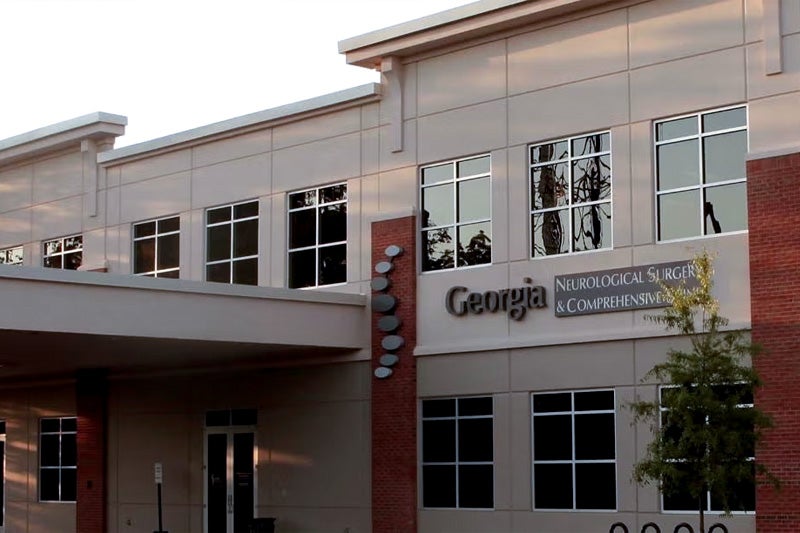
Care at Georgia Neurological Surgery & Comprehensive Spine
Patients throughout Athens and Northeast Georgia trust our neurosurgical specialists for advanced care delivered with compassion and respect. Our team is committed to combining evidence-based medicine with personalized treatment plans that reflect each patient’s individual goals and needs.
At St. Mary’s, patients benefit from:
- Advanced surgical expertise
- Coordinated neurological and spine care
- Access to advanced diagnostic imaging
- Personalized treatment planning
- Comprehensive recovery support
- A compassionate, patient-centered experience
We understand that neurological and spine conditions can affect every aspect of life. Our goal is to help patients feel heard, supported, and empowered throughout their care journey.
Visit Our Athens OfficeA Connected Approach to Care
Neurosurgery at St. Mary’s is part of a fully integrated neurosciences program designed to support patients throughout diagnosis, treatment, recovery, and long-term wellness.
Our teams collaborate closely across specialties, including neurology, stroke care, rehabilitation, medical imaging, pain management, and primary care. This coordinated approach helps create a seamless patient experience while ensuring each treatment plan reflects the patient’s complete health needs.
By combining advanced surgical expertise with compassionate, whole-person care, St. Mary’s helps patients across Northeast Georgia access the support they need closer to home.
Frequently Asked Questions about Neurosurgery
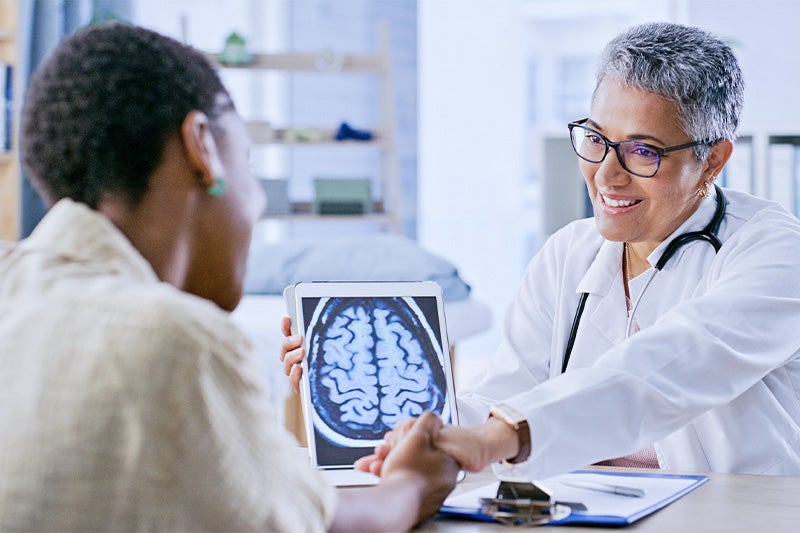
Neurosurgery is the specialty focused on the surgical treatment of the brain, spine, spinal cord, and peripheral nerves. It includes procedures for spine conditions, neurological disorders, brain injuries, and nerve compression.
Conditions that may require neurosurgical evaluation include herniated discs, spinal stenosis, chronic back or neck pain, nerve compression, brain tumors, traumatic injuries, and certain stroke-related emergencies.
MRI stands for magnetic resonance imaging. MRI scans use powerful magnets and radio waves to create detailed images of the brain, spine, nerves, and surrounding structures.
CT stands for computed tomography. CT scans create detailed cross-sectional images that help physicians diagnose neurological and spinal conditions.
No. Many neurosurgical procedures focus on the spine, spinal cord, and peripheral nerves rather than the brain itself.
Not always. Many spine and neurological conditions can initially be treated with physical therapy, medication management, injections, or other conservative treatments before surgery is considered.
Minimally invasive spine surgery uses smaller incisions and specialized instruments to reduce tissue disruption, support faster healing, and minimize recovery time when appropriate.
Recovery depends on the type of procedure and the patient’s overall condition. Some minimally invasive surgeries may involve shorter recovery periods, while more extensive procedures may require rehabilitation and ongoing follow-up care.
Many patients benefit from physical therapy or rehabilitation services after neurosurgery to improve strength, mobility, balance, and overall recovery.
You should consider evaluation if you have chronic back or neck pain, weakness, numbness, nerve pain, difficulty walking, worsening neurological symptoms, or have been referred by another provider.
Your first appointment typically includes a review of your symptoms, medical history, imaging studies, neurological evaluation, and discussion of treatment options. Your care team will answer questions and help guide your next steps.
Schedule Your Consultation
Neurological and spine conditions can affect every part of life, but you do not have to navigate them alone. Our compassionate neurosurgical team is here to help you understand your options and move forward with confidence.
Find expert neurosurgical care close to home in Athens, GA, and connect with St. Mary’s Health Care System today.
Related Locations
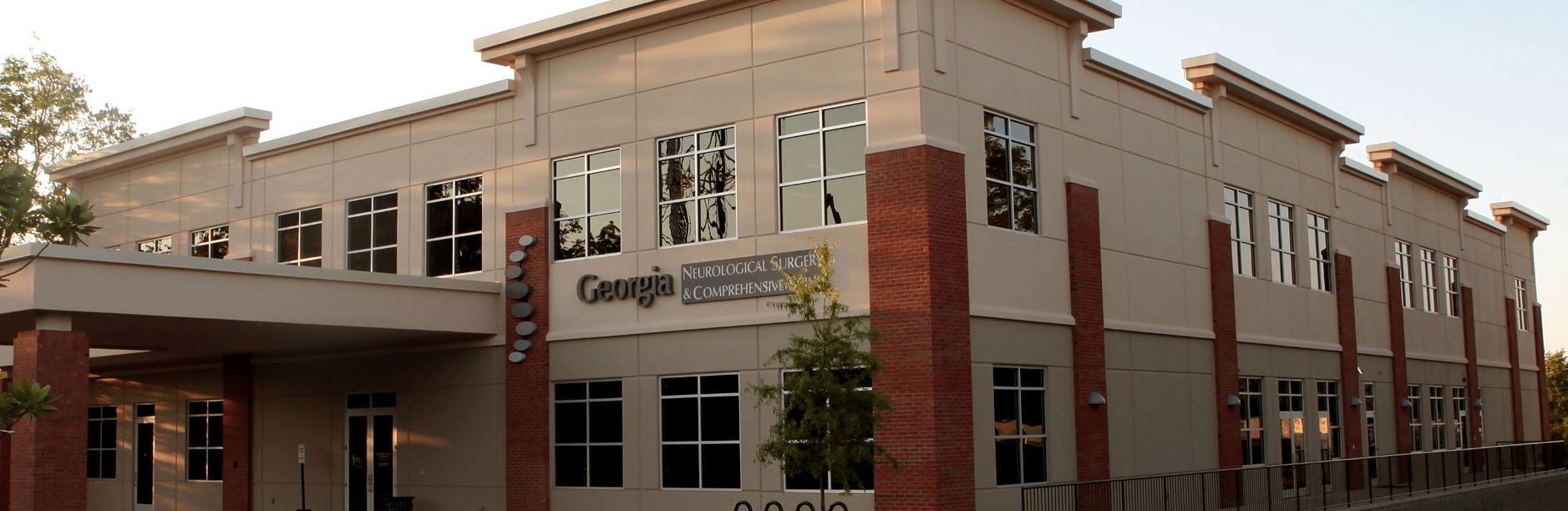
Georgia Neurological Surgery & Comprehensive Spine
2142 W Broad St Bldg 100 Ste 200
Athens, GA 30606