Thyroid Surgery in Athens, GA
Thyroid conditions can affect energy levels, metabolism, swallowing, breathing, and overall health. For some patients, surgery may become an important part of treatment for thyroid nodules, thyroid cancer, enlarged thyroid glands, or ongoing thyroid disease. At St. Mary’s Health Care System, our surgical team provides advanced thyroid surgery with compassionate, patient-centered care for individuals throughout Athens, Greensboro, Lavonia, and Northeast Georgia.
Advanced thyroid surgery and compassionate endocrine care for patients across Northeast Georgia
Athens Location Lavonia Location Greensboro Location
What Is Thyroid Surgery?
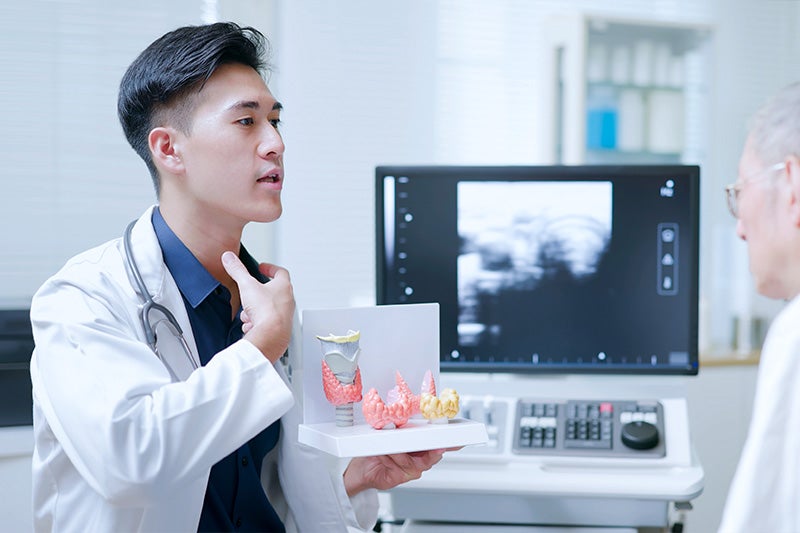
Thyroid surgery, also called thyroidectomy, is a procedure performed to remove part or all of the thyroid gland. The thyroid is a small butterfly-shaped gland located in the front of the neck that helps regulate metabolism, hormone balance, energy levels, heart rate, and body temperature.
Surgery may be recommended to treat:
- Thyroid nodules
- Thyroid cancer
- Enlarged thyroid glands (goiter)
- Hyperthyroidism
- Suspicious biopsy results
- Compression symptoms affecting swallowing or breathing
Depending on the condition, surgery may involve removing one portion of the thyroid gland or the entire gland itself.
At St. Mary’s, our surgical team carefully tailors each treatment plan to the patient’s diagnosis, symptoms, and long-term health needs.
Learn More About: Surgical Services Medical Imaging
How does Thyroid Surgery Support Long-Term Health?
Many thyroid conditions can be managed without surgery, but some situations require surgical treatment to prevent complications, confirm a diagnosis, or improve quality of life.
Thyroid surgery may help:
- Remove suspicious or cancerous thyroid nodules
- Relieve pressure affecting swallowing or breathing
- Improve symptoms caused by hormone imbalance
- Prevent thyroid disease progression
- Support long-term endocrine health
- Provide peace of mind after abnormal imaging or biopsy findings
At St. Mary’s, our team focuses on compassionate communication and individualized treatment planning to help patients understand their diagnosis and feel supported throughout treatment and recovery.
Learn More About: Medical Imaging Rehabilitation Services
Thyroid Conditions Evaluated and Treated at St. Mary's Health Care System
Thyroid Nodules
Thyroid nodules are growths or lumps within the thyroid gland. While many nodules are benign, some require additional evaluation or surgical removal if they continue growing or appear suspicious on imaging or biopsy.
Thyroid Cancer
Surgery is one of the most common treatments for thyroid cancer. Early diagnosis and treatment may help improve outcomes and reduce the spread of disease.
Goiter
A goiter is an enlarged thyroid gland that may create visible swelling in the neck or symptoms affecting swallowing, breathing, or comfort.
Hyperthyroidism
Hyperthyroidism occurs when the thyroid produces excessive hormone levels. In some cases, surgery may be recommended if medications or other treatments are not effective.
Suspicious Thyroid Biopsy Results
Abnormal or unclear biopsy findings may require surgery to remove and evaluate thyroid tissue more thoroughly.
Thyroid Surgery Procedures and Treatment Options
Partial Thyroidectomy
A partial thyroidectomy removes only the affected portion of the thyroid gland. This approach may be appropriate for certain nodules, localized disease, or smaller thyroid abnormalities.
Total Thyroidectomy
A total thyroidectomy removes the entire thyroid gland and may be recommended for thyroid cancer, larger goiters, or more widespread thyroid disease.
Minimally Invasive Thyroid Surgery
Whenever appropriate, minimally invasive surgical techniques may help reduce tissue disruption, improve cosmetic outcomes, and support a smoother recovery process.
Benefits may include:
- Smaller incisions
- Reduced discomfort
- Faster recovery times
- Less visible scarring
- Shorter hospital stays
Explore Advanced Laparoscopic Surgery
Thyroid Nodule Evaluation and Biopsy Coordination
Thyroid surgery often follows imaging studies or fine needle aspiration biopsies used to evaluate suspicious nodules or abnormal thyroid tissue.
What to Expect Before, During and After Thyroid Surgery
Your care begins with a consultation focused on understanding your symptoms, imaging findings, biopsy results, hormone levels, and overall health.
Evaluation may include:
- Physical examination
- Thyroid ultrasound imaging
- Fine needle aspiration biopsy review
- Laboratory testing
- Discussion of surgical and non-surgical treatment options
If surgery is recommended, your care team will explain:
- The planned surgical procedure
- Expected recovery timeline
- Potential hormone management needs
- Follow-up care recommendations
- Activity and healing expectations
Most thyroid surgeries are performed under general anesthesia, and many patients return home within a short period following surgery, depending on the complexity of the procedure.
Recovery and Ongoing Care after Thyroid Surgery
Recovery after thyroid surgery varies depending on the procedure performed and the patient’s overall health. Many patients gradually resume normal daily activities within a few weeks while following post-operative guidance during healing.
Recovery support may include:
- Follow-up appointments to monitor healing
- Thyroid hormone management when needed
- Activity and lifting guidance
- Monitoring calcium and hormone levels
- Long-term endocrine follow-up care
- Ongoing cancer surveillance, if applicable
At St. Mary’s, our care teams remain connected throughout recovery to help patients heal safely while supporting long-term thyroid health and wellness.
Thyroid Treatment and Care at St. Mary’s Healthcare System
Patients across Northeast Georgia trust St. Mary’s for advanced thyroid surgery delivered with compassion, precision, and personalized support.
Our surgical services are available through multiple convenient locations, helping patients access coordinated endocrine and surgical care closer to home.
Associated surgical locations include:
- Athens General & Colorectal Surgeons, Athens
- Athens General & Colorectal Surgeons, Greensboro
- Athens General & Colorectal Surgeons, Lavonia
At St. Mary’s, patients benefit from:
- Advanced surgical expertise
- Personalized thyroid treatment planning
- Coordinated endocrine and imaging support
- Compassionate patient education and communication
- Minimally invasive surgical approaches when appropriate
- Connected long-term follow-up care
Our goal is to help patients feel informed, reassured, and supported throughout every stage of diagnosis, treatment, and recovery.
A Connected Approach to Thyroid Surgery & Care
Thyroid surgery at St. Mary’s is part of a coordinated care network that brings together surgeons, imaging specialists, endocrine care providers, rehabilitation professionals, primary care physicians, and oncology teams when needed.
This integrated approach helps patients receive seamless support from diagnosis through surgery, recovery, and long-term thyroid management.
By combining advanced surgical care with compassionate support services, St. Mary’s helps patients throughout Northeast Georgia access personalized thyroid treatment close to home.

Frequently Asked Questions about Thyroid Surgery
The thyroid is a small gland located in the front of the neck that produces hormones helping regulate metabolism, energy levels, heart rate, and body temperature.
Symptoms may include fatigue, weight changes, neck swelling, swallowing difficulty, hormone imbalance, changes in heart rate, or visible thyroid nodules.
CT stands for computed tomography. CT imaging may sometimes be used to evaluate thyroid enlargement or surrounding structures.
MRI stands for magnetic resonance imaging. MRI uses magnetic fields and radio waves to create detailed images of tissues and organs within the body.
A thyroidectomy is a surgical procedure performed to remove part or all of the thyroid gland.
No. Many thyroid nodules are benign and only require monitoring. Surgery may be recommended if nodules are suspicious, growing, symptomatic, or cancerous.
Yes. Surgery is one of the most common and effective treatments for many forms of thyroid cancer.
Some patients require thyroid hormone replacement after surgery, especially if the entire thyroid gland is removed.
Recovery varies depending on the procedure and overall health of the patient. Many patients gradually return to normal activities within a few weeks.
Most thyroid surgeries involve a small incision in the lower neck. Surgical techniques aim to minimize visible scarring whenever possible.
Your provider will review your symptoms, imaging results, laboratory testing, and biopsy findings while discussing whether thyroid surgery may be appropriate for your condition.
Schedule Your Thyroid Surgery Consultation
Thyroid conditions can affect many aspects of daily health and well-being, but you do not have to navigate treatment alone. Our compassionate surgical team is here to help you understand your diagnosis and move forward with confidence.
Connect with St. Mary’s Health Care System in Athens, Greensboro, Lavonia, and Northeast Georgia to learn more about advanced thyroid surgery and endocrine care today.
Related Locations

Athens General & Colorectal Surgeons PC
1500 Oglethorpe Ave Ste 2000
Athens, GA 30606

St. Mary's Good Samaritan Hospital
5401 Lake Oconee Parkway
Greensboro, GA 30642-4232

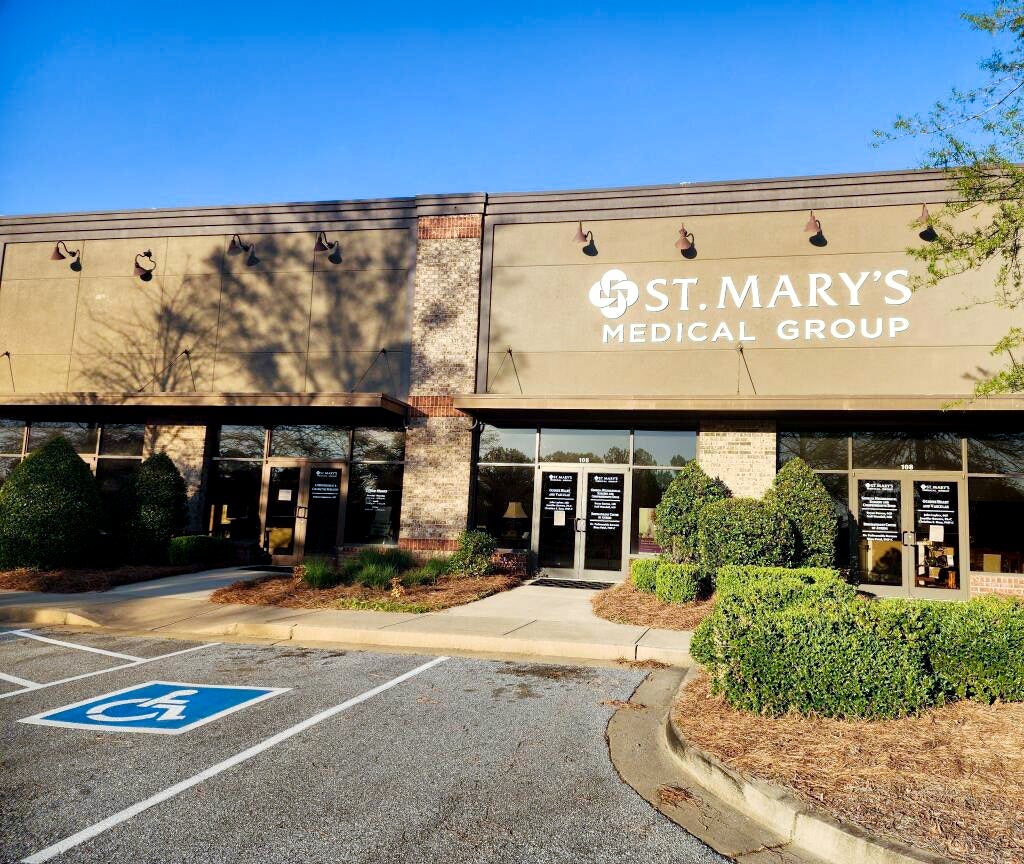
Athens General & Colorectal Surgeons Greensboro
1110 Commerce Drive Suite 108
Greensboro, GA 30642

Georgia Neurological Surgery & Comprehensive Spine
2142 W Broad St Bldg 100 Ste 200
Athens, GA 30606
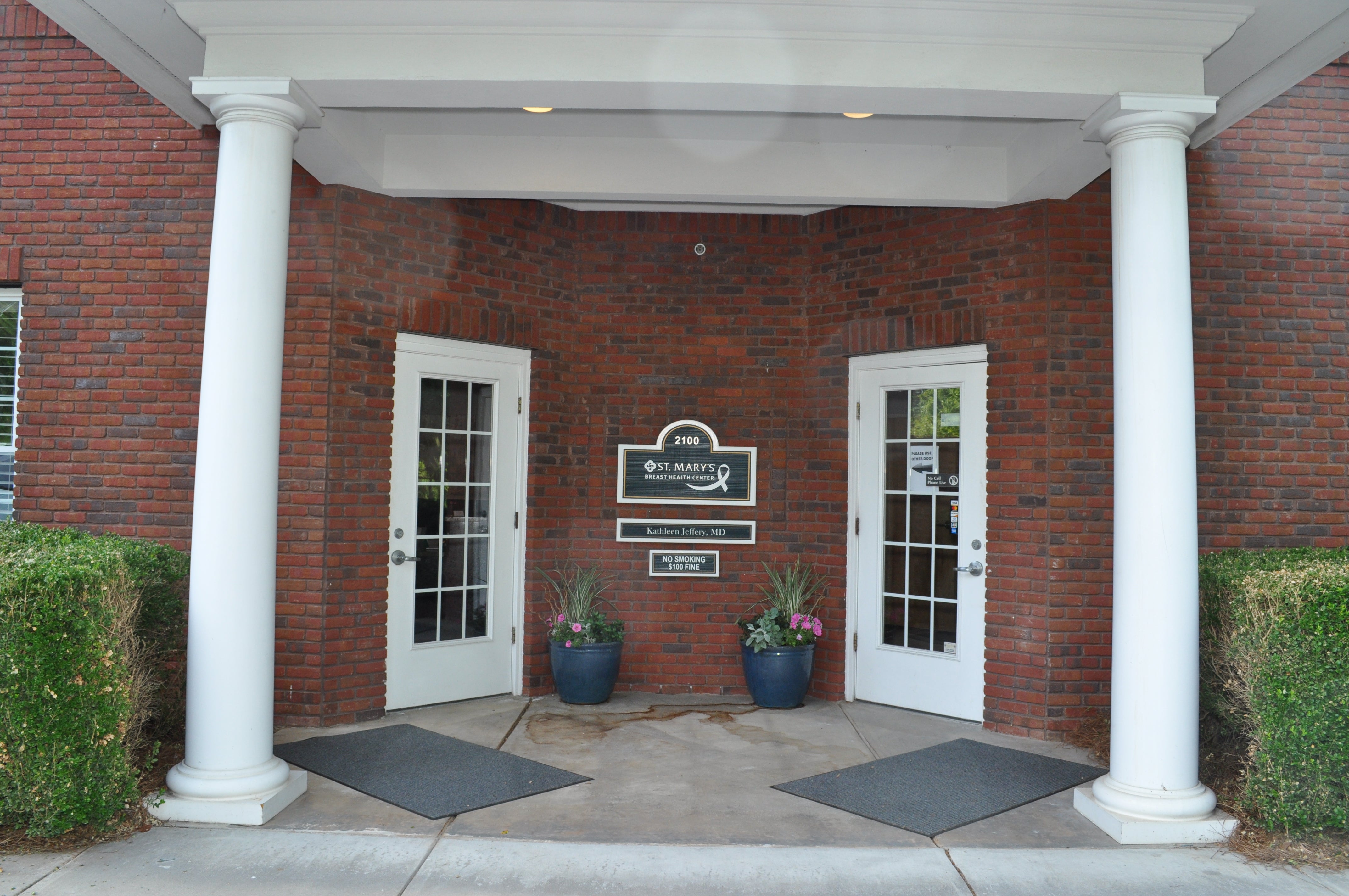
St. Mary's Breast Health Center
1500 Oglethorpe Ave Ste 2100
Athens, GA 30606