
Appendectomy Surgery in Athens, GA
Appendicitis can develop suddenly and often causes severe abdominal pain that requires prompt medical attention. When the appendix becomes inflamed or infected, surgery is typically needed to prevent serious complications and protect overall health. At St. Mary’s Health Care System, our surgical teams provide advanced appendectomy care for patients throughout Athens, Greensboro, Lavonia, and Northeast Georgia.
Advanced appendix surgery and compassionate emergency surgical care across Northeast Georgia
Athens Office Lavonia Office Greensboro Office

What Is an Appendectomy?
An appendectomy is a surgical procedure performed to remove the appendix, a small pouch attached to the large intestine.
Appendectomy is most commonly performed to treat appendicitis, a condition that occurs when the appendix becomes inflamed or infected. Without treatment, the appendix can rupture, leading to serious infection within the abdomen.
Symptoms of appendicitis may include:
- Sudden abdominal pain, often on the lower right side
- Nausea or vomiting
- Fever
- Loss of appetite
- Abdominal swelling
- Pain that worsens with movement
Because appendicitis can progress quickly, prompt evaluation and treatment are important.
Learn More About: Gastrointestinal Surgery Surgical Services Medical Imaging
Why Prompt Appendicitis Treatment Matters
Appendicitis is considered a medical emergency because delaying treatment may increase the risk of rupture, infection, or complications involving the abdominal cavity.
Early diagnosis and surgery may help:
- Prevent appendix rupture
- Reduce the risk of severe infection
- Relieve abdominal pain and discomfort
- Shorten recovery time
- Support faster return to normal activities
- Protect long-term digestive health
At St. Mary’s, our emergency and surgical teams work together to provide timely evaluation, imaging, diagnosis, and treatment when appendicitis is suspected.
Conditions Evaluated and Treated
Acute Appendicitis
Acute appendicitis occurs when the appendix becomes inflamed and infected. This condition typically requires urgent surgical removal.
Ruptured Appendix
If appendicitis progresses without treatment, the appendix may rupture, spreading infection into the abdomen and increasing the need for emergency surgical care.
Abdominal Infection and Abscess
Advanced appendicitis may lead to infection or abscess formation within the abdomen, requiring additional treatment and monitoring.
Chronic or Recurrent Appendix Inflammation
Although less common, some patients experience ongoing or recurring appendix-related symptoms that may require surgical evaluation.
Learn More About: Gastrointestinal Surgery
Appendectomy Procedures and Surgical Options
Laparoscopic Appendectomy
Most appendectomies are performed using minimally invasive laparoscopic surgery involving small incisions and specialized surgical instruments.
Benefits of laparoscopic appendectomy may include:
- Smaller incisions
- Faster recovery times
- Reduced discomfort after surgery
- Shorter hospital stays
- Reduced scarring
Learn More about: Laparoscopic Surgery
Emergency Appendectomy
Emergency surgery may be required when appendicitis is severe, rapidly progressing, or associated with rupture or infection.
Our surgical teams are experienced in providing urgent surgical treatment while focusing on patient safety and recovery support.
Learn More about: Emergency Care Services
Open Appendectomy
In some complex or advanced cases, an open surgical approach may be necessary to safely remove the appendix and treat infection.
What to Expect when Scheduled for an Appendectomy
Your care journey begins with a prompt medical evaluation focused on identifying the cause of abdominal pain and determining whether appendicitis is present.
Evaluation may include:
- Physical examination
- Laboratory testing
- Computed tomography (CT) imaging
- Ultrasound imaging, when appropriate
- Review of symptoms and medical history
If appendicitis is diagnosed, your care team will explain:
- The recommended surgical approach
- What to expect before and after surgery
- Recovery and activity restrictions
- Follow-up care recommendations
Most appendectomies are performed under general anesthesia. Depending on the severity of the condition and the surgical approach used, many patients return home within a short period following surgery.
Recovery and Ongoing Care after an Appendectomy
Recovery after appendectomy depends on the severity of appendicitis, whether rupture occurred, and the type of surgery performed.
Recovery support may include:
- Pain management guidance
- Activity and lifting recommendations
- Incision care instructions
- Monitoring for infection or complications
- Follow-up appointments to monitor healing
- Nutritional and hydration guidance
Patients who undergo minimally invasive appendectomy often return to normal activities relatively quickly, though healing timelines vary for every patient.
At St. Mary’s, our care teams remain connected throughout recovery to help support safe healing and long-term wellness.
Learn More About: Rehabilitation Services at St. Mary's Healthcare System Primary Care's Role in Surgical Recovery
Compassionate Gastrointestinal Care at St. Mary’s Healthcare System
Patients throughout Northeast Georgia trust St. Mary’s for advanced emergency and gastrointestinal surgical care delivered with compassion, expertise, and personalized support.
Appendectomy procedures are performed across multiple St. Mary’s hospital locations, helping patients access timely surgical care close to home.
Our hospital locations include:
At St. Mary’s, patients benefit from:
- Laparoscopic Surgery
- Experienced emergency and surgical care teams
- Coordinated diagnostic imaging and treatment
- Compassionate patient communication and support
- Personalized recovery planning
- Connected system-wide care services
Our goal is to help patients receive timely surgical treatment while feeling informed, reassured, and supported throughout the recovery process.
A Connected Approach to Care
Appendectomy care at St. Mary’s is part of a coordinated emergency and surgical care network that brings together emergency medicine physicians, surgeons, imaging specialists, rehabilitation professionals, hospital care teams, and primary care providers.
This connected approach allows patients to receive seamless care from diagnosis through surgery, hospitalization, recovery, and follow-up care.
By combining advanced minimally invasive surgery with compassionate support, St. Mary’s helps patients throughout Northeast Georgia access high-quality emergency surgical care close to home.

Frequently Asked Questions about Appendectomies
Appendicitis occurs when the appendix becomes inflamed or infected, often causing sudden abdominal pain and requiring surgical treatment.
Symptoms may include lower right abdominal pain, fever, nausea, vomiting, loss of appetite, or worsening abdominal tenderness.
CT stands for computed tomography. CT scans create detailed images that help physicians diagnose appendicitis and evaluate abdominal pain.
Yes. Appendicitis can become serious quickly and may lead to rupture or severe infection if not treated promptly.
An appendectomy is the surgical removal of the appendix, most commonly performed to treat appendicitis.
Yes. Many appendectomies are performed using minimally invasive laparoscopic techniques involving smaller incisions and faster recovery.
Recovery varies depending on the severity of appendicitis and the type of surgery performed. Many patients recover within a few weeks.
Some patients return home the same day, while others may require a short hospital stay, especially if the appendix ruptured or infection developed.
Yes. The body can function normally without the appendix.
A ruptured appendix can spread infection throughout the abdomen and may require more extensive treatment, hospitalization, and recovery care.
Your care team will review your symptoms, perform imaging and testing, and determine whether appendicitis or another condition may be causing your abdominal pain.
If you are experiencing Appendicitis symptoms, DO NOT delay treatment!
Severe abdominal pain should never be ignored. If you or a loved one is experiencing symptoms of appendicitis, prompt medical evaluation can help prevent serious complications and support faster treatment.
Connect with St. Mary’s Health Care System in Athens, Greensboro, Lavonia, and Northeast Georgia to learn more about advanced appendectomy and emergency gastrointestinal surgical care today.
Related Locations

Athens General & Colorectal Surgeons PC
1500 Oglethorpe Ave Ste 2000
Athens, GA 30606
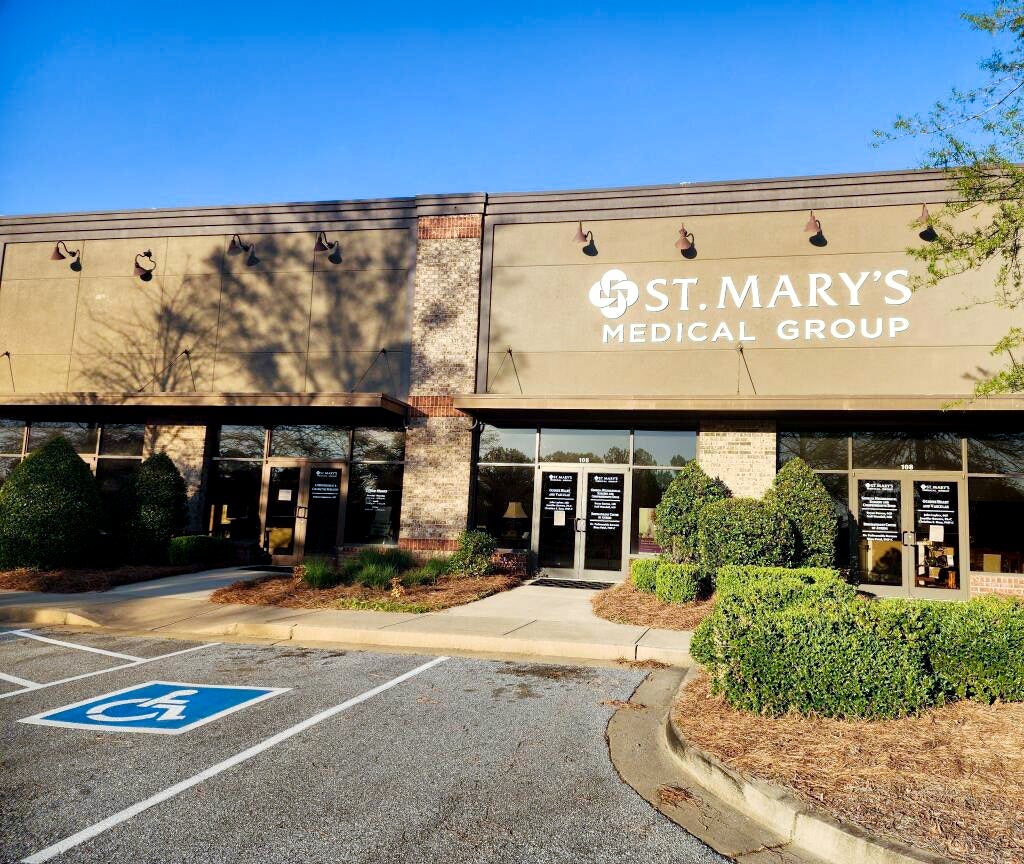
Athens General & Colorectal Surgeons Greensboro
1110 Commerce Drive Suite 108
Greensboro, GA 30642

Georgia Neurological Surgery & Comprehensive Spine
2142 W Broad St Bldg 100 Ste 200
Athens, GA 30606

St. Mary's Breast Health Center
1500 Oglethorpe Ave Ste 2100
Athens, GA 30606
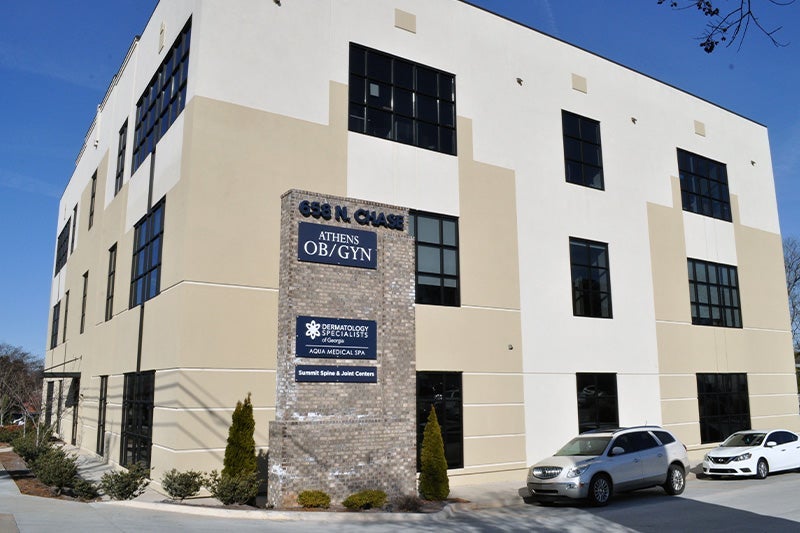
St. Mary's Gastroenterology Associates
658 N Chase St Ste 201
Athens, GA 30601

St. Mary's Sacred Heart Hospital
367 Clear Creek Pkwy
Lavonia, GA 30553