Gastrointestinal Surgery in Athens, GA
Digestive health conditions can affect nearly every aspect of daily life, from nutrition and energy levels to comfort and overall well-being. When gastrointestinal disorders require surgical treatment, patients deserve care that combines advanced medical expertise with compassionate support. At St. Mary’s Health Care System, our surgical teams provide comprehensive gastrointestinal surgery services for patients throughout Athens, Greensboro, Lavonia, and Northeast Georgia.
Advanced digestive and gastrointestinal surgical care for patients across Northeast Georgia
Athens Office Lavonia Office Greensboro Office
What Is Gastrointestinal Surgery?
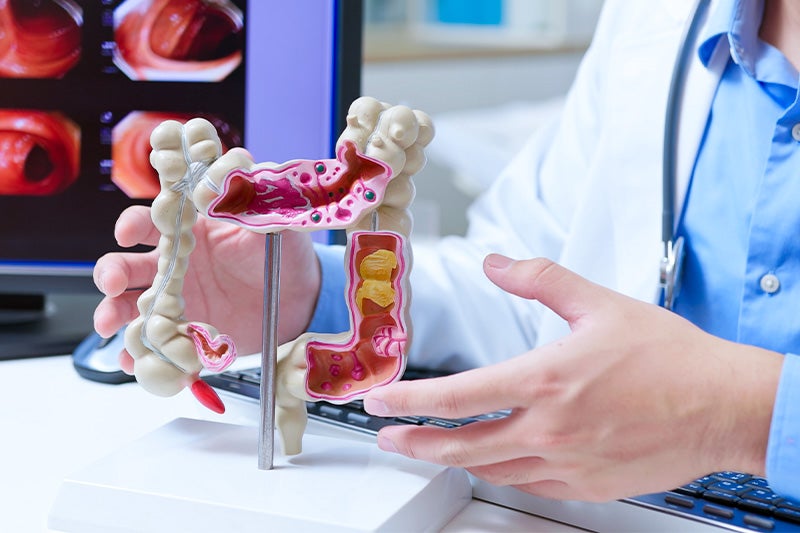
Gastrointestinal surgery focuses on the diagnosis and surgical treatment of conditions affecting the digestive system. This may include the stomach, small intestine, colon, rectum, gallbladder, esophagus, appendix, and other digestive organs.
Gastrointestinal surgery may be recommended to treat:
- Digestive disorders
- Gastrointestinal bleeding
- Colon and intestinal disease
- Gallbladder conditions
- Hernias affecting the digestive tract
- Chronic abdominal pain
- Bowel obstruction
- Gastrointestinal cancers
- Inflammatory digestive conditions
Depending on the condition being treated, procedures may be performed using minimally invasive laparoscopic or robotic-assisted surgical techniques.
Learn More About: Surgical Services Advanced Laparoscopic Surgery Robotic Surgery
How does Gastrointestinal Surgery Support Long-Term Health?
Some digestive conditions can improve with medication or lifestyle changes, while others may eventually require surgery to relieve symptoms, prevent complications, or improve overall digestive function.
Surgical treatment may help:
- Relieve chronic abdominal pain or digestive symptoms
- Improve bowel function and nutrition
- Remove diseased or damaged tissue
- Treat gastrointestinal bleeding or infection
- Prevent worsening complications
- Improve long-term quality of life
At St. Mary’s, our care teams focus on personalized treatment planning designed around the patient’s diagnosis, symptoms, health goals, and recovery needs.
Learn More about how Primary Care supports Gastrointestinal Health
Conditions Evaluated and Treated with Gastrointestinal Surgery
Gallbladder Disease
Gallstones and gallbladder inflammation may cause abdominal pain, nausea, bloating, or digestive discomfort that requires surgical removal of the gallbladder.
Learn More about Gallbladder Surgery
Diverticulitis
Recurrent or complicated diverticulitis may require colorectal surgery to remove damaged portions of the colon and reduce ongoing inflammation or infection.
Learn More about Diverticulitis Surgery
Colon and Rectal Conditions
Gastrointestinal surgery may help treat colorectal disease, bowel obstruction, polyps, inflammatory conditions, or digestive tract abnormalities.
Learn More about Colon Surgery
Learn More about Colorectal Surgery
Hernias Affecting the Digestive System
Some abdominal hernias may interfere with digestive function or cause pain and pressure that worsens over time.
Learn More about Hernia Repair
Appendicitis
Appendectomy procedures remove an inflamed appendix and are often performed using minimally invasive techniques.
Learn More about Appendectomy Procedures
Gastrointestinal Bleeding and Obstruction
Certain digestive conditions may cause bleeding, narrowing, or blockage within the digestive tract that requires surgical evaluation and treatment.
Gastrointestinal Tumors and Cancer
Surgery may be part of the treatment for cancers affecting the digestive system, including colorectal or stomach cancers.
Gastrointestinal Surgery Procedures and Treatment Options
Minimally Invasive Gastrointestinal Surgery
Many gastrointestinal procedures may be performed using laparoscopic techniques involving small incisions and specialized surgical instruments.
Benefits of minimally invasive surgery may include:
- Smaller incisions
- Faster recovery times
- Reduced post-operative discomfort
- Shorter hospital stays
- Reduced scarring
Explore Advanced Laparoscopic Surgery Services at St. Mary's Health Care System
Robotic-Assisted Gastrointestinal Surgery
Robotic-assisted surgery allows surgeons enhanced visualization and precision during complex digestive procedures.
Robotic-assisted techniques may help support:
- Improved surgical accuracy
- Greater flexibility during surgery
- Reduced tissue disruption
- Smoother recovery experiences
Explore our Robotic Surgery Services
Colon and Intestinal Surgery
Colon surgery may involve removing diseased portions of the intestine to treat diverticulitis, obstruction, inflammatory conditions, or tumors.
Gallbladder Surgery
Laparoscopic gallbladder removal is one of the most common gastrointestinal procedures and may help relieve chronic digestive symptoms caused by gallstones or inflammation.
Hernia Surgery
Digestive-related hernias may be repaired using minimally invasive or robotic-assisted surgical approaches, depending on the patient’s condition and surgical needs.
What to Expect before, during, and after Gastrointestinal Surgery
Your care begins with a surgical consultation focused on understanding your symptoms, digestive history, imaging results, and treatment goals.
Evaluation may include:
- Physical examination
- Laboratory testing
- Computed tomography (CT) imaging
- Ultrasound or endoscopic evaluation
- Review of digestive symptoms and medical history
- Surgical planning discussions
If surgery is recommended, your care team will explain:
- Your diagnosis and treatment options
- The planned surgical procedure
- Recovery expectations
- Nutritional and dietary guidance
- Follow-up care recommendations
Our team understands that digestive surgery can feel overwhelming. We prioritize compassionate communication and patient education to help patients feel supported and prepared throughout the process.
Recovery and Ongoing Care after Gastrointestinal Surgery
Recovery after gastrointestinal surgery depends on the condition being treated, the complexity of the procedure, and the patient’s overall health.
Recovery support may include:
- Pain management guidance
- Nutritional and hydration support
- Activity and lifting recommendations
- Monitoring digestive function during healing
- Follow-up appointments and imaging
- Rehabilitation services, when appropriate
At St. Mary’s, our care teams remain connected throughout recovery to help patients heal safely while supporting long-term digestive health and wellness.
Gastrointestinal Treatment and Care at St. Mary’s Health Care System
Patients throughout Northeast Georgia trust St. Mary’s for advanced gastrointestinal surgery delivered with compassion, expertise, and personalized care.
Our gastrointestinal and surgical care services are available across multiple communities, helping patients access coordinated digestive care closer to home.
Associated surgical locations include:
- Athens General & Colorectal Surgeons, Athens
- Athens General & Colorectal Surgeons, Greensboro
- Athens General & Colorectal Surgeons, Lavonia
- St. Mary’s Hospital
- Good Samaritan Hospital
- St. Mary’s Sacred Heart Hospital
At St. Mary’s, patients benefit from:
- Advanced minimally invasive surgical techniques
- Personalized digestive care planning
- Coordinated imaging and diagnostic support
- Compassionate patient education and communication
- Robotic-assisted surgical options
- Connected long-term recovery services
We are committed to helping patients feel informed, supported, and confident throughout diagnosis, treatment, and healing.
A Connected Approach to Gastrointestinal Care
Gastrointestinal surgery at St. Mary’s is part of a coordinated digestive and surgical care network that brings together surgeons, imaging specialists, rehabilitation professionals, hospital care teams, and primary care providers.
This integrated approach allows patients to receive seamless care from diagnosis through surgery, recovery, and long-term digestive health management.
By combining advanced surgical technology with compassionate support, St. Mary’s helps patients across Northeast Georgia access high-quality gastrointestinal care close to home.

Frequently Asked Questions about Gastrointestinal Surgery
Gastrointestinal surgery focuses on the treatment of conditions affecting the digestive system, including the stomach, intestines, colon, gallbladder, and related organs.
Symptoms may include abdominal pain, digestive problems, bowel changes, nausea, vomiting, gastrointestinal bleeding, or chronic digestive discomfort.
CT stands for computed tomography. CT imaging creates detailed internal images that help physicians diagnose digestive conditions and plan surgical treatment.
No. Many gastrointestinal procedures may be performed using minimally invasive laparoscopic or robotic-assisted techniques.
Common conditions include gallbladder disease, diverticulitis, appendicitis, hernias, bowel obstruction, colorectal disease, and digestive tract tumors.
Minimally invasive surgery uses smaller incisions and specialized surgical tools to reduce tissue disruption and support faster recovery.
Robotic-assisted surgery uses advanced technology to help surgeons perform highly precise, minimally invasive procedures.
Recovery varies depending on the condition treated and the procedure performed. Many minimally invasive procedures involve shorter recovery periods than traditional open surgery.
Some gastrointestinal procedures may require temporary or long-term dietary adjustments during recovery. Your care team will provide personalized guidance.
Some procedures are outpatient surgeries, while others may require a short hospital stay, depending on surgical complexity and recovery needs.
Your provider will review your symptoms, imaging results, digestive health history, and treatment goals while discussing whether surgery may be appropriate for your condition.
Schedule Your Consultation for Gastrointestinal Surgery
Digestive health conditions can affect comfort, nutrition, and daily life, but you do not have to navigate treatment alone. Our compassionate gastrointestinal surgery team is here to help you understand your options and move forward with confidence.
Connect with St. Mary’s Health Care System in Athens, Greensboro, Lavonia, and Northeast Georgia to learn more about advanced gastrointestinal surgery and digestive care today.
Related Locations

Athens General & Colorectal Surgeons PC
1500 Oglethorpe Ave Ste 2000
Athens, GA 30606
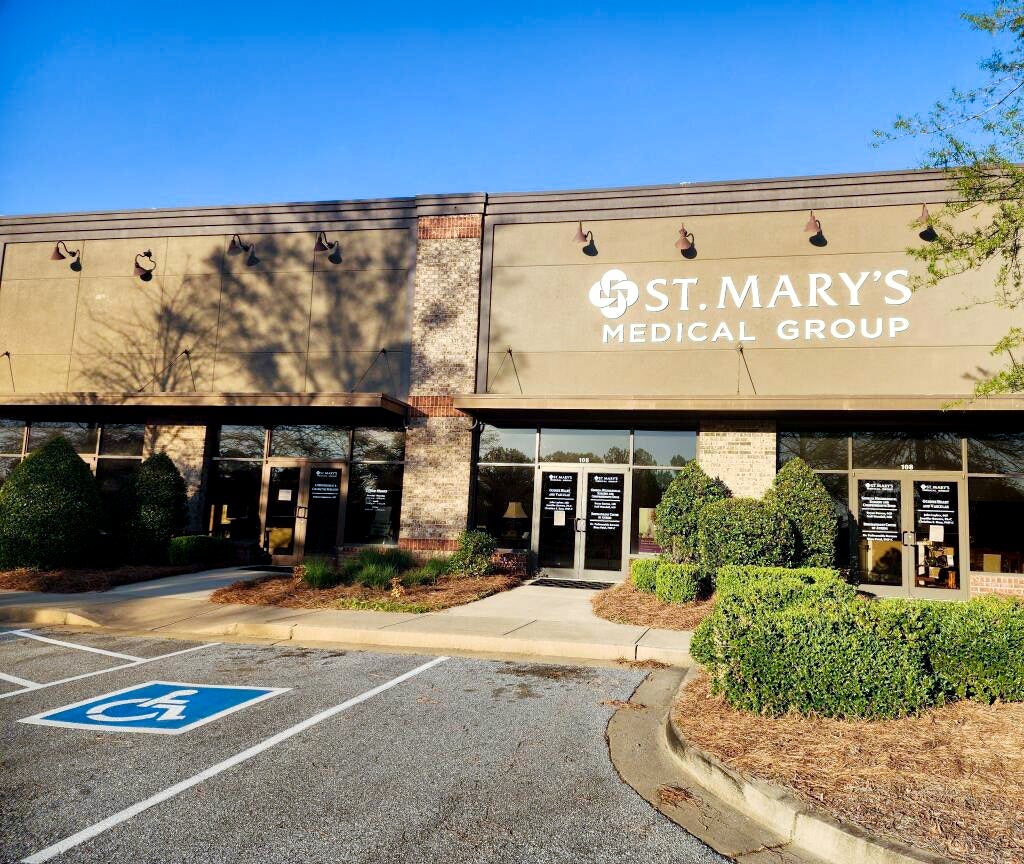
Athens General & Colorectal Surgeons Greensboro
1110 Commerce Drive Suite 108
Greensboro, GA 30642
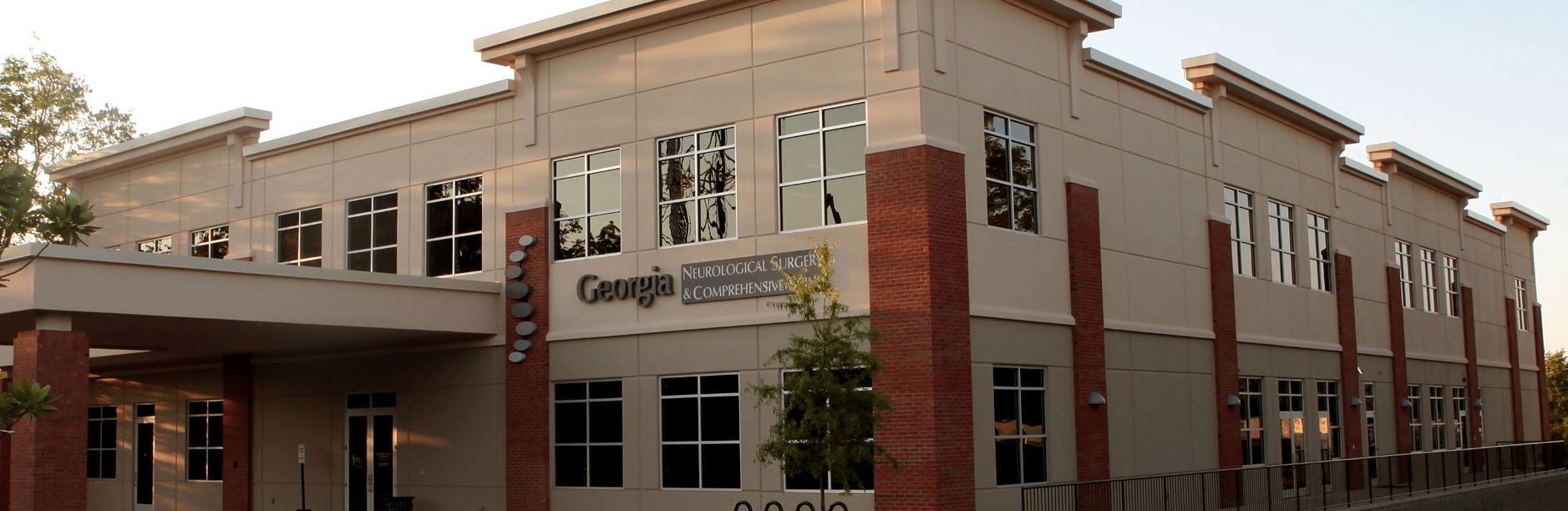
Georgia Neurological Surgery & Comprehensive Spine
2142 W Broad St Bldg 100 Ste 200
Athens, GA 30606
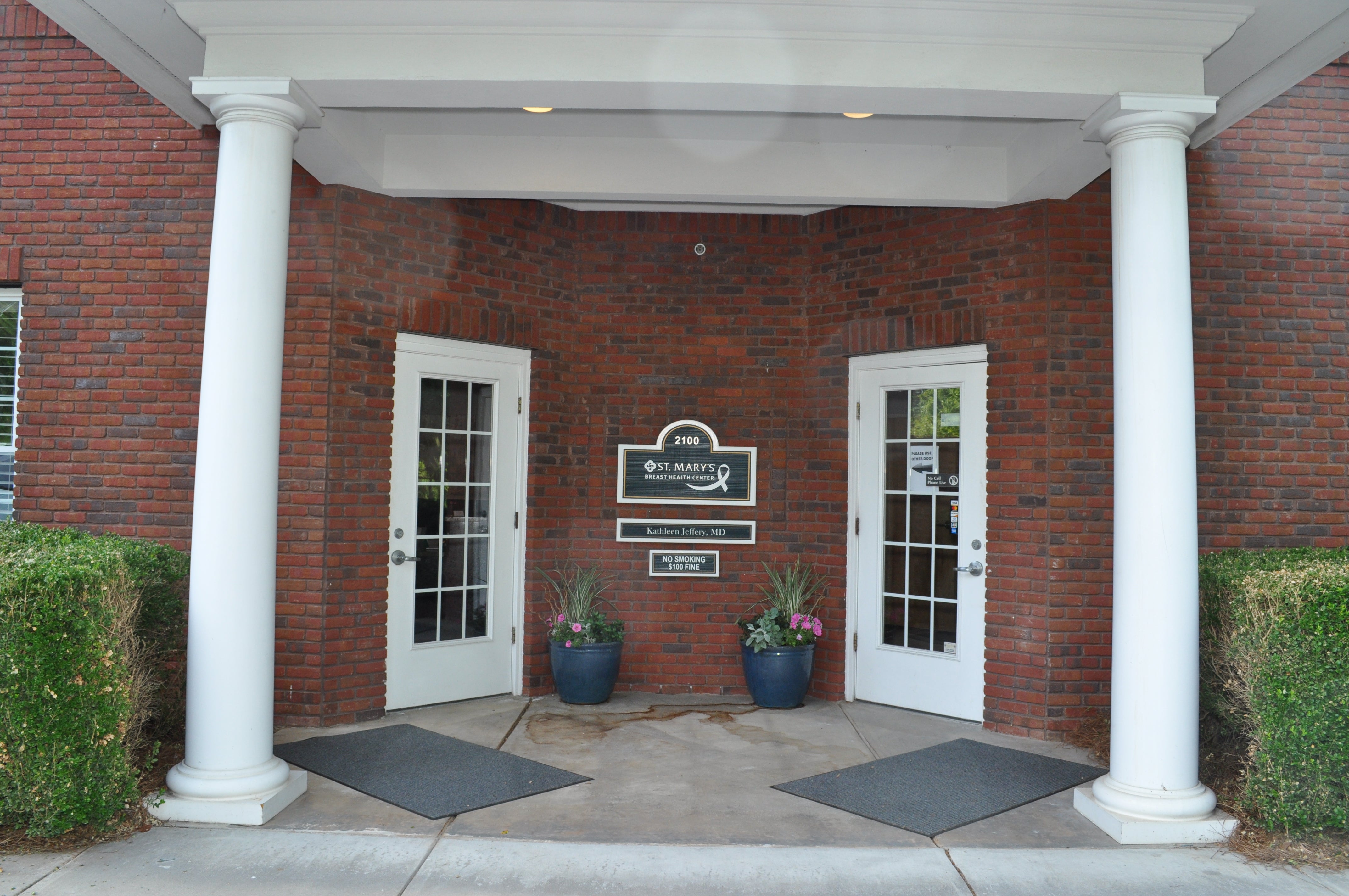
St. Mary's Breast Health Center
1500 Oglethorpe Ave Ste 2100
Athens, GA 30606
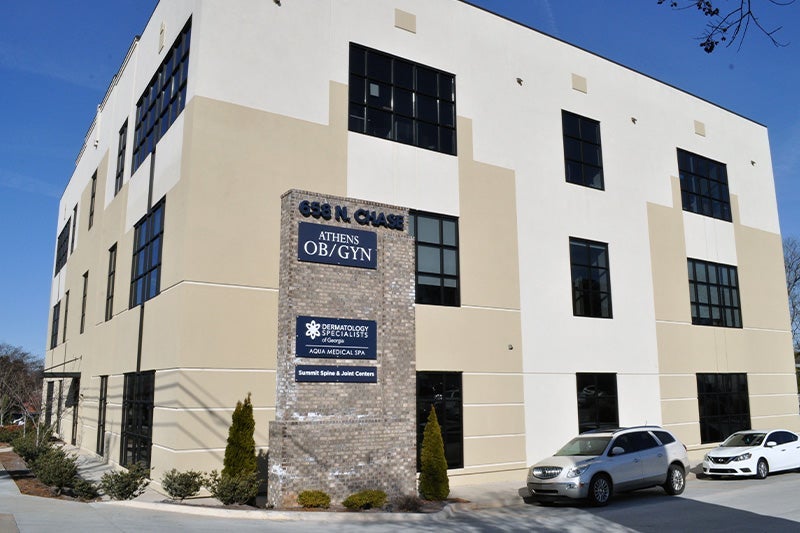
St. Mary's Gastroenterology Associates
658 N Chase St Ste 201
Athens, GA 30601
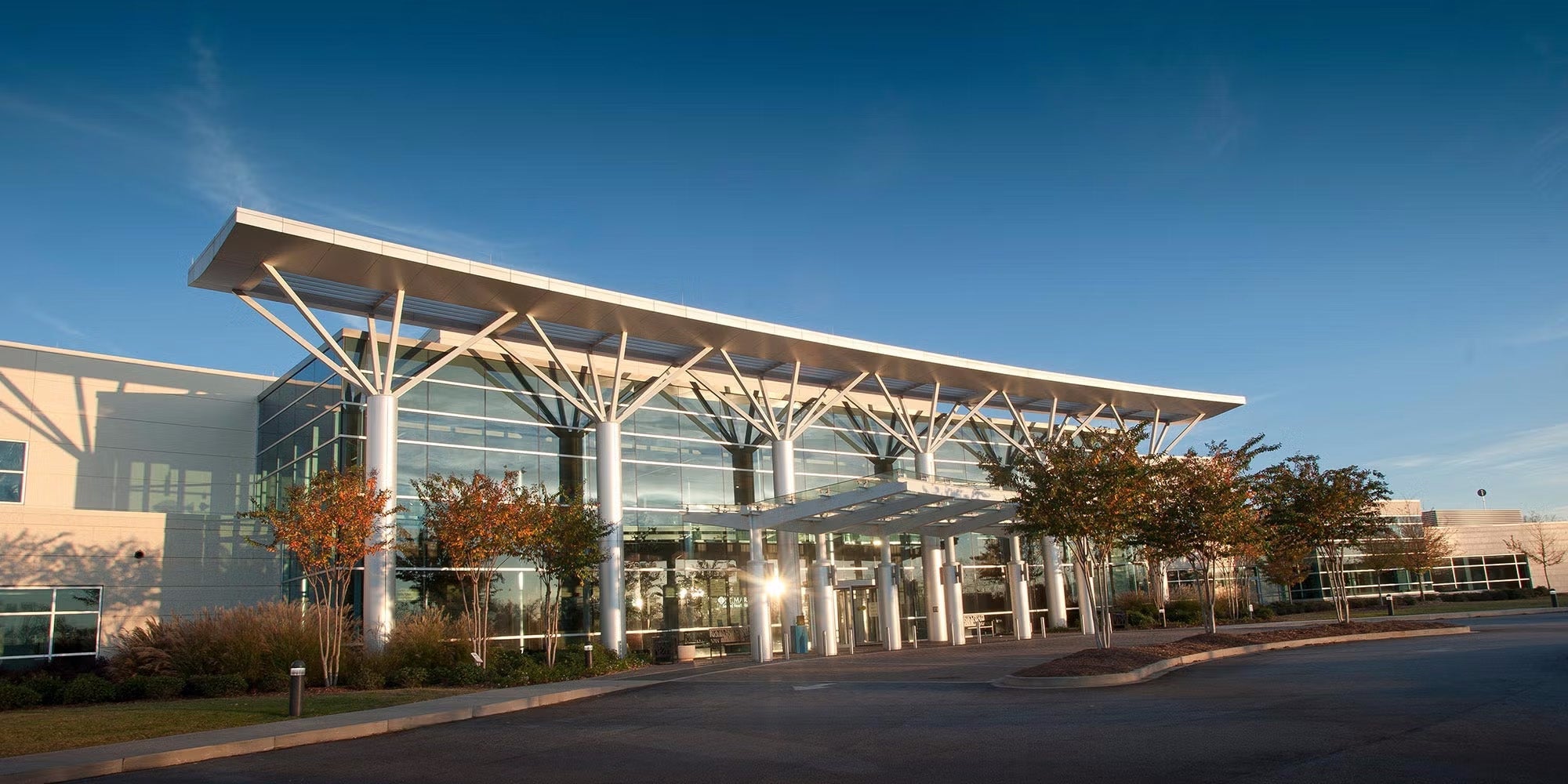
St. Mary's Sacred Heart Hospital
367 Clear Creek Pkwy
Lavonia, GA 30553