Neurointerventional Biplane Imaging in Athens, GA
When it comes to stroke and complex brain conditions, precision matters. At St. Mary’s Health Care System, our neurointerventional biplane imaging technology allows our care team to see more clearly, act more quickly, and deliver advanced, minimally invasive treatment when every second counts.
Precision Imaging and Minimally Invasive Treatment for Stroke and Brain Conditions in Athens and Northeast Georgia | Advanced Stroke and Brain Care
What Is Neurointerventional Biplane Imaging?
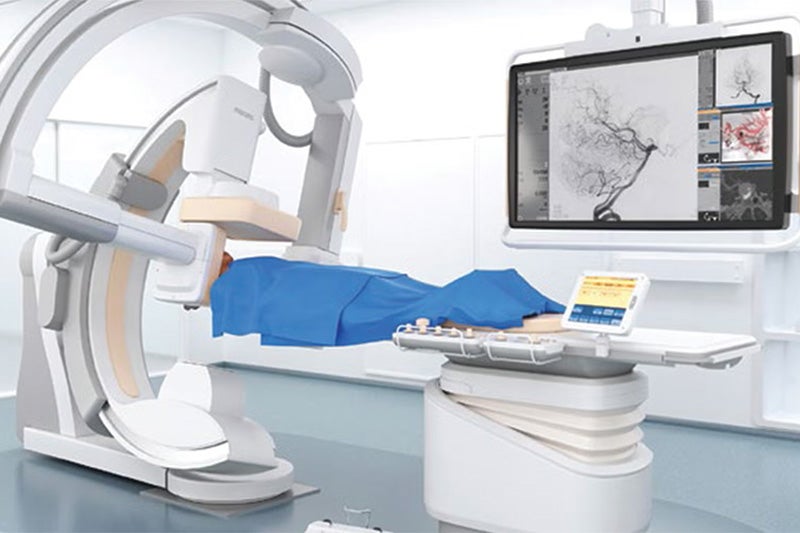
Neurointerventional biplane imaging is an advanced technology used to diagnose and treat conditions affecting the brain and blood vessels. It uses two imaging planes at the same time, giving specialists highly detailed, real-time views of blood flow in the brain from multiple angles.
This level of precision allows providers to guide delicate procedures with greater accuracy, helping improve outcomes while reducing risk.
At St. Mary’s, this technology plays a critical role in both emergency stroke care and planned neurovascular procedures, giving patients access to advanced care close to home in Athens, GA.
Learn More about Stroke Care Explore our Cardiology Program
Why This Technology Matters in Stroke Care
Stroke is a time-sensitive emergency where fast, accurate decisions can make a life-changing difference.
Neurointerventional biplane imaging allows our team to:
- Identify blockages or bleeding in the brain quickly
- Visualize blood vessels in real time during procedures
- Guide minimally invasive treatments with precision
- Reduce procedure time and improve outcomes
By combining speed with accuracy, this technology helps our care team respond quickly while maintaining the highest level of precision.
Conditions Treated Using Biplane Imaging
This advanced imaging technology is used to diagnose and treat a variety of complex neurological and vascular conditions, including:
- Ischemic stroke (caused by a blood clot)
- Hemorrhagic stroke (caused by bleeding in the brain)
- Brain aneurysms
- Arteriovenous malformations (AVMs)
- Narrowing or blockages in the brain's blood vessels
These conditions often require highly specialized care, and having access to advanced imaging technology can make a meaningful difference in treatment and recovery.
Learn More about Stroke Care at St. Mary's
Minimally Invasive Procedures We Support
Neurointerventional procedures use catheter-based techniques similar to those used in interventional cardiology, but are focused on the brain and neurovascular system.
- Mechanical Thrombectomy: A procedure used to remove a blood clot from a blocked artery in the brain, helping restore blood flow during an ischemic stroke.
- Aneurysm Coiling and Repair: Minimally invasive techniques used to treat aneurysms and reduce the risk of rupture.
- Embolization Procedures: Used to block abnormal blood vessels or control bleeding within the brain.
Learn More about Early Heart Attack Care
What to Expect During a Neurointerventional Procedure
We understand that procedures involving the brain can feel overwhelming. Our team is here to provide clear guidance and support at every step.
In general, you can expect:
- A minimally invasive procedure performed in a specialized imaging suite
- Advanced imaging is used throughout the procedure for precision
- Sedation or anesthesia to keep you comfortable
- Continuous monitoring by a highly trained care team
Your provider will explain your specific procedure in detail so you feel informed and prepared.
Explore Our Interventional Cardiology Department
Recovery and Ongoing Care
Recovery depends on the condition being treated and the type of procedure performed. After treatment, patients are closely monitored and supported throughout their recovery.
Your care plan may include:
- Follow-up imaging or evaluations
- Rehabilitation services such as physical, occupational, or speech therapy
- Ongoing neurological or cardiovascular care
- Lifestyle guidance to reduce future risk
Learn More about Cardiac Rehabilitation
A Connected Approach to Advanced Stroke and Vascular Care
Neurointerventional care is part of a broader, coordinated system at St. Mary’s.
Our teams work together across:
- Emergency stroke response
- Cardiology and vascular services
- Interventional procedures
- Rehabilitation and recovery programs
This collaborative approach ensures that patients receive seamless care from diagnosis through recovery, all within one connected system.
Frequently Asked Questions About Neurointerventional Biplane Imaging
Biplane imaging means that two sets of images are taken at the same time from different angles. This allows your care team to see blood vessels in the brain more clearly and in greater detail during a procedure.
This added level of visibility helps guide treatment with precision and confidence.
During a stroke, every second matters. Biplane imaging allows providers to quickly identify blockages or bleeding and guide treatment in real time.
This can help reduce delays, improve accuracy, and support better outcomes for patients.
This technology is used to treat conditions such as stroke, brain aneurysms, and abnormal blood vessels in the brain.
Because these conditions can be complex, having advanced imaging helps your care team plan and perform treatment more effectively.
Most neurointerventional procedures are minimally invasive, meaning they are performed through small entry points using catheters rather than open surgery.
This approach often leads to shorter recovery times and less physical stress on the body.
Some procedures are performed with sedation, while others may require anesthesia. Your care team will explain what to expect based on your specific situation.
Our priority is to keep you comfortable and safe throughout the process.
Treatment begins as quickly as possible, often immediately after diagnosis.
Our team works closely with emergency services to reduce delays and begin care as soon as you arrive.
Yes, these procedures are widely used and performed by highly trained specialists using advanced technology.
At St. Mary’s, we follow established safety protocols and use precise imaging to guide every step.
Recovery varies depending on the condition and treatment, but many patients benefit from shorter recovery times compared to traditional surgery.
Your care team will provide a personalized plan to support your healing and recovery.
Some patients may benefit from rehabilitation services such as physical, occupational, or speech therapy, especially after a stroke.
These services help support recovery and improve quality of life.
Standard imaging typically shows one view at a time, while biplane imaging provides two views simultaneously.
This allows for greater precision during procedures and helps your care team make more informed decisions in real time.
This level of care is typically accessed through emergency stroke services or specialist referral.
Our team works together to ensure you receive the right care at the right time, with guidance and support throughout your experience.
Advanced Stroke and Brain Care Close to Home in Athens, GA
When advanced care matters most, St. Mary’s is here with leading-edge technology and a compassionate team ready to respond. Learn more about our stroke services or talk with your provider about your care options.
Related Providers
Lauren Dowling, DO
Cardiology +1 more
Accepting New Patients
St. Mary's Medical Group
Steven Lowman, MD
Cardiology +1 more
Accepting New Patients
St. Mary's Medical Group
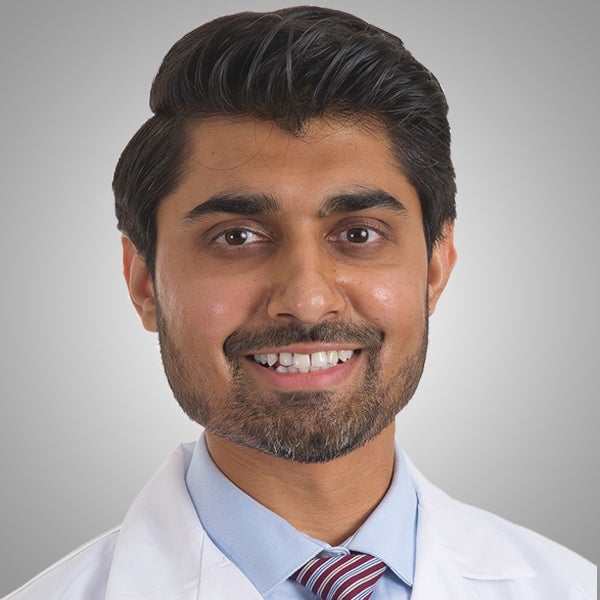
Hiren Patel, MD
Interventional Cardiology +2 more
Accepting New Patients
St. Mary's Medical Group
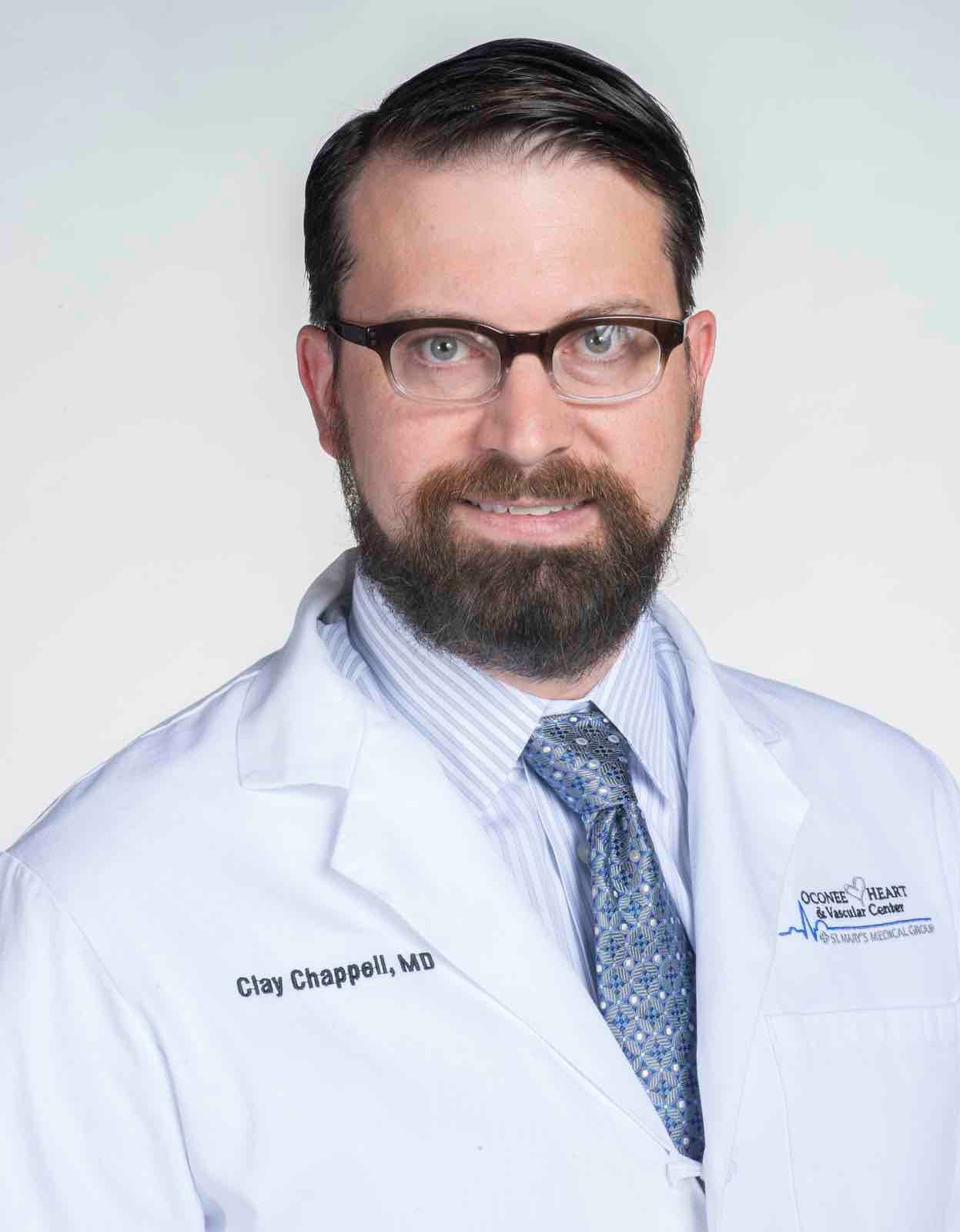
Clay Hollis Chappell, MD
Interventional Cardiology +1 more
Accepting New Patients
St. Mary's Medical Group
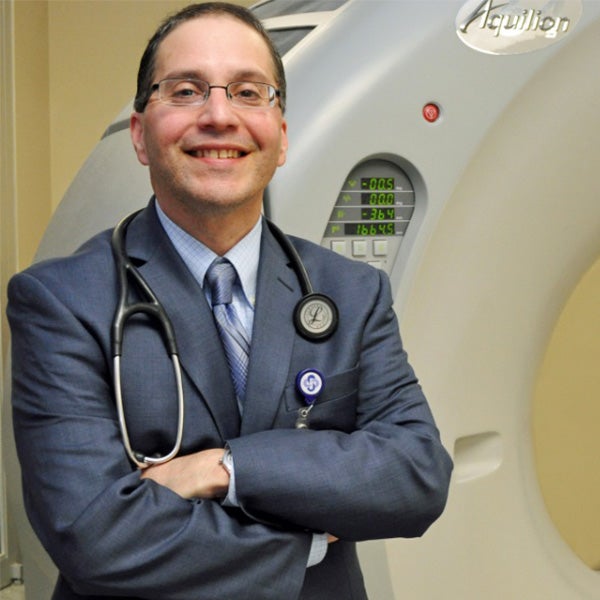
Erick Avelar, MD
Cardiology +5 more
Accepting New Patients
St. Mary's Medical Group

Patrick Douglas Willis, MD
Interventional Cardiology +1 more
Accepting New Patients
St. Mary's Medical Group
Related Locations
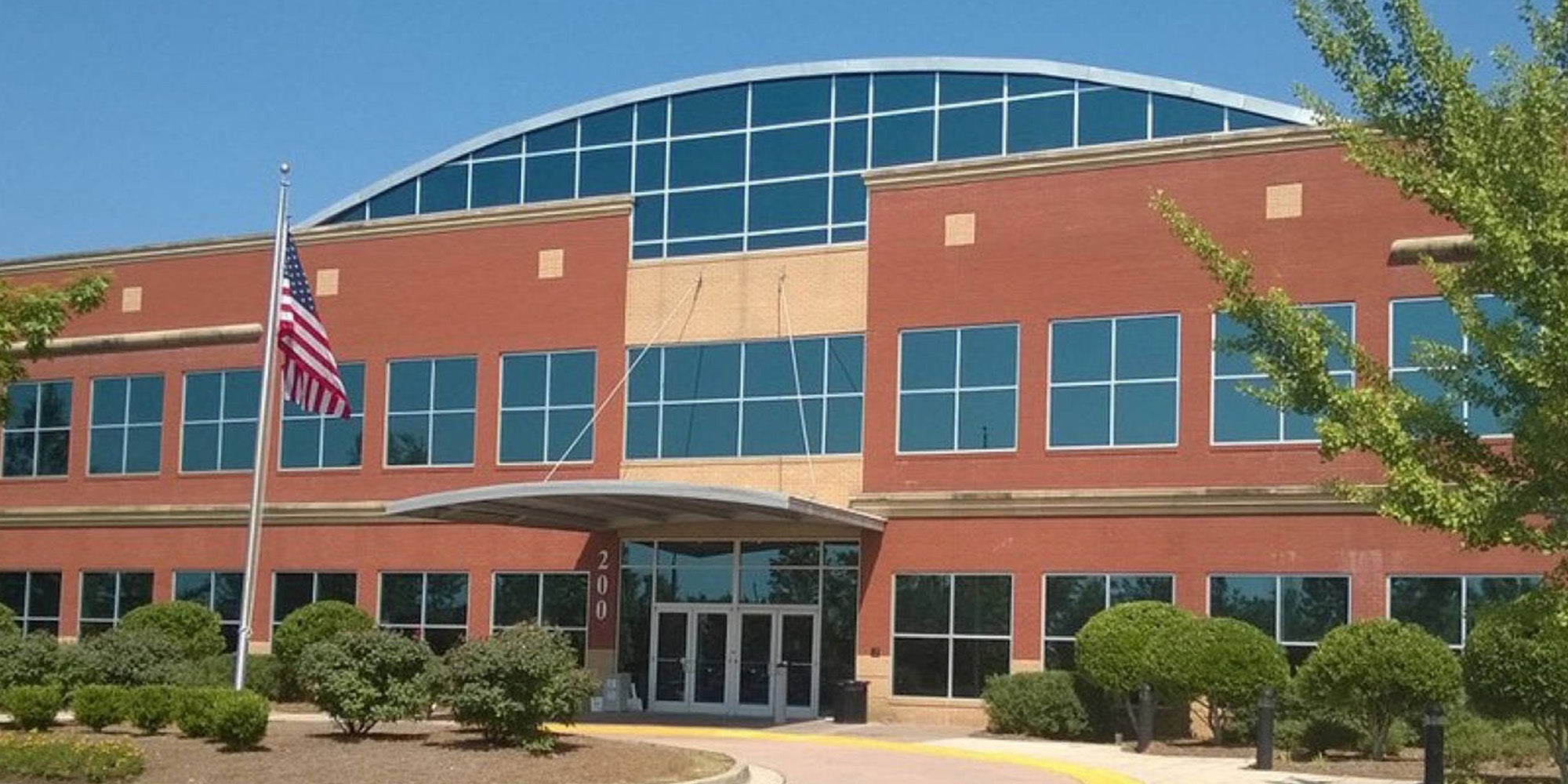
Oconee Heart and Vascular Center
2470 Daniells Bridge Rd Bldg 200 Ste 251
Athens, GA 30606
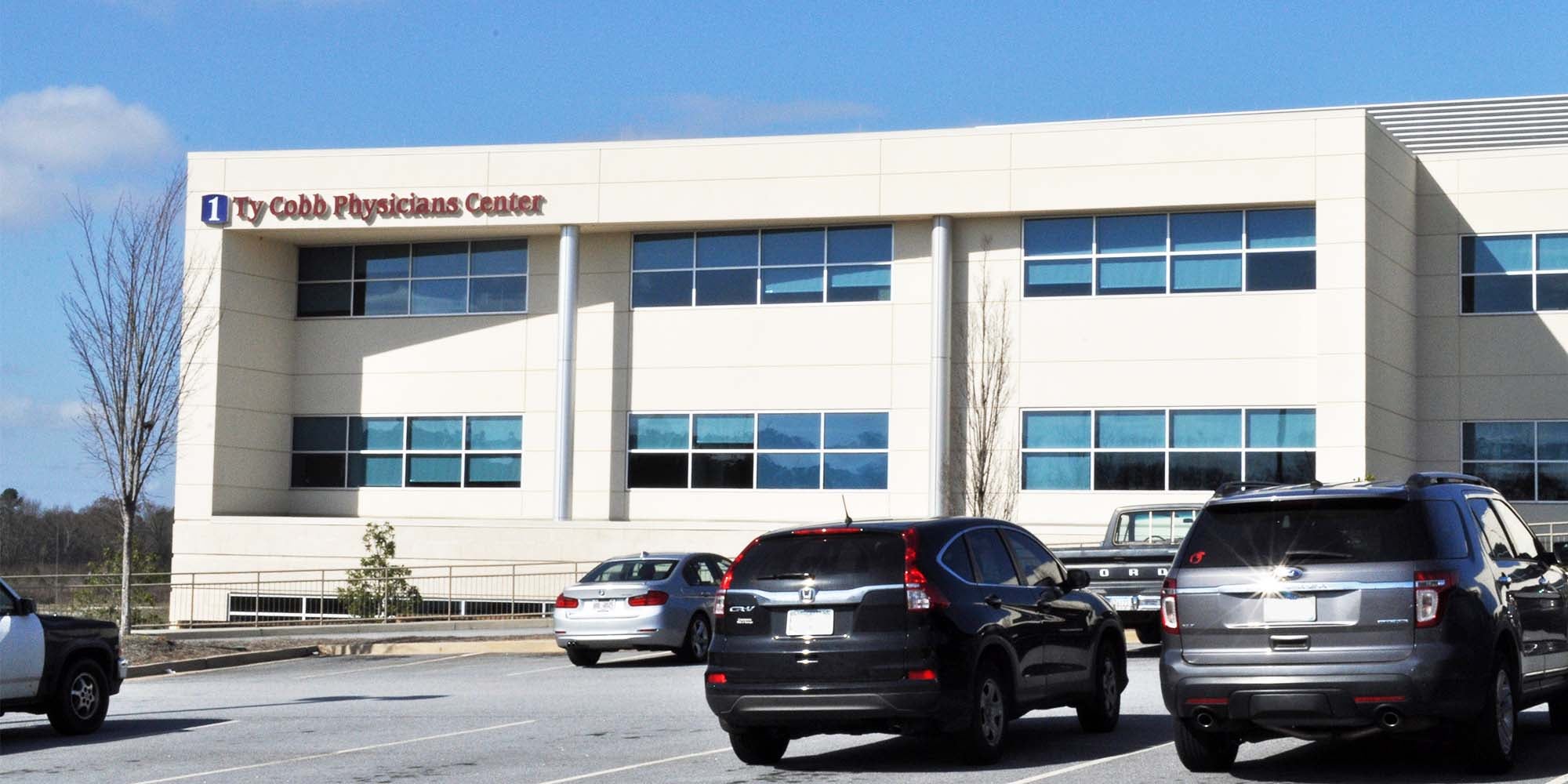
Oconee Heart and Vascular Center - Lavonia
355 Clear Creek Pkwy Ste 1003
Lavonia, GA 30553
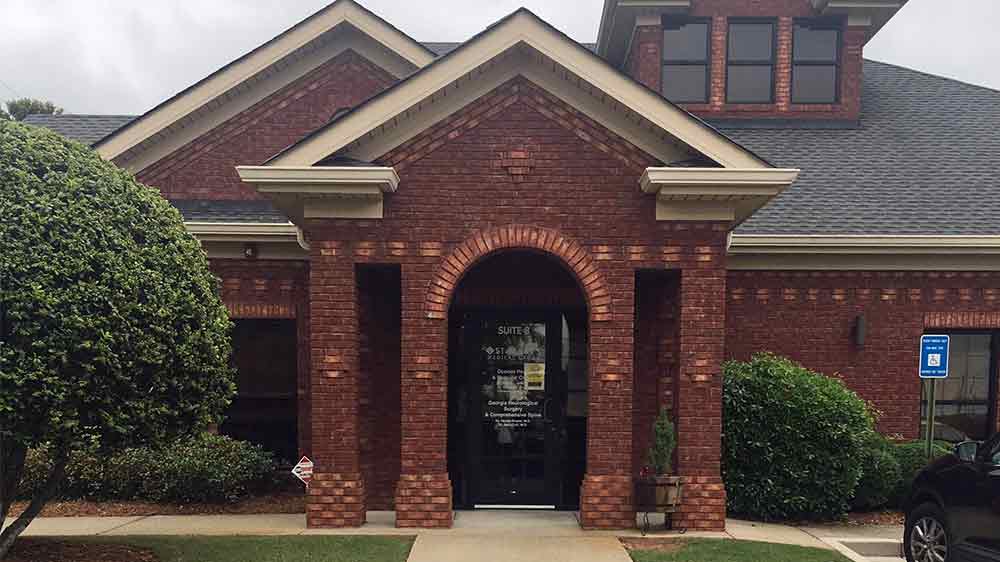
Oconee Heart & Vascular Center - Monroe
868 Michael Etchison Rd. Suite B
Monroe, GA 30655
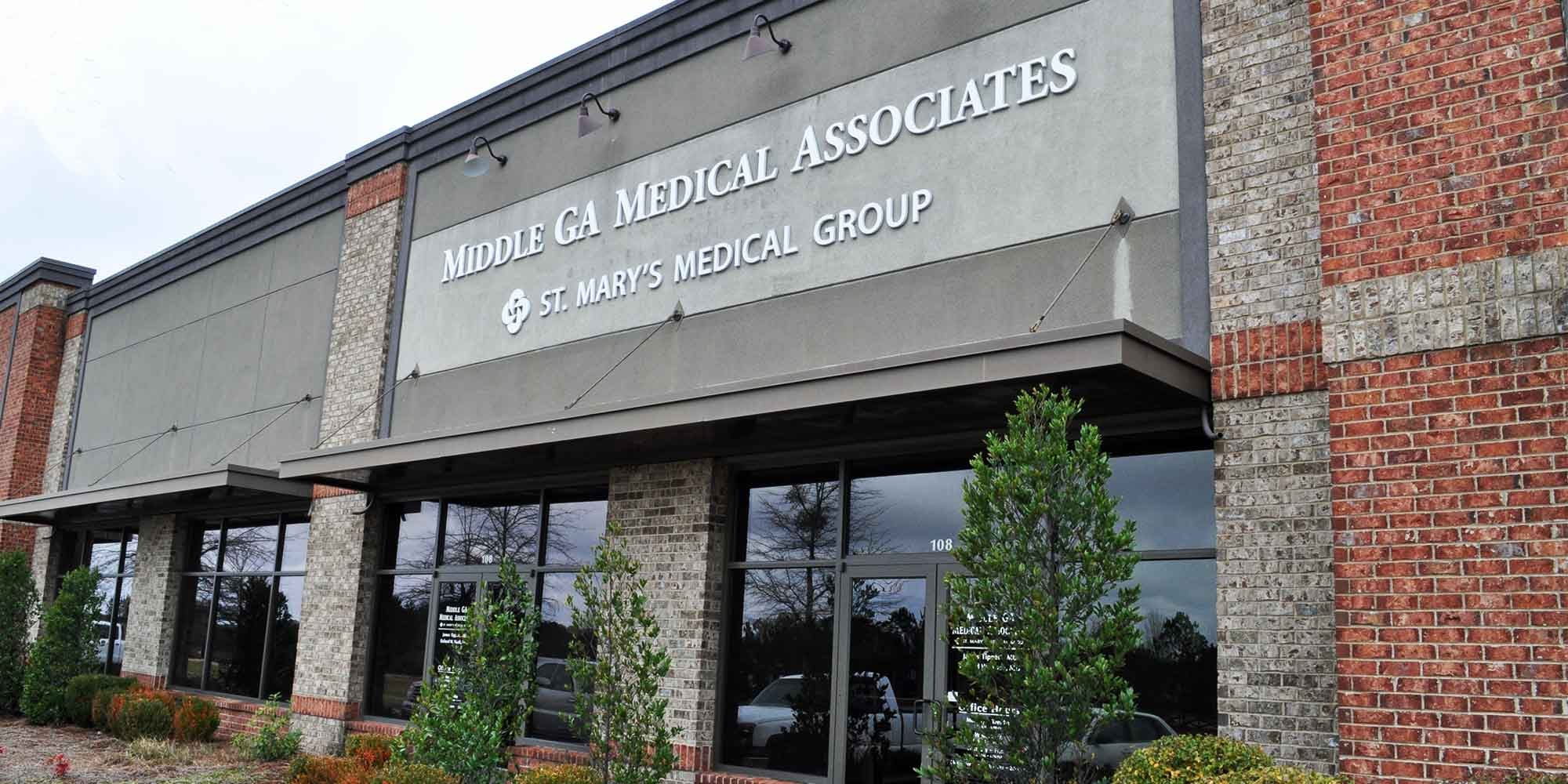
Oconee Heart & Vascular Center - Greensboro
1110 Commerce Dr Ste 108
Greensboro, GA 30642
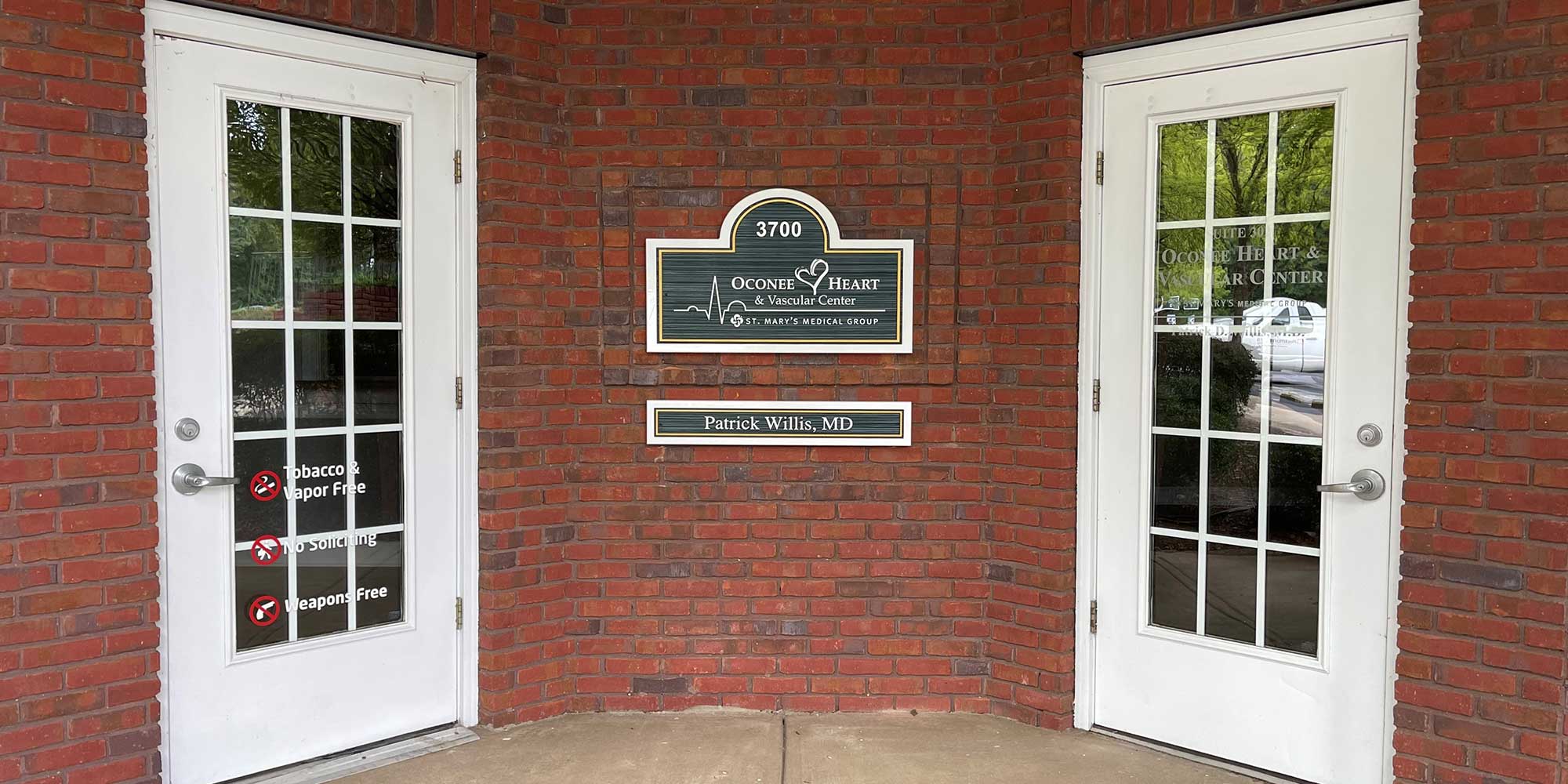
Oconee Heart & Vascular Center
1500 Oglethorpe Ave Ste 3700
Athens, GA 30606
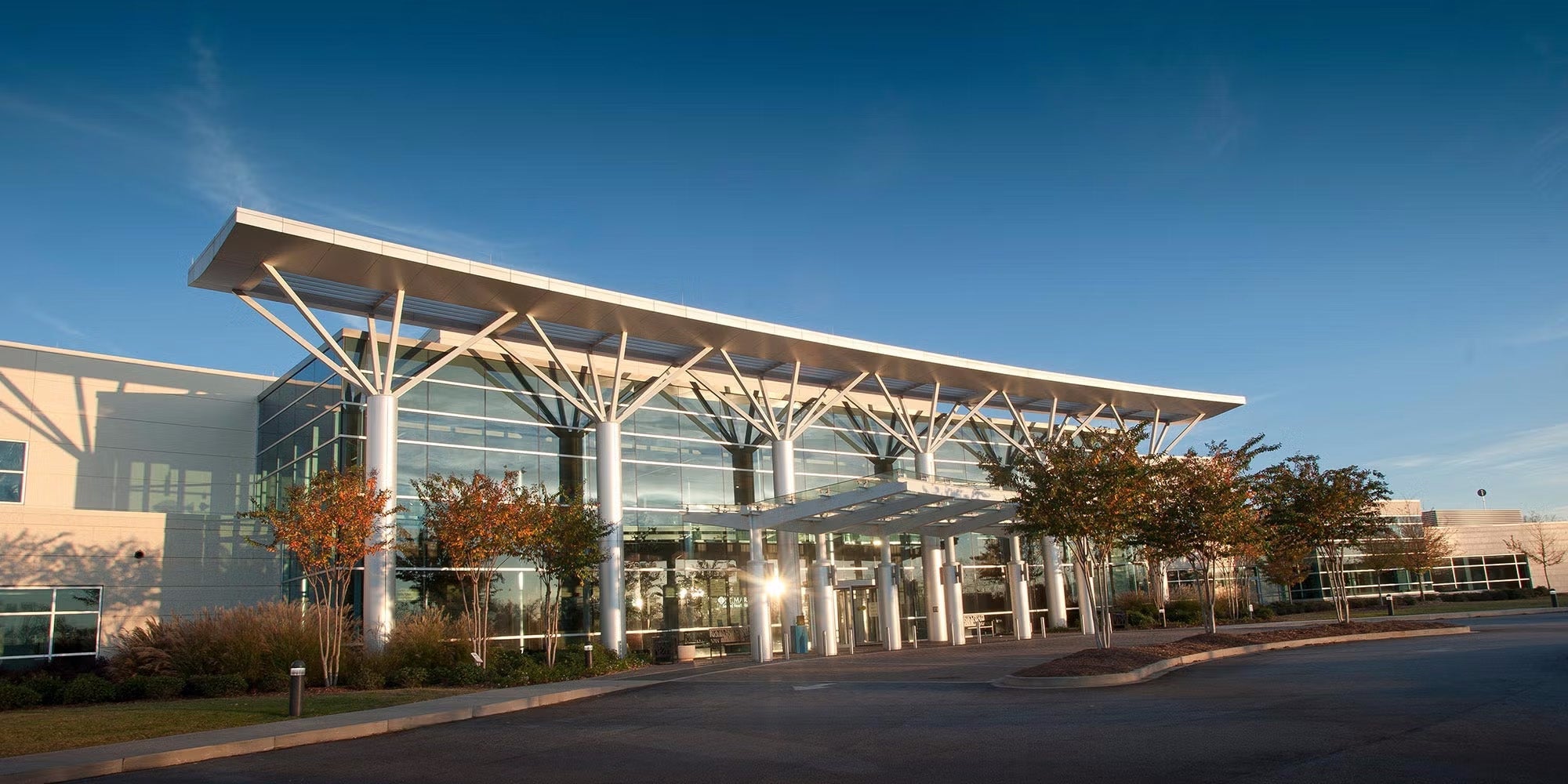
St. Mary's Sacred Heart Hospital
367 Clear Creek Pkwy
Lavonia, GA 30553