
Brain Health and Injury Prevention: How to Protect Your Brain at Every Age
August 19, 2026Categories: Neurosciences
Tags: Cognitive Health
The brain plays a role in nearly everything we do, from remembering a loved one’s name to walking, speaking, sleeping, making decisions, and managing emotions. Because the brain works closely with the rest of the body, protecting neurological health is an important part of maintaining independence and quality of life.
Brain health is not something to think about only after an injury or neurological diagnosis. Everyday choices, preventive healthcare, and simple safety measures can all help protect the brain over time. Whether you are helping a child stay safe during sports, recovering from a concussion, working to reduce your risk of stroke, or looking for ways to maintain cognitive health as you age, brain wellness matters at every stage of life.
At St. Mary’s Health Care System, we believe education and prevention are important parts of neurological wellness. Understanding how the brain works, recognizing warning signs, and knowing how to reduce preventable risks can help patients and families feel more informed and empowered.
Why Brain Health Matters
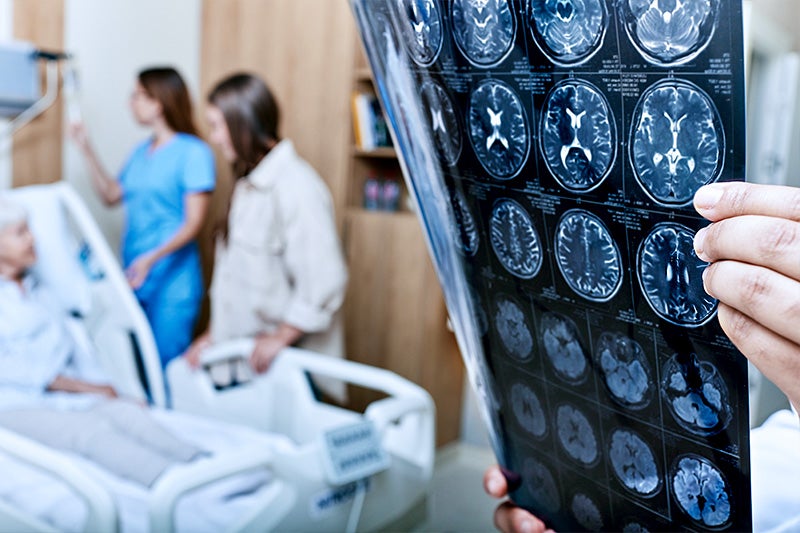
The brain is the body's central control system. It communicates with the rest of the nervous system to coordinate movement, sensation, thinking, and many automatic functions.
The brain helps control:
- Memory and learning
- Speech and communication
- Movement and coordination
- Balance
- Vision and other senses
- Emotions and behavior
- Decision-making
- Sleep and wakefulness
- Breathing and other essential functions
When neurological health is affected, even everyday activities can become more difficult. Protecting the brain therefore means more than preserving memory. It also means supporting mobility, independence, communication, emotional wellness, and the ability to participate in daily life.
What Can Affect Brain Health?
Brain health is influenced by a combination of factors. Some, such as age and genetics, cannot be changed. Others can be addressed through preventive care and healthy lifestyle habits.
Factors that may affect neurological health include:
- Head and brain injuries
- Stroke
- High blood pressure
- Diabetes
- Certain neurological conditions
- Some medications or medical conditions
- High cholesterol
- Smoking
- Excessive alcohol use
- Physical inactivity
- Poor sleep
- Chronic stress
The connection between these factors is important. For example, conditions that affect blood vessels can also affect the brain because the brain depends on a steady supply of oxygen-rich blood. Managing cardiovascular health is therefore an important part of protecting neurological health.
Understanding Brain Injuries
A brain injury occurs when an outside force damages or disrupts normal brain function. Traumatic brain injury (TBI) is a broad term that includes injuries ranging from mild concussions to more serious trauma.
Brain injuries can happen during:
- Falls
- Motor vehicle crashes
- Sports and recreational activities
- Workplace accidents
- Bicycle or motorcycle accidents
- Physical assaults
A concussion is considered a mild traumatic brain injury, but "mild" does not mean the symptoms should be ignored. A concussion can temporarily affect thinking, balance, memory, mood, sleep, and other aspects of brain function.
Most people recover well with appropriate care and time, but symptoms should be monitored and evaluated by a healthcare professional.
A concussion does not always cause a person to lose consciousness. In fact, many people with concussions remain awake and may initially appear well.
Symptoms can develop immediately or become noticeable later. Possible symptoms include:
- Headache
- Dizziness
- Nausea
- Balance problems
- Blurred vision
- Sensitivity to light or noise
- Difficulty concentrating
- Memory problems
- Feeling slowed down or foggy
- Fatigue
- Irritability or other mood changes
- Changes in sleep
Because symptoms can vary, anyone who experiences a head injury should seek medical assistance.
Certain symptoms following a head injury require immediate medical attention. These may include:
- Loss of consciousness
- Repeated vomiting
- A severe or worsening headache
- Increasing confusion
- Seizures
- Seizures
- Slurred speech
- New weakness or numbness
- Difficulty waking or staying awake
- Significant changes in behavior
When a serious head injury is possible, prompt medical evaluation is important.
What Is a Traumatic Brain Injury? What to Do and How It Is Treated
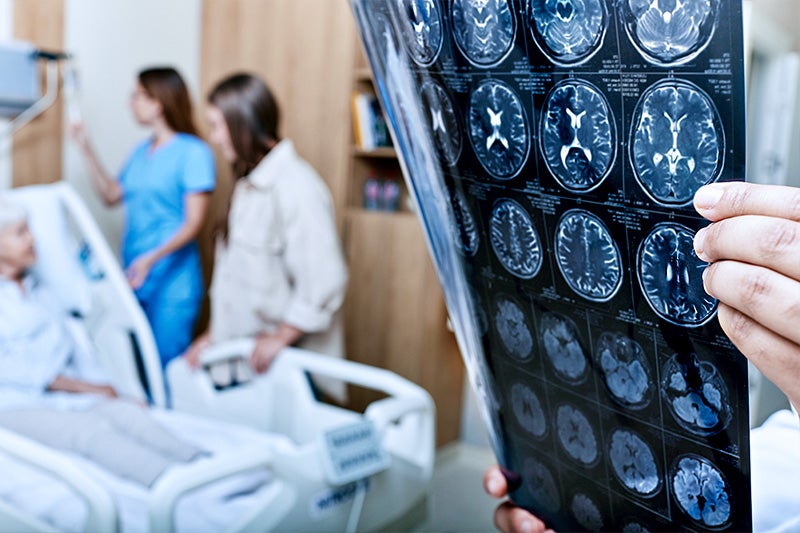
A blow to the head can be frightening, whether it happens during a fall, a car accident, or a sports activity. Traumatic brain injuries, often called TBIs, range from mild concussions to more serious injuries that may require emergency care. Knowing what to watch for and when to seek help can protect long-term brain health...
Read ArticleBrain Injury Prevention for Children and Teens
Children and teenagers are active and often participate in sports, biking, playground activities, and other recreation. While these activities are important for healthy development, they can also create opportunities for head injuries. Parents and caregivers can help reduce risks by making safety part of everyday routines. Here are some important tips for keeping your child's brain safe:
Helmets can help reduce the risk of serious head injuries during activities such as:
- Bicycling
- Skateboarding
- Scootering
- Certain contact sports
- Horseback riding
- Other recreational activities with a risk of falling or collision
A helmet should fit properly and be designed for the activity being performed. A helmet that is damaged or involved in a significant impact may need to be replaced.
Young athletes should understand that reporting symptoms is part of playing safely, not a sign of weakness.
Coaches, parents, and athletes should prioritize:
- Proper technique
- Following sport-specific safety rules
- Appropriate protective equipment
- Concussion awareness
- Adequate recovery after injury
Children should not be pressured to return to sports while experiencing concussion symptoms. A healthcare provider can help determine when it is appropriate to gradually return to physical and academic activities.
Car seats, booster seats, and seat belts provide important protection against serious injuries during vehicle crashes.
Parents should use age and size-appropriate restraints and make sure car seats are installed correctly. Older children and adults should consistently use seat belts.
If you have questions, concerns, or are unsure about what type of car seat your child should be using, it is always safe to ask questions and double-check with a professional. Your pediatrician can offer additional support to help you select the correct car seat for your child's height and weight.
Brain Injury Prevention for Adults
Adults can also reduce their risk of traumatic brain injury by making safety part of everyday life.
Falls are an important cause of traumatic brain injuries, particularly among older adults.
Fall prevention may include:
- Removing loose rugs and other tripping hazards
- Keeping hallways and stairways well lit
- Installing handrails where appropriate
- Wearing supportive footwear
- Keeping frequently used items within easy reach
- Staying physically active to support strength and balance
- Discussing dizziness or balance problems with a healthcare provider
If a person experiences repeated falls, addressing the underlying cause is just as important as making the home safer. Vision problems, medication side effects, balance disorders, and certain neurological conditions can all contribute to fall risk.
Adults should use appropriate protective equipment during activities where head injuries are possible.
This may include cycling, certain sports, construction work, and recreational activities.
Seat belts help keep occupants properly positioned during a crash and can reduce the risk of serious injury. Buckling up should be a routine safety habit for every trip, regardless of how short the drive may be.
How Lifestyle Habits Support Brain Health
Preventing injury is only one part of maintaining neurological wellness. The brain also depends on healthy blood vessels, adequate sleep, physical activity, proper nutrition, and emotional well-being. Healthy habits can support brain function while also reducing the risk of conditions that can affect the brain.
Regular physical activity supports circulation throughout the body, including blood flow to the brain. Exercise also supports cardiovascular health, muscle strength, balance, mood, and sleep.
Depending on a person's abilities and health, activity may include:
- Walking
- Swimming
- Cycling
- Strength training
- Dancing
- Stretching
- Balance exercises
Even modest amounts of regular movement can be beneficial. People who have been inactive should start gradually and talk with a healthcare provider if they have concerns about beginning an exercise program.
Heart and brain health are closely connected.
The brain relies on a network of blood vessels to deliver oxygen and nutrients. Conditions such as high blood pressure, diabetes, and high cholesterol can damage blood vessels over time and increase the risk of stroke and other complications.
Preventive care can help identify and manage these conditions before they cause significant problems.
Important steps may include:
- Checking blood pressure regularly
- Managing blood sugar
- Monitoring cholesterol
- Maintaining a healthy weight
- Avoiding tobacco
- Staying physically active
- Taking prescribed medications as directed
Sleep gives the brain time to perform important maintenance and restoration processes. Adequate sleep supports attention, memory, learning, mood, and daytime alertness.
Poor sleep can make it harder to concentrate and may contribute to irritability and reduced cognitive performance.
Adults who regularly experience insomnia, excessive daytime sleepiness, loud snoring, or interrupted breathing during sleep should talk with a healthcare provider. Sleep disorders such as sleep apnea can affect both overall health and quality of life.
Brain health includes emotional and mental well-being.
Long-term stress can affect sleep, concentration, mood, and overall health. Anxiety and depression can also make it more difficult to focus, remember information, remain active, or maintain healthy routines.
Supporting emotional health may include:
- Spending time with friends and family
- Practicing relaxation techniques
- Staying physically active
- Making time for enjoyable activities
- Speaking with a counselor or mental health professional when needed
Seeking support is an important part of caring for the whole person.
The brain requires a steady supply of nutrients and energy to function properly. A balanced eating pattern can support both brain and cardiovascular health.
Focus on a variety of:
- Fruits and vegetables
- Whole grains
- Beans and legumes
- Lean proteins
- Fish and other sources of healthy fats
- Nuts and seeds
- Adequate fluids
Rather than focusing on a single "brain food," aim for an overall eating pattern that supports cardiovascular health and provides a variety of nutrients.
Stroke Prevention Is Brain Health
Stroke is a medical emergency that occurs when blood flow to part of the brain is interrupted or when a blood vessel in the brain ruptures.
Because brain cells can be damaged when they do not receive enough oxygen, recognizing stroke symptoms and getting emergency care quickly is critical.
Many stroke risk factors can be managed through preventive care, including:
- High blood pressure
- Diabetes
- High cholesterol
- Smoking
- Physical inactivity
- Obesity
- Certain heart conditions
The acronym FAST can help people remember some of the most common warning signs:
- F: Face drooping
- A: Arm weakness
- S: Speech difficulty
- T: Time to call emergency services
Other symptoms can include sudden vision changes, severe dizziness, loss of balance, or a sudden severe headache.
If stroke is suspected, seek emergency medical attention immediately. Do not wait to see if symptoms improve.

Stroke Recovery & Care
When a stroke happens, every second matters. At St. Mary’s Health Care System, our stroke care team is ready to respond quickly with advanced technology and compassionate care to help protect your brain and support your recovery....
Learn MorePay Attention to Changes in Neurological Health
Not every headache, memory lapse, or episode of dizziness indicates a serious neurological condition. However, persistent, worsening, or unexplained symptoms deserve attention.
Talk with a healthcare provider about symptoms such as:
- Frequent or changing headaches
- Persistent dizziness
- New balance problems
- Tremors
- Memory changes
- Difficulty concentrating
- Numbness or tingling
- New weakness
- Vision changes
- Changes in speech or coordination
A healthcare provider can determine whether further evaluation is appropriate and, when necessary, coordinate care with a neurologist or other specialist.


Primary Care Services with St. Mary's Medical Group
At St. Mary’s Medical Group, our primary care providers are dedicated to delivering person-centered, compassionate care to individuals and families across Athens, GA, Athens-Clarke County, and Northeast Georgia. Whether you need a routine check-up, preventive care, chronic disease management, or same-day sick visits, our expert team is here to support your health and well-being at every stage of life.
Learn MoreThe Role of Primary Care in Brain Health
Primary care providers (PCPs) play an important role in protecting neurological health because many brain-related risk factors can be identified and addressed through routine preventive care.
Your PCP can help:
- Monitor blood pressure and cholesterol
- Screen for and manage diabetes
- Discuss sleep concerns
- Evaluate new neurological symptoms
- Review medications that may affect balance or alertness
- Discuss fall prevention
- Encourage healthy lifestyle habits
- Coordinate referrals to neurological or other specialists
Regular primary care visits provide an opportunity to address risk factors before they become more serious and to establish a baseline for your overall health.
For individuals seeking preventive healthcare and neurological support in Athens, GA, and surrounding communities, ongoing primary care can be an important part of protecting brain health throughout life.
Take the Next Step Toward Protecting Brain Health
Protecting your brain involves more than preventing head injuries. Managing blood pressure and other health conditions, staying active, getting quality sleep, supporting emotional wellness, and paying attention to changes in neurological health can all contribute to lifelong brain health. You do not have to wait for a problem to take the first step. Preventive care provides an opportunity to understand your individual risk factors and make informed choices that support your health for years to come.
Schedule a visit with a primary care provider to discuss your brain health, neurological concerns, injury prevention, and personalized strategies for long-term wellness.
Frequently Asked Questions About Brain Health and Injury Prevention
A traumatic brain injury (TBI) occurs when an outside force, such as a blow, bump, jolt, or penetrating injury, disrupts normal brain function. TBIs range from mild injuries, including concussions, to more severe injuries that can require extensive medical care.
Yes. Loss of consciousness is not required for a concussion to occur. A person can experience a concussion while remaining awake and alert. Headache, dizziness, confusion, memory problems, fatigue, and difficulty concentrating can all occur after a concussion and should be evaluated when appropriate.
Recovery varies from person to person. Many people improve over days or weeks, while some experience symptoms for longer. Following medical guidance and gradually returning to normal physical and cognitive activities can support recovery.
Using properly fitted helmets, following sports safety rules, using appropriate car seats and seat belts, and teaching children to report symptoms after a head injury can all help reduce injury risks. Adults should create an environment where children feel comfortable telling a parent, coach, teacher, or healthcare provider when they do not feel well.
Fall prevention is especially important for older adults. Improving lighting, removing tripping hazards, wearing supportive footwear, maintaining strength and balance, and discussing dizziness or medication side effects with a healthcare provider can help reduce fall risk.
Yes. Regular physical activity supports cardiovascular health, circulation, sleep, mood, balance, and cognitive function. The best activity is one that is safe, sustainable, and appropriate for an individual's health and abilities.
Yes. High blood pressure can damage blood vessels over time and increase the risk of stroke. Managing blood pressure is therefore one of the most important ways to support both heart and brain health.
There is no single food that can prevent neurological disease. Instead, focus on a balanced eating pattern rich in fruits, vegetables, whole grains, lean proteins, healthy fats, and adequate hydration. These choices also support cardiovascular health, which is closely connected to brain health.
Talk with a healthcare provider about persistent or unexplained headaches, memory changes, dizziness, balance problems, tremors, numbness, weakness, or changes in vision or coordination. Sudden neurological symptoms, particularly signs of stroke or a severe head injury, require immediate medical attention.