How to Support a Loved One After a Stroke: A Caregiver’s Guide
February 9, 2026A stroke can change life in an instant, not only for the person who experiences it, but also for the family and friends who step into caregiving roles. Recovery often involves physical, emotional, and cognitive challenges, and support from loved ones plays a critical role in healing.
For families in and around Athens, GA, understanding how to care for a loved one after a stroke can ease uncertainty and help everyone move forward with confidence and compassion. Those in nearby communities such as Bogart, Greensboro, Lavonia, Watkinsville, or Winterville may also rely on local providers for ongoing care and rehabilitation.
Understanding Stroke Recovery
Stroke recovery looks different for every person. Some individuals regain function quickly, while others need long-term support. Recovery may involve:
- Physical therapy to improve strength and mobility
- Occupational therapy to relearn daily activities
- Speech therapy for communication or swallowing challenges
- Emotional support to address anxiety or depression
A primary care provider in or near Athens, GA, often helps coordinate care among specialists and therapists.
How You Can Support a Loved One
Be Patient and Encouraging
Healing takes time. Celebrate small improvements and remind your loved one that progress is not always linear.
Help with Daily Tasks
Assistance with meals, medications, transportation, and household tasks can reduce stress during recovery.
Encourage Rehabilitation
Rehabilitation therapy appointments are essential. Help your loved one stay consistent with exercises and follow-up visits.
Watch for Emotional Changes
Mood changes are common after a stroke. Depression, frustration, or withdrawal should be shared with a healthcare provider. A focus group for stroke survivors and caregivers can help.
Understanding Stroke Recovery
Stroke recovery looks different for every person. Some individuals regain function quickly, while others need long-term support. Recovery may involve:
- Physical therapy to improve strength and mobility
- Occupational therapy to relearn daily activities
- Speech therapy for communication or swallowing challenges
- Emotional support to address anxiety or depression
A primary care provider in or near Athens, GA, often helps coordinate care among specialists and therapists.

Frequently Asked Questions About Stroke Caregiving
Recovery can take weeks, months, or longer. Progress varies based on stroke severity and individual health factors.
Yes. PCPs help manage ongoing health needs, medications, and referrals after a stroke.
Depression, anxiety, mood swings, and frustration are common and should be discussed with a provider.
Managing blood pressure, diabetes, cholesterol, and lifestyle habits greatly reduces risk. Regular medical follow-up is essential.
Yes. Support groups provide education, encouragement, and connection for both patients and caregivers.

Creating a Safe Home Environment
Safety is a top priority during recovery. Consider:
- Removing tripping hazards
- Installing grab bars or handrails
- Improving lighting
- Using assistive devices if recommended
Your provider or therapist can help assess safety needs.
Taking Care of Yourself as a Caregiver
Caregiving can be physically and emotionally demanding. It is important to:
- Ask for help when needed
- Take breaks and rest
- Connect with caregiver support groups
- Maintain your own medical appointments
Healthy caregivers are better able to provide care.
Partnering with a Primary Care Provider
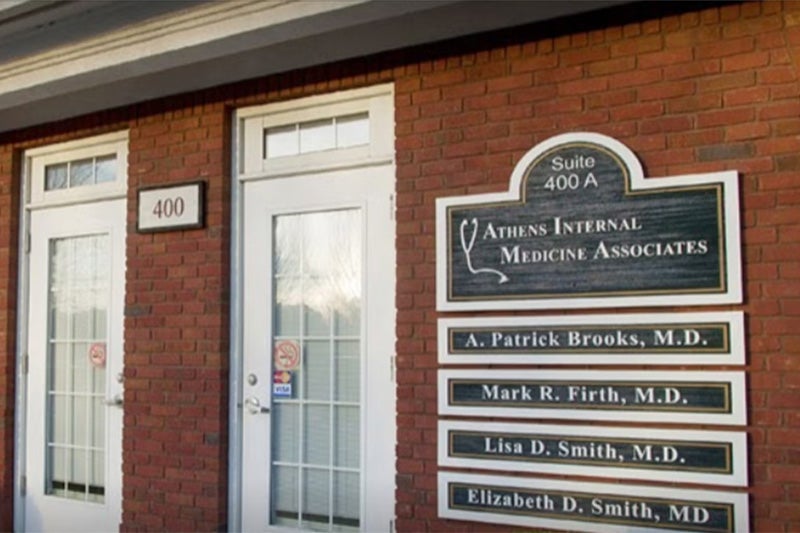
A primary care provider in Athens, GA, plays a key role after a stroke by:
- Managing chronic conditions such as high blood pressure or diabetes
- Monitoring medications
- Coordinating specialty and rehabilitation care
- Supporting both patient and caregiver well-being
Families from nearby areas such as Barrow, Greene, Franklin, and Oconee counties can also access coordinated follow-up care through St. Mary’s local providers.
When to Seek Medical Attention
Contact a healthcare provider if your loved one experiences:
- New or worsening weakness
- Changes in speech or vision
- Confusion or sudden behavior changes
- Signs of depression or severe anxiety
Call emergency services immediately if stroke symptoms return.
Supporting a loved one after a stroke? You are not alone.
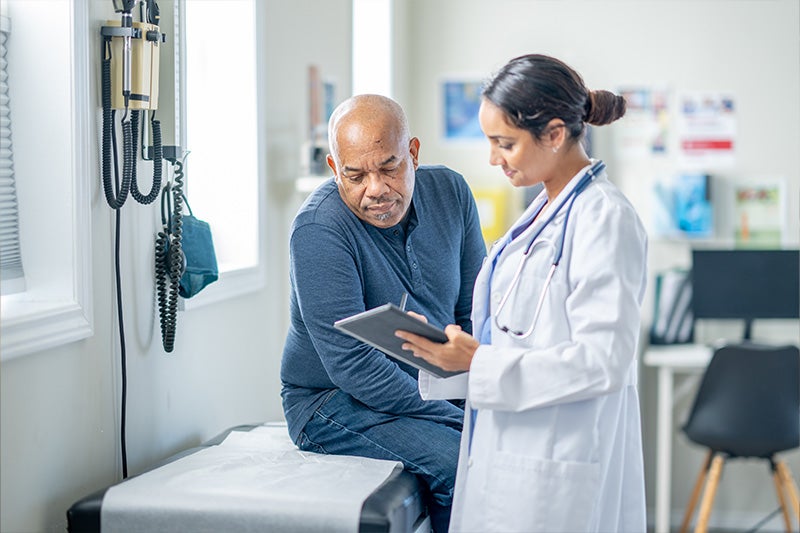
Schedule a follow-up visit with a primary care provider in or near Athens, GA, to ask about stroke recovery support and rehabilitation resources.