
When you think of a wound, you might picture a simple cut or scrape. But for many patients, wounds can be more complex and require specialized care to heal properly. That’s where wound care comes in.
Understanding how wound care works and who it helps can make a meaningful difference in recovery, comfort, and long-term health.
What Is Wound Care?
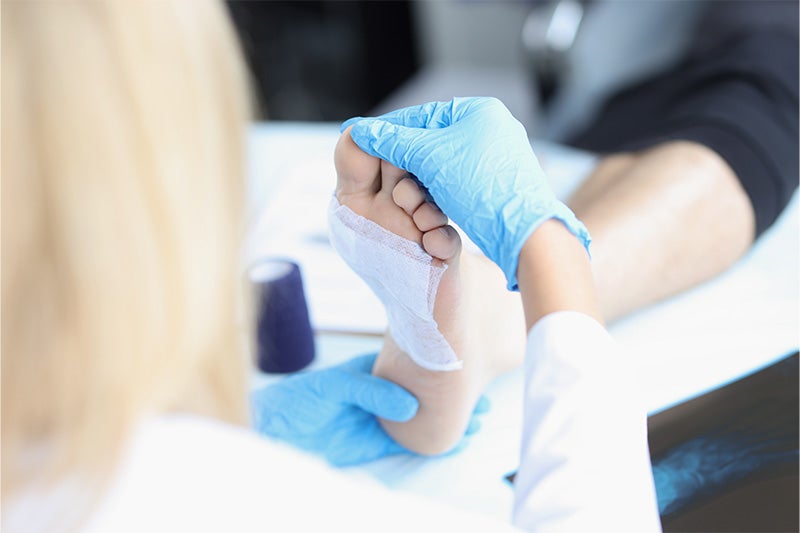
Wound care is the medical management of injuries to the skin and underlying tissue. The goal is to promote healing, prevent infection, and reduce the risk of complications.
Wound care can range from basic at-home treatment to advanced medical therapies provided by trained healthcare professionals.
Types of Wounds That May Need Care
Not all wounds heal the same way. Some require extra attention, especially if healing is delayed.
Common types of wounds include:
- Cuts and lacerations
- Burns
- Surgical wounds
- Pressure ulcers (bedsores)
- Diabetic ulcers
- Venous or arterial ulcers
Chronic wounds are those that do not heal within a typical timeframe and often need specialized care.


Who Benefits From Wound Care?
Wound care can help a wide range of patients, including those who:
- Have chronic conditions such as diabetes or poor circulation
- Are recovering from surgery
- Have limited mobility
- Experience slow or delayed healing
- Have wounds that show signs of infection
Patients of all ages may benefit from proper wound care, especially when healing is not progressing as expected.
Why Proper Wound Care Matters
Without proper care, even small wounds can become serious.
Wound care helps:
- Prevent infection
- Reduce pain and discomfort
- Promote faster healing
- Lower the risk of complications
- Improve overall quality of life
Early treatment often leads to better outcomes.


What Does Wound Care Treatment Involve?
Treatment depends on the type and severity of the wound, but may include:
- Cleaning and dressing the wound
- Removing damaged tissue (debridement)
- Managing infection
- Improving blood flow
- Using advanced therapies such as specialized dressings or negative pressure therapy
Care plans are often personalized to meet each patient’s needs.
When Should You Seek Medical Care for a Wound?
It’s important to contact a healthcare provider if a wound:
- Does not begin to heal within a few days
- Becomes increasingly painful
- Shows signs of infection such as redness, swelling, or drainage
- Occurs in someone with diabetes or circulation issues
- Is deep, large, or caused by a serious injury
Prompt care can prevent complications and support proper healing.
In Need of Wound Care Help? St. Mary's is Here:

The Role of Primary Care in Wound Healing
Primary care providers are often the first to evaluate and manage wounds. They can:
- Assess the severity of the wound
- Provide initial treatment
- Monitor healing progress
- Refer to wound care specialists when needed
Having a trusted provider ensures continuity of care throughout the healing process.
Do you have a wound that won't heal? It is important that you get medical help quickly.
Frequently Asked Questions About Wound Care
A chronic wound does not heal within the typical timeframe of around 4 weeks and may require specialized care.
Minor cuts and scrapes can often be treated at home, but wounds that are deep, slow to heal, or show signs of infection should be evaluated by a provider.
Keeping the wound clean, covered, and properly cared for, along with following your provider’s recommendations, can support faster healing.
If you have a wound that is not healing properly or causing concern,
care is available.
Schedule a visit with a primary care provider to evaluate your wound and receive personalized treatment to support healing.
Find A Local and Trusted,
Primary Care Office Near You
Schedule an Appointment with A Primary Care Provider
Learn More about Services Offered at St. Mary's Health Care System