
How Long Does It Take to Recover from Joint Surgery? What to Expect Week by Week
December 10, 2025Tags: Orthopedics
Preparing for joint surgery, whether it’s a hip, knee, or shoulder replacement, is a big step toward regaining mobility and reducing pain after surgery. Understanding the recovery process ahead can ease anxiety and help you feel more confident about the journey. Keep in mind that the length of your recovery depends on many factors, including which joint was replaced. The following is a general guide. The pace of your recovery will be based on your individual needs.
At St. Mary’s, we support you every step of the way from surgery to rehab, helping you get moving safely and regain your independence.

Week 1: The Initial Recovery Phase
Right after surgery, your focus will be on managing pain, preventing complications, and beginning gentle movement.
- Hospital stay: Usually 1-3 days, depending on your procedure and health.
- Pain management: Medications keep you comfortable.
- Early mobility: Physical therapists help you start simple exercises and learn how to safely get in and out of bed. Home-based or outpatient physical therapy will begin.
- Swelling and rest: Expect some swelling and fatigue. Rest is essential.
- Home setup: Prepare a safe space with easy access to necessities to avoid falls. If you have a multi-story home, consider creating a temporary bedroom on the ground floor.
Weeks 2-4: Regaining Motion and Independence
This period is about increasing mobility while continuing to control pain and swelling.
- Physical therapy: Outpatient physical therapy will begin or continue, focusing on gentle stretching and strengthening exercises.
- Walking aids: Crutches or walkers may still be needed, but should decrease over time.
- Daily activities: Slowly return to light activities like dressing and walking short distances, as directed by your surgeon and physical therapy team.
- Follow-ups: Regular check-ins with your surgeon ensure healing is on track.
Weeks 5-8: Building Strength and Function
As healing progresses, therapy becomes more active and targeted.
- Increasing exercises: Focus shifts to improving range of motion, muscle strength, and balance.
- Reducing aids: Most patients start to phase out walkers or canes during this stage.
- Driving and light work: Depending on your procedure and comfort, some return to driving or desk work.
- Pain and swelling: These should lessen but may flare after increased activity.
Weeks 9-12: Returning to Normal Activities
Recovery enters an exciting phase as many people regain significant function.
- Advanced therapy: More challenging exercises to build endurance and joint stability.
- Resuming hobbies: Many return to low-impact sports, swimming, or gardening.
- Work and social life: Most can resume normal routines, but heavy lifting or strenuous jobs may require more time.
- Ongoing healing: Remember, your joint continues strengthening well beyond this stage.

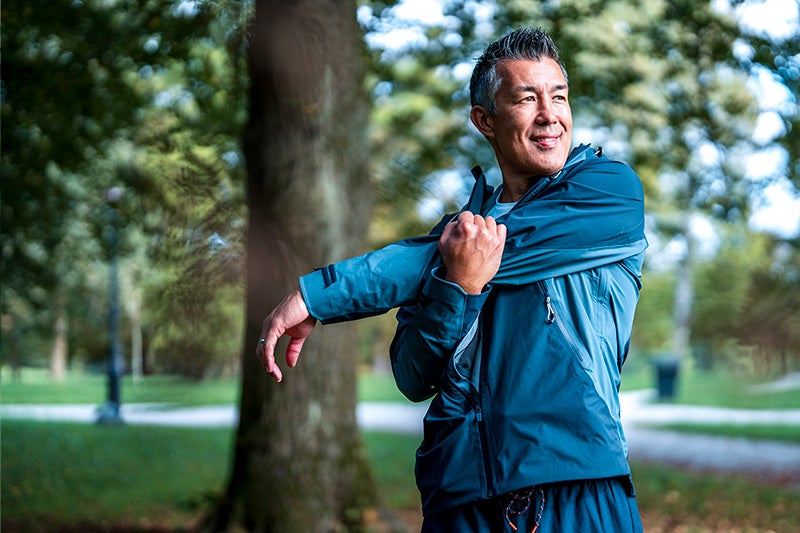
Beyond 3 Months: Long-Term Recovery
Full recovery varies, but many patients feel dramatically better within 3-6 months.
- Continued improvement: Strength, flexibility, and endurance improve with ongoing exercise.
- Lifestyle adaptations: Maintaining a joint-friendly routine supports lasting results.
- Follow-up care: Occasional check-ups ensure your joint stays healthy and functioning well.
The Role of Rehabilitation
Rehabilitation is a critical part of your recovery journey. Our team of skilled physical and occupational therapists will guide you through tailored exercises and techniques to:
- Reduce pain and swelling
- Maximize range of motion
- Improve muscle strength and joint stability
- Help you return safely to daily activities and hobbies
- Prevent future injury or complications
Support and Care Close to Home
At St. Mary’s, we offer comprehensive joint surgery recovery support across multiple locations to fit your lifestyle and needs.