
Home Recovery After Joint Surgery: Safety Tips, Mobility Tools, and Daily Routines
May 29, 2026Categories: Rehabilitation Services
Recovering from joint surgery is a journey, and what happens at home plays a big role in how smoothly that journey goes. Whether you’ve had a hip, knee, or shoulder procedure, creating a safe, supportive environment can help you heal with confidence.
With the right preparation, guidance, and daily habits, many patients find they regain strength, mobility, and independence sooner than expected.

What Does Recovery After Joint Surgery Look Like?
Every recovery is unique, but most follow a similar path.
In the early days after surgery, you may experience:
- Pain or soreness around the joint
- Swelling or stiffness
- Limited mobility
- Fatigue as your body heals
As you continue healing, you will gradually rebuild strength and movement, often with the help of physical therapy and guided exercises.
Setting Up a Safe Recovery Space at Home
Preparing your home ahead of time can make daily activities safer and more manageable.
Reduce Fall Risks
- Remove loose rugs and clutter
- Keep pathways clear
- Ensure rooms are well-lit
Create an Easy-to-Reach Environment
- Keep frequently used items within arm’s reach
- Set up a comfortable resting area on the main floor, if possible
Use Supportive Furniture
- Choose chairs with armrests to help with sitting and standing
- Avoid low or overly soft seating
A safe space helps you focus on healing without unnecessary strain.
Mobility Tools That Support Recovery
Assistive devices can make a big difference in maintaining safety and independence.
Common tools include:
- Walkers or crutches for stability
- Canes as you progress in recovery
- Raised toilet seats
- Shower chairs and grab bars
Your care team will guide you on which tools are right for your specific needs.
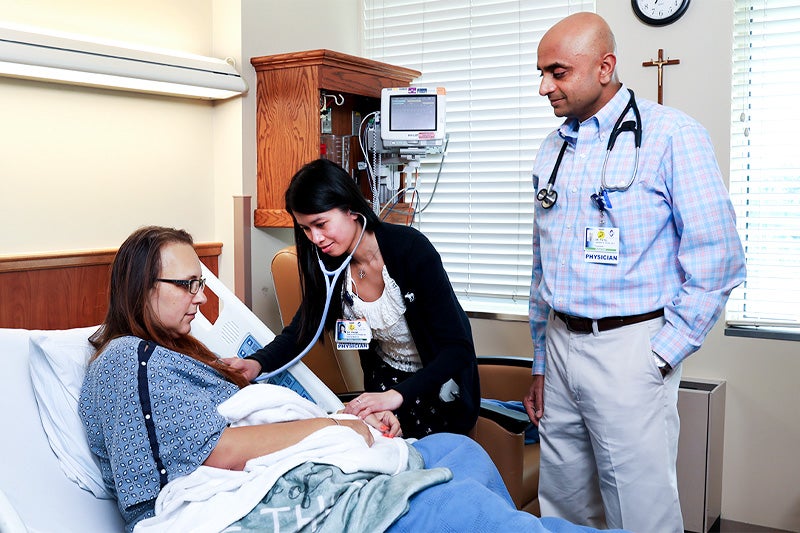
Learn More about Post Operative Care at St. Mary's Health Care System

Robotic Surgery can lead to shorter recovery times.
Building a Daily Recovery Routine
Consistency is key when it comes to healing.
Follow Your Physical Therapy Plan
Exercises are designed to restore strength and range of motion. Even small movements each day can lead to meaningful progress.
Manage Pain and Swelling
- Take medications as directed
- Use ice as recommended
- Elevate the affected area when appropriate
Stay Active Safely
- Short, gentle walks or movement throughout the day can improve circulation and reduce stiffness.
- Prioritize Rest
- Your body needs time to heal. Balance activity with periods of rest.
Nutrition and Hydration for Healing
What you eat and drink plays an important role in recovery. Focus on:
- Protein-rich foods to support tissue repair
- Fruits and vegetables for vitamins and minerals
- Staying well hydrated
Proper nutrition can help your body heal more efficiently.
When to Contact Your Healthcare Provider
It’s important to stay in touch with your care team and report any concerns.
Call your provider if you notice:
- Increasing pain that is not improving
- Signs of infection, such as redness, warmth, or drainage
- Fever
- Swelling that worsens suddenly
- Difficulty moving the joint
Early communication can prevent complications and keep your recovery on track.
The Role of Primary Care in Recovery
Your primary care provider plays an important role alongside your surgical team by:
- Monitoring your overall health
- Managing medications
- Supporting chronic conditions during recovery
- Coordinating additional care if needed
Having a trusted provider helps ensure you feel supported every step of the way.

Frequently Asked Questions About Joint Surgery Recovery
Recovery time varies depending on the type of surgery and your overall health. Many patients begin to feel improvement within a few weeks, but full recovery can take several months. Your care team will guide you through each stage and help set realistic expectations.
This depends on your procedure and progress. Some daily activities can resume within a few weeks, while more strenuous movements may take longer. Following your provider’s and physical therapist’s guidance helps ensure a safe return to activity.
Many patients benefit from having help during the early stages of recovery. Assistance with meals, transportation, and daily tasks can reduce strain and support healing. Planning ahead can make this transition much smoother.
The most effective way to support recovery is to follow your care plan closely. This includes attending physical therapy, staying active within safe limits, eating well, and communicating with your provider about any concerns. Healing takes time, but consistency leads to progress.
If you are preparing for joint surgery or recovering at home,
you don’t have to navigate it alone.
Connect with a primary care provider for guidance, support, and coordination throughout your recovery journey.