Autoimmune Diseases: What They Are, Signs to Watch For, and Treatment Options
December 8, 2025Understanding the Immune System’s Role and How to Live Well with a Chronic Condition
If you or someone you love has been diagnosed with an autoimmune disease or suspects something isn’t quite right, it can feel confusing, frustrating, and even overwhelming. These conditions don’t always follow a clear pattern, and symptoms can come and go, making them difficult to understand and manage.
At St. Mary’s Health Care System, we’re here to help you make sense of the symptoms, find answers, and move forward with confidence. Whether you’re newly diagnosed or just starting your search for answers, this guide offers helpful insights into autoimmune diseases and provides hope for managing them.

What Is an Autoimmune Disease?
Your immune system’s job is to protect you from outside threats like viruses and bacteria. But in an autoimmune disease, the immune system attacks the body’s own healthy cells, mistaking them for the enemy.
This mistake can lead to inflammation, pain, fatigue, and damage to various organs and tissues, depending on the condition.
There are more than 80 known autoimmune diseases, and they affect an estimated 1 in 10 people, with women more commonly affected than men.
Common Autoimmune Diseases
Some of the most well-known autoimmune conditions include:
- Rheumatoid arthritis (RA) – Inflammation of the joints
- Lupus (SLE) – Affects joints, skin, kidneys, and other organs
- Multiple sclerosis (MS) – Attacks the central nervous system
- Type 1 diabetes – Destroys insulin-producing cells in the pancreas
- Celiac disease – Triggers an immune response to gluten
- Psoriasis and psoriatic arthritis – Affects the skin and joints
- Inflammatory bowel disease (IBD) – Includes Crohn’s disease and ulcerative colitis
- Hashimoto’s thyroiditis – A common cause of underactive thyroid (hypothyroidism)
While the conditions are different, the root cause is similar: a misfiring immune system.
Signs and Symptoms to Watch For
Autoimmune diseases can be tricky to detect because symptoms often mimic other conditions—or seem unrelated. Common signs include:
- Fatigue that doesn’t improve with rest
- Joint or muscle pain
- Brain fog or difficulty concentrating
- Digestive problems (bloating, diarrhea, pain)
- Skin rashes or discoloration
- Hair loss
- Recurring fevers
- Numbness or tingling in hands and feet
Symptoms may appear suddenly or slowly worsen over time. Many autoimmune conditions also have flare-ups and remissions, where symptoms come and go.


What Causes Autoimmune Diseases?
The exact causes are still being studied, but likely involve a mix of:
- Genetics – Family history plays a role
- Environmental triggers – Viruses, infections, toxins, or stress
- Hormonal changes – Many autoimmune diseases affect women during puberty, pregnancy, or menopause
- Gut health – A link is being explored between autoimmune conditions and the gut microbiome
While we don’t fully understand what “flips the switch,” researchers continue to explore new answers and treatments every year.
How Are Autoimmune Diseases Diagnosed?
Diagnosis typically starts with your primary care provider, who may refer you to a rheumatologist or specialist. Testing may include:
- Blood tests (such as ANA, CRP, or ESR)
- Antibody screening
- Thyroid or hormone panels
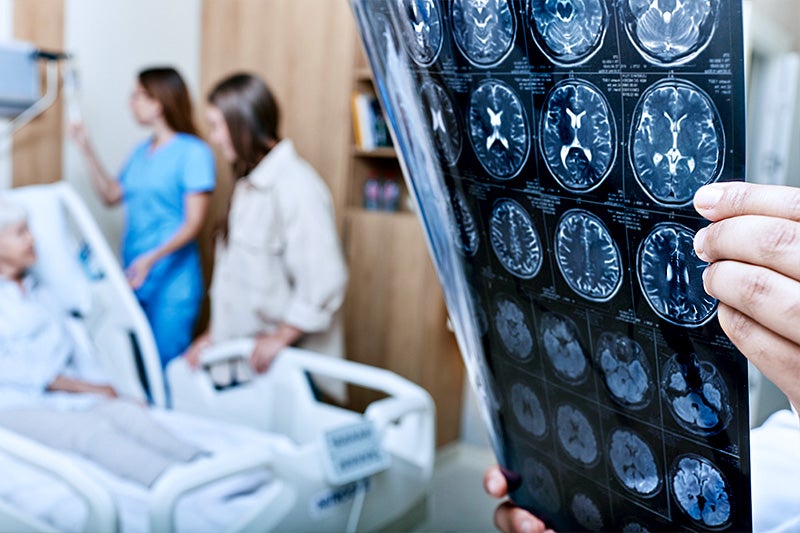
- Imaging tests (like MRIs or ultrasounds) to detect inflammation
Early diagnosis is key, it allows for better symptom management and helps prevent long-term damage.
Treatment Options: Managing, Not Curing
There is no “cure” for autoimmune diseases yet, but there are many ways to control symptoms, prevent flares, and protect your health. Your provider will help you create a care plan tailored to your needs.
Treatment may include:
- Anti-inflammatory medications (like NSAIDs or corticosteroids)
- Disease-modifying drugs (DMARDs or biologics for RA, lupus, and MS)
- Infusion therapy for conditions that need IV treatment
- Thyroid medication for autoimmune thyroid disease
- Lifestyle changes to support overall health and immunity
Some patients benefit from integrative approaches like nutrition counseling, physical therapy, or mental health support.


You’re Not Alone We’re Here to Help
Living with an autoimmune condition can be challenging, but you don’t have to navigate it alone. The care teams at St. Mary’s are here to support you with:
- Thorough evaluations and diagnostics
- Coordinated care between your primary doctor and specialists
- Outpatient infusion services through ArrIVe Infusion Therapy
- Education and resources to help you feel confident in your care
Start by connecting with one of our trusted providers at a location near you:
- Athens Internal Medicine Associates – Athens
- Community Internal Medicine of Athens – Athens
- Georgia Family Medicine – Watkinsville
- Good Samaritan Primary Care – Greater Greene County area
- Sacred Heart Primary Care – Greater Franklin County area
- St. Mary's Family Medicine – Bogart
- St. Mary’s Internal Medicine Associates – Watkinsville/Oconee
- St. Mary’s Internal Medicine Associates on Chase – North Athens/Jackson/Madison