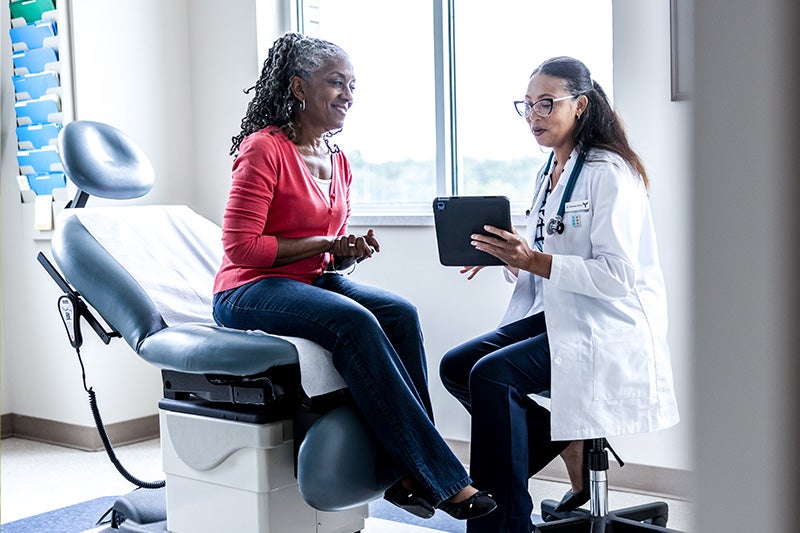
Osteoporosis is often called a “silent condition” because it can progress without noticeable symptoms. Many people do not realize their bones are weakening until a fracture occurs. That is why screening plays such a critical role in protecting long-term health and independence.
Preventive care and early screening can make a meaningful difference in bone health at every stage of life.

What Is Osteoporosis?
Osteoporosis is a condition that causes bones to become thin, brittle, and more likely to break. It develops when the body loses too much bone, makes too little bone, or both.
Common fracture sites include: Hips, Spine, Wrists
These fractures can significantly impact mobility, self-care, confidence, and overall quality of life.
Why Osteoporosis Screening Matters
Because osteoporosis develops gradually, screening helps detect bone loss before fractures occur.
Screening allows providers to:
- Identify bone density loss early
- Assess fracture risk
- Recommend lifestyle changes or treatment
- Monitor bone health over time
Early detection helps patients take proactive steps to protect their bones and maintain independence.
Frequently Asked Questions About Osteoporosis
While it cannot always be prevented, healthy habits and early screening can significantly reduce fracture risk.
No. While more common in women, men can also develop osteoporosis and should discuss screening with their provider.
Osteoporosis itself usually does not cause pain. Pain often occurs after a fracture.
Who Is Most Commonly Affected by Osteoporosis?
While anyone can develop osteoporosis, certain groups are at higher risk.
Most commonly affected include:
- Women after menopause
- Adults over age 50, including men
- People with a family history of osteoporosis
- Individuals with low body weight
- Those with vitamin D or calcium deficiencies
Certain medical conditions and long-term medication use can also increase risk.
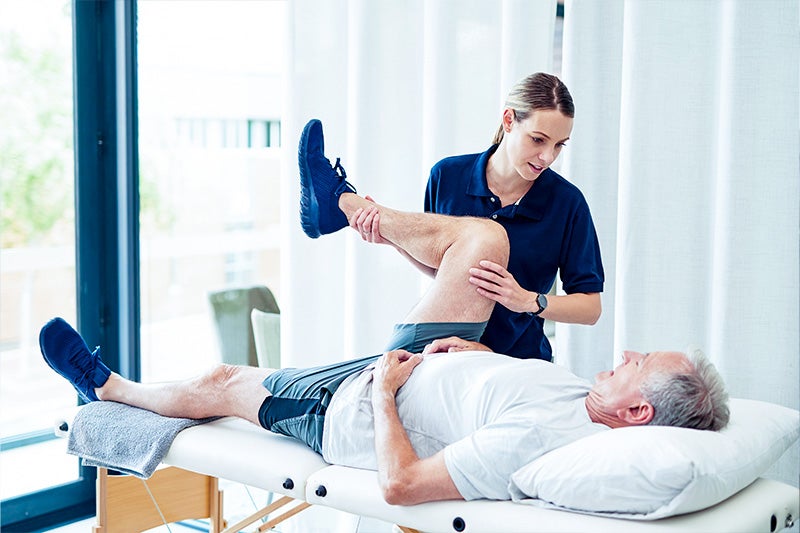

Signs You May Need an Osteoporosis Screening
Many people with osteoporosis feel perfectly fine until a fracture occurs. Screening may be recommended if you:
- Are over age 65
- Are postmenopausal with additional risk factors
- Have experienced fractures from minor falls
- Have chronic conditions affecting bone health
Primary care providers can help determine when screening is appropriate.
How Osteoporosis Is Screened
The most common screening test is a bone density scan, also known as a DEXA scan. This painless test measures bone strength and helps guide care decisions.
Your provider will review results and discuss next steps if bone loss is detected.
How Primary Care Supports Bone Health
Primary care providers help patients protect bone health by:
- Identifying risk factors early
- Ordering screenings when appropriate
- Recommending nutrition and activity changes
- Monitoring bone health over time
Patients in Northeast Georgia benefit from ongoing preventive care focused on aging well and staying active.
Protecting your bones starts with awareness and prevention.
Schedule a preventive screening with a primary care provider in Athens, GA, to learn more about your bone health and reduce future fracture risk.