
RSV in Children: Prevention, Care, and When to See a Doctor
April 6, 2026Categories: Children & Pediatrics
Respiratory syncytial virus, or RSV, is a common illness that spreads quickly among young children, especially in daycare and school settings. For families in Oconee County, GA, including communities like Watkinsville, Bogart, Bishop, and North High Shoals, understanding RSV can help you act early and protect your child’s health.
While RSV is often mild, it can become serious for infants and young children, making awareness especially important.

What Is RSV?
RSV is a highly contagious respiratory virus that affects the lungs and airways. Most children will have RSV at least once before age two.
Common symptoms of RSV in children include:
- Runny nose
- Cough
- Sneezing
- Fever
- Wheezing
- Decreased appetite
In very young children, symptoms may be more subtle, such as irritability or difficulty feeding.
Frequently Asked Questions About RSV in Children
Symptoms usually last 1 to 2 weeks, though a cough may linger a bit longer.
RSV can look like a cold at first, but it has a higher risk of affecting the lower airways, especially in young children.
Children should stay home while symptomatic to prevent spreading RSV in settings such as schools or daycare.
How to Prevent RSV in Children
Because RSV spreads easily, prevention is key, especially in environments like Schools and childcare settings.
Encourage children to wash their hands often, especially after school and before eating.
Keep infants and young children away from anyone showing cold-like symptoms.
Regularly disinfect toys, doorknobs, and shared surfaces.
During RSV season, try to avoid crowded indoor spaces when possible, especially with infants.
Healthy sleep, nutrition, and hydration can help strengthen your child’s immune system.


What to Do If Your Child Has RSV
Most cases of RSV can be managed at home with supportive care.
- Keep Your Child Comfortable: Use a cool-mist humidifier to ease breathing and keep nasal passages moist.
- Encourage Fluids: Hydration is essential, especially if your child has a fever or reduced appetite.
- Clear Nasal Congestion: Saline drops and gentle suction can help infants breathe more easily.
- Monitor Breathing: Watch for any signs that breathing is becoming more difficult.
Supporting Your Child Through Recovery
Recovery from RSV may take a little longer than a typical cold.
- Allow extra time for rest
- Gradually return to school and activities
- Continue monitoring lingering cough or fatigue
Most children recover fully with time and supportive care.
When to See a Doctor
RSV can sometimes lead to more serious conditions like bronchiolitis or pneumonia, particularly in infants.
Seek medical care if your child has:
- Difficulty breathing or rapid breathing
- Wheezing or persistent coughing
- Blue or gray coloring of lips or fingertips
- Trouble feeding or signs of dehydration
- Extreme fatigue or decreased responsiveness
For infants under 6 months, it’s always wise to contact a healthcare provider if symptoms appear.
Families looking for a pediatrician in Oconee County can start with a Hometown Pediatrics provider to evaluate symptoms and determine if additional care is needed.
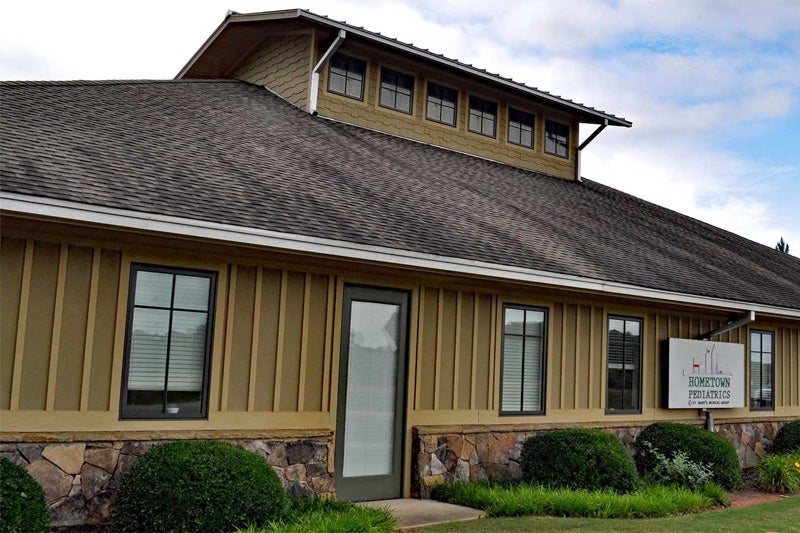
If your child is showing symptoms of RSV
or you are unsure how to manage their care, you’re not alone.
Schedule a visit at Hometown Pediatrics for guidance, evaluation, and peace of mind. Same-day appointments are available.