
Love Your Heart This February
February 26, 2023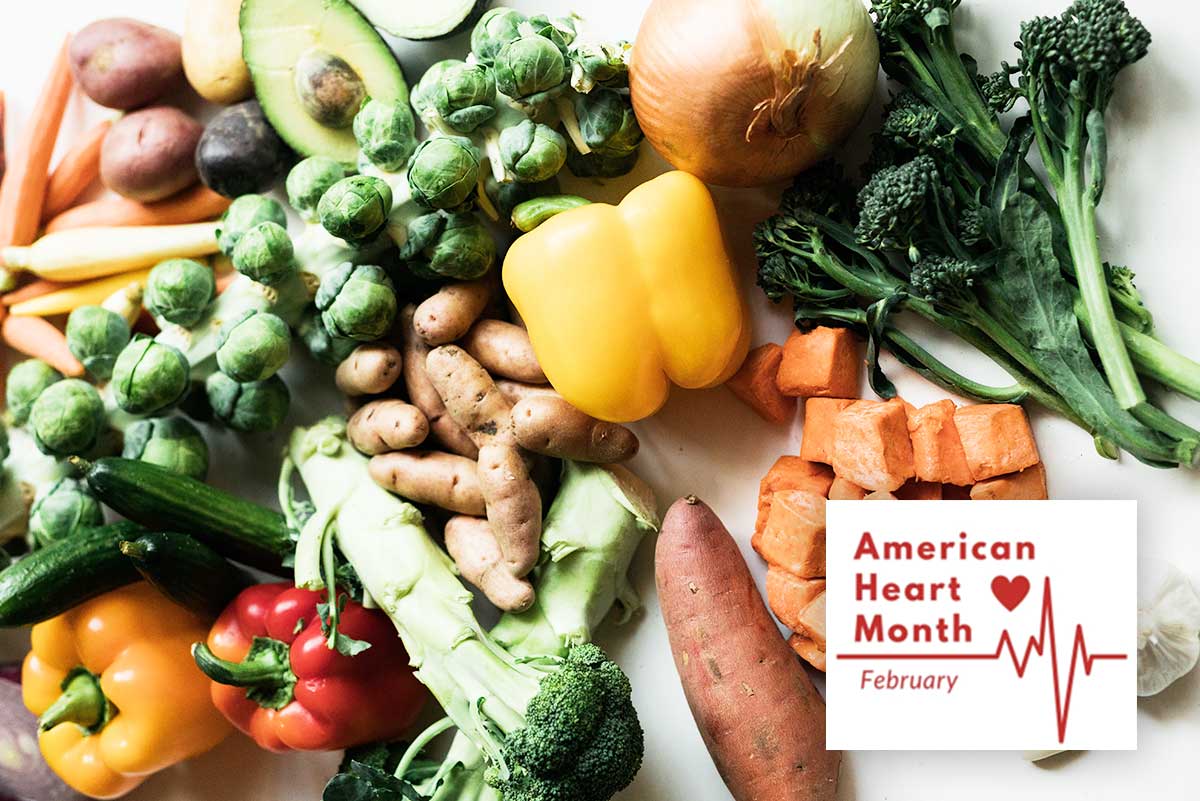
Most people can greatly reduce their risk of developing heart disease.
February is in full swing, meaning that, in addition to Valentine’s Day approaching, American Heart Month has started. February was designated as American Heart Month in 1963 to raise awareness about the leading cause of death in the United States: heart disease.
Heart disease includes a variety of different conditions, all of which negatively affect how well the heart functions. Luckily, for the most part, heart disease is preventable. By following a heart-healthy diet, most people can greatly reduce their risk of developing heart disease.
What does a Heart-Healthy Diet Look Like?
When looking at heart disease, two of the biggest contributing factors are high blood pressure and high cholesterol. These two conditions are primarily caused by high levels of sodium (primarily from salt) and fat in an individual’s diet. That means each person should try to limit their saturated- and trans- fat intake, as well as their sodium intake in order to maintain healthy blood pressure and cholesterol levels.
What foods should I avoid? What should I eat instead?
You have probably heard the term “healthy fats” before, but what exactly does this mean? Essentially, a healthy fat, also known as monounsaturated or polyunsaturated fats, is a fat that actually helps lower cholesterol levels and lowers the risk of developing heart disease. Examples of foods containing healthy fats include avocados, nuts, fish, and olive oil. To build a healthier diet, replace foods containing saturated and trans-fats with foods containing healthy monounsaturated or polyunsaturated fats.
What are other healthy foods I should eat?
In addition to limiting fat and sodium intake, people following a heart-healthy diet should incorporate more fruits, vegetables, and whole grains into their diet. Incorporating these foods will not only help regulate blood pressure and provide the body with essential vitamins and minerals, but also help curb hunger, making you less likely to pick up an unhealthy snack. Doing this can be as simple as adding a handful of berries to a bowl of oatmeal or choosing a slice of whole-grain bread instead of white bread.
Does being physically active help?
It’s essential. In addition to eating a well-balanced diet, physical activity plays a huge role in living a heart-healthy life. According to the Centers for Disease Control and Prevention (CDC), it is recommended that an average adult get around 150 minutes of moderate-intensity aerobic activity or 75 minutes of vigorous-intensity aerobic exercise per week.
This can be as simple as walking for 30 minutes a day, five times a week. To try to hit this activity recommendation, try to engage in exercise that you like and are excited about – anything from basketball to swimming to horseback riding. Any type of movement is better than no movement!
Overall, the combination of eating a heart-healthy diet and engaging in physical activity will greatly reduce an individual’s risk of developing heart disease. This February, show yourself some love and make these lifestyle changes!